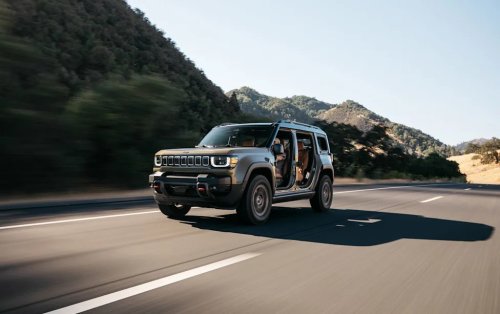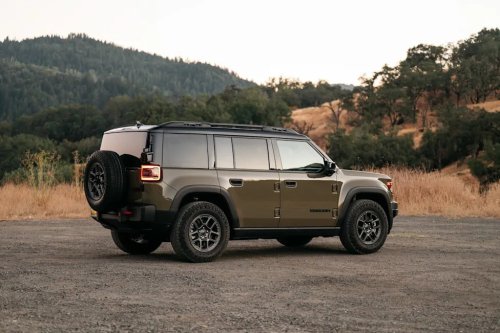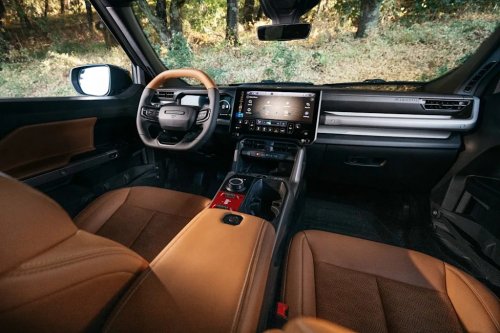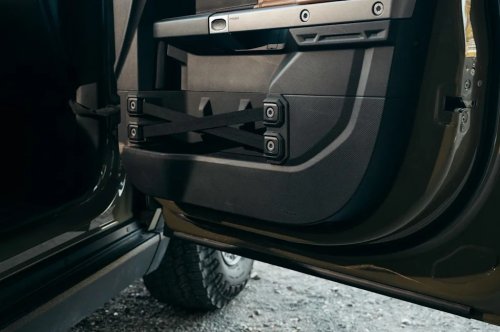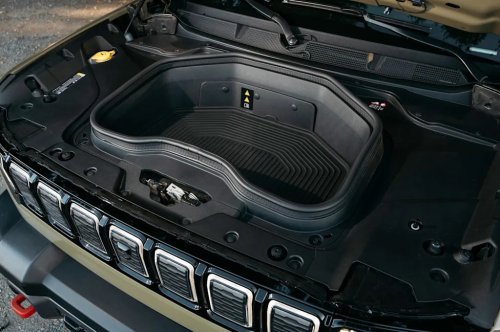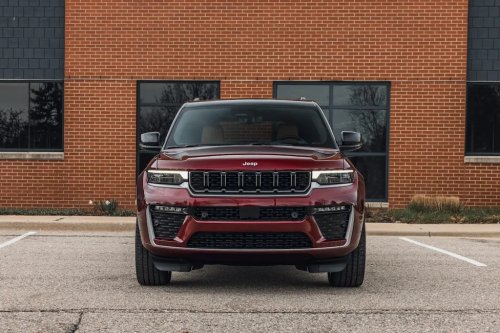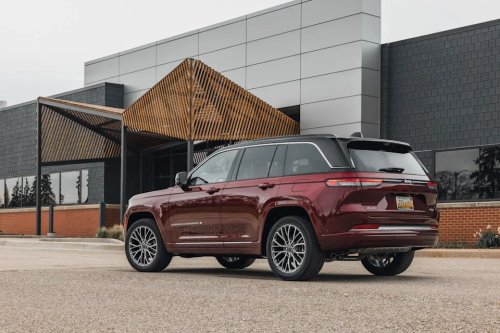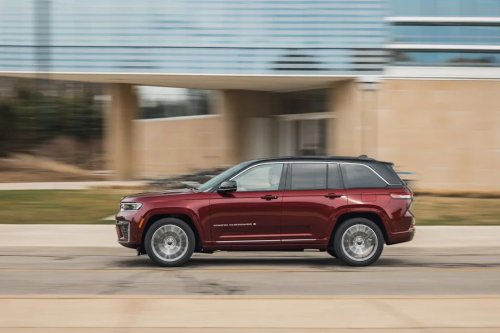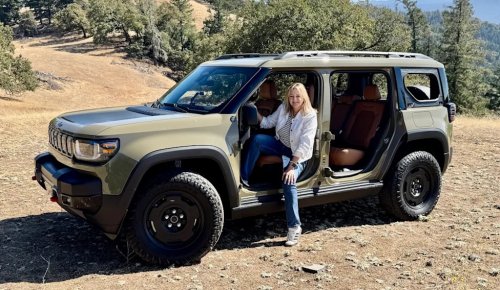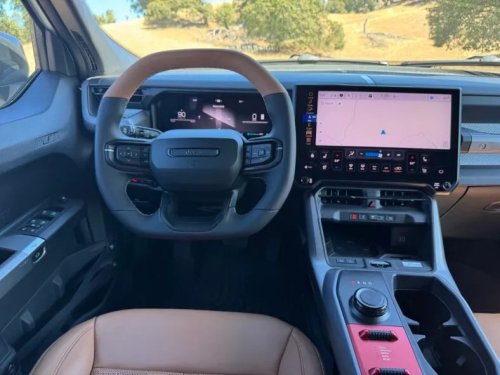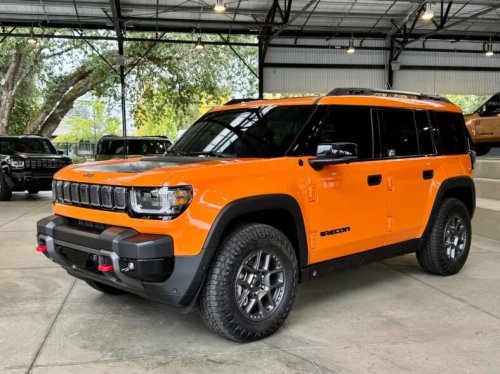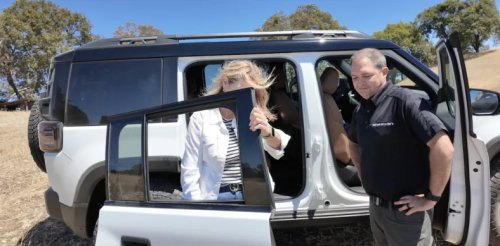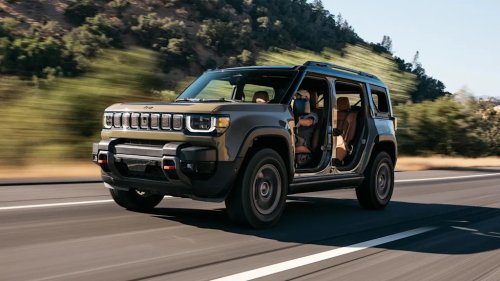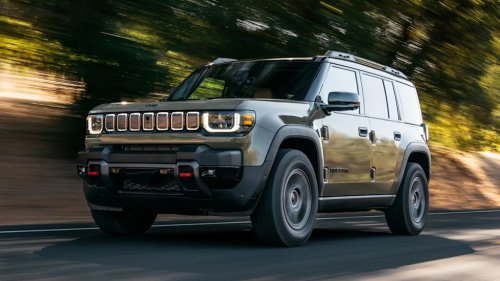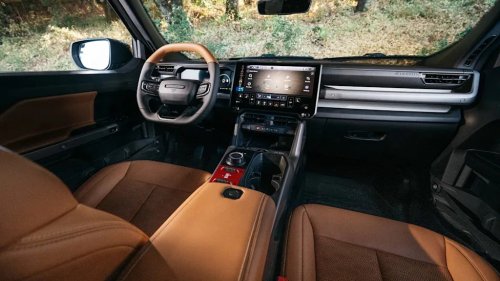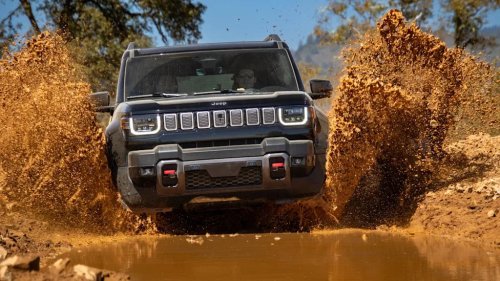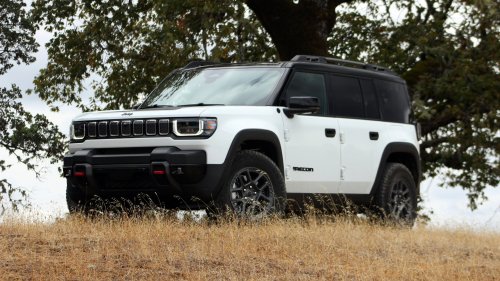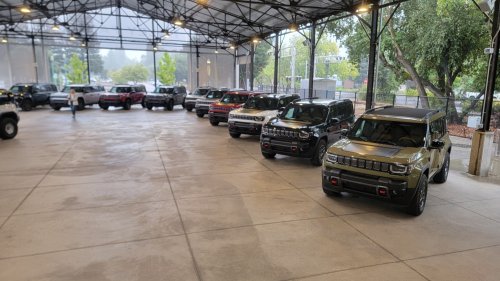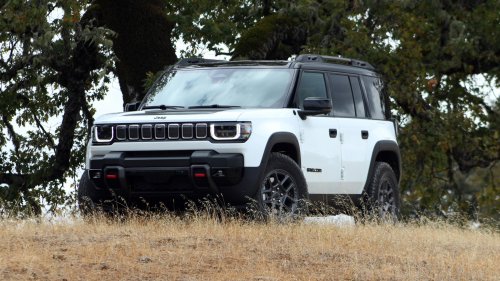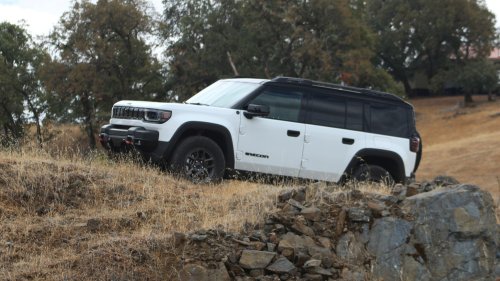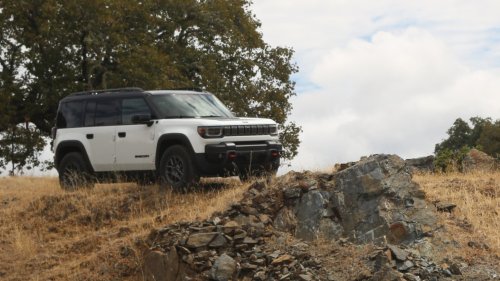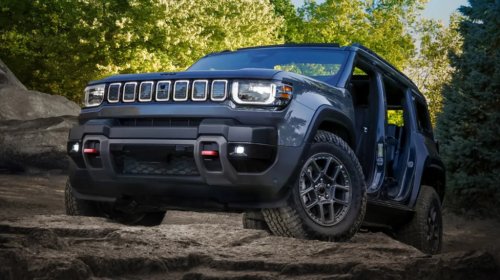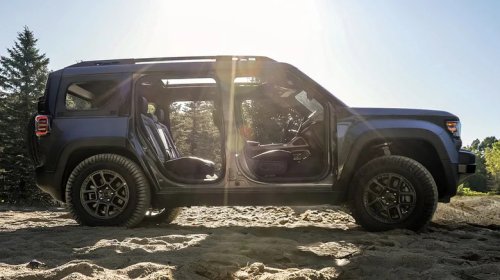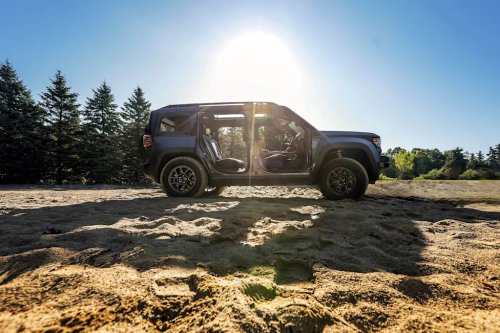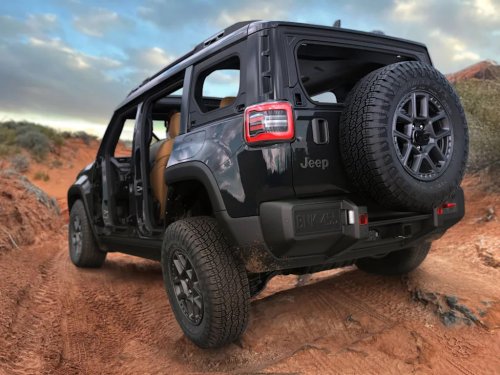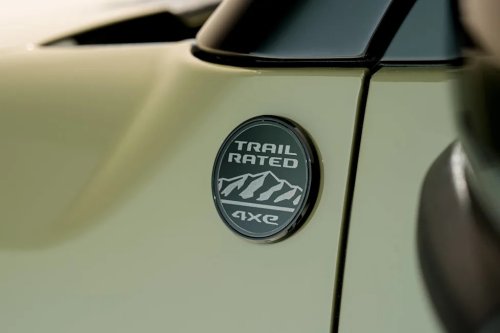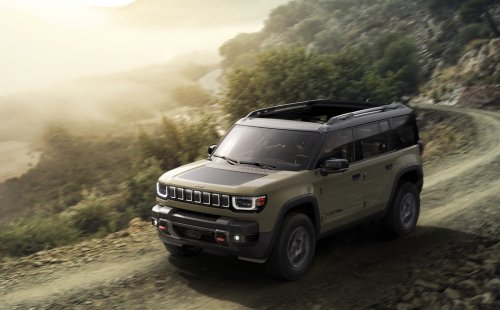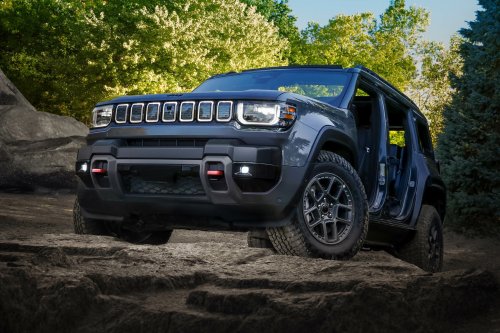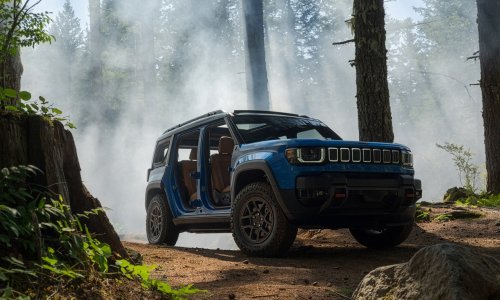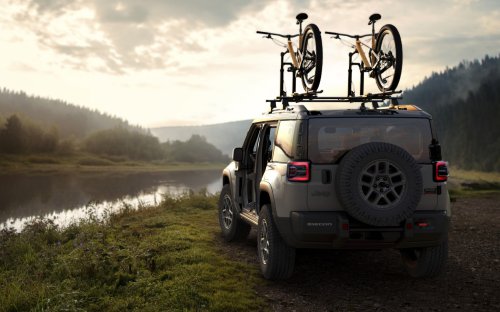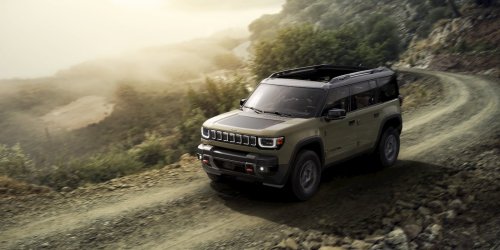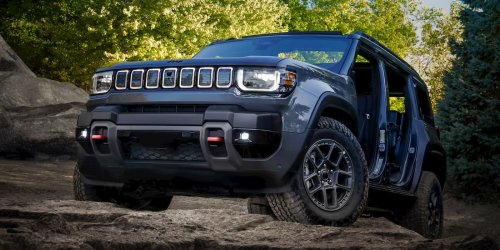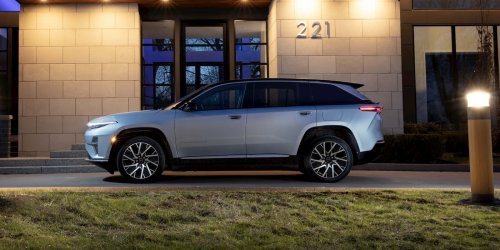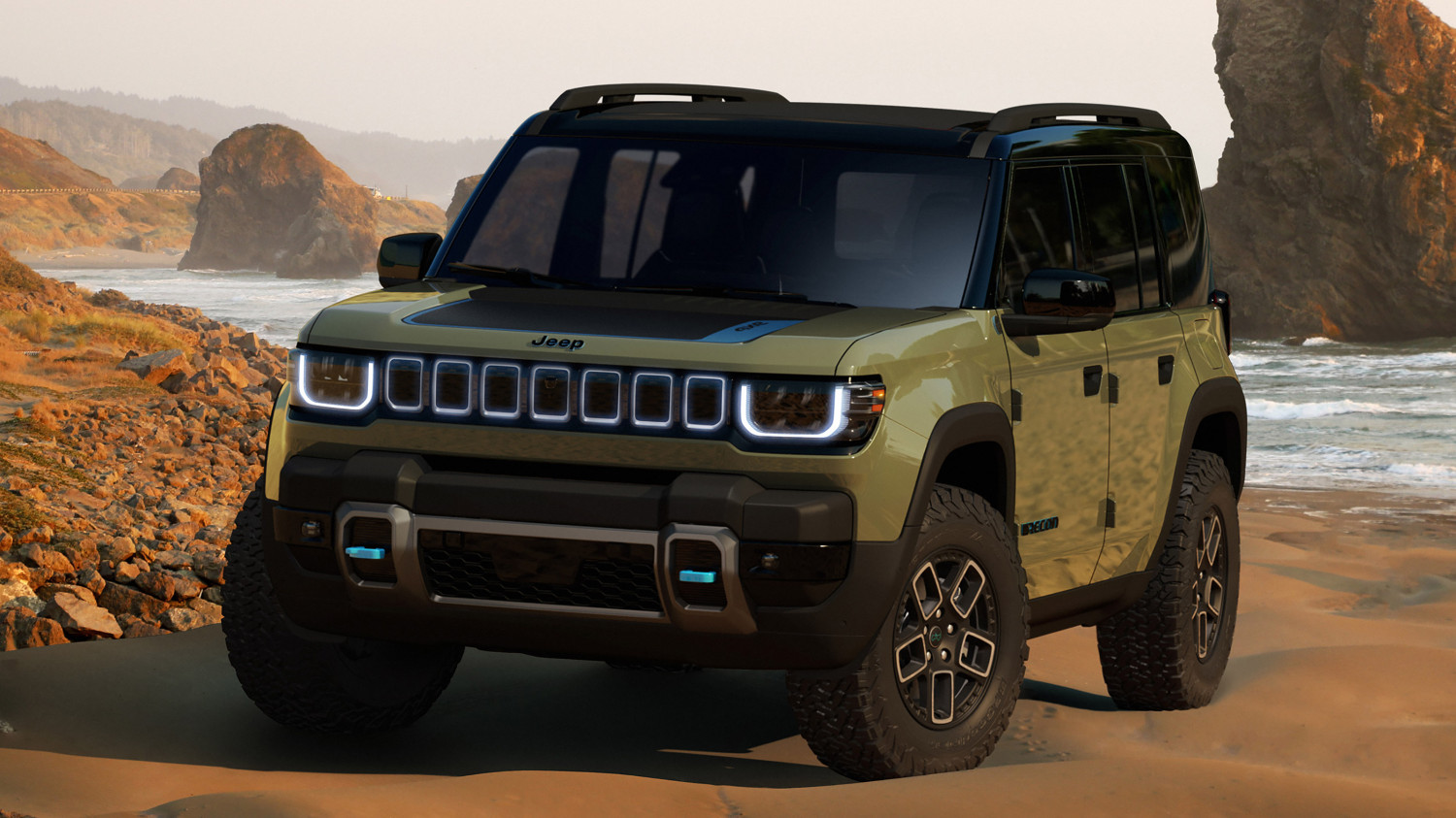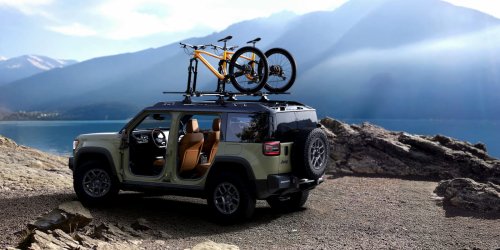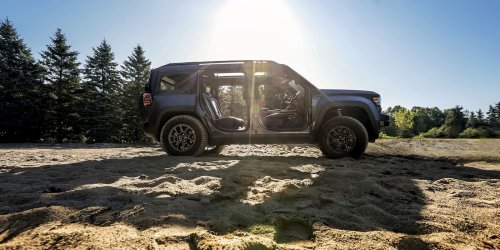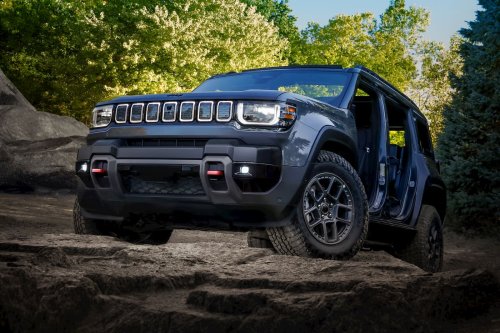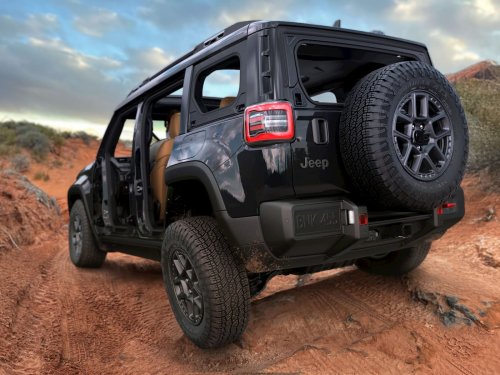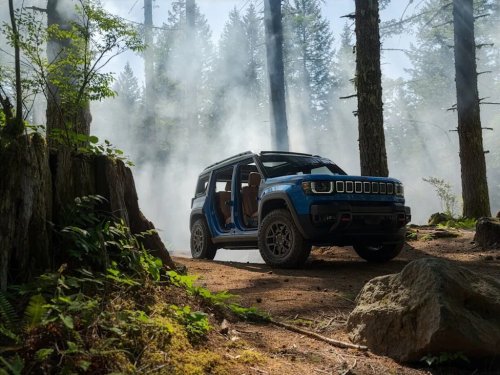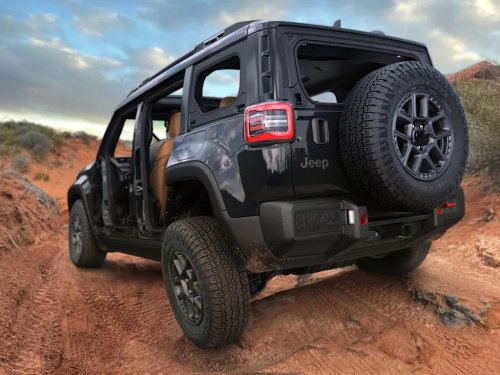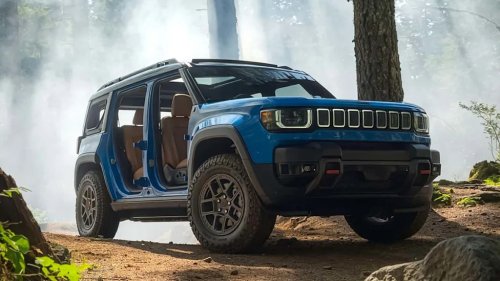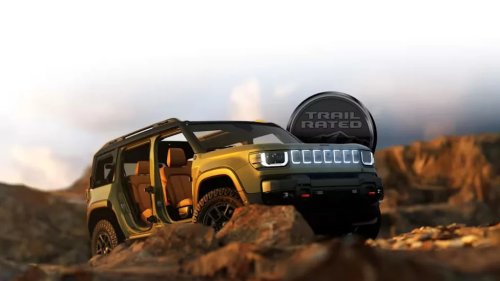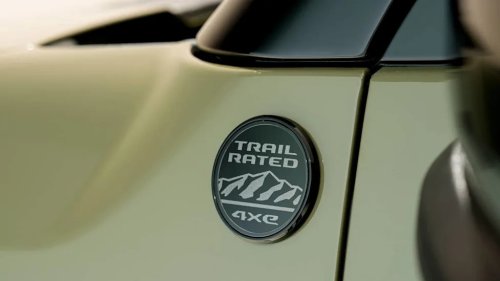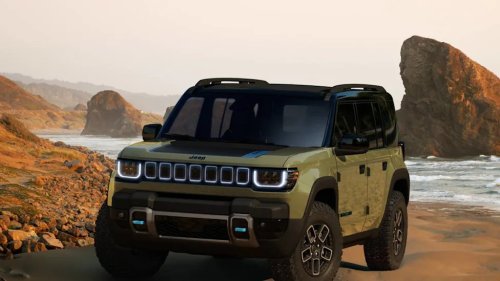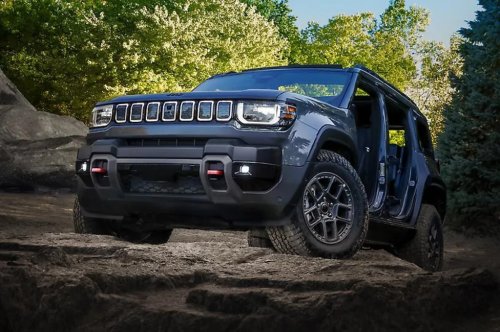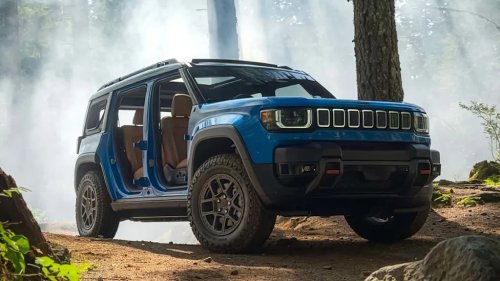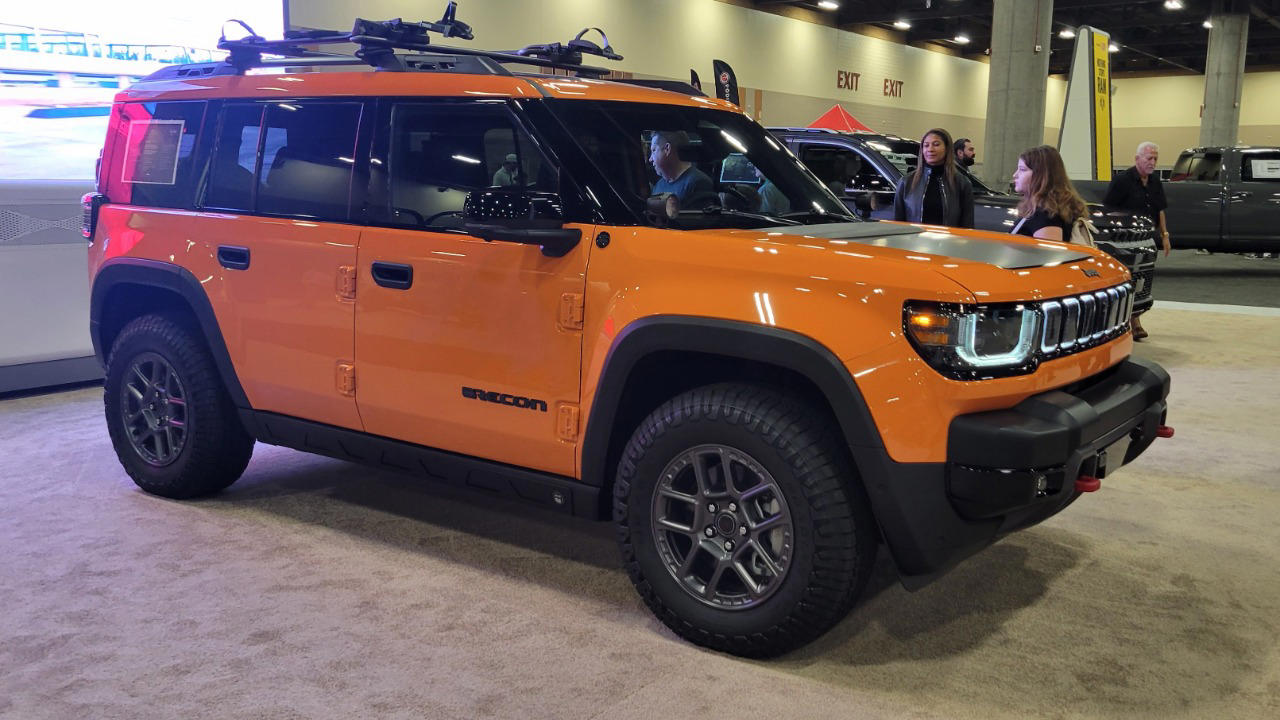



















Jeep patent suggests a frunk-mounted winch for an EV like ReconJeep appears to be preparing a very different take on one of off-roading’s most familiar tools, with a new patent that imagines a winch tucked inside the front trunk of an electric model such as the Recon instead of hanging off the bumper. The concept hints at how the brand could merge traditional trail hardware with the packaging freedoms of a battery electric platform, while also addressing safety, aerodynamics, and styling in a single move. While the patent does not name the Recon outright, it closely matches that vehicle’s proportions and layout, suggesting that Jeep’s upcoming electric SUV could be the first to hide recovery gear under its hood rather than wearing it on its face. From exposed hardware to hidden recovery gear For decades, off-roaders have bolted winches directly to steel bumpers, prioritizing easy access over everything else. The new patent turns that convention on its head by placing the drum, rope, and fairlead inside a compartment in the front storage area, then routing the cable out through a discreet opening when needed, as described in detail in the filing reviewed by patent watchers. Rather than a permanent metal box protruding from the nose, the drawings show a clean front fascia that only reveals its hardware when the driver opens the frunk and deploys the line, a layout that directly contrasts with the exposed units common on Wrangler builds and aftermarket bumpers. The patent explains that this internal layout is intended to shield the winch from road debris and weather, and also to prevent it from becoming a hard point in low speed impacts, concerns that have become more prominent as pedestrian safety rules and crash standards have tightened for SUVs that still claim serious trail ability. Engineers also point to handling and efficiency, arguing that a heavy steel winch mounted ahead of the axle can upset weight distribution and hurt aerodynamics, while an internal unit packaged closer to the structure keeps mass where the chassis is designed to carry it and allows smoother airflow around the front of the vehicle. Why the Recon is the likely test bed Jeep has already positioned the Recon as “The Only Fully Electric Utility Vehicle” that combines battery power with “Open Air Freedom,” promising removable doors and a focus on trails in the official Recon overview. The brand has signaled that the Recon is meant to do more than simply electrify an existing crossover, describing it as a ground-up off-road EV with its own trail mission, which makes it a natural candidate for a factory integrated recovery system that goes beyond a simple tow hook. Reports on the patent note that the figures align closely with the Recon’s boxy silhouette and front storage layout, suggesting that engineers designed the internal winch with that specific body in mind rather than as a generic concept for future Jeeps, even if the documents themselves stay generic in their language. Coverage of the filing highlights that the application came from FCA US and describes an Electric Vehicle with an Internal Winch Patent, a combination that fits neatly with the Recon’s battery electric platform and its positioning as an early showcase for Jeep’s off-road EV technology. Commentary from analysts has also pointed out that the Recon is expected to arrive as a more traditional, rugged counterpart to the Wagoneer S, with the Recon EV pitched directly at enthusiasts who are more likely to value a built-in winch than mainstream buyers of a luxury electric SUV. How the internal system is meant to work According to descriptions of the filing, the winch is mounted inside the frunk area, with the cable passing through a reinforced opening in the front structure and exiting near the lower grille when deployed, a layout that allows the line to pull from a conventional height even though the hardware itself sits higher and farther back in the vehicle. The patent outlines a hatch or removable panel in the storage floor that gives access to the drum and controls, so the driver can open the frunk, attach a hook to a tree strap or another vehicle, then operate the winch from a safe position without leaning over an exposed bumper-mounted unit. Certain versions of the design appear to contemplate powered doors or covers that open automatically when the system is activated, along with integrated lighting or cameras that could help the driver monitor the cable angle from inside the cabin, although these details remain conceptual until Jeep shows a production-ready implementation. By keeping the winch inside the bodywork when not in use, the design also frees up the front bumper for better approach angles and cleaner styling, addressing a common complaint among owners who like the function of a winch but dislike the bulky look it gives to daily driven vehicles. Analysts who have examined the figures note that the frunk space would shrink compared with a version of the same vehicle without the winch, yet argue that EV buyers who prioritize serious off-road use may accept a smaller storage bin in exchange for a factory engineered recovery tool that is always on board. What it signals for Jeep’s electric strategy The patent arrives as Jeep’s electric program broadens, with the company already promoting the Recon and its trail focus through official video previews that emphasize removable doors, upright proportions, and blue-accented tow hooks. Earlier coverage of Stellantis filings has already described an Electric Drive Motor with an Integrated front winch that sits near the front axle’s electric motor, suggesting that the company sees recovery hardware as part of its broader powertrain innovation rather than an afterthought bolted on later in the development cycle. Reports that focus specifically on the new frunk layout describe how Jeep is rethinking where winches might live on future Jeeps, arguing that moving them inside the structure can reduce the risk of snagging obstacles and can also help handling by keeping weight closer to the front axle instead of hanging it off the frame horns, a point echoed in analysis of Jeep rethinks where. Another detailed breakdown of the documents notes that the system is described as a Winch Hidden Under The Hood for an FCA Electric Vehicle with an Internal Winch Patent, and that the text explicitly calls out the benefit of keeping the mechanism protected inside the vehicle so that it can remain functional even after extended exposure to mud, water crossings, and winter road salt. Coverage that links the patent to the Recon points out that when Jeep revealed the upcoming all-electric Recon, the company framed it as more than just another battery powered crossover, positioning it as a dedicated trail machine that would carry forward the brand’s off-road reputation, an ambition that aligns with the idea of a factory integrated internal winch system for Jeep Electric Recon. Commentators looking at the broader EV market have suggested that this approach could influence other manufacturers that are building off-road oriented electric models, since a hidden winch solves both styling and efficiency complaints that have followed traditional hardware into the battery era. At the same time, some observers caution that the system may be limited to higher trim levels or packages, given the additional cost and complexity of integrating a winch into the structure and electronics from day one, especially on a vehicle that already carries a premium price as a fully electric off-road SUV. Enthusiast reaction has been largely positive in early discussions, with fans of The Jeep Recon on forums and sites such as ClubAlfa Global arguing that a hidden winch could preserve the clean, concept-like front end that Jeep has shown so far while still giving owners the self recovery capability they expect from a trail rated badge. Others raise practical questions about cooling airflow, cable routing, and heat management inside the frunk, particularly on an EV where the front compartment may already house power electronics or storage, concerns that will only be answered once Jeep shows a production version of the system or confirms which models will carry it. More from Fast Lane Only Unboxing the WWII Jeep in a Crate 15 rare Chevys collectors are quietly buying 10 underrated V8s still worth hunting down Police notice this before you even roll window down