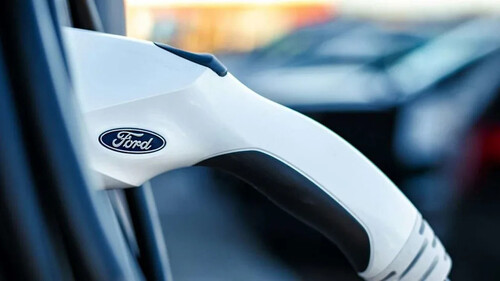
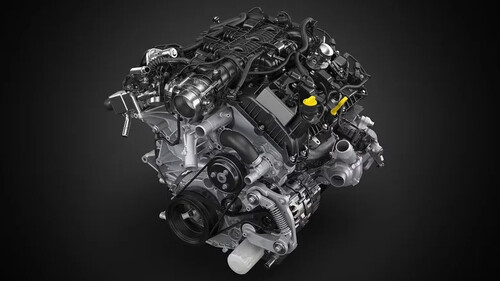
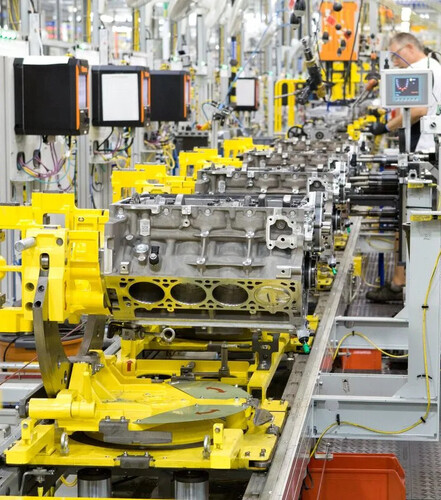
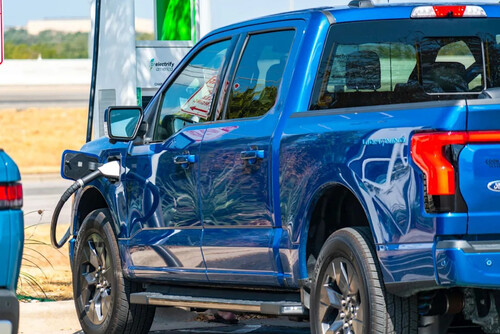
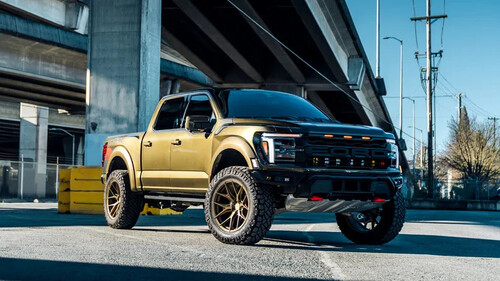
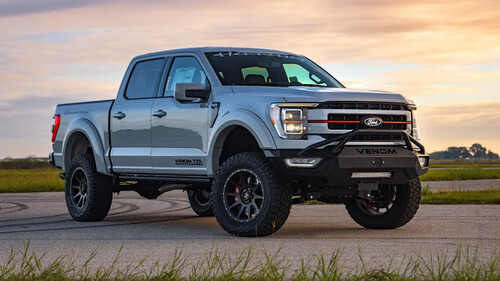
The 1990 Ford F-150 showed trucks becoming everyday vehiclesThe 1990 Ford F-150 marked a transformative moment in the world of pickup trucks, signaling a shift from purely utilitarian workhorses to versatile vehicles that could serve a variety of roles. Reflecting evolving consumer needs, this model’s design and capabilities made it a popular choice not just for work purposes but also for personal use. This transition laid the groundwork for the modern pickup truck phenomenon, where trucks are now seen as viable everyday vehicles. The Evolution of the Ford F-150 Before the 1990 model, the Ford F-150 already had a storied history. Introduced in 1975, the F-150 quickly became a staple in the pickup truck segment, known for its durability and reliability. Over the years, it underwent several iterations, each incorporating technological advancements and design improvements to meet the demands of a changing market. By the late 1980s, the automotive landscape was shifting, with consumers seeking vehicles that could serve multiple purposes. The 1990 Ford F-150 introduced several key changes that set it apart from its predecessors. It featured a more aerodynamic design, which not only improved its fuel efficiency but also gave it a more modern look. The interior was revamped to offer greater comfort and convenience, appealing to those who sought a truck that could be driven daily. These changes reflected broader trends in the automotive industry, where versatility and comfort were becoming increasingly important to consumers. Trucks in the Everyday Landscape During the early 1990s, pickup trucks began to gain popularity among non-commercial drivers. This shift was driven by a variety of factors, including the increasing suburbanization of America and a growing interest in outdoor recreational activities. The Ford F-150 played a significant role in this trend, as it offered the ruggedness of a truck with the comfort and features of a passenger vehicle. Families began to view the F-150 as a practical option for both work and leisure, leading to a surge in its popularity. Comparatively, the rise of kei cars in Japan during the same period highlighted a stark contrast in vehicle preferences across different markets. While kei cars were designed to be compact and efficient, the American market gravitated towards larger vehicles like the F-150, which offered more space and power. This divergence underscored the unique appeal of the F-150, as it catered to a growing desire for vehicles that could do it all. Design and Features of the 1990 F-150 The 1990 Ford F-150 boasted several design and feature enhancements that contributed to its versatility. The exterior design was more streamlined, reducing drag and improving fuel efficiency. This was a crucial selling point at a time when fuel economy was becoming a significant consideration for many buyers. The truck also featured a range of new color options and trim packages, allowing consumers to personalize their vehicles to better suit their tastes and needs. Inside the cabin, the 1990 F-150 offered improved seating and more intuitive controls, enhancing the driving experience. Technological advancements such as electronic fuel injection and anti-lock brakes made the truck not only more efficient but also safer for everyday use. These safety features were particularly appealing to families, who were increasingly considering the F-150 as a viable alternative to traditional family cars. Cultural Impact and Market Trends The introduction of the 1990 Ford F-150 played a significant role in changing public perception of pickup trucks. No longer seen solely as vehicles for farmers or construction workers, the F-150 became a symbol of versatility and capability. Its success helped to fuel a broader trend in the automotive industry, where trucks and SUVs began to dominate the market as consumers sought vehicles that could accommodate a variety of lifestyles. During the early 1990s, market trends showed a clear shift in consumer preferences towards vehicles that offered greater utility without sacrificing comfort. The F-150’s success led other manufacturers to re-evaluate their strategies, resulting in increased competition in the pickup truck segment. Brands like Chevrolet and Dodge introduced their own models with similar features, further solidifying the pickup truck’s place in the everyday vehicle market. Legacy of the 1990 Ford F-150 The 1990 Ford F-150 left a lasting impact on subsequent F-150 designs and the broader automotive industry. Its blend of utility and comfort set a new standard for pickup trucks, influencing the design and development of future models. This model demonstrated that a truck could be both a workhorse and a daily driver, a concept that continues to resonate with consumers today. Within Ford’s vehicle lineup, the F-150 became a flagship model, representing the brand’s commitment to innovation and adaptability. Its success paved the way for future models, including the introduction of more advanced technologies and features. The F-150’s place in automotive history is secured as a pivotal model that helped redefine what a pickup truck could be. Modern Pickup Trucks: The Continuing Trend The legacy of the 1990 Ford F-150 is evident in today’s truck market, where pickup trucks remain a popular choice for everyday drivers. The continued demand for trucks that offer both functionality and comfort reflects the enduring influence of the 1990 model. As the automotive industry moves towards sustainability, the introduction of electric pickup trucks represents the next evolution in this trend. While electric pickup trucks like the Ford F-150 Lightning are gaining attention, they face challenges such as range anxiety among consumers. Despite these hurdles, the shift towards electrification represents a significant opportunity for the pickup truck market. As manufacturers continue to innovate, the future of pickup trucks as everyday vehicles looks promising. Looking ahead, the rise of electric models and their potential impact on the market is an area of keen interest. As highlighted by a recent study, pickup trucks are increasingly becoming the first choice for everyday drivers, thanks to their versatility and improved technology. The ongoing evolution of pickup trucks, from the 1990 F-150 to the latest electric models, underscores their role in shaping the future of transportation. More from Fast Lane Only Unboxing the WWII Jeep in a Crate 15 rare Chevys collectors are quietly buying 10 underrated V8s still worth hunting down Police notice this before you even roll window down