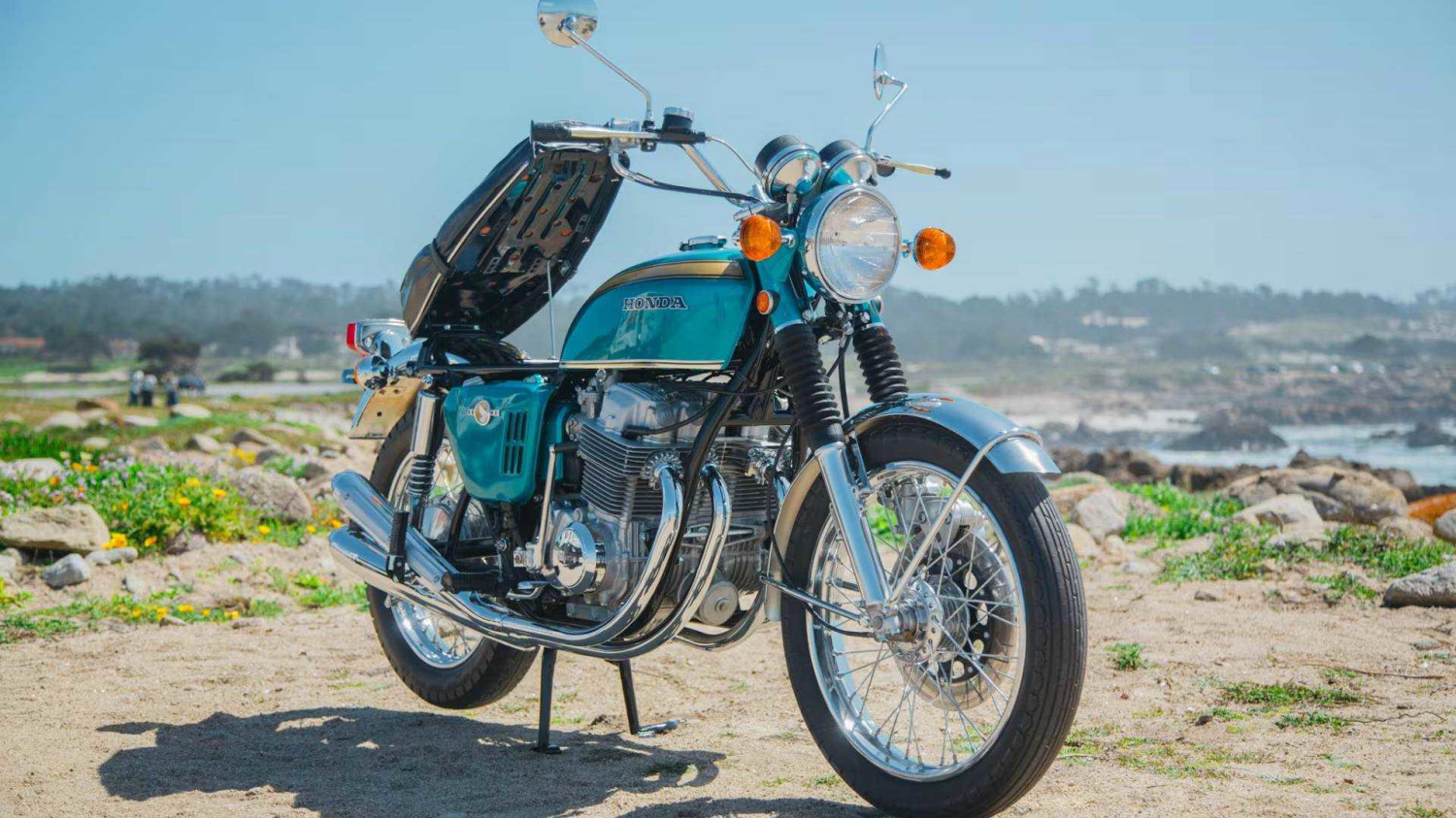
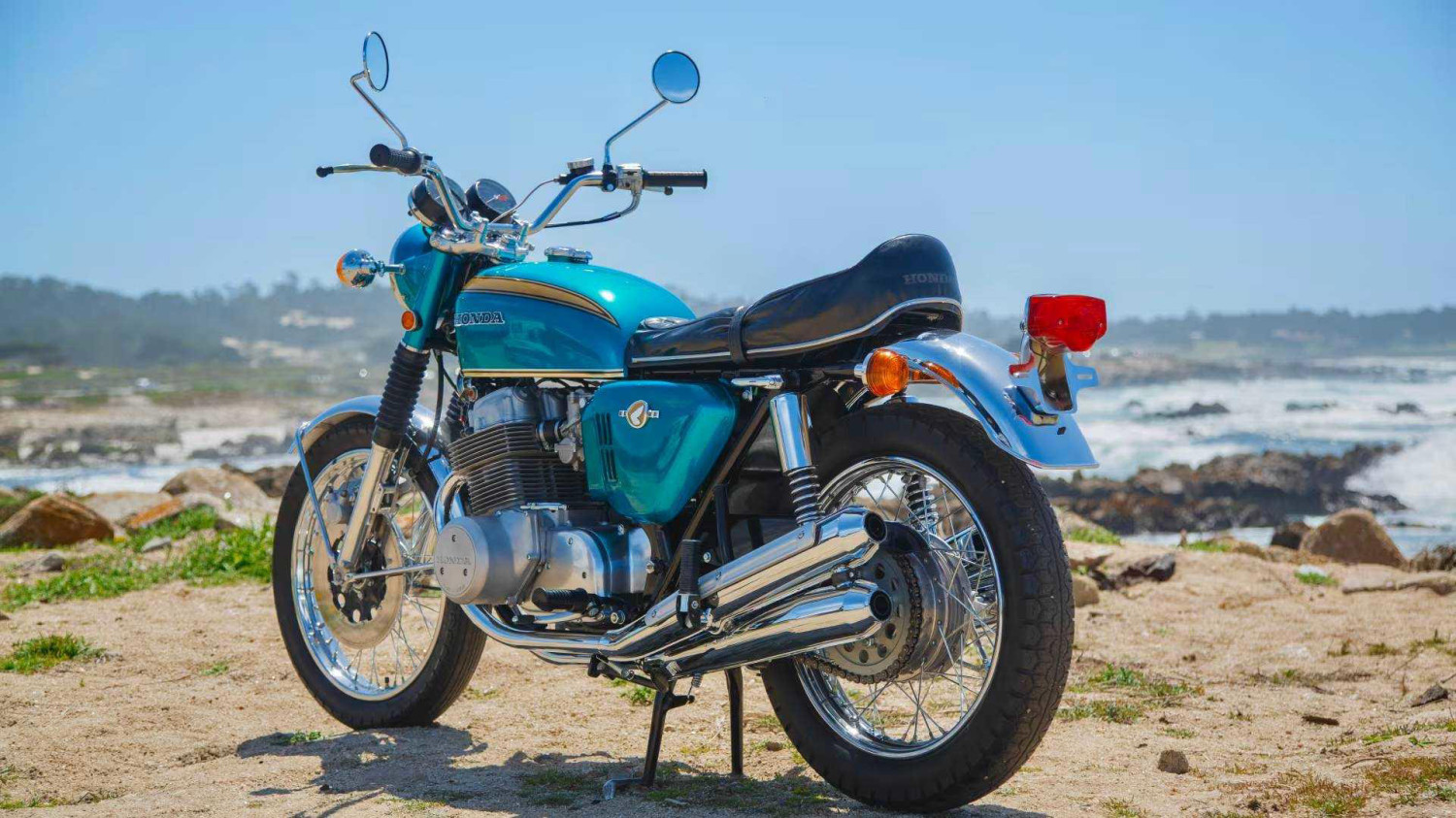


















The 1969 Honda CB750 is credited as being the world’s first superbike. With a 67-horsepower four-cylinder engine and the ability to hit a top speed of 120 mph, it's still capable of delivering massive thrills today. In fact, there’s an entire subculture dedicated to celebrating these incredible machines. Among the best wrench-slingers in the space is Vic World, and he’s built a legacy on keeping CB750 sport bikes alive. He’s done a lot over the years, but his greatest accomplishment may be finding and restoring the prototype that changed the bike world forever. That very machine just crossed the auction block at Mecum Las Vegas, selling for more than a brand-new Lambo, officially entering his work into the pages of motorcycle history. Honda CB750 Prototype Sells For Lambo Money The CB750 officially launched in 1969. A total of five pre-production bikes were built to help generate excitement for Honda’s first-ever four-cylinder motorcycle. The one that crossed the block at Mecum this past week was the very first ever built.This CB750 prototype was built in October of 1968 and delivered to the US to begin Honda’s marketing journey. World discovered the bike in the 1990s and spent more than two decades restoring it. Today, it looks as good as it did on day one, complete with all the correct experimental equipment.It’s a totally unique, hand-built machine that resembles the birth of an entire bike segment that would ultimately change the way the world looks at motorcycles. Naturally, collectors will pay big money to own it. The final sale price still blew expectations out the window. When the Gavil fell, the CB750 sold for $280,000, more than some of today’s supercars. A CB750 Loaded With Experimental Features Mecum There’s a lot that makes this bike a very special piece of motorcycle history that World was right to save. More than being the first CB built, this is actually the first-ever superbike the world had ever seen. As if that's not enough, Honda also used a lot of experimental components that make this a one-of-a-kind machine that's unlike anything that actually went into production the following model year.One of the first quirks to jump out at CB sport bike aficionados is the fact that the seat flips backward, which is unlike any production model. They might also immediately pick up on the valve cover stamping that reads “Honda” rather than “OHC 750.” More differences include the fact that the engine is physically narrower than those on production models, complete with proprietary internals, and the special carburetors that are built to share a float. Even the master cylinder is different, and the list goes on.It’s important to note that four pre-production bikes were built in 1969 for a similar campaign. The difference between them and this prototype is that they were built to showcase what buyers would actually end up with, while the prototype was more of a proof of concept that was loaded with new, untested designs. Even if a lot of the unique features would be deemed impractical and need more ironing out, they are a big part of what make this machine so incredibly special. Meticulously Restored By The CB Master Mecum Those experimental features undoubtedly presented unique challenges that World would need to overcome during his restoration of the bike. He began the project in 2002, completing it in 2024. That’s a seriously long time, especially considering we’re not talking about some greenhorn, either. World’s been restoring CB motorcycles since the 1980s. He’s among the most well-equipped specialists in the world to properly fix up these old bikes. So, the fact that it took him as long as it did to put this bike together shows just how truly unique it is.Ultimately, World pulled off a stunning restoration. The bike doesn’t just look the part with its iconic candy blue-green paint, but it actually runs, too. Suffice it to say, this is among the most important motorcycles on planet earth, and we can’t wait to see what the future holds for it.