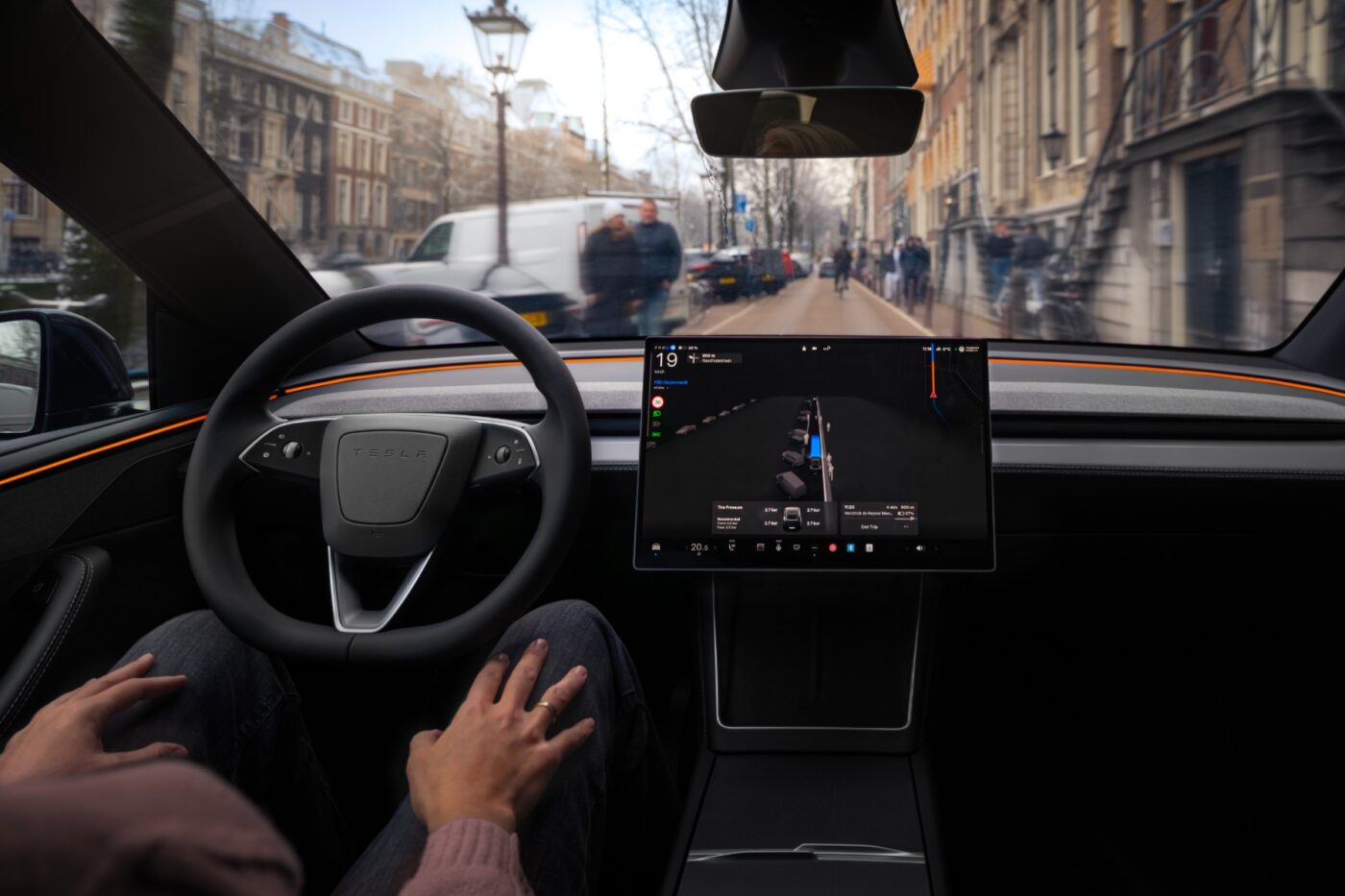
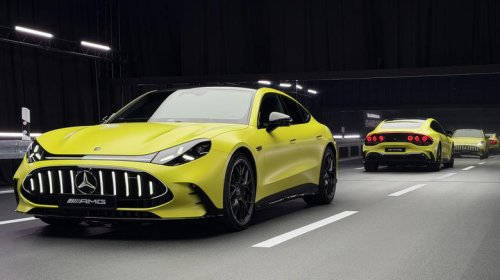
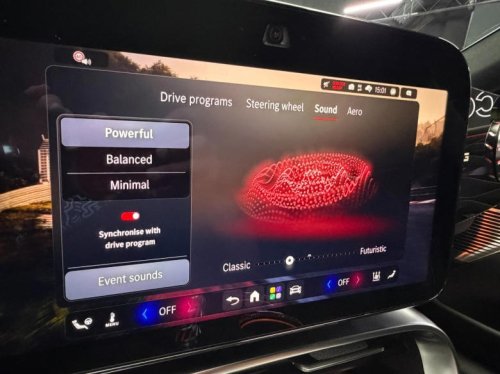
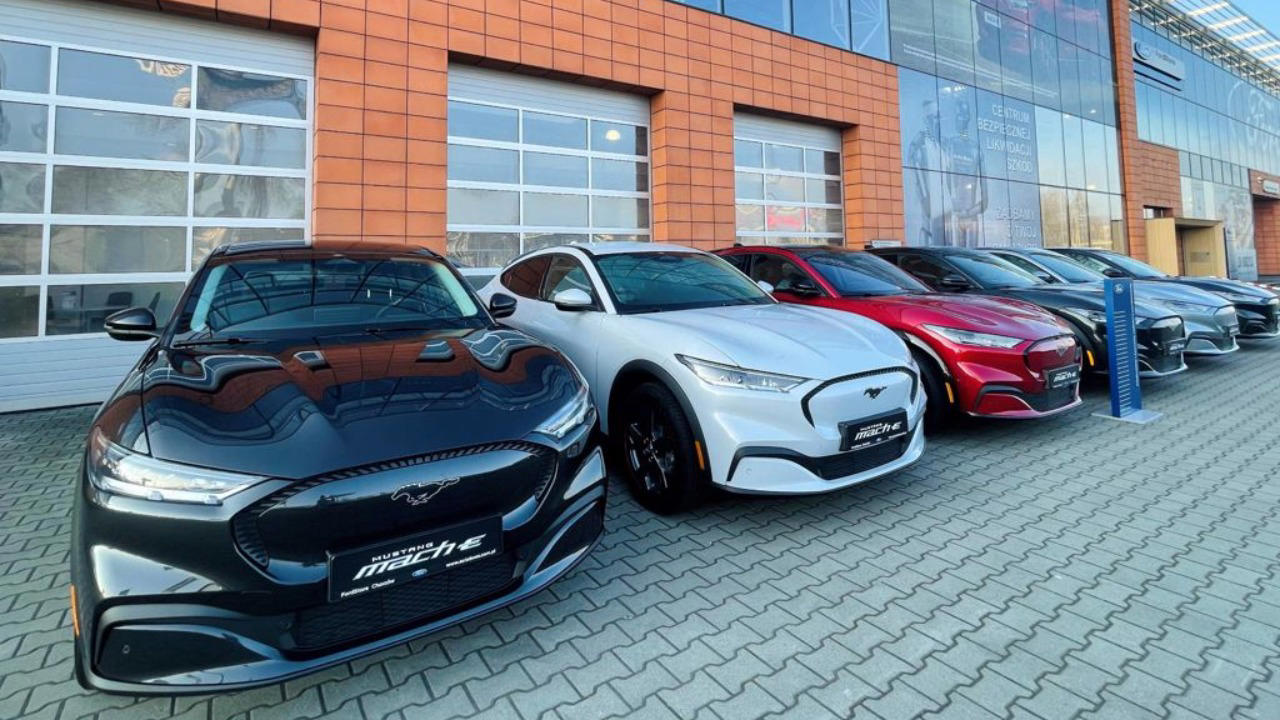
The debate over whether synthetic engine sounds ruined performanceEngine sound has long been treated as a performance metric, a kind of acoustic dyno sheet that tells drivers how hard a car is working. As digital audio and electrification spread, engine sounds are increasingly simulated rather than mechanical, sparking debate over authenticity and capability. At stake is whether these synthetic soundtracks simply change the theater of speed or whether they have quietly reshaped how performance is engineered and experienced. Automakers now face a strategic choice: tune cars to sound “right” to human ears or let the physics of efficiency and refinement dictate the noise that reaches the cabin. Purists argue that once the speakers are involved, the connection between driver and machine is diluted. Others see digital sound as another tuning tool alongside suspension settings and drive modes. The answer sits at the intersection of regulation, psychoacoustics, and hard engineering. The rise of fake soundtracks and why they exist The shift toward quieter powertrains, especially in hybrids and battery cars, has forced engineers to rethink how a fast car should sound. Electric motors and heavily muffled combustion engines generate far less mechanical drama than earlier performance icons, leaving modern cabins eerily calm at speed. To fill that silence, manufacturers now deploy pre-recorded or synthesized audio synchronized with throttle position and vehicle speed, so that fake or synthetic engine noises are played through speakers inside and outside the car to mimic the cues drivers expect from a powerful drivetrain, as described in one detailed explanation of nearly silent EVs. Regulators also require minimum external sound levels at low speeds to protect pedestrians, which further encourages digital augmentation rather than purely mechanical noise. These systems allow manufacturers to differentiate models without changing hardware. A single electric platform can be made to sound like a subdued commuter in one mode and a sporty machine in another, using what one source calls fake or synthetic that are curated as part of the brand identity. Sound designers now work alongside chassis and powertrain teams to craft acceleration “voices” in the same way stylists shape bodywork, and some companies treat these sonic signatures as intellectual property that is as guarded as engine maps. The result is a soundscape that is less a byproduct of combustion and more a deliberate product decision. How sound tuning interacts with real performance Critics assume that speaker-focused tuning neglects hardware, but the link between noise and performance is complex. Modern V8 engines, for example, have lost some of the raw edge that enthusiasts remember, not because they are weaker, but because emissions equipment, new air filters, and additional insulation have changed the way they sound, as one analysis of Modern V8s points out. The quieter exhaust note is the side effect of genuine technical progress in efficiency and refinement, not a decline in output. In that context, adding a subtle artificial overlay can be seen as restoring some of the emotional feedback that mufflers and filters removed, without undoing the gains in emissions and comfort. Engineers use sound and vibration measurement tools to map crankshaft dynamics and resonance throughout the rev range. Those measurements feed into decisions about counterweights, resonators, and active noise control, which in turn shape both performance durability and cabin sound. Exhaust components such as resonators are tuned so that the exhaust system works at peak efficiency and can reduce the sounds coming from the engine, as explained in technical guidance on your exhaust system. When digital augmentation is added on top, it usually sits at the end of a long chain of mechanical optimization, which suggests that synthetic sound is typically layered over, rather than substituted for, genuine performance engineering. Drivers, purists and the split over authenticity Among enthusiasts, few topics ignite comment sections as quickly as the discovery that a favorite performance car is piping engine noise through its speakers. One discussion framed the issue alongside other modern irritants such as fake vents and bumper-integrated exhaust finishers, arguing that these touches offend purists precisely because they are cosmetic rather than functional, a view captured in a debate that begins with the blunt phrase there are several. Not all drivers share that hostility, though. On a forum dedicated to electric vehicles, owners of a Ford Mustang Mach E and a Tesla Model Y Long Range described how optional artificial engine sounds changed their behavior, with one Mach E driver saying the subtle soundtrack made it easier to judge speed without constantly checking the speedometer, while a Tesla owner preferred to switch the system off and go back to being quiet, as recounted in a thread where Mach e owners compare settings. Manufacturers have not been blind to this split. Some brands lean hard into digital theatrics, while others publicly distance themselves from fakery to preserve a reputation for purity. One high profile example is Ferrari, which has signaled that for its first electric vehicle it will reject fake engine noise and instead focus on an authentic motor sound that reflects the real behavior of the powertrain, as reported in coverage that notes that whether you like or not, engine sounds are treated as essential to a performance car’s identity. That stance appeals to drivers who see sound as part of the mechanical truth of a car, not an overlay that can be toggled in a menu. Has synthetic sound changed what “performance” means? Beneath the debate over authenticity is a deeper shift in how performance is defined. For decades, horsepower figures dominated marketing and bench racing, yet some observers now argue that horsepower has become a distraction in a world where even family crossovers can produce more output than earlier supercars, a point made in a reflection on how horsepower has been treated as a key metric. As raw numbers lose their shock value, brands are turning to sensation, including sound, to differentiate fast models from merely quick ones. In that context, synthetic audio becomes part of the performance package, shaping how acceleration feels and how drivers perceive their own skill, even if it does not add a single kilowatt. More from Fast Lane Only Unboxing the WWII Jeep in a Crate 15 rare Chevys collectors are quietly buying 10 underrated V8s still worth hunting down Police notice this before you even roll window down