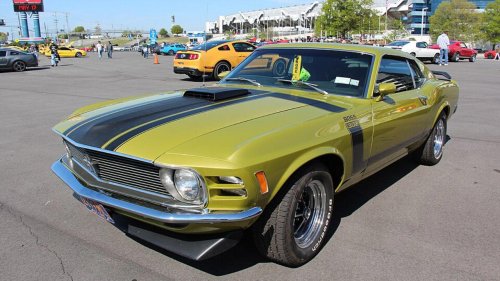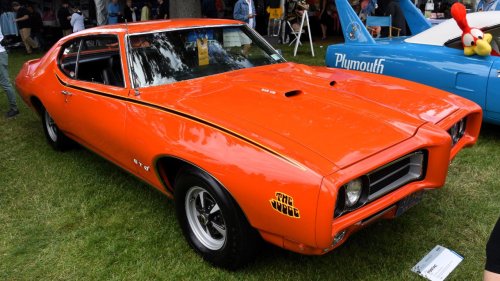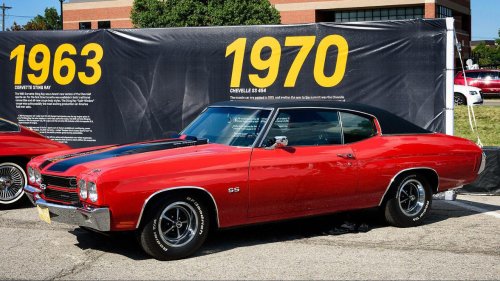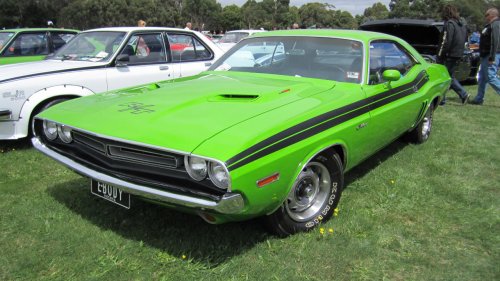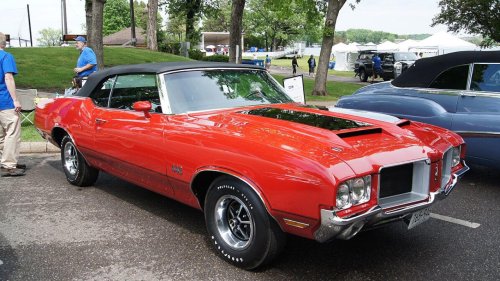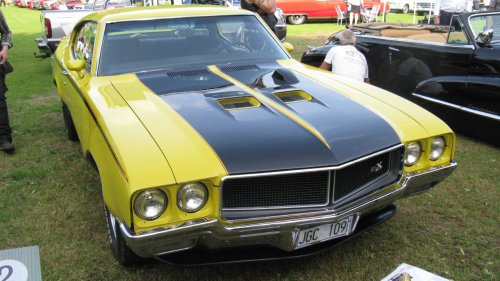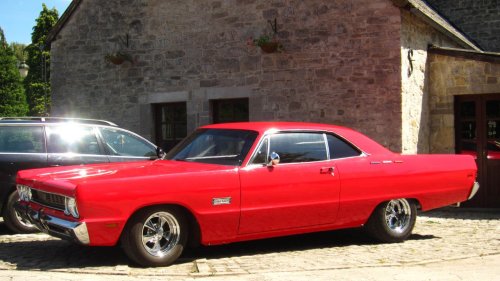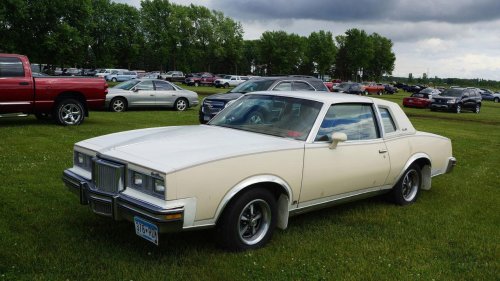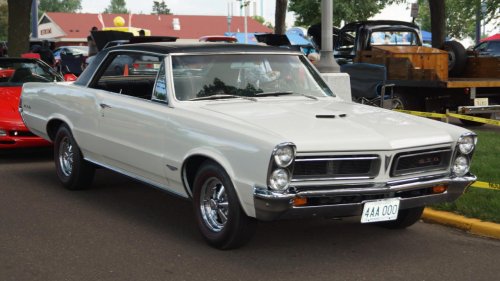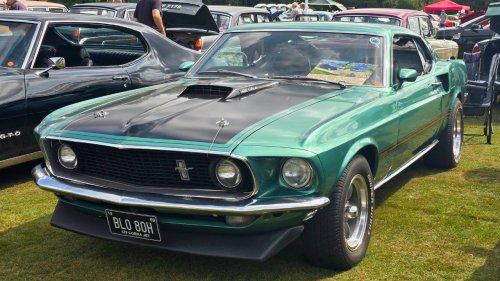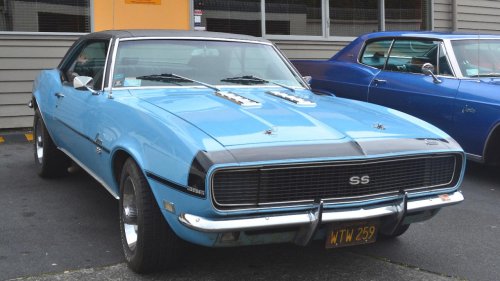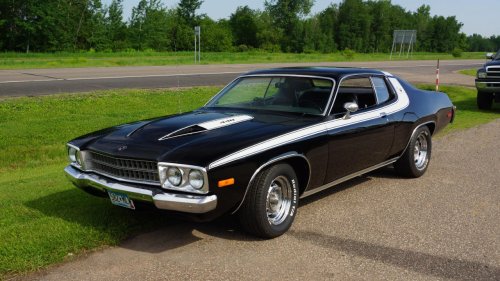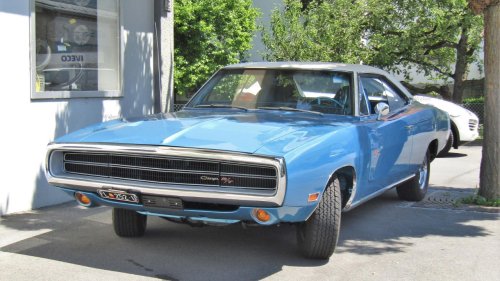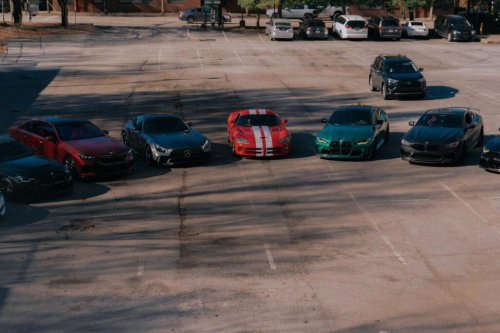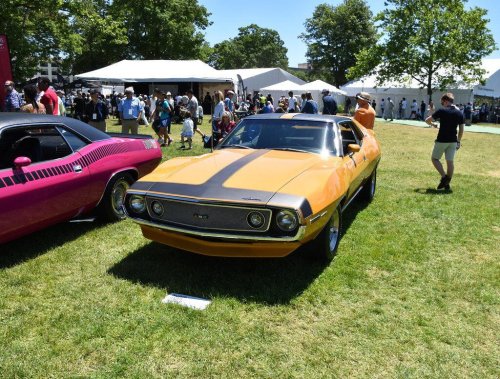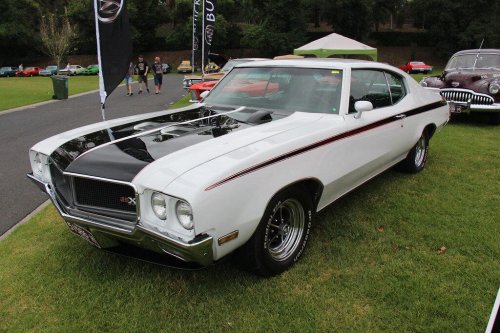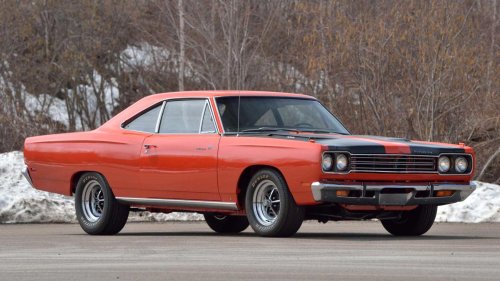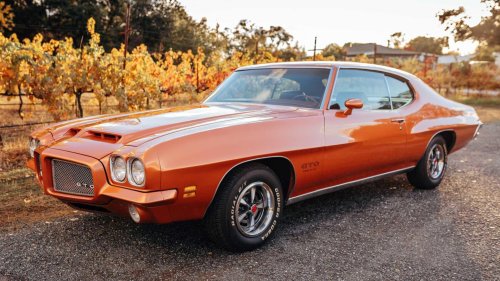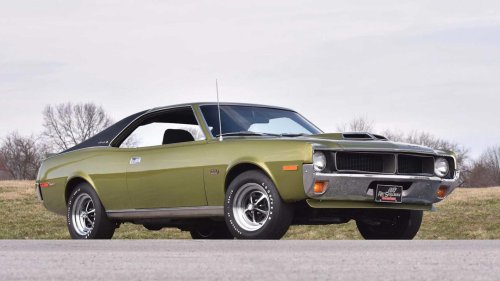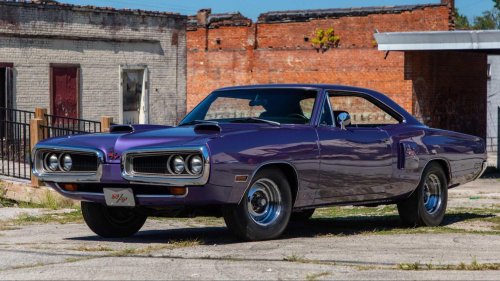



















The debate over whether classic muscle cars are overpricedClassic muscle cars occupy a strange place in the market, where childhood posters have become six-figure commodities and once-disposable street machines now trade like fine art. Whether these cars are simply expensive or genuinely overpriced sits at the center of a broader argument about nostalgia, scarcity, and shifting generational tastes. As values flatten in some corners and remain stubbornly high in others, buyers and sellers are trying to work out whether this is a bubble, a plateau, or the new normal. How the market reached its current peak The modern muscle market was built on a simple imbalance: limited surviving supply and a surge of buyers who grew up idolizing big-block Chevrolets, Mopars, and fastback Fords. Many of those cars led hard lives as daily drivers and weekend drag toys, so the pool of clean survivors shrank just as the first wave of enthusiasts reached peak earning years and began hunting for the cars they could not afford in high school. That collision of nostalgia and scarcity pushed prices higher, and today high-profile auctions such as Barrett-Jackson have turned rare Hemi and big-block cars into televised spectacles that reinforce the idea that these machines are blue-chip assets rather than aging transportation. Data from specialist market trackers shows how firmly muscle cars have embedded themselves in the collector hierarchy. According to one widely cited analysis, of all the cars sold at auction in 2024, exactly 5.3% were muscle cars, a share that reflects both their desirability and their ubiquity in auction catalogs. That same research notes that today the muscle car market is described as solid, with according to Hagerty style commentary framing these cars as a core part of the hobby rather than a speculative sideshow. Commenters on enthusiast forums regularly argue that classic and muscle cars are “way overpriced,” with one Reddit user in a January thread pointing to huge demand from older buyers who now have disposable income. Why some enthusiasts insist prices are irrational For many buyers who simply want to drive a V8 coupe on weekends, asking prices feel detached from everyday reality. Commenters on enthusiast forums regularly vent that classic and muscle cars are “way overpriced,” with one Reddit user on a thread from Jan opening with a blunt “Damn right hahahaha!” before pointing to Huge demand from older buyers who now have money to spend. A widely shared video from August titled “Why You Can’t Afford a New Muscle Car Today” argues that inflation, safety and emissions technology, and the shift toward high-margin performance trims have pushed modern muscle beyond the reach of average enthusiasts, who would need significantly higher wages to comfortably afford the performance versions they prefer. Affordability concerns are not limited to vintage iron. A widely shared video from Aug titled “Why You Can’t Afford A New Muscle Car Today” argues that inflation, safety and emissions technology, and the shift toward high-margin performance trims have pushed modern muscle beyond the reach of average enthusiasts, who would need to be making the equivalent of probably far higher wages to comfortably buy the performance versions that enthusiasts actually want. The creator behind that video on YouTube frames the issue as a structural problem rather than simple greed, pointing out that standard features such as advanced electronics, multi-speaker audio, and complex drivetrains have turned every new car into a rolling computer. When those realities are contrasted with memories of cheap 1960s and 1970s muscle, it is easy for shoppers to conclude that both old and new performance cars are priced beyond reason. Demographics, aging fans, and the “overpriced” label The most persistent bearish argument is that muscle car prices are artificially high because they are still anchored to Baby Boomer and Gen X nostalgia, and that values will slide as those cohorts age out of the market. Enthusiast discussions on platforms such as Facebook and Reddit frequently raise this point, with one December comment in a classic Mustang community stating, “There is a sense that the market has probably peaked, largely for the age demographic reasons mentioned above, even if there are still younger fans who want these cars for fun rather than winning awards.” At the same time, another Mustang thread from December counters that “everything gets forgotten given enough time,” but adds that values are unlikely to crash significantly given the rarity of some of these cars and the way scarcity supports prices regardless of generational fashion. Historical precedent cuts both ways. In parallel, guides aimed at Mustang investors explicitly state that first-generation Shelbys and big-block fastbacks are expected to continue appreciating. One December piece, subtitled “The Bottom Line on Classic Mustang Investing,” argues that these models will continue to rise in value, reinforcing the idea that the rarest muscle machines may be permanently repriced rather than overpriced. That argument suggests that once a car makes the transition to “collector” status, as many muscle cars have, it can retain high values even when the first generation of fans fades. The same post notes that Duesenbergs and Bentleys have survived multiple demographic cycles, hinting that well documented Hemi cars, big-block Chevelles, and rare first-gen Shelbys and similar icons might follow a comparable path. In parallel, guides aimed at Mustang investors explicitly state that first-gen Shelbys and big-block fastbacks are expected to continue to appreciate, with one Dec piece subtitled The Bottom Line on Classic Mustang Investing Look, first-gen Shelbys and big-block fastbacks are going to continue to appreciate in value, which reinforces the idea that at least the rarest muscle machines may not be overpriced so much as permanently repriced. Is the correction an opportunity or a warning? Recent market behavior suggests that the frenzy has cooled, even if it has not collapsed. One analysis of high-end collector vehicles reports that a Blue Chip index of elite classics had outperformed the S&P 500 stock benchmark for years, but that only in the past few months has this trend reversed, indicating that the hottest segment of the hobby is now merely keeping pace or lagging behind equities. Another study on the broader collector arena describes the market as now flat, with transaction volumes and prices stabilizing after a long run-up. Commentators who track these trends argue that muscle cars fall within this cooling pattern, with some mainstream models softening while the most desirable specifications continue to command strong prices at major auctions. More from Fast Lane Only Unboxing the WWII Jeep in a Crate 15 rare Chevys collectors are quietly buying 10 underrated V8s still worth hunting down Police notice this before you even roll window down