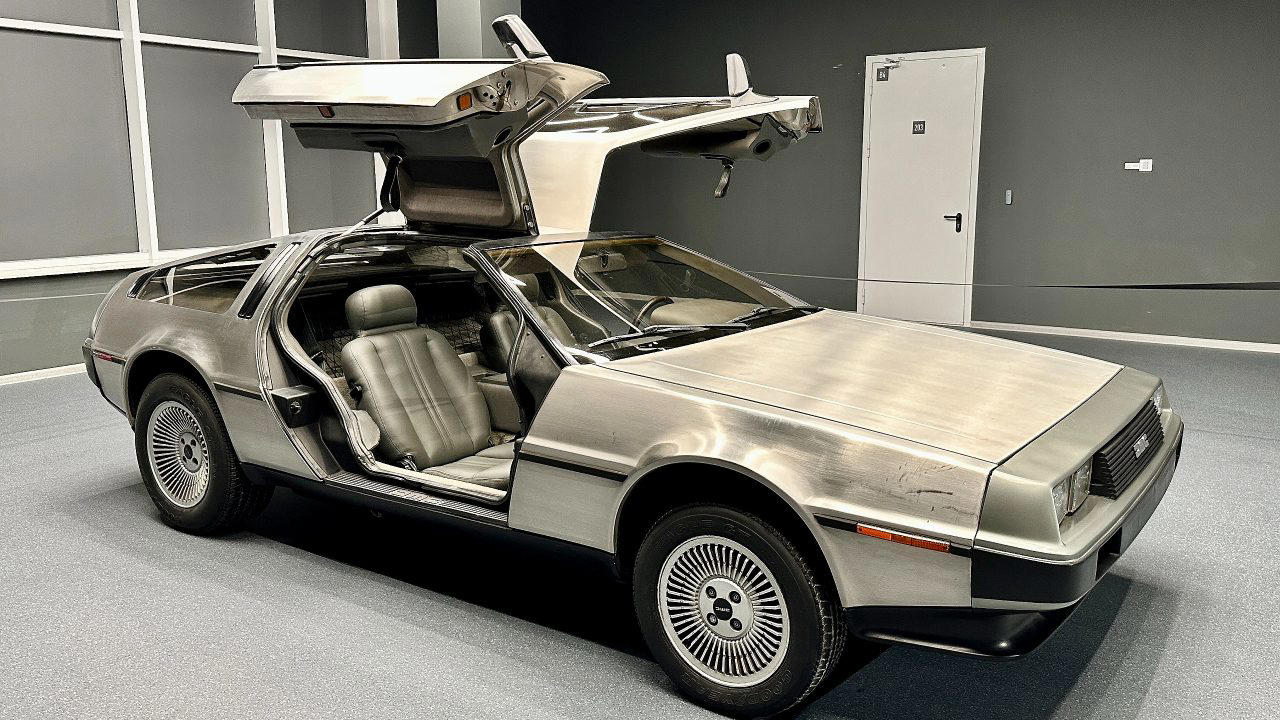
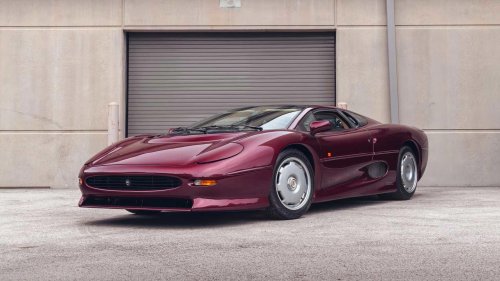
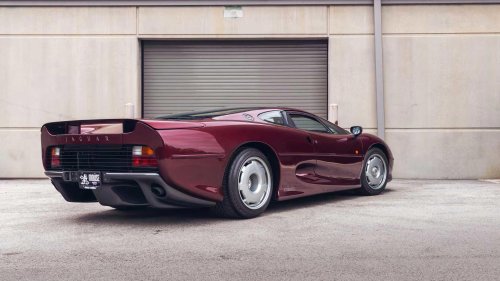
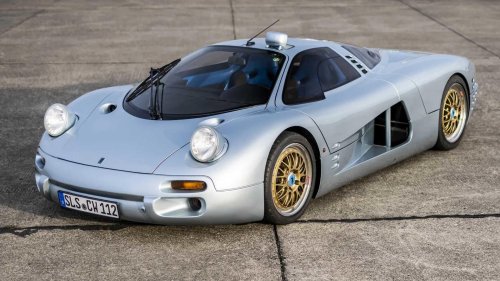
Supercars live and die on design. One inspired line can turn a fast car into a poster icon, while a single bad decision can haunt it forever, dragging performance legends into the realm of punchline. I have watched more than a few dream machines stumble at the last hurdle, not because the engineering failed, but because one styling or concept choice poisoned the whole package. Here are the supercars and near-supercars that, in my view, were kneecapped by one fateful design call, from compromised powertrains to safety gear that wrecked the look, all backed by how these cars have been remembered, criticized, and, in some cases, quietly redeemed. Plymouth Prowler: The bumper that broke the hot rod fantasy The Plymouth Prowler should have been a modern super-roadster, a factory-built hot rod that looked like it had rumbled straight out of a custom shop. The proportions were wild, the open front wheels were pure show-car theater, and the whole thing felt like Detroit finally letting its hair down. Then I look at the front end and see the one decision that shattered the illusion: those huge, awkward bumpers that sit like an afterthought on an otherwise sleek nose. On paper, the Prowler was “on the verge of greatness,” but even sympathetic retrospectives single out “The Bumper” as the styling element that dragged it down. The car’s retro hot rod stance was supposed to be all about clean, flowing fenders and exposed suspension, yet the mandated crash structure was executed as a pair of ungainly pods that visually widened and cheapened the front. Instead of integrating protection into the bodywork, Plymouth bolted on a solution that critics have described as one of the car’s “ugly styling elements,” a choice that helped turn what could have been a timeless halo car into a cult curiosity rather than a true design classic. Jaguar XJ220: From promised V12 hero to V6 controversy Few supercars have been defined so completely by a single design pivot as the Jaguar XJ220. The original concept was sold as a 220 mph, all-wheel-drive monster with a V12, the sort of specification that instantly lodges itself in enthusiasts’ imaginations. When I look at the production car, I still see one of the sleekest shapes of its era, but I also see the shadow of that broken promise, because the decision to swap the heart of the car for a twin-turbo V6 and rear-wheel drive rewrote its legacy overnight. Buyers had been led to expect a V12 masterpiece, and reports on the XJ220’s history underline how the eventual V6 layout “angered buyers” who had signed up for something very different. Another detailed look at the car’s story notes that “initial plans envisioned an AWD car powered by a V-12, but the production car ended up with a twin-turbo V-6 spinning the rear wheels,” a change that still fuels debate over whether the XJ220 is an “analog supercar icon, or major disappointment.” Even though the finished car briefly claimed the title of world’s fastest street car and set an unofficial Nürburgring lap record, that single engineering decision, to abandon the V12 concept, turned what should have been an unqualified triumph into a case study in how shifting the core powertrain can overshadow even record-breaking performance. DeLorean DMC-12: Stainless style trapped in a design cul-de-sac Image Credit: Vyacheslav Bukharov, via Wikimedia Commons, CC BY-SA 4.0 The DeLorean DMC-12 is one of the most recognizable shapes in automotive history, a wedge of brushed stainless steel with gullwing doors that still stops people in their tracks. Yet when I strip away the movie mythology and look at it as a supercar hopeful, I see a design that boxed itself in. The commitment to unpainted stainless panels and that specific wedge profile created a visual identity so rigid that the car became, in the words of one detailed retrospective, a “design cul-de-sac, never to be returned to.” Unlike its “step-cousin” the Esprit, which evolved through multiple iterations, the DMC-12’s core styling left almost no room for meaningful development. The stainless skin was heavy, difficult to repair, and visually unforgiving, while the proportions locked the car into a narrow band of possible updates. That same analysis points out that the early demise of DMC meant the car never got the iterative refinements the Esprit enjoyed, but the deeper issue is that the original design language was so specific that it resisted evolution. One bold decision, to make the body a permanent, unpainted statement, helped turn the DMC-12 into an icon, but it also trapped it in a moment in time and kept it from maturing into the true supercar contender its looks promised. When “almost beautiful” becomes unforgettable for the wrong reason Looking across these cars, I keep coming back to how often a single visual or conceptual choice can tip a design from “almost beautiful” into something that enthusiasts remember for its flaws. Analyses of flawed but fascinating models talk about manufacturers that “managed to ruin an almost beautiful car,” and the pattern is painfully clear. The Plymouth Prowler’s bolt-on bumper treatment, for instance, is cited as the detail that derailed a retro hot rod that otherwise had the stance and attitude to be a modern classic. It is not that the rest of the car was perfect, but that one glaring misstep became the shorthand for the whole project. The same dynamic plays out in broader discussions of the “Worst Car Ever When” enthusiasts and critics weigh aesthetics alongside engineering. A car can have solid fundamentals, yet a single awkward line, a mismatched safety feature, or a compromised powertrain choice can dominate its reputation. In the Prowler’s case, the bumper is the visual sore thumb. For the Jaguar XJ220, the V6 swap is the conceptual betrayal. For the DeLorean DMC-12, the stainless cul-de-sac is the design trap. Each example shows how one decision, made in a boardroom or a design studio, can echo for decades in how these machines are judged, collected, and loved. Flops, cult heroes, and the thin line between them What fascinates me most is how these “ruined” supercars often live double lives, dismissed as flops in period yet cherished as cult heroes later. A look at notorious failures notes how some high-profile projects, including ambitious efforts from Jaguar, ended up remembered more as disappointments than as the technological showcases they were meant to be. One overview of “cars that totally flopped” points out that for some enthusiasts, the Jaguar XJ220 is best known as a digital star on the Commodore Amiga rather than as the real-world halo car it was supposed to be, a telling sign of how far expectations and reality diverged. Yet the same XJ220 is now celebrated in museum collections and enthusiast circles for its “sleek styling” and status as a “modern classic that can be desired for its exterior design alone,” even as debates continue over whether it is an icon or a letdown. The DeLorean DMC-12, frozen in its stainless cul-de-sac, has followed a similar arc, from commercial failure to pop-culture legend. Even the Plymouth Prowler, with its much-maligned bumper, has found fans who appreciate its audacity despite the compromised front end. These cars prove that a single design decision can derail a supercar’s original mission, but they also show how time, nostalgia, and a bit of distance can turn those same missteps into the quirks that make them irresistible to a new generation of enthusiasts.