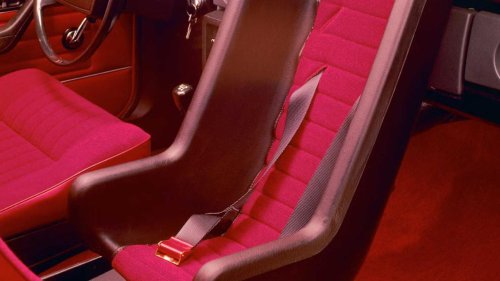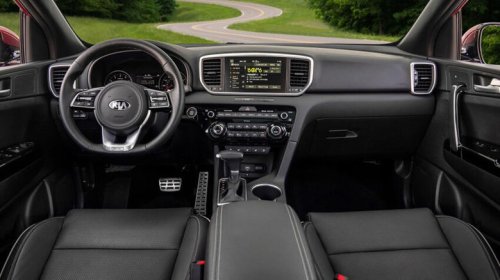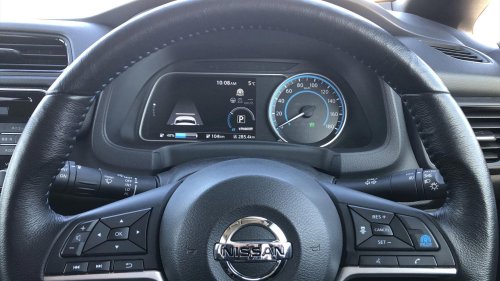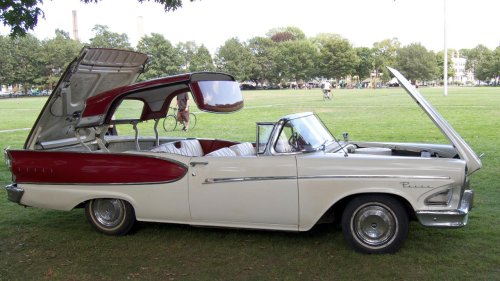
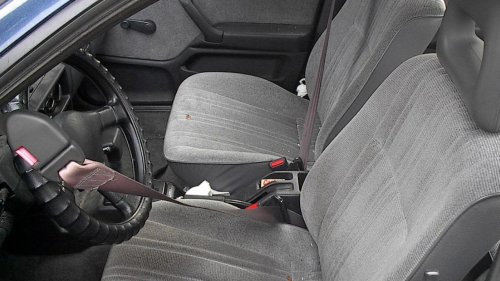


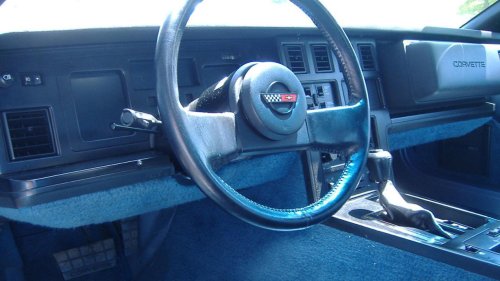


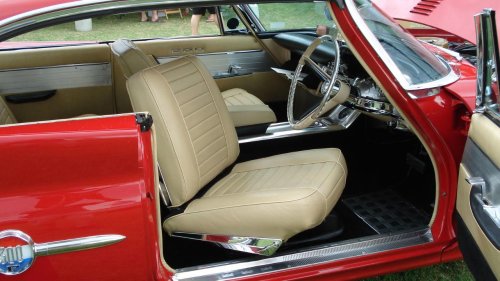
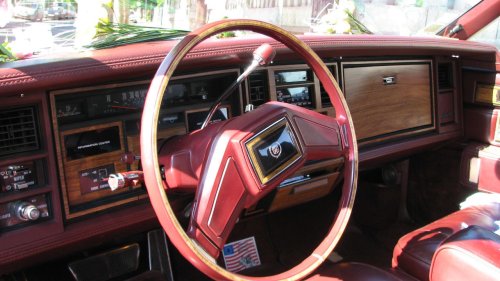
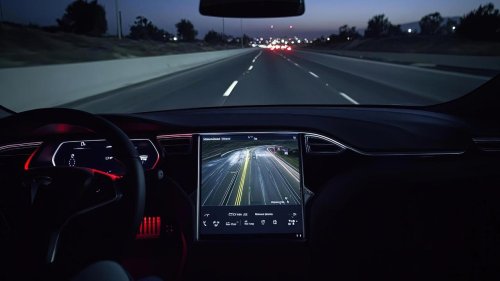



















In the ever-evolving world of automotive technology, some features that once seemed cutting-edge ended up as missteps. While they promised innovation and convenience, these features ultimately fell short of expectations. Here are ten automotive innovations that, despite initial excitement, didn’t quite make the grade.Automatic SeatbeltsAutomatic seatbelts were introduced with the intention of enhancing safety by ensuring drivers and passengers were buckled up without any effort. They were particularly prevalent in the late 1980s and early 1990s. However, these “genius” belts quickly became a source of frustration. Many users found them uncomfortable and inconvenient, especially when the motorized mechanism malfunctioned. Models like the 1991 Ford Escort and the 1993 Toyota Corolla featured these seatbelts, but the annoyance they caused outweighed any perceived safety benefits.Car PhonesThere was a time when having a car phone was the ultimate status symbol. In the 1980s and early 1990s, vehicles like the BMW 7 Series and the Cadillac DeVille boasted built-in phones. Yet, as mobile phone technology advanced rapidly, in-car phones quickly became obsolete. The large, clunky devices were expensive and limited in functionality compared to modern smartphones. They failed to keep up with the convenience and versatility of portable cellular devices, leading to their eventual disappearance from vehicles.Pop-Up HeadlightsPop-up headlights were once a hallmark of sports cars and sleek designs, featured in models like the Mazda RX-7 and the Chevrolet Corvette. While they looked futuristic and added a unique flair, their practicality was questionable. Over time, they proved to be aerodynamically inefficient and prone to mechanical failure. As safety regulations evolved, the need for more robust lighting solutions rendered pop-up headlights impractical, leading manufacturers to phase them out in favor of fixed designs.Digital DashboardsIn the 1980s, digital dashboards were seen as the wave of the future, offering a high-tech look with digital readouts and flashy displays. Vehicles like the 1984 Corvette and the 1986 Nissan 300ZX embraced this technology. However, these dashboards often suffered from visibility issues, especially in bright sunlight, and were prone to malfunction. The limited technology of the time couldn’t match the reliability and clarity of analog gauges, leading to a decline in their popularity.Retractable HardtopsRetractable hardtops offered the allure of a convertible with the security and comfort of a coupe. While models like the Mercedes-Benz SLK and the Mitsubishi Eclipse Spyder attempted to capture this market, the concept didn’t catch on as expected. The complex mechanisms were costly, reduced trunk space, and added significant weight to the vehicles. These drawbacks, combined with advances in soft-top materials, led to the decline of retractable hardtops in favor of more traditional convertible designs.Voice-Activated ControlsVoice-activated controls were heralded as a hands-free solution for drivers, promising to enhance convenience and safety. Early systems, such as those in the 2004 Acura TL, struggled with recognition accuracy and limited command functionality. The frustration of repeating commands multiple times led many drivers to abandon the feature entirely. While modern systems have improved significantly, early implementations failed to deliver on their promise and were often seen as more hassle than help.Swiveling SeatsSwiveling seats aimed to make vehicle entry and exit more convenient, especially in cars like the Chrysler Turbine and the AMC Pacer. While the concept was innovative, the execution left much to be desired. The additional weight and complexity added to the vehicles were not justified by the marginal convenience gained. As vehicle design evolved to prioritize safety and space efficiency, the swiveling seat concept fell out of favor and is rarely seen in modern cars.In-Car Fax MachinesIn-car fax machines were introduced in the late 1980s as a way for business professionals to stay connected while on the road. Models like the 1988 Cadillac Seville offered this feature, but it quickly became apparent that the cumbersome technology was ill-suited for automotive use. The advent of mobile phones and later, internet-connected devices, rendered in-car fax machines obsolete almost as soon as they were introduced, marking them as one of the more impractical innovations in automotive history.Night Vision SystemsNight vision systems were designed to enhance driver visibility in low-light conditions, with luxury brands like BMW and Mercedes-Benz incorporating them into their high-end models. However, the high cost and limited real-world application made them less appealing to the average consumer. Many drivers found the systems to be more of a novelty than a necessity, and with advancements in standard headlight technology, night vision systems never gained widespread acceptance.