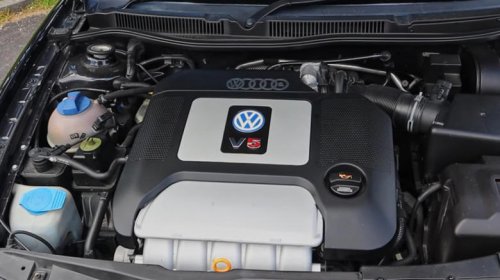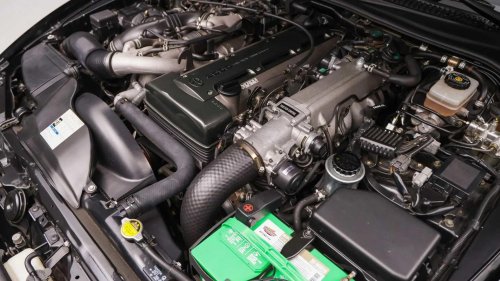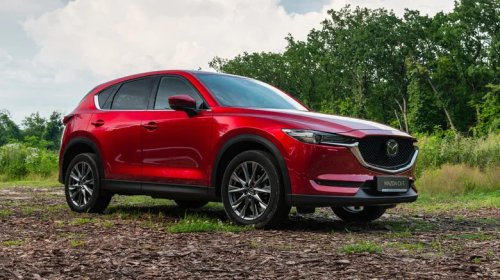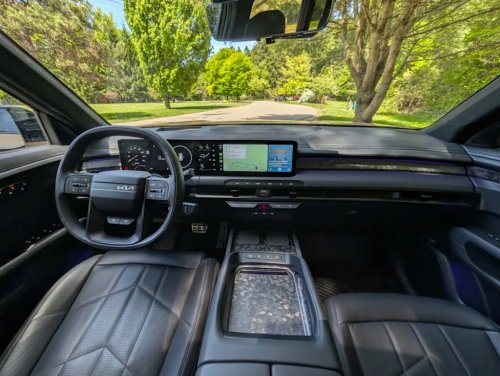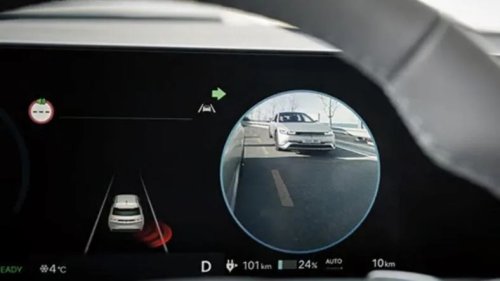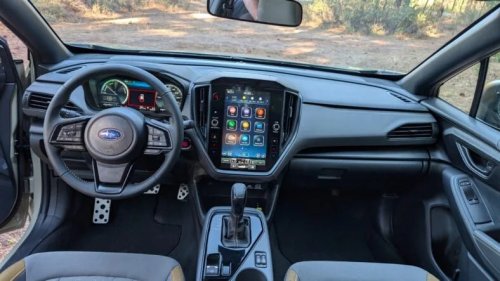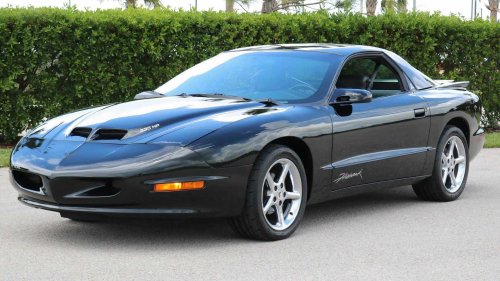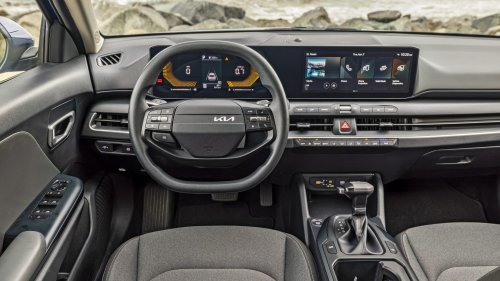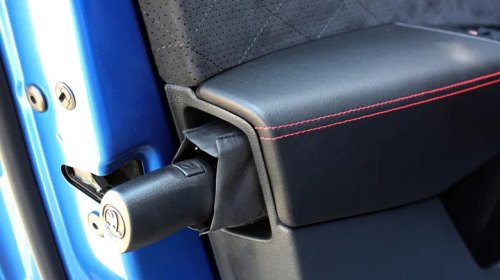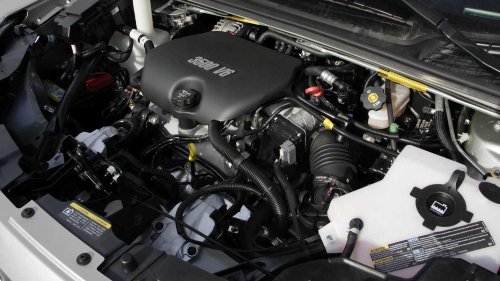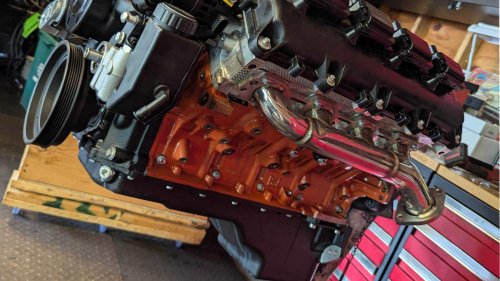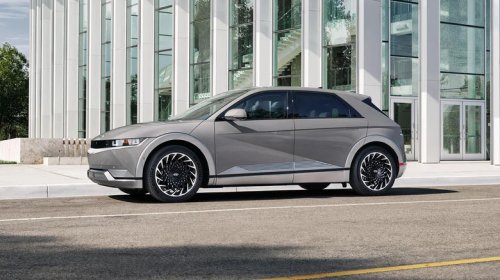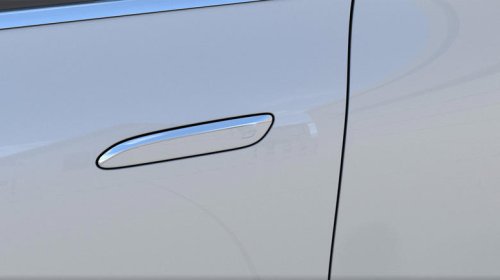
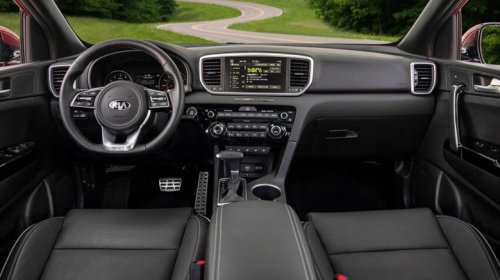
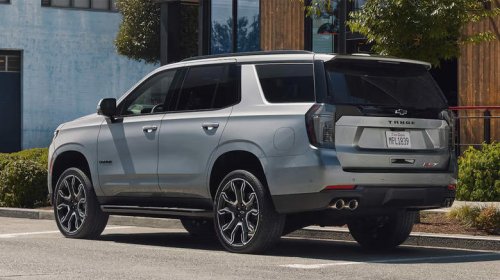
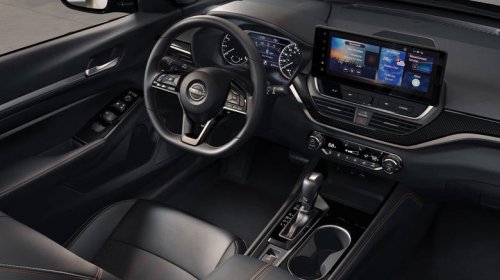



















Hidden door handlesHidden door handles aren't as common as some other features, but Tesla helped kickstart the trend and it's spread like the plague. They can work in various ways depending on their implementation. For Tesla, you press on one side of the door handle to pop it out and then you can open the car door. Mercedes-Benz has a fairly fancy design that automatically opens the door when it senses your approach. We get the appeal — it looks cool and makes the car look sleeker. However, it can also cause quite a lot of problems. For starters, they are a pain to troubleshoot when they malfunction. Mercedes-Benz has a how-to video on if this happens and their best solution is to basically wedge something behind the door handle and pry it open. Hidden handles also have a tendency to freeze over during ice and snow conditions, leading frustrated people to carve their way into their car, assuming the handle itself isn't frozen. To be fair, some automakers like Tesla have solutions for this, but they're not obvious unless you know where to look. Sure, none of these problems are so serious as to cause safety concerns, but they are annoying, and since this feature tends to only surface on the most expensive vehicles, it's an annoyance you're paying extra to get. They're definitely a better fit for people who live in warmer climates that don't get a lot of ice, but us northerners should probably stick to normal door handles for now. Piano gloss black plastic interiorsOkay, so this one is more of an aesthetic design choice and not necessarily a feature. It is a design that people tend to pay more to get, though. For example, the Kia Sportage included piano gloss black plastic on the higher trims of its fourth-generation models. I know this from experience because I owned lower trim model, which included soft touch plastics while my wife got a top-end SX Turbo trim, which has piano black plastic. Regardless of where it came from, it's one of the worst interior design choices in the automotive industry. At first, the sharp black contrast can look quite nice. Give it some time, though, and it'll eventually wind up looking smudged, worn, and ugly. Among the various materials that automakers use for interior decoration, none of them age quite as terribly as glossy black plastic. It scratches just by looking at it and it's supremely obvious when it starts to cake with dust. Unless you have a soft, low-abrasion cloth handy at all times, it's very difficult to keep glossy black plastic looking clean or new. For the most part, consumers agree that glossy black plastic has only one purpose and that's to look nice on a brightly lit showroom floor. Kia removed it entirely from its EV9 and has used it noticeably less on some other vehicles as well. Hopefully other automakers follow suit so that the trend finally dies. Cylinder deactivationCylinder deactivation — also known as variable displacement — is a technology that many modern car engines possess. The premise is pretty simple and, honestly, pretty cool. The idea is that the engine uses all of its cylinders when it needs the power, like during acceleration. Once you reach cruising speed, the engine deactivates a couple of its cylinders so that it consumes less fuel. As a "best of both worlds" type of solution, it's a neat idea on paper. Real world implementation, however, has left a little to be desired. For starters, variable displacement engines tend to be less reliable than engines without this feature. The extra mechanical and electrical systems involved to turn off part of an engine add complexity, which means more moving parts to break. In addition, it has been observed that cylinder deactivation causes high oil consumption, which isn't good for an engine long-term. So, yes, you do get around 7.5% better fuel economy per the U.S. Department of Energy, but what you save at the pump may be spent on repairs.The issues don't reduce with price, either. Mercedes-Benz recalled 26,200 of its sedans in 2024 due to cylinder deactivation issues. The Mazda 3, 6, and CX-5 were recalled for the same reason. Even reliability mainstays like Honda have had cylinder deactivation lawsuits. It's difficult to avoid these days but you should know what you're getting into if you get one. CVT transmissions with paddle shiftersPaddle shifters are becoming more and more common on automatic vehicles as a way to give partial control back to drivers in the increasing absence of manual transmissions. It's a feature you commonly see in race cars like Formula 1 and others. Instead of taking your hand off the wheel and shifting gears, you simply upshift and downshift using the right and left paddles tucked behind your steering wheel. They're useful in an automatic transmission car, especially for engine braking.Automakers have also begun fitting paddle shifters in vehicles with CVTs. This feels counterintuitive because CVTs don't have gears to shift into. Instead, automakers fake it by making shift points at specific gear ratios. Thus, when you "upshift" in a CVT, it forces the transmission into that particular gear ratio. The premise is weird because CVTs are supposed to be able to variably change their ratios. That is, after all, what the "CV" part stands for — continuously variable. It seems silly to force a transmission with a nearly endless supply of gear ratios to set points just to emulate a different type of transmission. There are valid reasons for having them. You can still use them to engine brake, for example. However, having paddle shifters functionally removes the reasons to own a CVT, which is the improved fuel economy and being able to avoid those jerky shifts of an automatic transmission. So, they can be useful, but not useful enough to specifically shop for this feature.