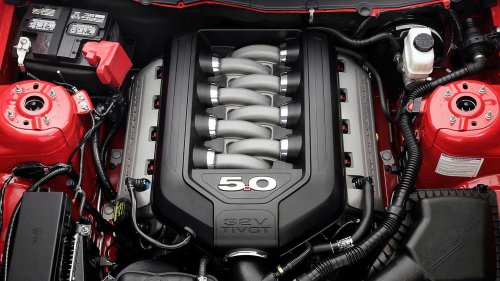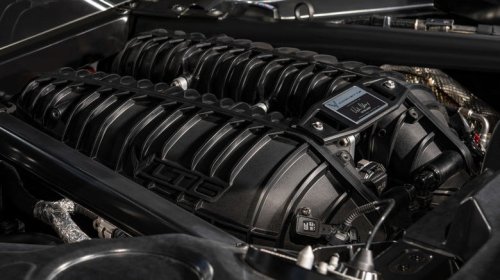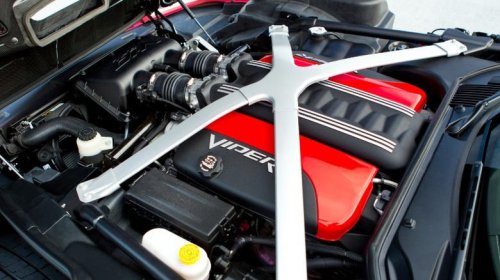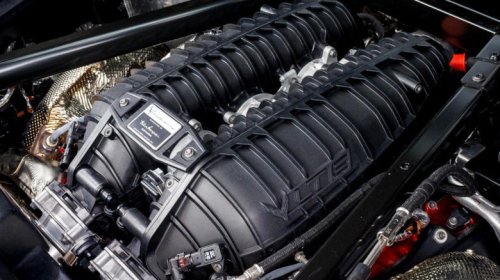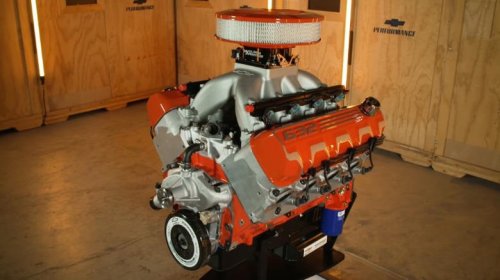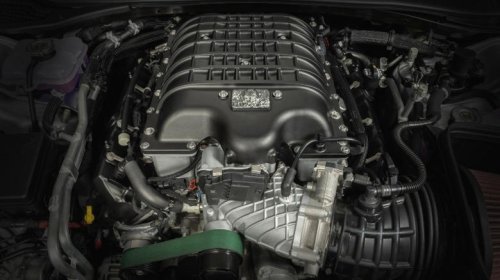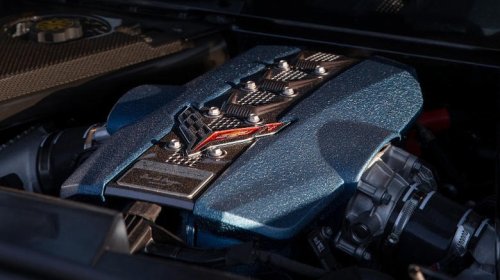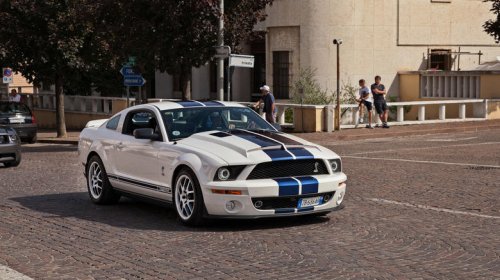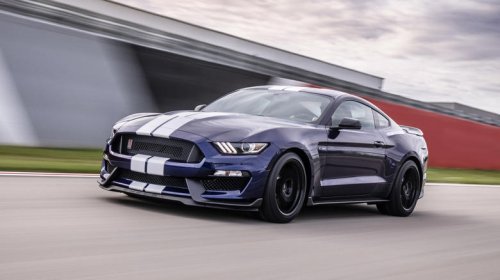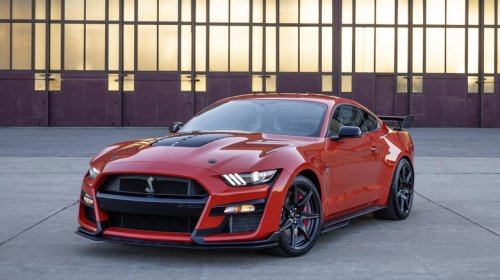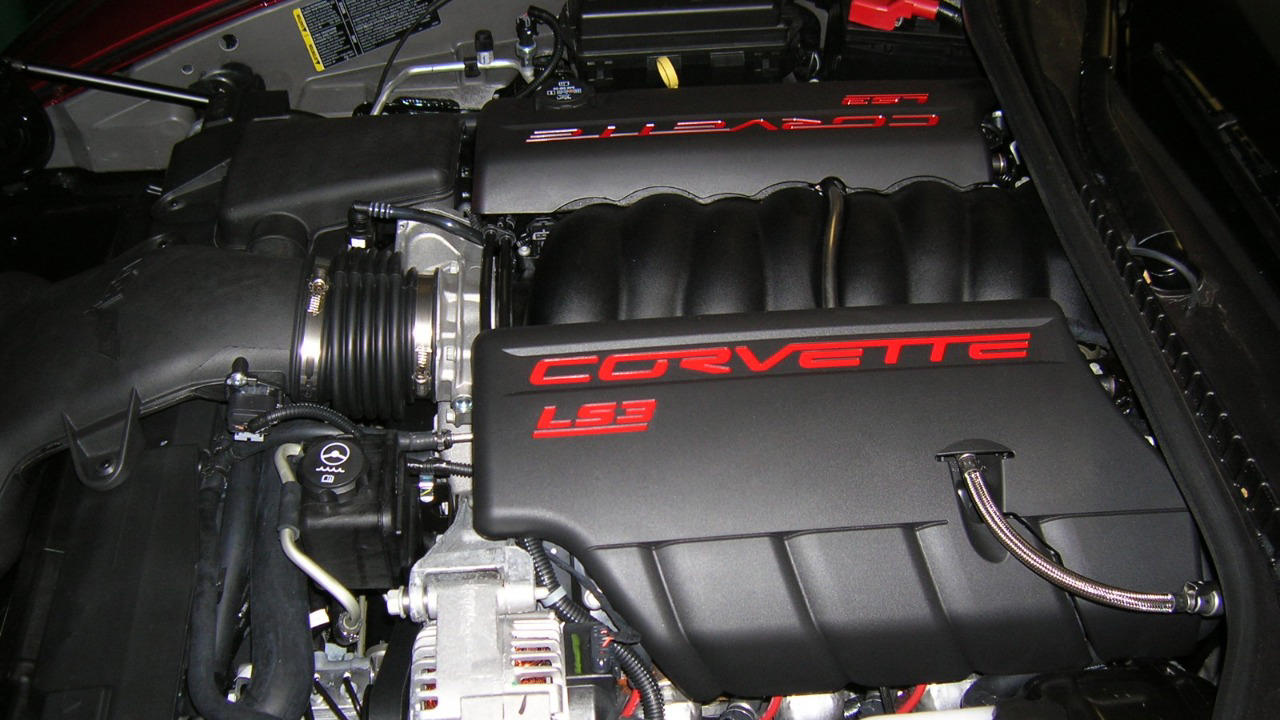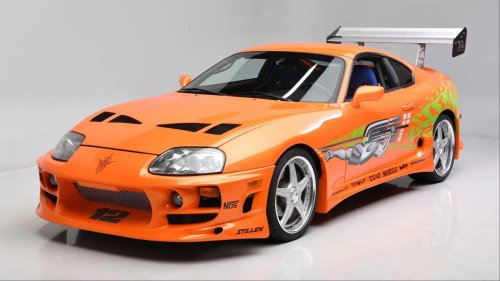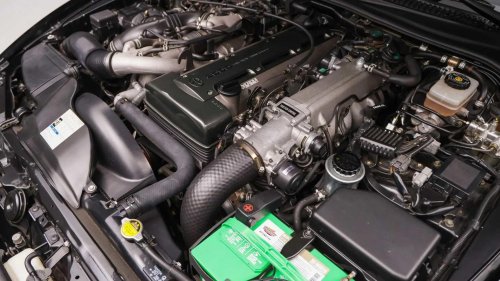
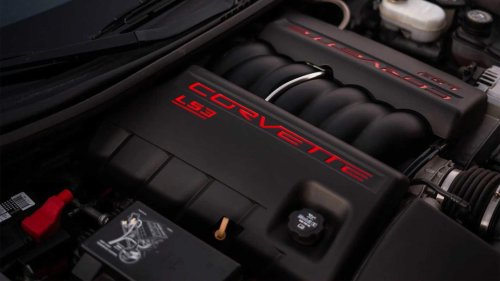
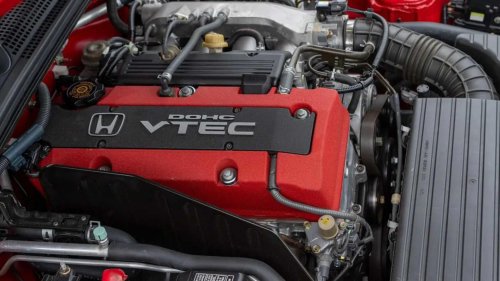
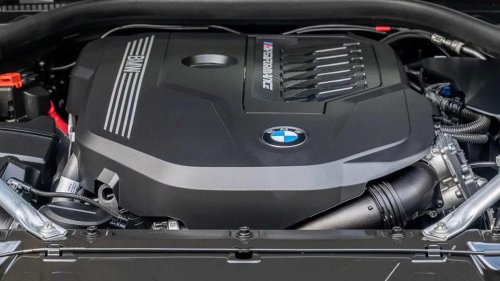
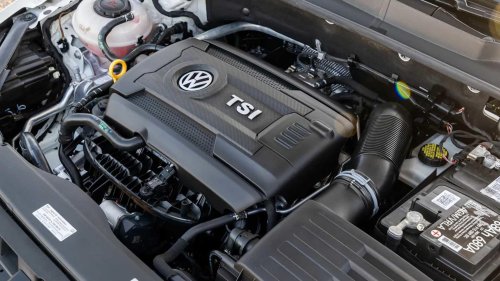
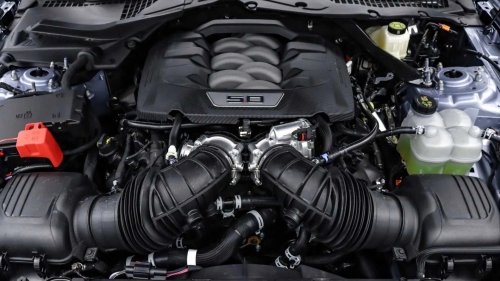
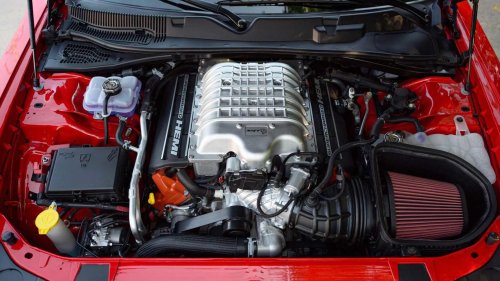
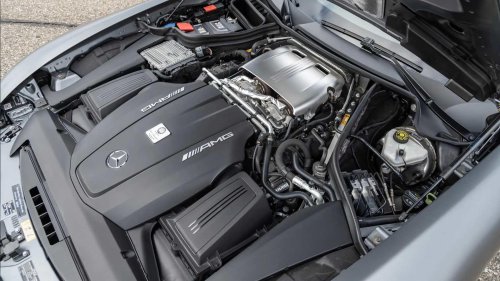
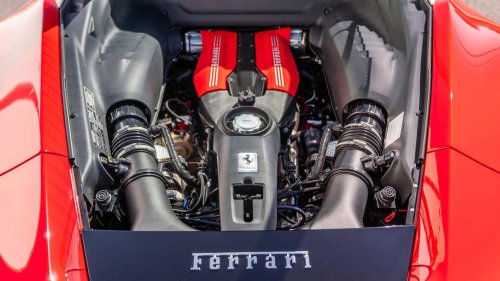
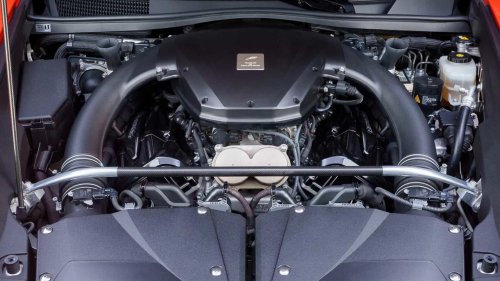



















The best car engines of the 21st century earned their status the hard way. They offered real power, rewrote tuning culture, and changed how we think about performance. Some scream all the way past 9,000 rpm, some throw down torque like a heavyweight, and some have become the heart of builds that rule the streets.These aren’t picks simply rooted in nostalgia. They shaped modern car culture and still fondly live rent-free in the minds of gearheads. Every unit on this list left fingerprints across drag strips, track days, and late-night highway pulls. You’ll know them by the numbers, the sound, and the trouble they get you into. Toyota 2JZ-GTE (1991 – 2007) 3.0-liter Twin-Turbo Inline-6: The Tuner Icon That Took Over The 2000s Via: Bring a Trailer The 2JZ-GTE didn’t just power a Toyota Supra; it helped define an entire generation of car culture. The iron block 3.0-liter inline six handles boost like it drinks it for breakfast. Tuners regularly see 800 hp on stock internals with the right Garrett turbo setup and proper fueling. Reliability plays a major role here. This engine survives abuse that sends lesser motors home on a tow truck.The Mk4 Supra exploded in popularity after 2000 when ECU tuning became widely accessible. Videos of Supras walking superbikes and big-dollar supercars turned the 2JZ into a street legend. Drag racers pushed well past 1,000 hp, and it kept coming back for more. Nissan loyalists love to argue for the RB26, but durability and tuning costs usually tilt the win toward Toyota. Fast and Furious fame only cemented what enthusiasts already knew. The 2JZ earned every bit of its icon status. Notable Models Powered By The 2JZ-GTE Toyota Supra Mk4 Toyota Aristo Toyota Soarer GM LS3 (2008 – 2019) 6.2-Liter Naturally Aspirated V8: The Swap King Of Modern V8s Via: Bring a Trailer The GM LS engine family changed the modification scene, and the LS3 stands at the top of that influence. This 6.2-liter V8 made 430 hp in the C6 Corvette and gave the Chevrolet Camaro SS the punch it needed to revive muscle car battles. The compact packaging makes it easy to drop into almost anything. Miatas, Nissan 240SX builds, pickup trucks, and even old-school German sedans suddenly gained American torque and reliability.An LS V8 is easy to find, and aftermarket support is massive. Crate engines, upgraded heads, cams for any budget, and tuning options fill entire catalogs. Few modern engines match the LS3 in available knowledge and community backing. Owners see 500 to 600 hp with basic upgrades while maintaining factory manners. Real-world pricing adds to the appeal. A junkyard LS, some fresh bearings, and you are making serious power for less than most turbo kits. This engine earned its reputation because it works everywhere and keeps enthusiasts building instead of dreaming. Notable Models Powered By The LS3 Chevrolet Corvette C6 Chevrolet Camaro SS (fifth gen) Pontiac G8 GXP Honda K Series (2001 – Present) 2.0-2.4-Liter Turbocharged Inline-4: High-Rev Thrills On A Budget Via: Bring a TrailerThe Honda K Series of inline-fours delivered high-revving joy without premium pricing. Honda engineered it for efficiency and performance, and enthusiasts quickly found out how well it responded to upgrades. Most versions spin past 8,000 rpm with VTEC kicking in hard enough to make the whole car feel alive. Light weight helps the power-to-weight ratio, especially in the EP and FN Civic Type R, or the Acura RSX Type S, where the K20 made its name.The real magic shows in the aftermarket. Swappers love dropping K power into Mazda Miata, old-school Integras, and even kit cars, because the layout keeps handling sharp and keeps weight off the nose. N/A builds making 250 to 300 hp stay reliable for daily driving, and turbo setups offer even more fun without expensive internals. In a world of forced induction, the K Series remains a hero for anyone who wants to chase the redline and feel every shift. It keeps modern car culture connected to the thrill of revs done right. It might be a high-revving engine, but it is not the highest-revving 4-cylinder engine. Notable Models Powered By The K-Series Acura RSX Type S (K20A2) Honda Civic Type R (EP3 / FN2) Honda Accord (various K24 variants) BMW B58 (2015 – Present) 3.0-liter Turbocharged Inline-6: Smooth Power And Big Headroom Via: Bring a Trailer BMW built the B58 engine to move its M Performance models into the modern turbo era with real confidence. The 3.0-liter inline six uses a closed deck block, advanced cooling, and a single twin-scroll turbo that delivers a smooth, fat powerband. Stock ratings sit between 320 and 382 hp in the BMW M240i and M340i (albeit it's often factory underrated), and the same engine pulls duty in the latest Toyota GR Supra.Tuners quickly learned the B58 has big headroom. A simple tune and bolt-ons unlock 450 to 500 hp with factory refinement still intact. It also picked up multiple Ward's 10 Best Engines awards, reinforcing the credibility behind the hype. Compared to something like an Audi S4, the B58 generally responds better to upgrades and keeps intake air temps under control when pushed. It checks every box for a modern performance daily. Strong, fast, efficient, and always ready for more. Notable Models Powered By The B58 BMW M240i BMW M340i Toyota GR Supra Volkswagen EA888 (Late 2000s – Present) 2.0-Liter Turbocharged Inline-4: The Hot Hatch All-Star Via: Bring a Trailer The VW EA888 made turbo four cylinders cool for a whole generation of drivers. Found in the VW Golf GTI, Golf R, and Audi S3, this 2.0-liter engine focuses on balance. It delivers strong torque through the midrange while keeping fuel costs in check. Factory output hovers around 228 to 315 hp, depending on the trim, and tuning pushes past 350 hp without major hardware changes.It earned spots on several 10 Best Engines lists, reinforcing the reputation for smart engineering. The EA888 helped hot hatches like the Mk7 GTI become everyday tuner favorites and carried the Golf R into rivalries with more expensive performance cars. Against something like a Ford Focus ST, it usually responds better to software tweaks and intercooler upgrades. This engine shaped the modern front-drive and AWD performance scene, and it continues to power builds that blend practicality with real driving fun. Notable Models Powered By The EA888 Volkswagen Golf GTI (Mk6, Mk7, Mk8) Volkswagen Golf RAudi S3 Ford Coyote V8 (2010 – Present) 5.0-Liter Naturally Aspirated V8: The Modern 5.0 That Brought Back The Mustang Via: Bring a Trailer The Coyote V8 resurrected the 5.0 Mustang back into performance conversations with real confidence. Ford built a modular 5.0-liter DOHC design that revs fast and makes power up high while still offering real low-end shove. Early versions delivered 412 hp, and current Mustang GT models push up to 480 hp thanks to steady improvements and Ti-VCT valve timing spreading the powerband across the rev range.This engine helped the Mustang stay competitive against GM’s LT1 by offering higher rev capability and strong tuning results. Bolt ons or boost take it well beyond factory numbers. The aftermarket saw 600 to 700 hp builds become common, and supercharged versions found their way into low-volume exotics like the De Tomaso P72 and Puritalia Berlinetta, where output climbs to around 750 hp. Those examples show how far the Coyote can go while still keeping real-world reliability. It remains a modern V8 benchmark and a key player in the ongoing American muscle fight. Notable Models Powered By The Coyote V8 Ford Mustang GT (2011 onward) Ford F-1502021 Ford Mustang Mach 1 Dodge Hellcat V8 (2014 – Present) 6.2-Liter HEMI V8: The Supercharged Muscle Car Monster Via: Bring a Trailer The Hellcat engine gave America its loudest comeback. Dodge stuffed a 6.2-liter supercharged Hemi V8 into the Challenger and Charger, sparking a new muscle war overnight. The blower alone displaces 2.4 liters and helps crank out 707 hp and 650 lb-ft in early versions, with later Redeye and SRT Demon variants pushing up to 807 hp right off the showroom floor.This engine delivers the kind of punch that turns drag strips into launch pads. Straight line supremacy became part of Dodge’s identity again, and it worked. The Hellcat helped the Challenger outsell the Mustang at times by leaning into pure attitude. Real engineering backs it too. Forged internals, heavy-duty cooling, and fuel delivery designed for boost keep it alive under serious throttle. Against a Mustang GT in a roll race, the Hellcat wins by sheer torque. It is loud, unapologetic, and absolutely unforgettable. Notable Models Powered By The Hellcat V8 Dodge Challenger SRT Hellcat Dodge Charger SRT Hellcat Jeep Grand Cherokee Trackhawk Mercedes-AMG M177/178 (2015 – Present) 4.0-Liter Twin-Turbo V8: Racing Tech For The Road Via: Bring a Trailer The Mercedes-AMG M177 and its dry sump sibling, the M178, delivered racing hardware to everyday road cars. Both engines use a 4.0-liter twin-turbo V8 layout with the turbos positioned inside the cylinder banks. That hot V design shortens airflow, improves throttle response, and helps performance stay repeatable during hard use. Outputs range from about 469 hp in early sedans to 730 hp in the AMG GT Black Series courtesy of twin turbos.AMG leaned heavily on GT3 racing experience to shape durability and thermal management. The wet sump M177 powers everything from the E63 S to the G63 SUV, while the M178 sits behind the front axle in the AMG GT R for better weight balance on track. Tuning communities appreciate how much power the engines unlock without stressing internals. Lap records and performance data keep stacking up. This powertrain gave Mercedes a signature sound and real muscle in the supercar world. Notable Models Powered By The M177 / M178 Mercedes-AMG E63 S (M177)Mercedes-AMG G63 (M177) Mercedes-AMG GT / GT R / GT Black Series (M178) Ferrari F154 (2015 – Present) 3.9-Liter Twin-Turbo V8: Has Championships To Prove It Via: Bring a Trailer The Ferrari F154 marked Ferrari’s return to turbocharging with confidence. This 3.9 liter V8 delivers 661 hp in the 488 GTB and up to 769 hp in the F8 Tributo, and it swept multiple International Engine of the Year awards during its run. Ferrari designed the twin-scroll turbo system and airflow paths with lessons taken straight from Formula 1, which helped it achieve sharp throttle response without sacrificing efficiency.The numbers get attention, but real-world results matter more. The 488 GTE, using an F154-based setup, earned Ferrari several FIA World Endurance Championship titles in GTE categories, confirming the engine’s durability in long-distance racing. On the street, the 488 GTB and its successors kept pace with rivals like the McLaren 720S, while often earning higher praise for feel and consistency. The F154 later evolved into the hybrid 296 GTB powertrain architecture, cementing its influence on the next era of Ferrari performance. Among modern supercar engines, this one set the benchmark others aim for. Notable Models Powered By The F154 V8 Ferrari 488Ferrari F8 TributoFerrari Portofino Lexus 1LR-GUE V10 (2010–2012) 4.8-Liter Naturally Aspirated V10: Exotic Sound From An Engineering Obsession Via: Bring a Trailer The Lexus LFA's 1LR-GUE V10 feels like it came from a company determined to build the greatest engine of the era, no matter the cost. Lexus partnered with Yamaha to tune the acoustics of this 4.8-liter screamer, and the result earned praise from every major reviewer. It revs past 9,000 rpm so quickly that engineers needed a digital tachometer because an analog needle could not keep up. Titanium valves, lightweight components, and race-style internals all contribute to the razor-sharp response. The Yamaha-tuned V10 was so sonorous and musical that Toyota even made a 3-hour-long video for it on YouTube.The V10 powered one model only: the LFA. That focus helped it deliver a noise that sounds more like a Formula 1 car than a road car. Production numbers stayed extremely low, which only increased demand once collectors and drivers realized what Lexus had built. The Nürburgring Edition pushed performance even further, proving the engine delivered on track, not just in sound clips. No other V10 from the 21st century left a mark this distinct.