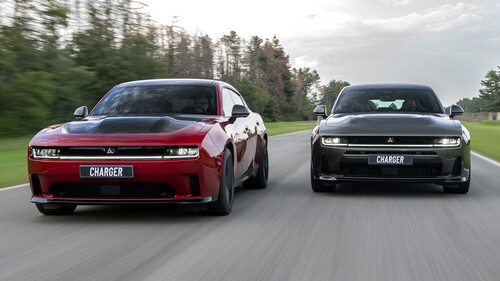
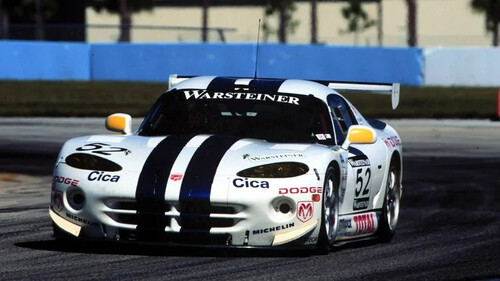
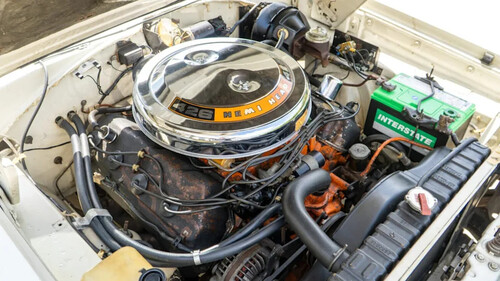
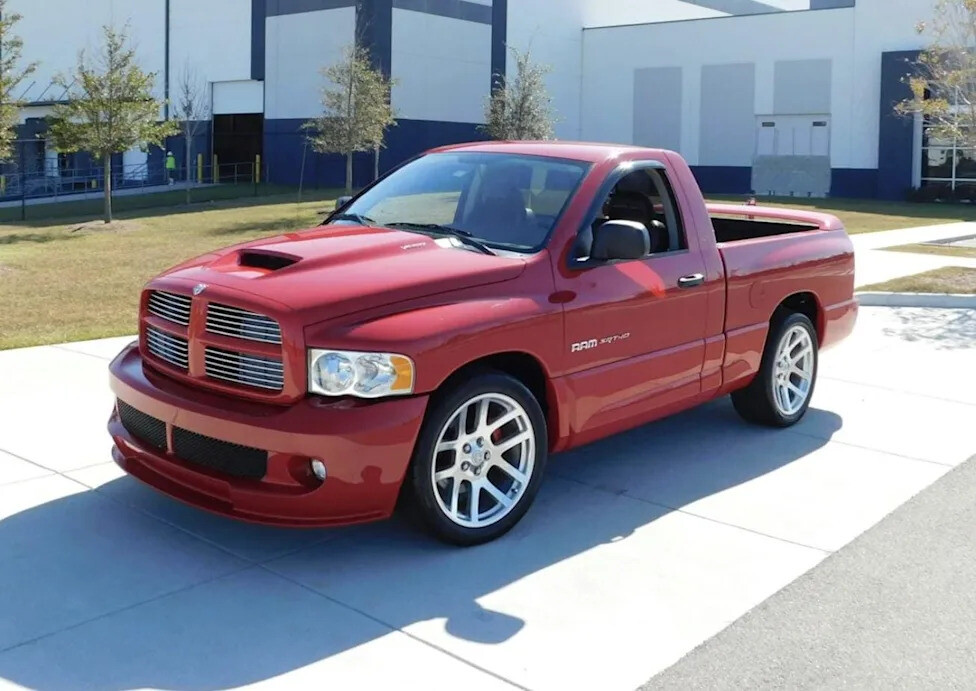
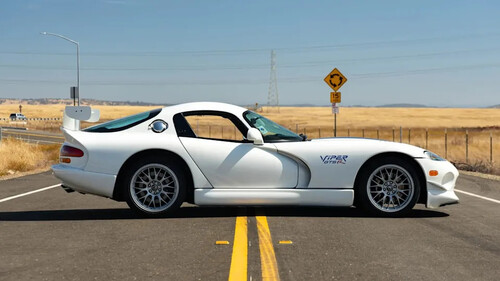
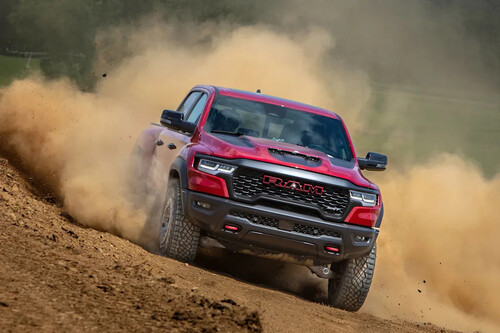
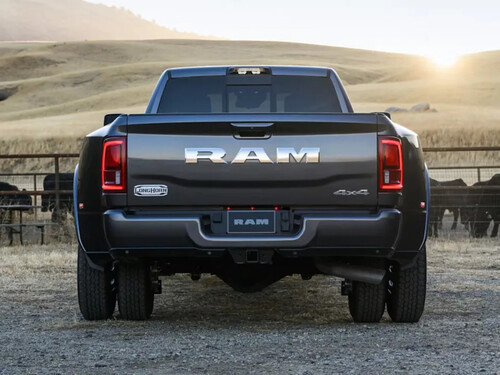
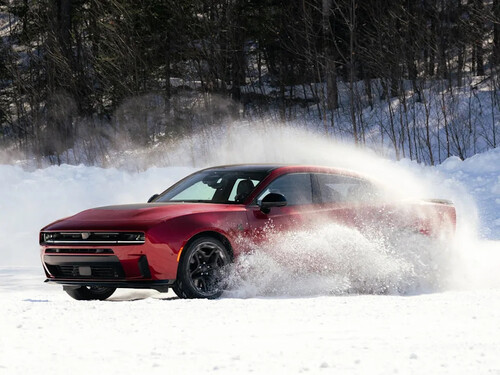
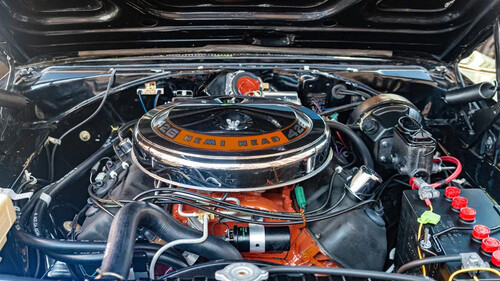
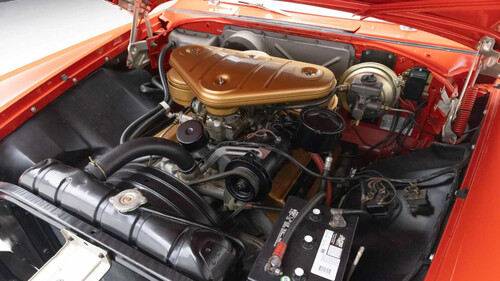
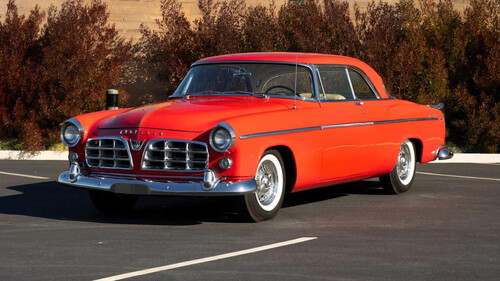
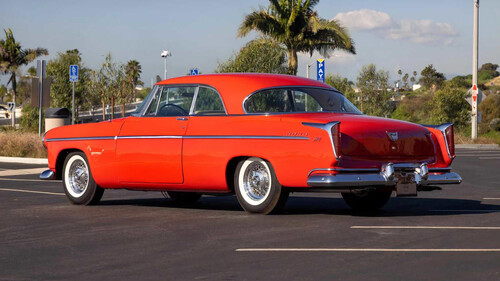
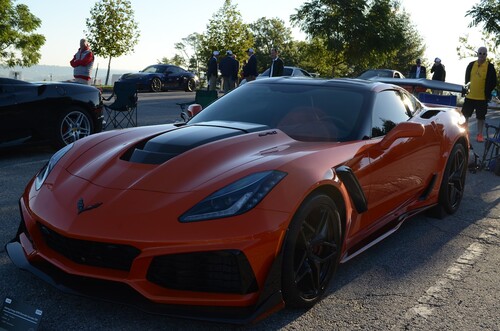
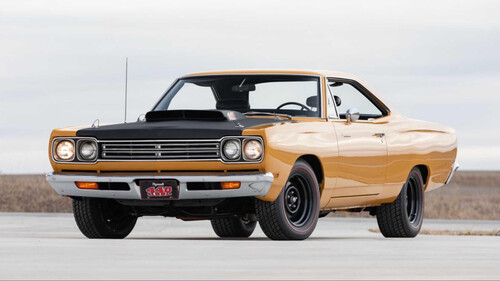
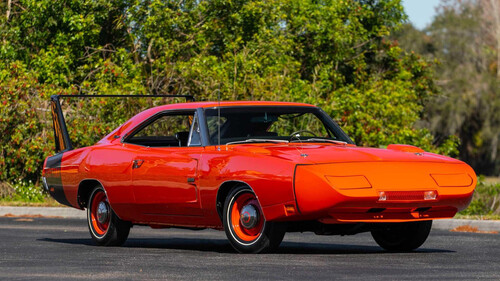
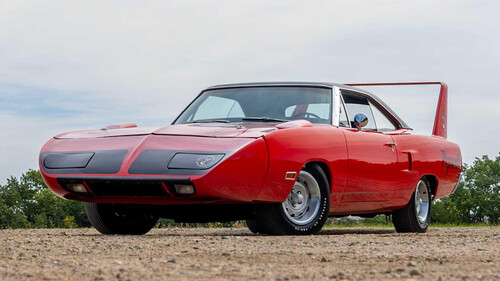
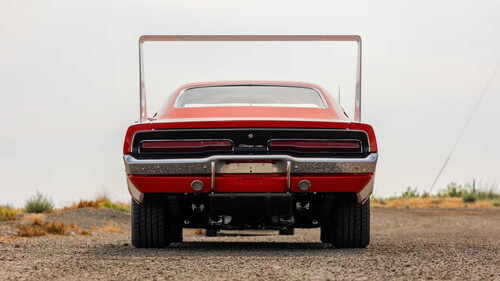
Classic Mopar engines are always a fun topic of discussion. Maybe more now than ever with whispers ofthe Hemi returning to Ram 1500s and Dodge Chargers. There are even claims that the Viper will potentially return, with debates over whether it'll be V10 or V12, pouring out of the rumor mill. While these may simply be the results of hopes and dreams, it's fun to think about what Dodge might do with its legendary engines during uncertain times.The late Hemis and V10s are great engines and fit right into a lineage of killer powerplants put out by Mopar. It makes you wonder, though, which of the many mighty Mopar engines that have been produced over the years is the best? As a lifelong Dodge enthusiast with plenty of wrenching time with some of its top contenders, I think about it quite often. And while it's not a definitive list, I know there are plenty of devout Mopar monks who'd agree that these are probably the top 10 engines it ever pumped out. 225 Slant Six Leaning Tower Of Power Bring a Trailer Specs The big three are most commonly associated with V8 engines, and for good reason. That is what they do best, after all. However, each of them has its own six-cylinder engines that offer reliability above all else. Back in its heyday, Dodge leaned on the notorious 225 slant-six. It was far from a powerhouse, but its ability to run strong through all adversity is why the Leaning Tower of Power earns a place on this list.The legacy of Chrysler's slant-six engines is nothing to take lightly. Interestingly enough, there are many who will argue that the 225 isn't even the best of them. Rather, the original 170 is the top dog. That engine was the pinnacle of engineering as far as Chrysler’s slant-six engines go, with the 225 being more of an afterthought.Despite that, the 225 was extremely successful. It had a 27-year production run and was crammed into every kind of vehicle you could imagine. It wasn’t fast, but virtually unkillable, and that’s all it needed to be. Interestingly enough, Chrysler engineers continued to build off the back of this motor, which is how the Australian 265 cubic-inch Hemi 6 was born—a tale for another time. 318 LA Engine/Magnum Ole Reliable Bring a Trailer Specs The 318 V8 has a far more storied history than you might think. It's seemingly always been Dodge's favorite displacement for its V8 engines, with a history dating back to 1956, spanning all the way to 2003. Though, that timeline is comprised of three generations of engines, the 318 LA engine introduced in 1967 and its successor, the 318 Magnum easily fit into this spot.The original 318 engine was introduced back in 1956, lasting until 1966. This was the notorious "Poly" engine, whose nickname derives from its poly-spherical combustion chamber. The next in line is where the legend of the 318 really begins. These small-displacement V8s were Chrysler's bread-and-butter V8 engines from the late '60s through to the 2000s.The Magnum is a different motor but shares enough in common to be considered a true evolutionary successor. These things are stupid-reliable, giving the slant-six engines a run for their money. They also offered a good blend of power and economy, making them a choice engine for everything from coupes to trucks. 5.7 Hemi The First Gen III Hemi Mecum Auctions Specs The 5.7 Hemi isn't the most glamorous of the Gen III Hemi engines from Dodge. Plenty of people are sure to argue that the 6.4 or even 6.1 outranks it. However, it's the one that restarted the Hemi branding, and after a 22-year production run that's still going; there's no way we could let it go unmentioned.The 5.7 Hemi debuted in 2003 as the successor to Chrysler's most famous engine after a 32-year hiatus. With the previous having the stature of an elephant, the 5.7 had some big shoes to fill. While it doesn't have the brutal power to rival its predecessor, the 5.7 has done us proud. It's brutish enough to find good use in trucks, SUVs, and performance cars, proving it to be among the most versatile engines put out by Mopar. While it has its flaws, there's no denying the 5.7 Hemi deserves respect. 426 Max Wedge Walked So The Hemi Could Run Bring A Trailer Specs No, not that 426. That said, this engine would essentially evolve into the one you're thinking of. On the heels of the first generation of Chrysler Hemi engines, designers were tasked with coming up with something more affordable yet still powerful. The result was the 413 introduced in 1959 and the later 426 Wedge engines. While maybe lesser known than some of the later RB engines, they deserve to be treated as royalty.These Wedge engines were absolute torque mills that quickly made a reputation in drag racing. Engineers would revise the heads and introduce the Max Wedge engines that set the tone for the remainder of the horsepower wars. They also made for great truck engines, with the 413 being repurposed for industrial and military applications in later years. The 426 was the more ferocious of the two and would ultimately transform into an absolute monster. The legendary 440 is also an evolutionary successor we can't forget about. In more ways than one, the Max Wedge is to thank for the muscular nature of Mopar as we know it, earning its place among the greatest engines it ever produced. 383 Magnum The Big Block That Thinks It's A Small Block Bring a Trailer Specs Mopar's 383 B engine just might be the most underrated engine on this list and among the most underappreciated engines of all time. It was the 440's little brother that was often overlooked due to its lesser power output. However, the shorter stroke and lower deck height made for a rev-happy monster that is extremely hard to kill.Chrysler knew the potential of these motors and crammed them into about everything they could. More than two million of them were produced, making them one of the most affordable big blocks in existence. With 383 HP motors being rated to produce just 335 horsepower, many are tempted to reach over them in favor of a 440. That may be a mistake, though. With some simple mods, these could easily surpass a stock 440's horsepower output, reaching well into the mid-400s. That's not to say the 440 isn't equally as responsive, but with the 383 being cheaper and more abundant, it's the perfect fit for any performance-oriented budget build. 440 Magnum The Engine That Won The War via Bring A Trailer Specs The Mopar 440 cubic-inch RB V8 engine is easily one of the most recognizable motors from the horsepower wars of the '60s and arguably one of the greatest performance engines of all time. Like its max-wedge predecessors, it was a torque monster that made cars absolute missiles in the quarter-mile.The 440 Magnum was another highly versatile engine that was used in pretty much everything Chrysler wanted to add a whole lot of grunt to. While most notably used in muscle cars, it found a home in trucks, RVs, and even luxury cars. It had a production run spanning 13 years. A lot of great things happened in that time, but the most memorable moment happened halfway through the 1969 model year.The 1969-1/2 A12 Road Runners and Super Bees were released with high-compression 440 Six-Pack engines that would set the record straight on who was top dog in the quarter mile. These cars cut a clean 13-second pass, making them the quickest factory-tuned muscle cars of the era, with a ton of untapped potential yet to be had. 340 LA Engine The Giant Killer Bring a Trailer Specs There's no denying that Ford and Chevy are more well-known for producing high-performance small-block engines. That doesn't mean Dodge doesn't have a stout competitor they should be careful of. The mighty 340, dubbed "Giant Killer,” is among the meanest engines to come from the big three, period.All right, now that I've spouted some fightin' words, let's talk about what makes the 340 a seriously killer motor. It was originally introduced in 1968, with a home in A-body muscle cars. At that point, it was already a pretty hairy little engine with enough bark to thwart the intentions of ill-willed contenders.Things got far more serious for the 1970 model year, when they were outfitted with the same Six-Pack setup found on 440s and crammed in E-bodies. These motors went on to make mythical monsters of T/A Challengers and AAR 'Cudas, with a factory output of 295 horsepower. Like all six-pack cars, a lot more could be pulled out of them, and these small blocks could go toe-to-toe with some of the baddest big blocks of the day, hence the nickname. 331 FirePower The One That Started It All Mecum Specs While Mopar had a lot of great motors, none are as synonymous with the brand as the Hemi engines. It might not have been the first to use hemispherical combustion chambers, but they sure did perfect it. With roots deep in the Second World War, the legacy of the Chrysler Hemi as an amazing car motor began in 1950.In the early fifties, three Mopar brands would introduce engines featuring hemispherical combustion chambers to their cars: Dodge, Desoto, and Chrysler. The first to arrive was the 331 Chrysler FirePower engine—the "Hemi" name wouldn't come until later. Interestingly enough, these engine designs were favored for their ability to consistently perform in varying elevations, which is why a similar design was originally intended for use in Chrysler's bomber concept. However, performance potential was there. Even if the 331 produced a mere 180 horsepower, it was a seriously potent engine for the time. It quickly made a name for itself in racing, and the rest is history. 6.2 Hellcat The Hemi That Stopped The World DodgeSpecsThere's no way this list could conclude without mentioning one of Dodge's supercharged Gen III Hemis. These motors shook the world to its very core, bringing in an entire generation of loyal fans and devoted haters. While the least powerful of the extended blown Hemi lineup, the 6.2 Hellcat engine is the one that started the chaos, which is why it's on the list.Dodge introduced the Hellcat Hemis way back in 2015. At the time, they were the most powerful V8 engines available for muscle cars, with their 707-horsepower still being absurd all these years later. While the Redeye, Demon, and Demon 170 would all go on to set their own records with even more insane power levels, none have the same initial shock factor of the original 6.2 Hellcat Hemi. 426 Hemi The Elephant Mecum Specs I saved the best for last. It may be a second generation, but it was the first to wear the coveted "Hemi" badge. It was called the "Elephant” on account of its insane stature and was bred for the sole purpose of winning races. We're speaking, of course, of the 426 Hemi.While the Wedge engines were great for low-end performance, they struggled to keep up in NASCAR races. Engineers took the 426 and made it more robust with a reinforced bottom end. The real magic happened, however, when they ditched the wedge combustion chambers for the Hemi geometry that brought them success years before. The result was a full-on war machine that would become a dominant force in all racing formats.That's not to say there weren't growing pains. It actually took a minute for the 426 Hemi engine to catch on. In stock form, they're lazy down low, which is a real problem in drag racing and street cars. Drag racing legend Don Garlits is quoted saying “That thing wouldn’t run 200mph down a mine shaft,” which is funny considering it was the powerplant in Buddy Baker’s Daytona, the first car to go 200 mph in NASCAR. In an attempt to blow it up out of frustration, Garlits put a ton of ignition timing into it, but ultimately went on to set multiple records. To this day, versions of the original design are used in Top Fuel racing, and its legacy as a racing icon has yet to be bested by any engine from any major manufacturer.