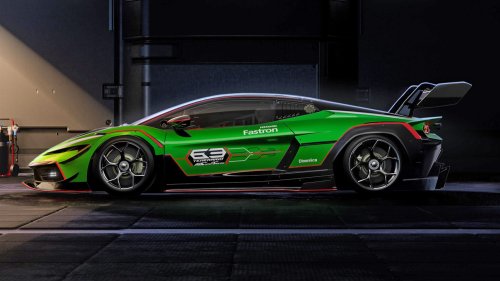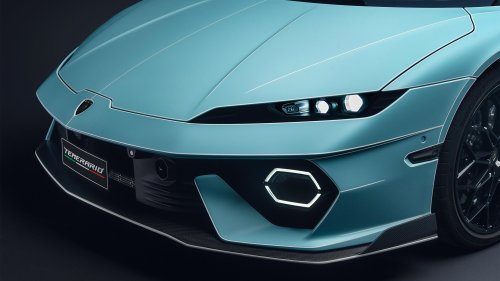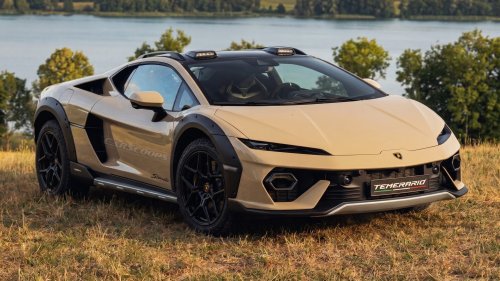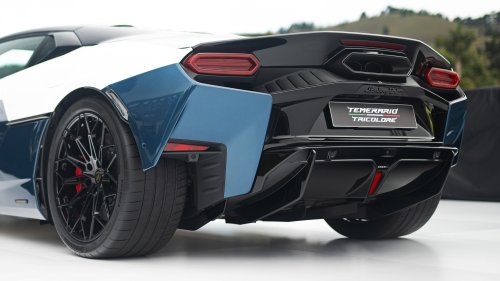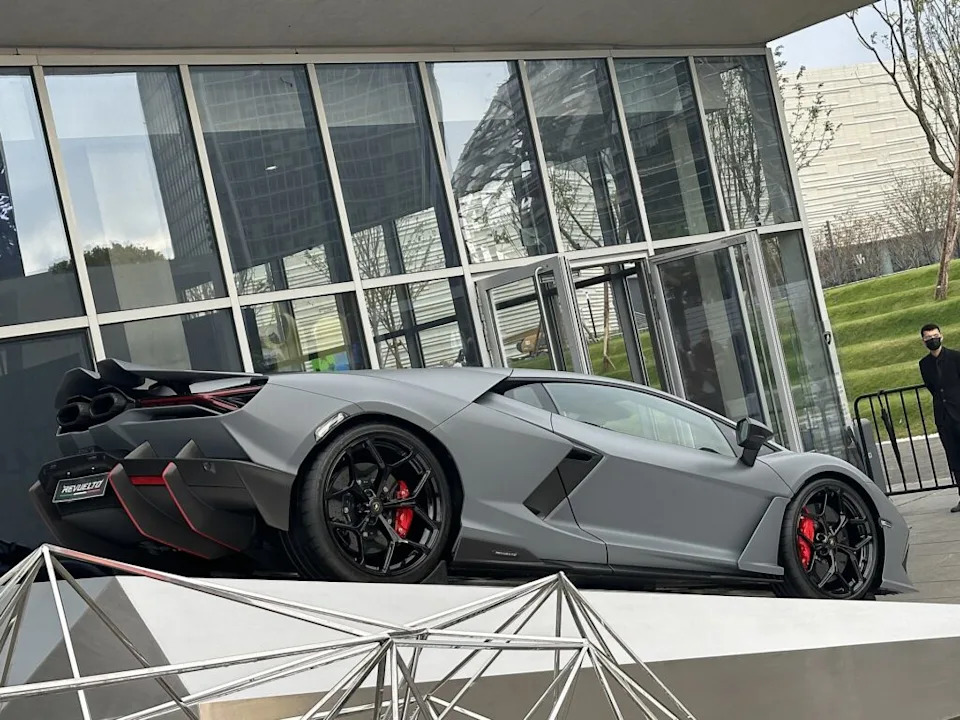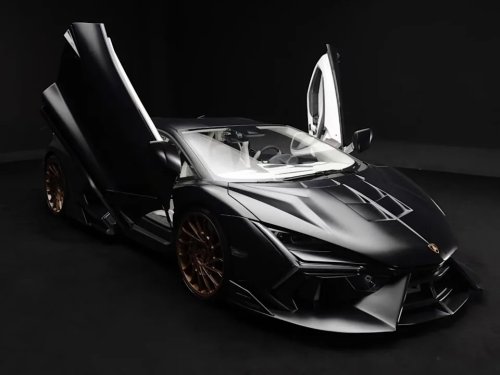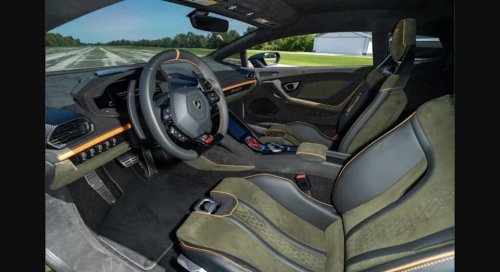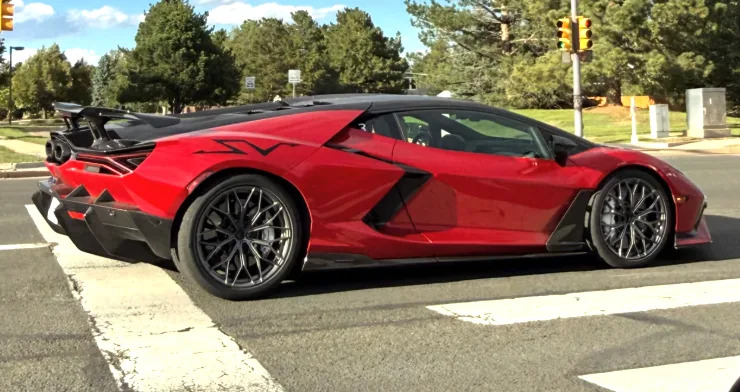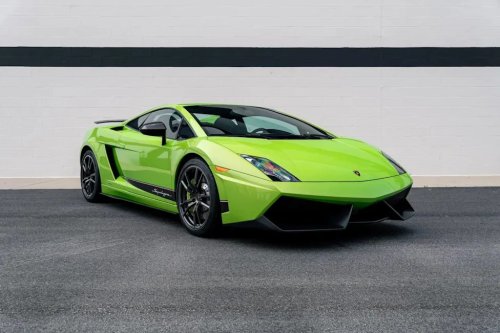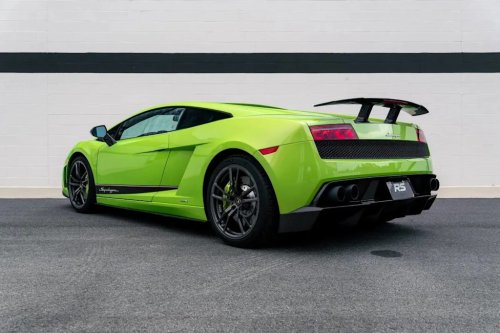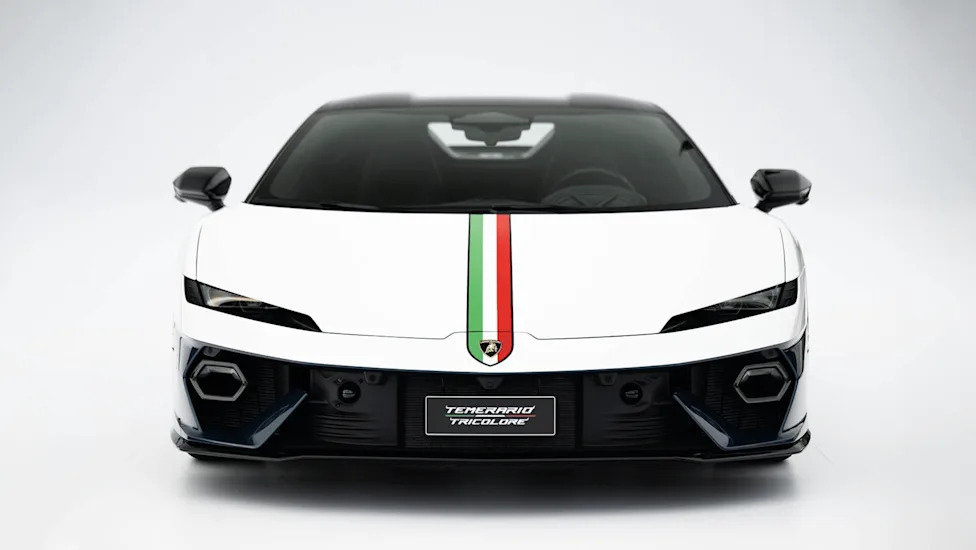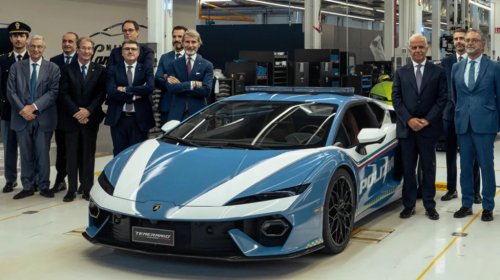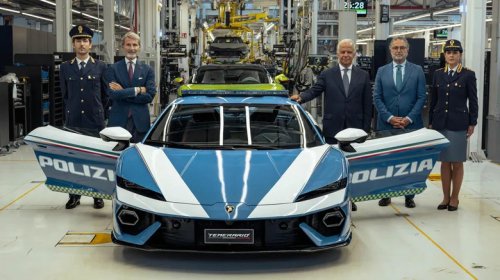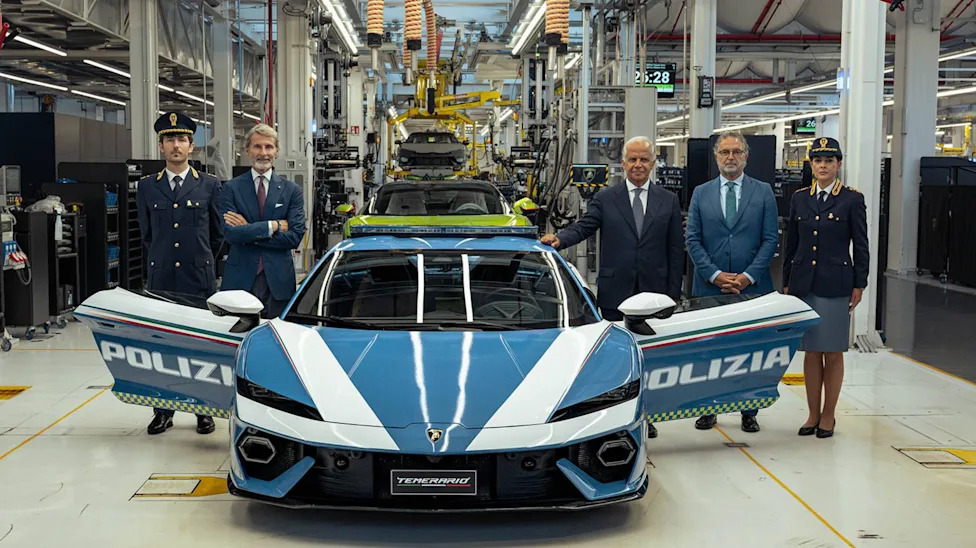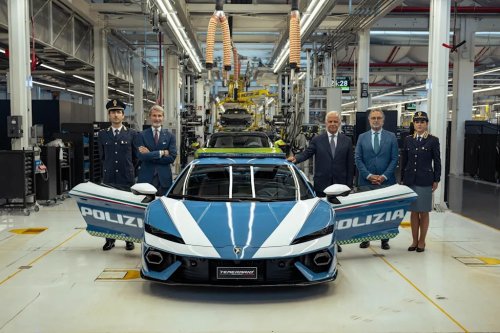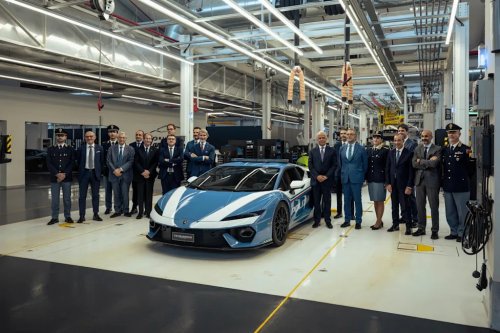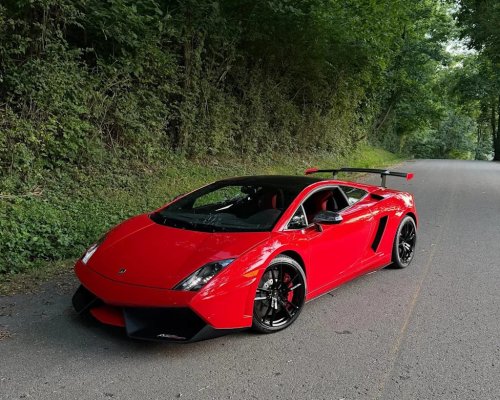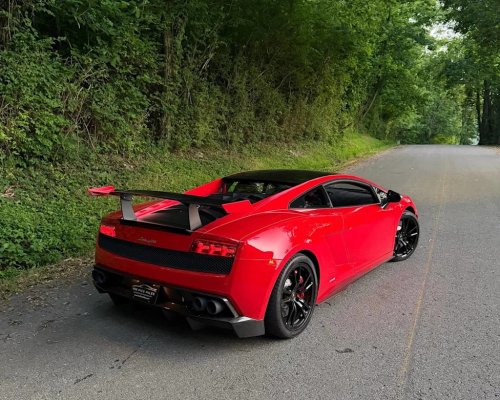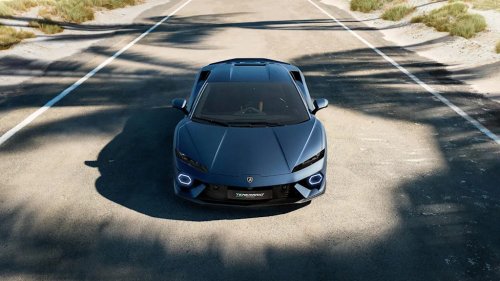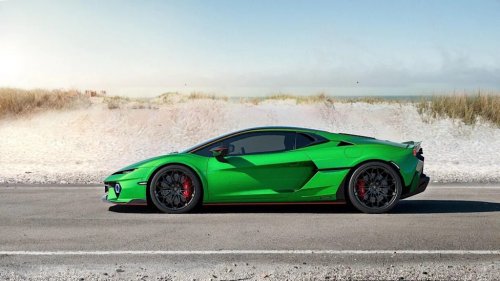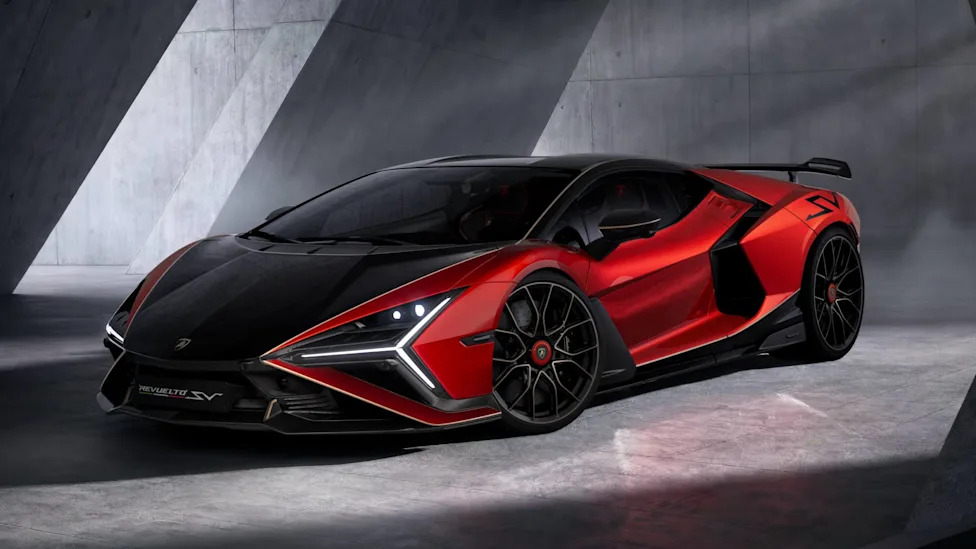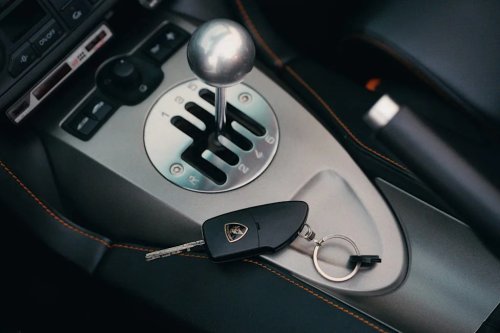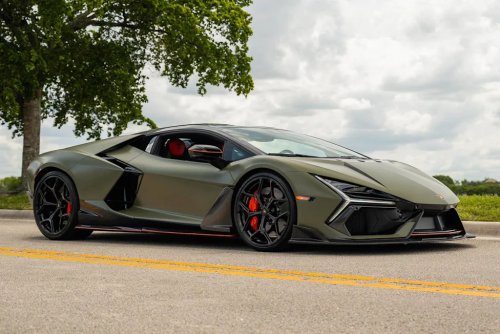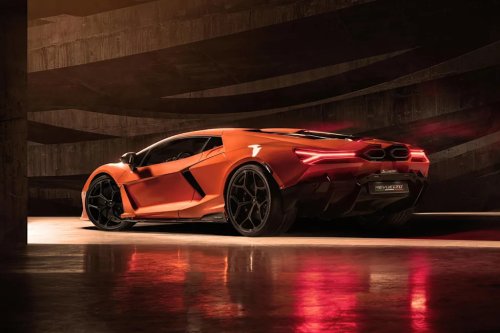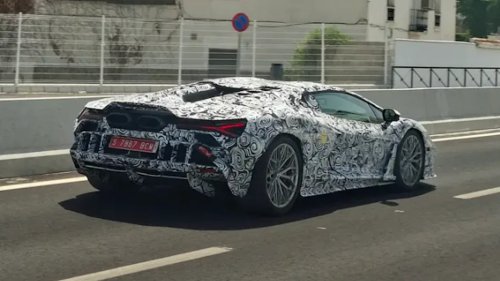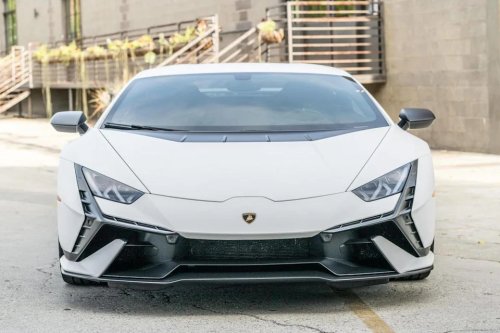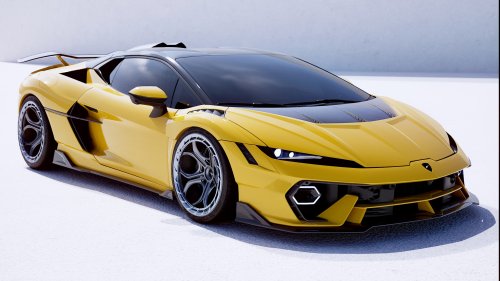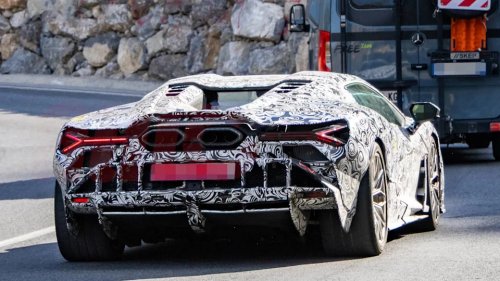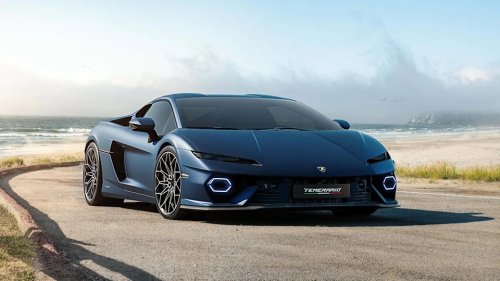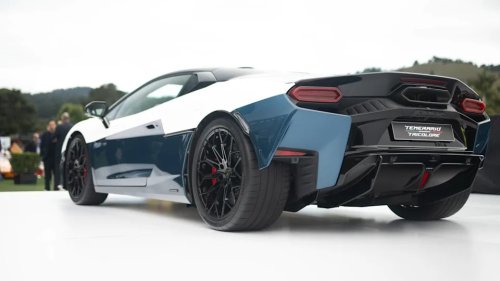
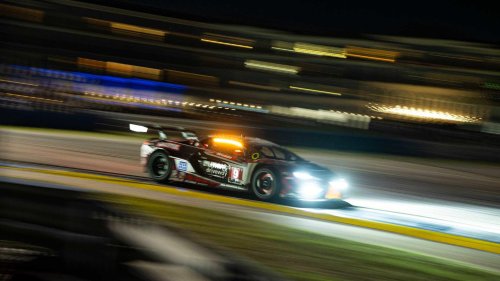
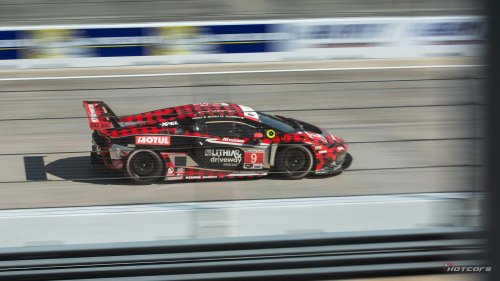
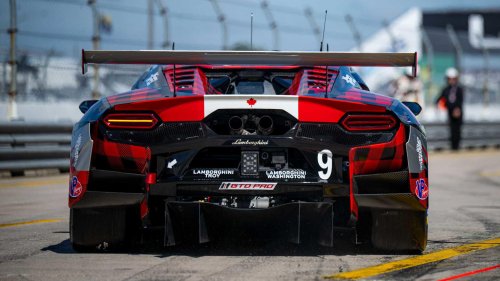
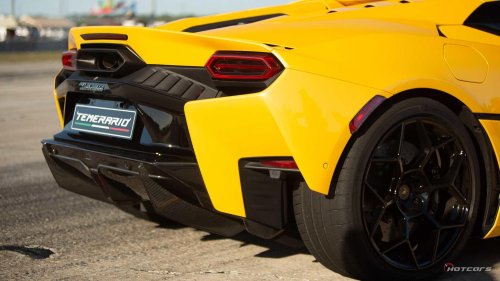
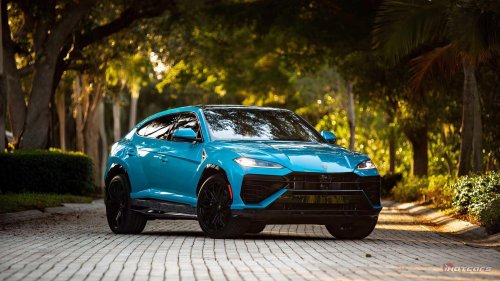
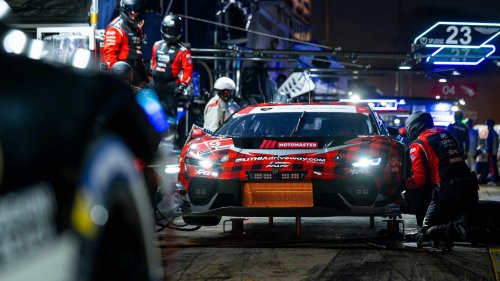
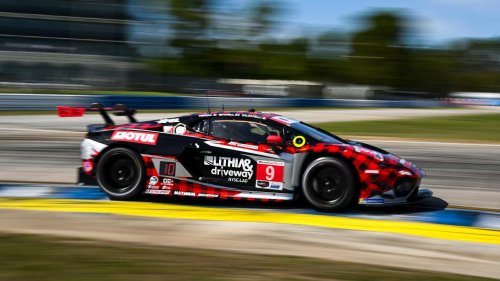


















Sitting down with Lamborghini CEO Stephan Winkelmann, the conversation starts where you’d expect. $3.7 billion in revenue, 10,747 cars delivered, and another record year for the brand. Taking those stats at face value, everything points to stability and growth, the kind of momentum most manufacturers are still trying to rebuild. But once the conversation moves past the numbers, that idea starts to fall apart. When talking about the last few years, Winkelmann doesn’t frame it as a temporary disruption or something the industry is working through. He puts it much more directly: “There was no normal year,” and then follows it with, “The new normal is that we have to adapt quickly.”Lamborghini isn’t waiting for the market to settle. It’s operating as if it won’t, and perhaps that's what is making a difference. The Market Isn’t Stable, And Lamborghini Knows It David Alpert / HotCarsFrom the outside, it’s easy to assume Lamborghini exists in a space that’s somewhat insulated from the volatility affecting the broader automotive market. Sitting there, it’s clear that’s not how the company sees it. Winkelmann walked through the past few years in a way that felt more like a running timeline than a summary, moving from COVID-era logistics issues and chip shortages to geopolitical challenges that continue to reshape global demand.Jamey PriceMarkets have disappeared entirely, like Russia, while others have slowed in ways that are harder to predict, particularly China. At the same time, currency fluctuations have added another layer of complexity, affecting profitability even in a year when deliveries and revenue hit record levels. None of it was framed as unusual anymore. Instead, it came across as something the company has learned to expect.As he put it, “The new normal is that we have to adapt quickly.” This doesn't seem to be just a catchphrase thrown around, but rather how they are operating moving forward. Stability isn’t something they’re building around anymore. The strategy is now designed to hold up even as conditions keep shifting. Lamborghini Could Build More Cars...But It Won’t David Alpert / HotCarsOne of the more revealing parts of the conversation was about company growth. Demand clearly isn't the issue, and Winkelmann didn’t suggest it was. Instead, he was clear about where the company draws the line. “We don’t want to reach for peaks,” he said, emphasizing that Lamborghini isn’t interested in pushing production simply because the demand is there. "The balance within scarcity and residual values is one of the key pillars."That philosophy shows up directly in the numbers. With just over 10,700 cars delivered globally, Lamborghini is operating at a scale that’s small compared to the broader luxury market, and that’s intentional. Winkelmann put it into perspective by comparing it to the roughly 80 million cars sold worldwide each year, noting that the brand’s volume remains a fraction of even the high-end segment.More importantly, he tied that decision to long-term value. “The balance within scarcity and residual values is one of the key pillars,” he explained, pointing to the importance of maintaining both exclusivity and strong resale performance. Increasing production too aggressively risks undermining both, and that’s not a trade Lamborghini is willing to make. That balance is what keeps Lamborghini in its current position. Growth isn’t the goal; maintaining value, demand, and identity is. The Wait List Is Part Of The Strategy David Alpert / HotCarsThat carries over to ownership, too. Right now, ordering a new Lamborghini often means waiting close to a year, depending on the model. While that could easily be framed as a supply constraint, it’s not something the company is trying to fix. As the kids say, it's a feature, not a bug.It reflects the same approach to production. Lamborghini isn’t trying to eliminate the gap between supply and demand. It’s managing it carefully, keeping production aligned with what supports the brand long term rather than what would maximize short-term sales. This is how Lamborghini stays in control: managing demand, timing, and long-term value.Jamey PriceWhen you put that in the context of the global automotive market, it's clear Lamborghini operates in a space where volume is less important than positioning, and maintaining that balance requires restraint. The wait list isn’t a byproduct of demand; it’s part of how the brand functions. Hybrids First, EV Later, And On Their Terms David Alpert / HotCarsElectrification is part of Lamborghini’s future, but the way the company is approaching it is notably different from many of its competitors. Rather than positioning hybrids primarily as a step toward efficiency, Winkelmann framed them in terms of performance. “We don’t speak about plug-in hybrid… we speak about high-performance electric vehicles,” he said, drawing a clear distinction in how the technology is being used. And the HPEVs Lamborghini has on the market already are pretty impressive.David Alpert / HotCarsThe plug-in hybrid Urus SE has a twin-turbo V8, 789 horsepower, and 37 miles of all-electric range. The Revuelto is a 1,001-horsepower hybrid V12 flagship making waves, and more recently, the 4.0-liter V8-powered Temerario entered the picture. I've driven the Urus SE and the Revuelto, and got to ride in the Temerario during this event on track at Sebring. Based on these personal interactions with their lineup, the focus is on how the electric components enhance the driving experience. Faster response, stronger acceleration, and more usable performance are the priorities, rather than simply reducing emissions. That allows Lamborghini to evolve its powertrains without moving away from what defines the brand. When it comes to a fully electric Lamborghini, the timeline is more deliberate. Development is ongoing, but the launch will only happen when both the market and the customer base are ready. As Winkelmann put it, “We want to be ready when the market… and our type of customers are ready,” adding that this is unlikely to happen before the early 2030s. The focus isn’t on being first. It’s about timing the transition correctly. That approach stands out in a market where some brands have rushed EVs to market. What Lamborghini Is Willing To Ignore David Alpert / HotCarsToward the end of the conversation, attention shifted to some of the questions enthusiasts most often ask. Manual transmissions came up, and the response was straightforward. “There were so few requests… very often it was a mistake,” Winkelmann said, referring to past orders. Even when manuals were available, demand was minimal, and that hasn’t changed enough to justify bringing one back.New vehicle segments were addressed in a similar way. Lamborghini has explored the idea of a smaller SUV and a four-door sedan, but both have been ruled out. The reasoning comes back to focus. Expanding into segments that don’t align with the brand’s identity risks diluting what makes it distinct.Jamey PriceThat same mindset applies to motorsport. GT3 remains the priority because it maintains a direct connection to production cars and customer racing programs. Rather than competing in every category, Lamborghini is focusing on areas that reinforce its core strengths.When I asked what he’s most proud of right now, the answer wasn’t about a specific car or record number. “The last five years were tough years for the entire team… and the results are positive, so I’m proud about that.” Jamey PriceAs we walk away from the conversation, it's clear Lamborghini has adjusted its approach to growth, technology, and expansion. The company could build more cars, accelerate its move into electric vehicles, or enter new segments, but it’s choosing not to. Each of those decisions comes back to maintaining control in an environment where very little else is consistent. That approach may not align with the direction much of the industry is taking, but for Lamborghini, it’s clearly intentional.