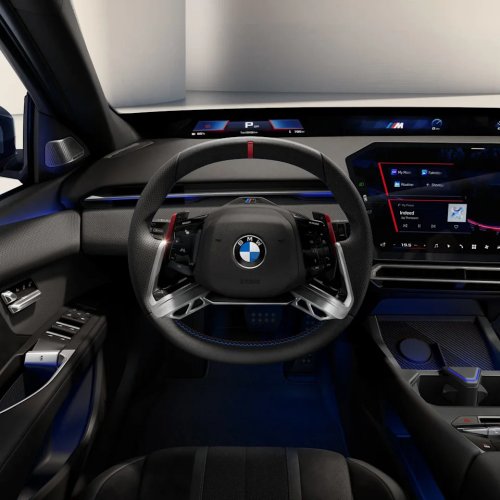
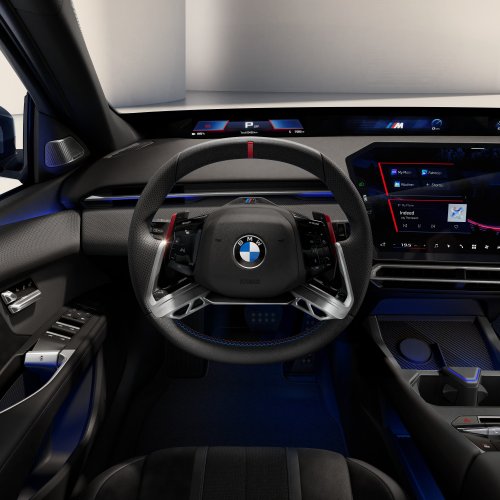
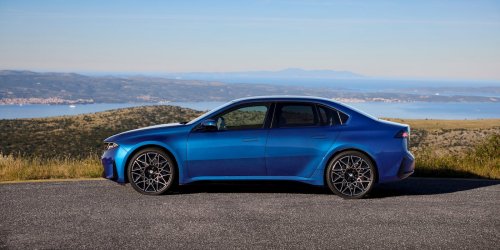
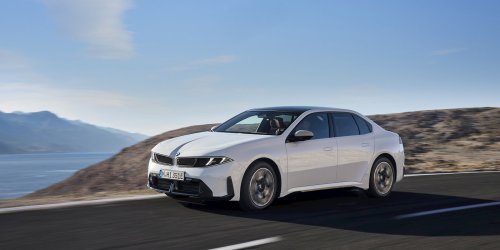
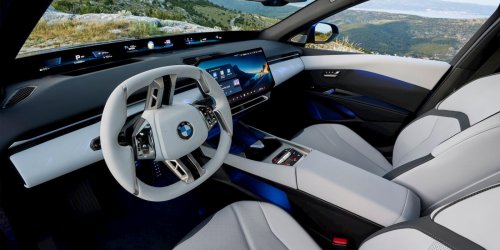
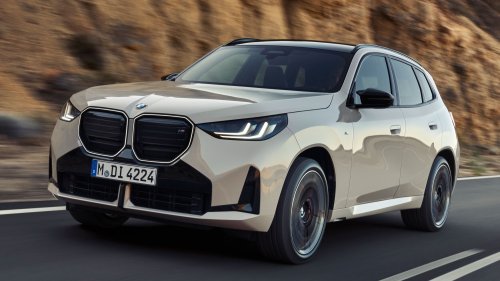
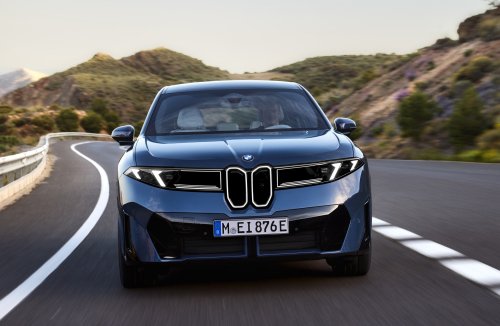
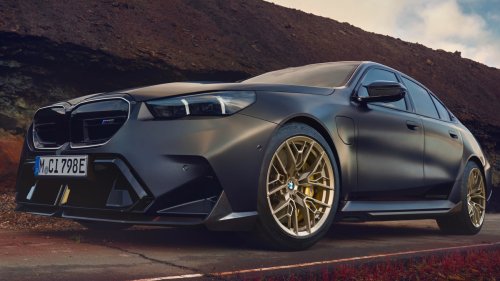
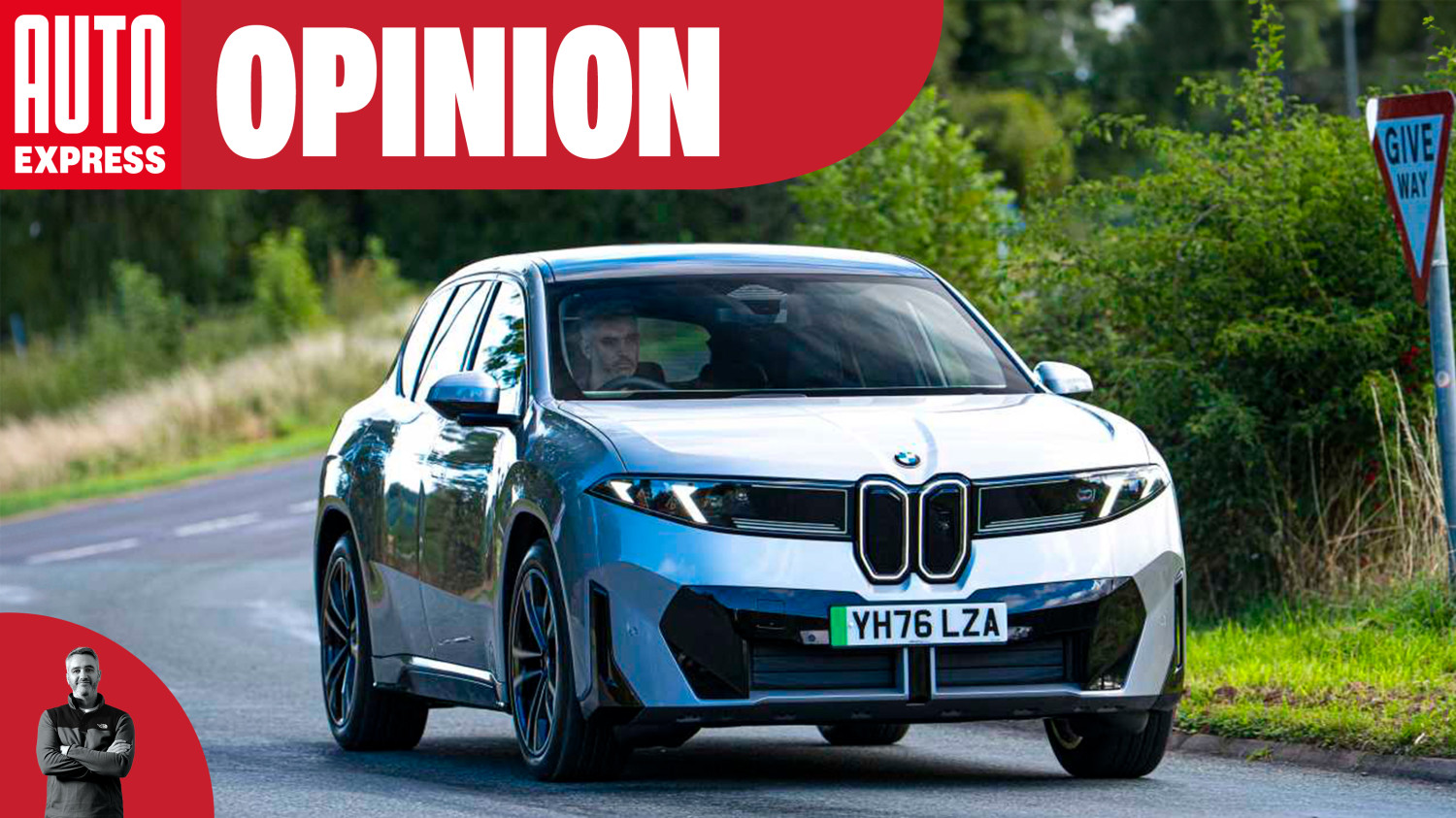
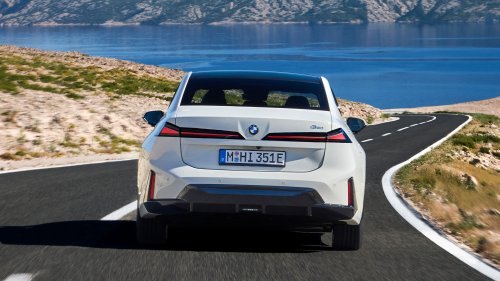
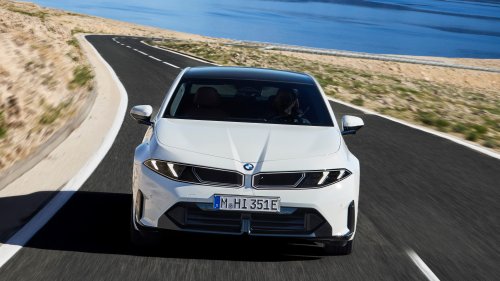
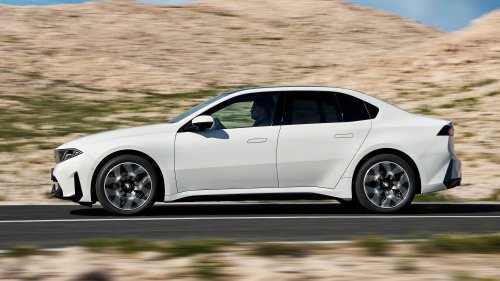
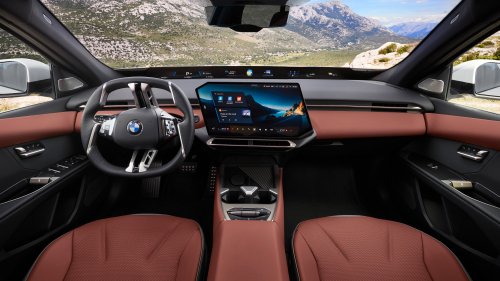
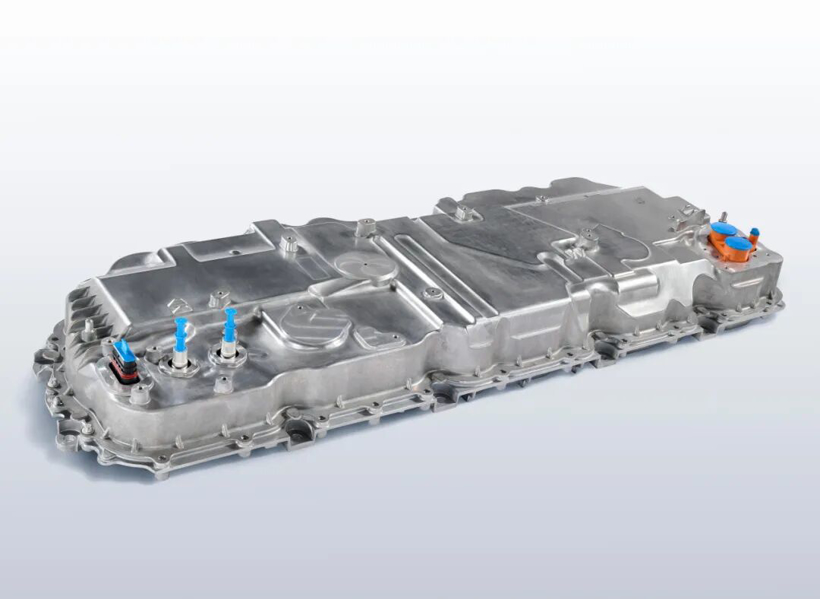
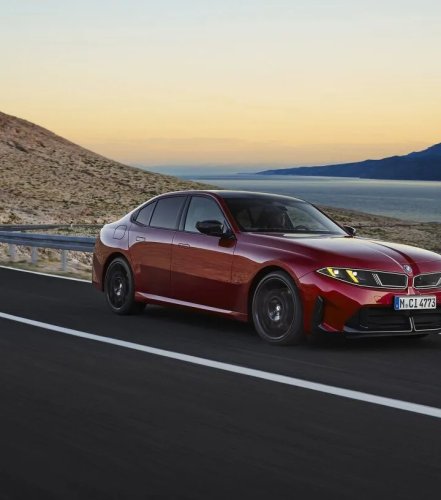
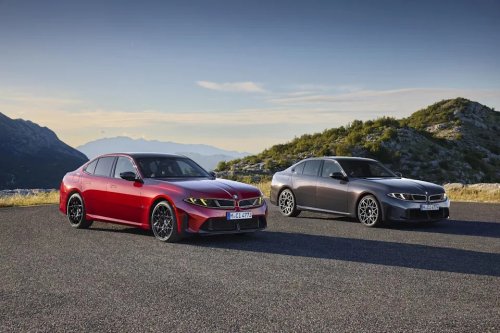
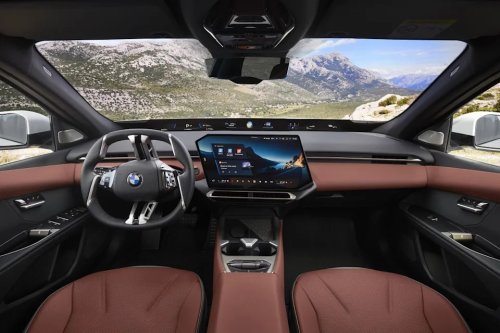
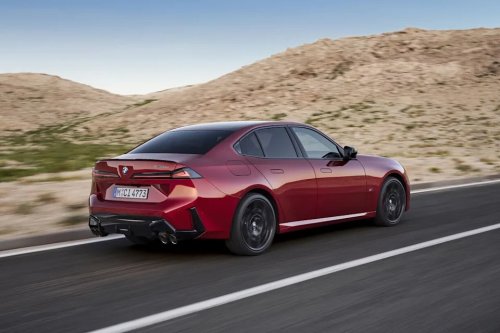
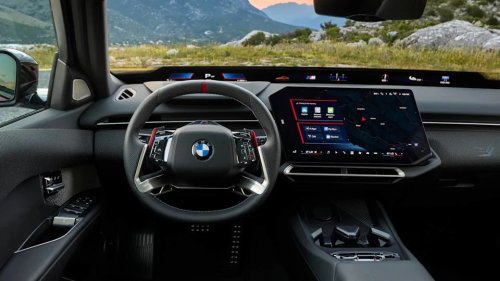
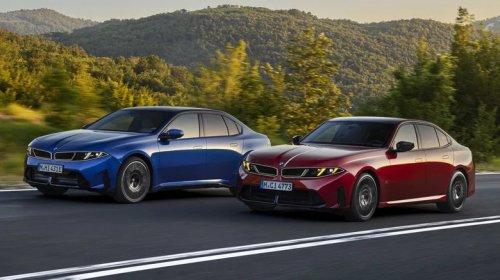
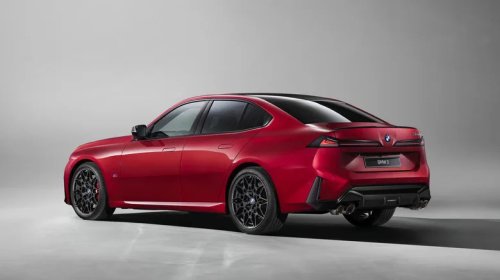
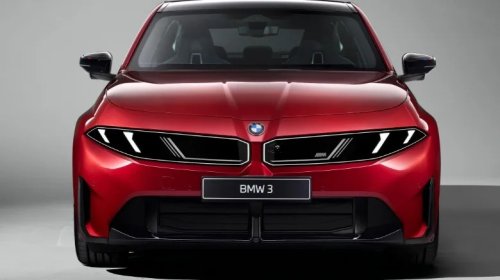
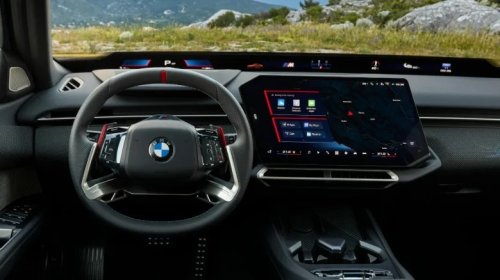
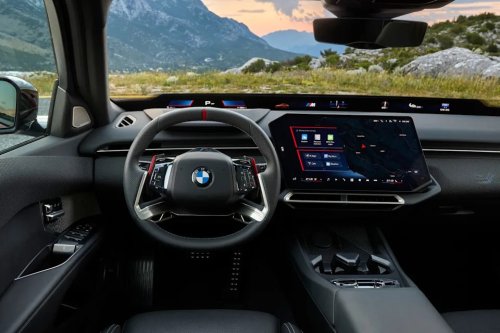
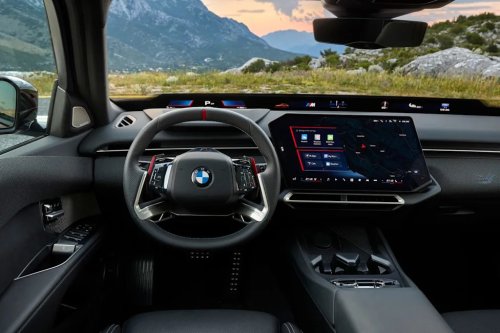
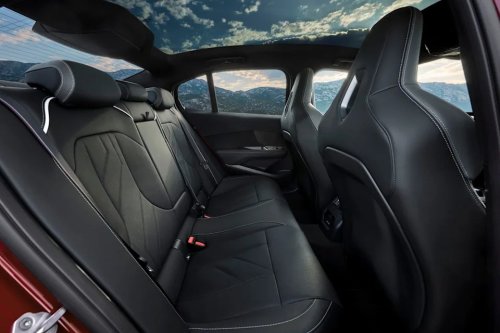
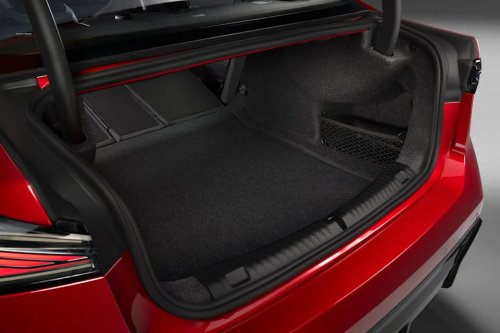
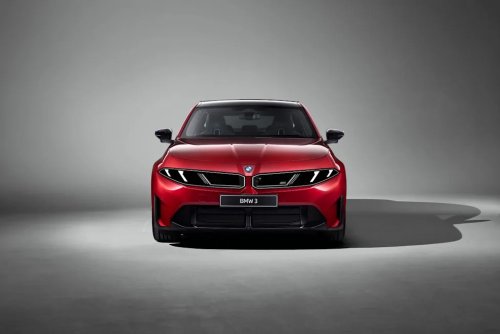
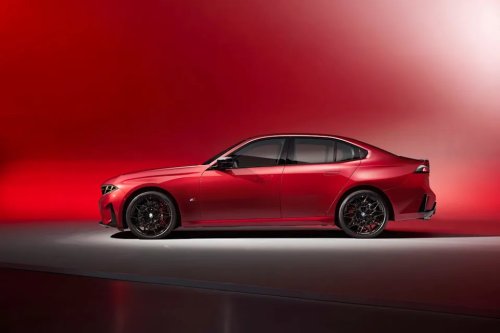
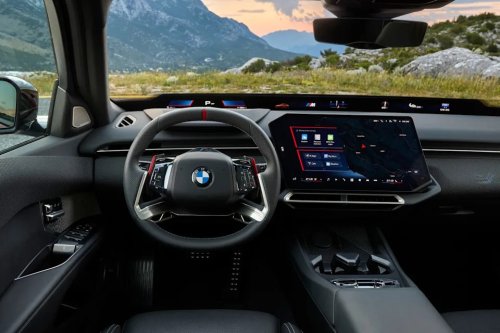
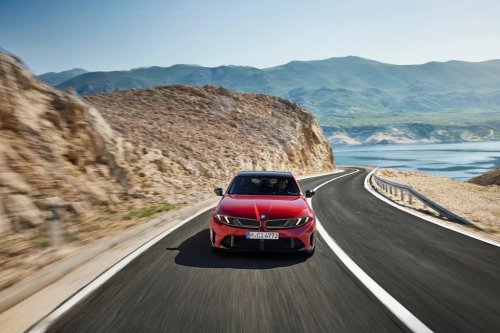
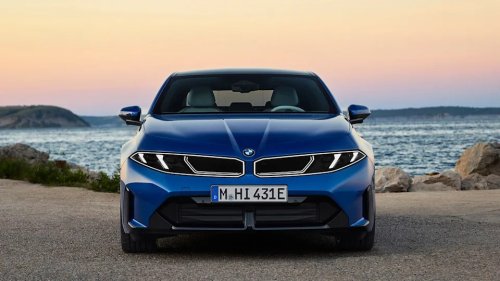
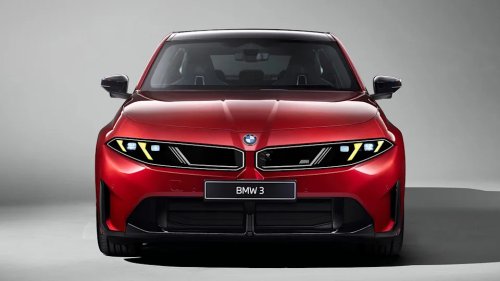
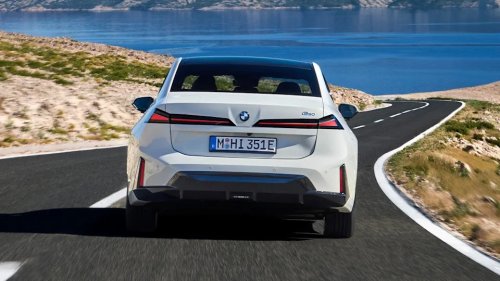
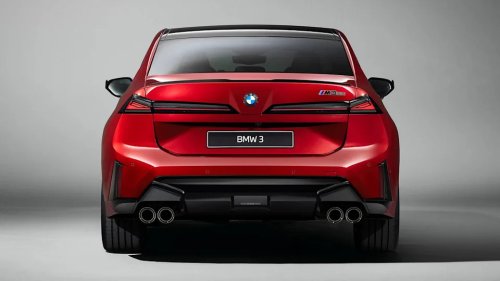
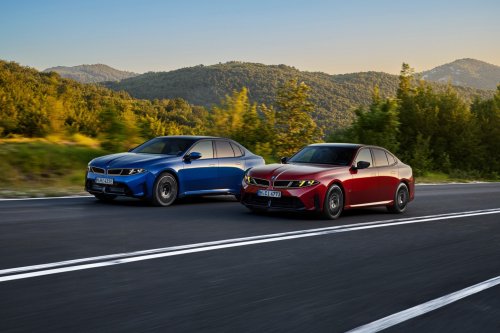
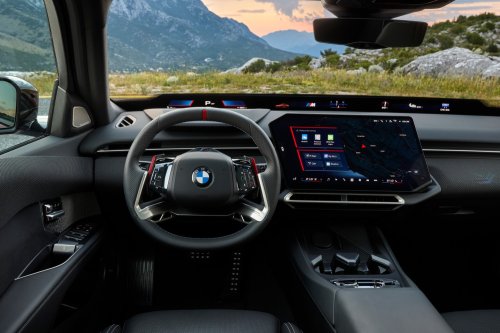
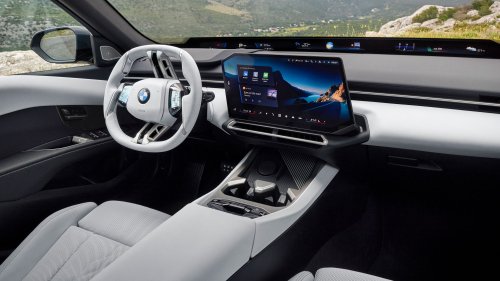
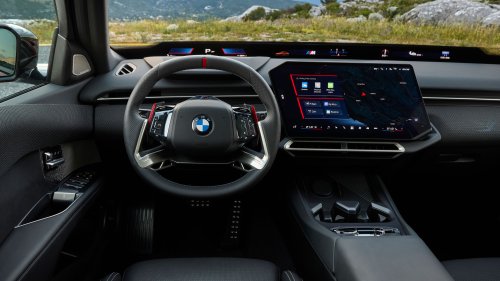
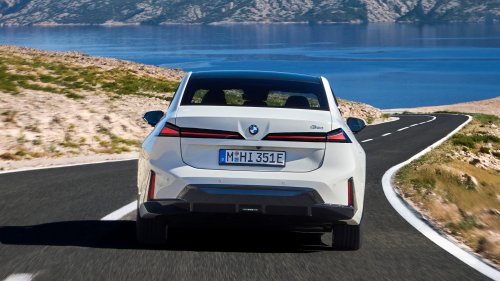
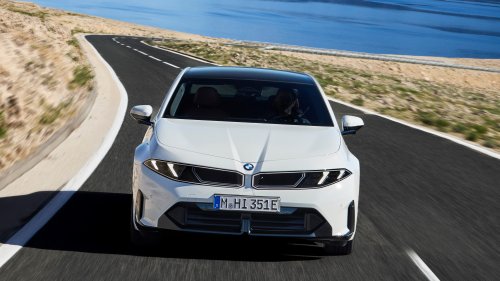
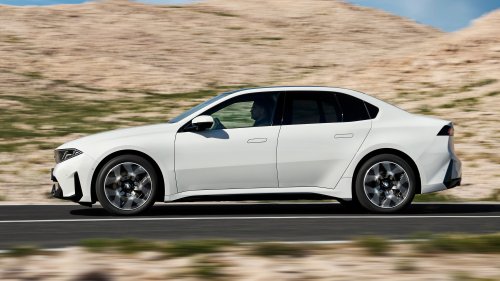
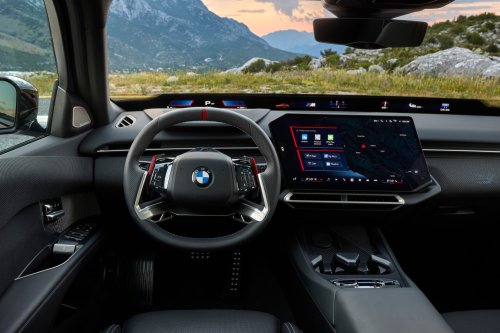
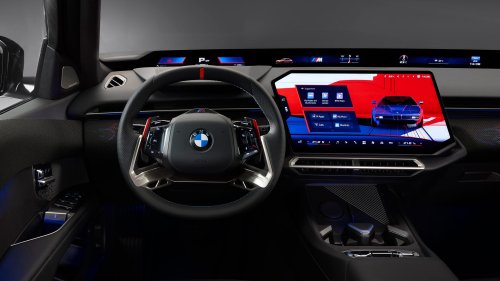
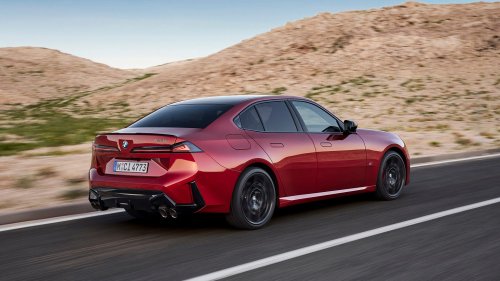
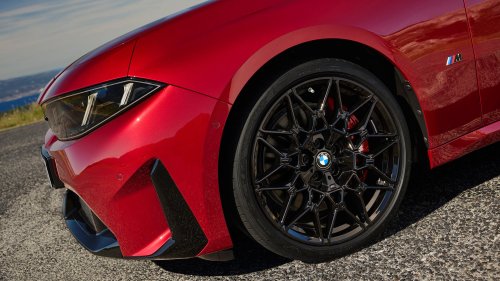
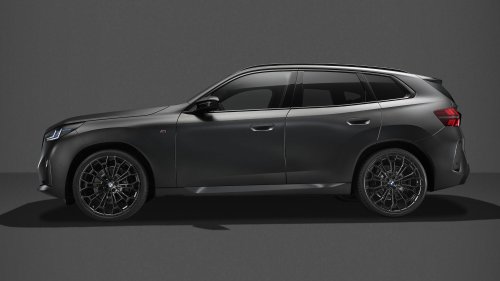
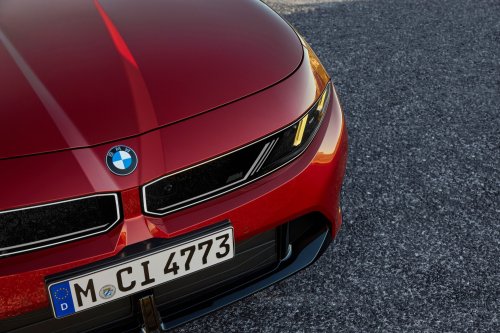
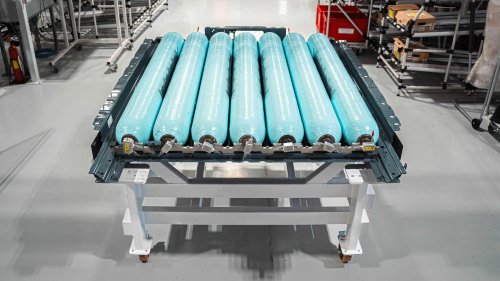
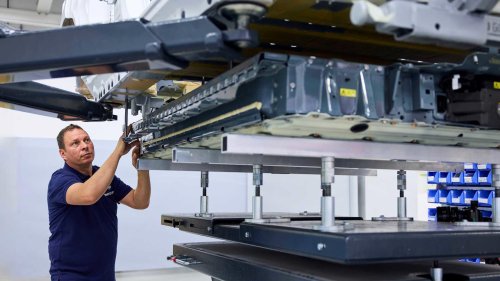
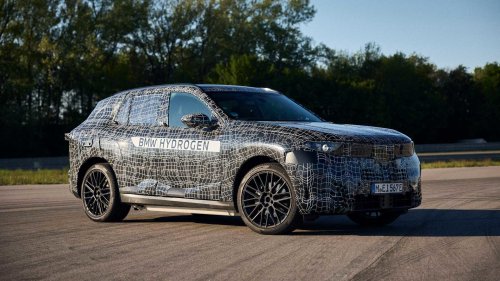
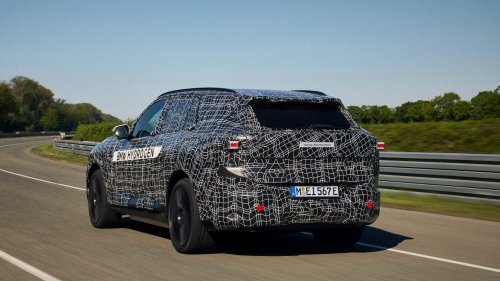
While infrastructure is probably the biggest obstacle for hydrogen fuel-cell vehicles, it's not the only one. Another is how to store hydrogen on-board. You need plenty of hydrogen to get any useful range, and storing that in vessels small enough for a vehicle requires really high-pressure tanks.These are usually in bulky, rounded shapes that don't fit easily in a car. This also results in more complex assembly and lost cargo space. However, it seems BMW may have finally solved the problem for its upcoming iX5 Hydrogen SUV using a patent we found years ago.BMW Tanks Replace Battery Packs The new tank design looks virtually identical to what was shown in BMW's patent drawings from four years ago, and they have the same basic benefits. Rather than one or two large cylindrical tanks in a center tunnel or behind the rear seats, BMW's new storage system uses a set of seven slim and interconnected storage tanks. The tanks, connected in parallel, are made from carbon fiber and placed in a steel case. This case fits in the floor of the new iX5, seemingly in a large section that would otherwise be occupied by battery packs. Some amount of battery capacity still remains, though, since fuel-cell vehicles are basically series hybrids, but instead of a gas engine producing electricity, a fuel-cell does it.BMW These tanks also have a capacity of around 7 kilograms of hydrogen, or around 15.4 pounds. Between the tanks and whatever battery capacity remains, BMW estimates that the iX5 Hydrogen will be able to drive up to 385 miles before needing to refuel. That's based on the WLTP test, and that number will probably be lower in the EPA test. Naturally, refueling only takes about 5 minutes.The benefits of this design are myriad. By fitting the tanks entirely in the floor, BMW says that interior space is identical between the fully-electric iX5 and the hydrogen version. The hydrogen models can also be built on the same assembly line, simply raising the tanks into the same opening as battery packs. As for safety, we presume the case is quite robust, but the location also provides protection just like it would for the battery packs: between structural members of the vehicle designed to hold up in a collision.BMW What To Expect From The iX5 The next-generation BMW X5 and iX5 will be launching in the next couple of years. Oddly, the only rough date BMW has given for production and availability has been 2028 for production of the hydrogen models. We're expecting both combustion and electric models to arrive a bit sooner, possibly sometime in 2027.We've seen spy photos of the SUV with various powertrains, and those will likely include gas, diesel, and hybrid combustion options, all with engines with different numbers of cylinders. On the electric side there will certainly be various battery and motor configurations, plus the hydrogen fuel-cell option. Among those various motor configurations will be some high-output ones that will probably have some form of M badge on the back.BMW Design wise, the new-generation X5 models look very similar to the Neue Klasse-based models, the iX3 and i3. The upright nose will have the new, short and narrow kidney grille motif with headlights integrated into thin faux grille openings. The wheel arches will be highlighted with strong shoulders, giving it a muscular appearance, and much of the body will likely be clean, lacking fussy creases. The interior will also probably follow the Neue Klasse vehicles with a single large center display, and myriad other instruments and information on a head-up display at the base of the windshield.



















 +37 others