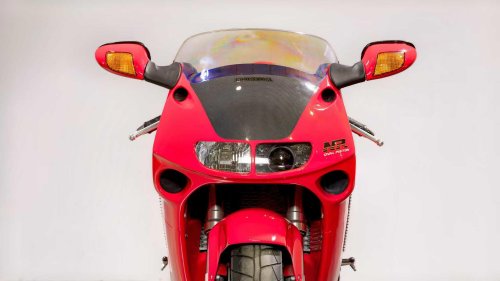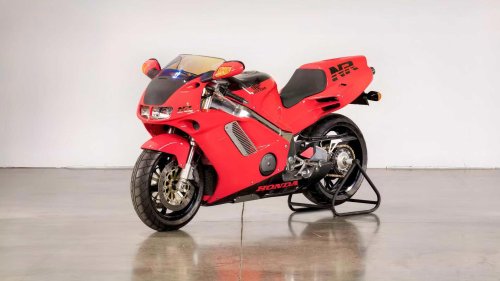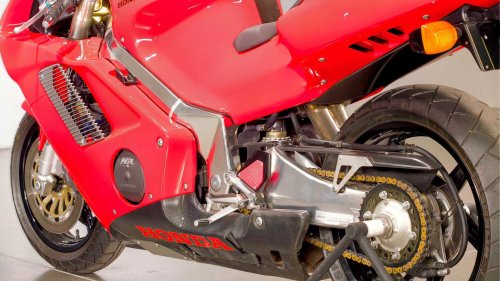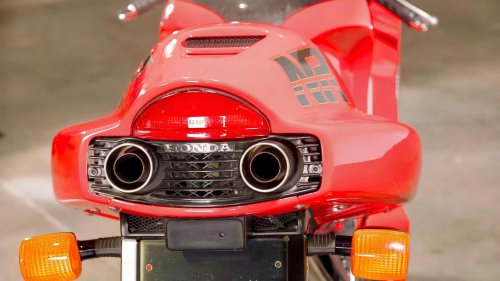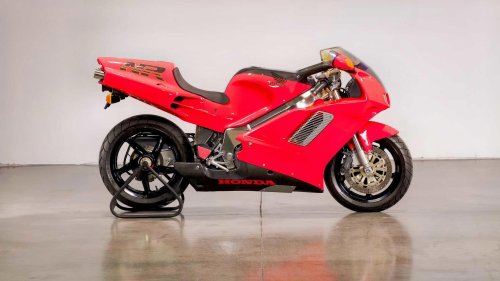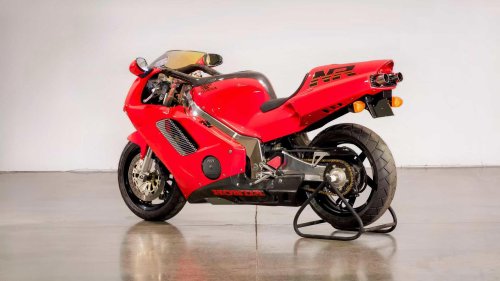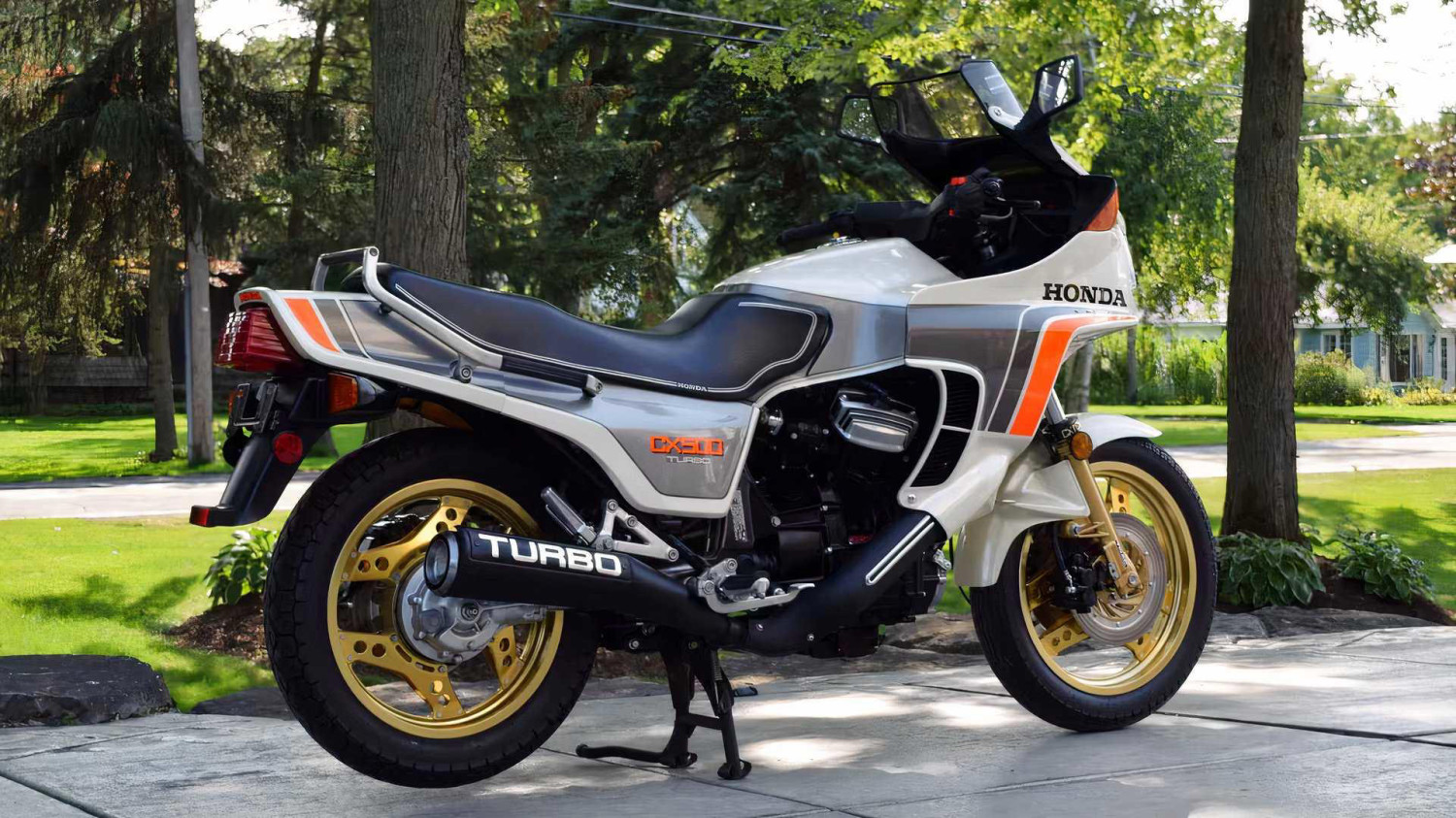
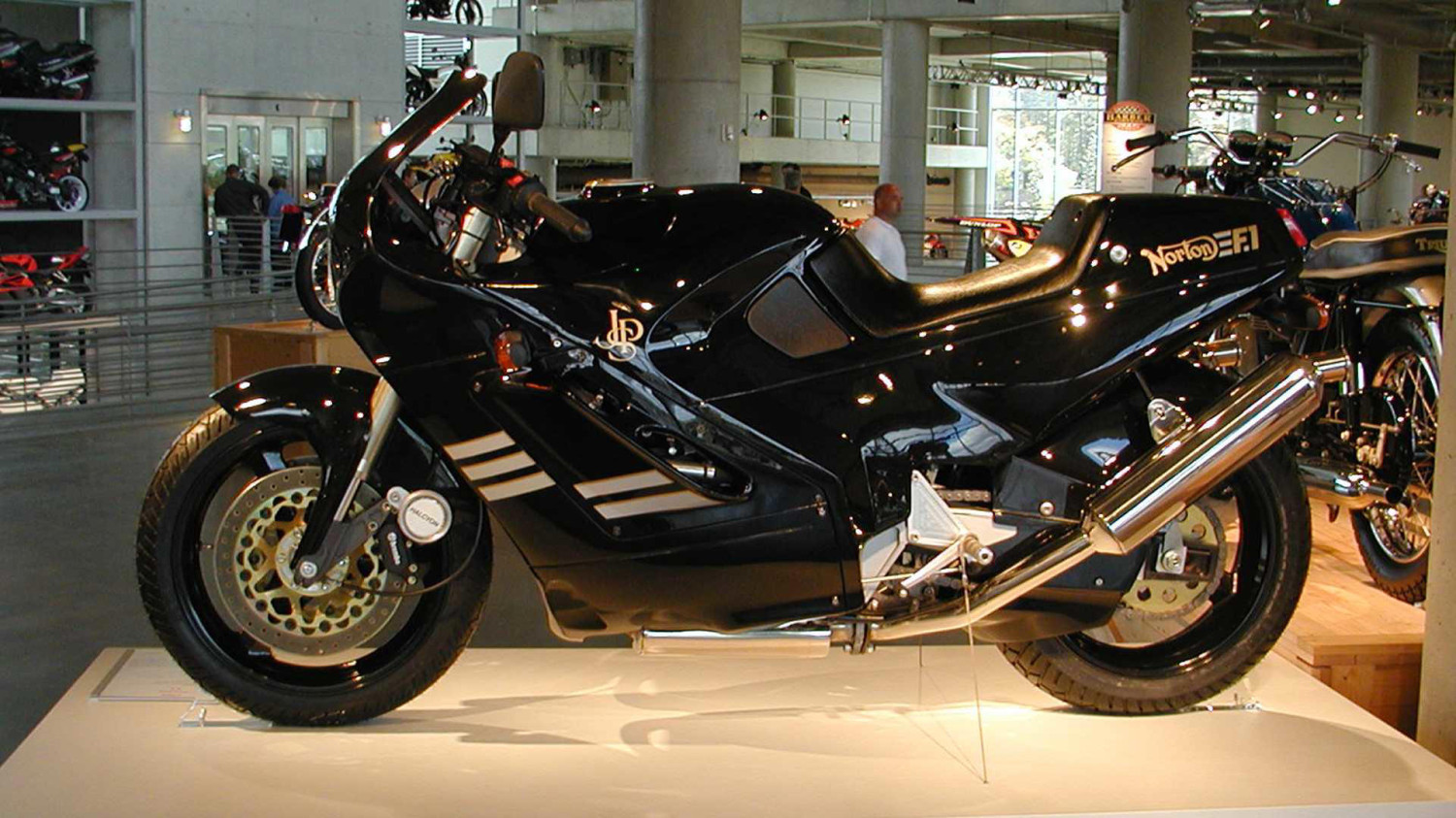
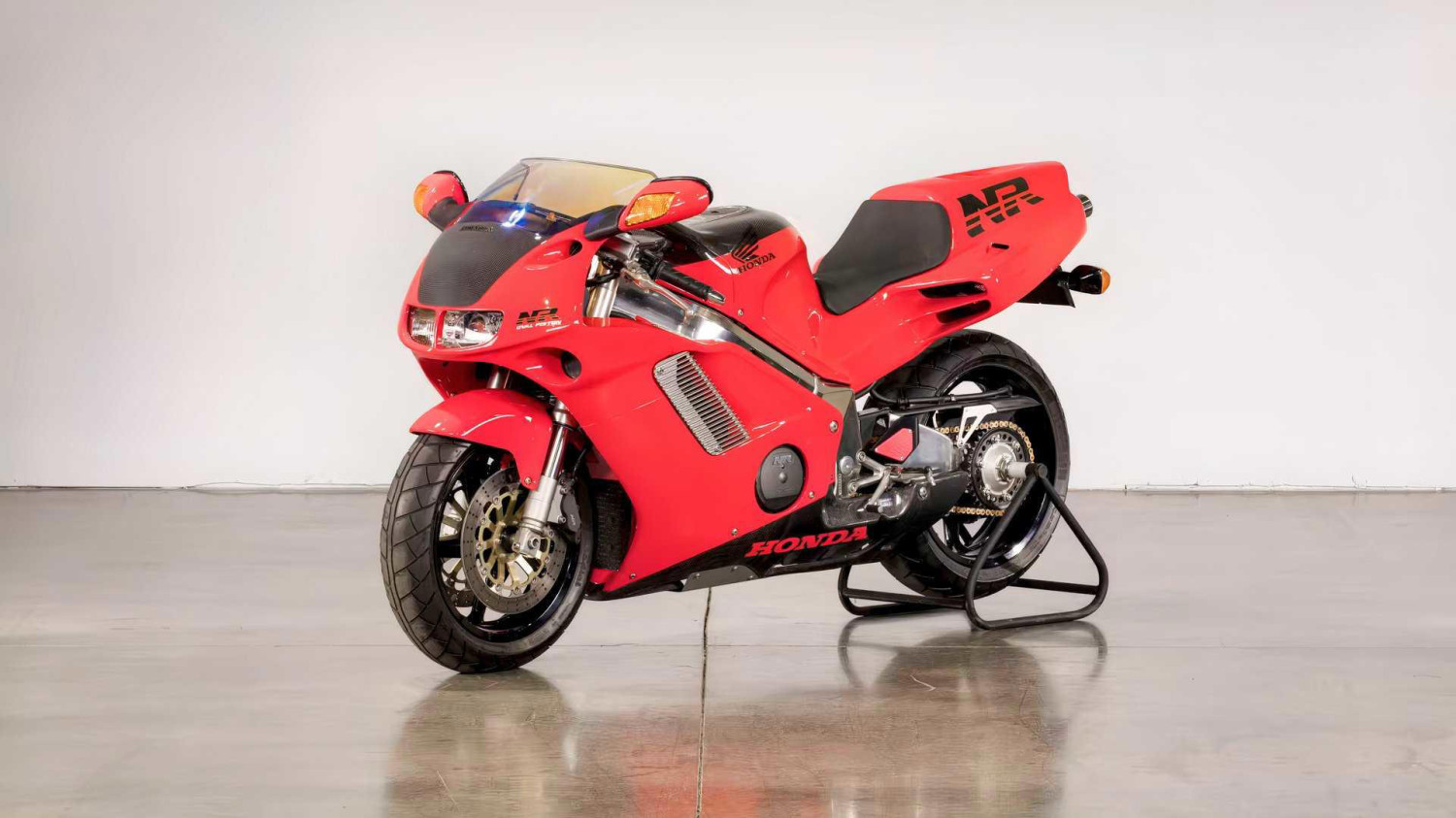



















Motorcycle technology has advanced quite a lot in recent years. The big manufacturers like Honda, Yamaha and Kawasaki are constantly coming out with innovations and typically doing quite well with them. But that hasn't always been the case in the motorcycle world. Over the decades, there have been some bikes that were genuinely advanced, but ended up either failing or just not being produced in massive numbers.That could be for multiple reasons. Sometimes it's because they were a big manufacturer dipping its toes into a potential new direction. Other times it was lesser-known brands trying something radically new that the public didn't exactly take to. Whatever the case, these bikes have now become recognized for how much they innovated. They were the first steps towards things that became more of an industry standard in today's market, and we have to give them credit for it! Ascot-Pullin 500 The oldest bike on this list, the Ascot-Pullin 500 first appeared all the way back in 1928. But for such an old bike, it feels incredibly modern. That's because it had several features that are now commonplace on bikes, but were incredibly innovative back then. These included a fully-enclosed chain, linked hydraulic brakes and a much more comprehensive dashboard layout than what you'd typically find on bikes of the time. The linked brakes were originally done to their own design, but eventually that was replaced with the Lockheed system.Unlike the other entries on this list, the Ascot-Pullin 500 was definitely not a performance bike. It was designed to be an easy bike to live with from day to day. That's shown pretty well by it only having around 17 horsepower and only having a top speed of 70 mph at most.With all its modern innovations, the Ascot-Pullin 500 should have been a hit. But sadly, that wasn't the case. Ascot-Pullin 500 Production It came to market during the era of the Great Depression, a time when a lot of people just didn't have the money or the confidence to spend on a more modern and innovative motorcycle. As a result, it was a relative failure. Only 400-500 Ascot-Pullin 500s were ever built before production stopped in 1930. While it may not have been popular in its day, enthusiasts properly recognize it now as being one of the most influential motorcycles ever. Honda CX500 Turbo Mecum AuctionsTurbocharged bikes aren't exactly unheard of these days. Plenty of crazy bike builds have them, and forced induction is starting to crawl back into the market. But back in the early '80s, it was absolutely unheard of to see a motorcycle with a turbo. That's where Honda changed everything with the CX500 Turbo.It was only available for the 1982 model year, and it had more innovative features than just the turbocharger. It also had a programmed fuel injection system and Torque Reactive Anti-dive Control (TRAC). That turbocharger made the CX500 Turbo a little bit notorious, and like all early turbo engines, it had quite a bit of lag! Honda CX500 Turbo Production The CX500 Turbo is, surprisingly, the most-produced bike on this list. 5,343 of them were made for the single year that it was available. Honda clearly took the hint, too, as it introduced a new turbocharged bike (the CX650 Turbo) the following year! While the CX500 Turbo was almost too advanced for its time, it did end up laying the foundation for all sorts of turbocharged performance monsters to come. Britten V1000 The Britten 1000 is a bike that you'd only know about if you're a serious motorcycle enthusiast. They're incredibly rare, with only 10 of them ever being made between 1991-1998. Everything was designed in-house by a tiny team, too. There are no off-the-shelf parts here — literally everything from the frame to the exhausts was created and built by hand by John Britten's New Zealand-based enterprise. It was an incredibly complicated and innovative design too. It was an early example of a frameless design, and it had some advanced features such as integrated data-logging. Britten V1000 Production With so few Britten V1000s being around, getting the chance to ride one or even own one is incredibly rare. But if you do, you're going to be experiencing a bike that was thinking decades ahead of the bigger manufacturers. Norton F1 MikeSchinkel via Wikimedia CommonsThe rotary engine is something you'd typically associate with cars, and specifically those made by Mazda. You wouldn't think of a rotary engine being used to power a bike at all. But back in the '80s and '90s, Norton actually had a few goes at fitting a road-legal bike with a rotary!The ultimate evolution of that was the Norton F1, an incredibly rare model that was only produced from 1990-1992. This had the same 588cc rotary engine that Norton had already used in the Commander, but with some modifications. This bumped the power up from the 85 hp of the Commander to 95 hp, taking the F1 up to top speeds as high as 155 mph. Norton F1 Production As it had a rotary engine, the Norton F1 suffered from a lot of the same problems as rotary-engined cars. It wasn't fuel-efficient, the emissions definitely weren't up to the kind of standards you'd expect from a bike these days, and it absolutely drank oil. Not only did it go through a liter of oil around every 1,000 miles, but the engine was also brand-sensitive. If you wanted to change what brand of oil you were using, you had to flush the entire system before doing the change! With all the hassle involved with that, it's no wonder that Norton's experiments with rotary engines in motorcycles were a bit of a commercial failure. Only the most seasoned collectors will have a Norton F1, and you have to be a real superbike fan to even remember that they ever existed in the first place. Honda NR750 MecumThe Honda NR750 has to be one of the most legendary motorbikes ever made. It was only made for a short time (1992-1994), it's one of the rarest production bikes around, and it had one of the coolest engine setups any bike has ever had. That was the oval-piston engine.This was Honda's way of creating a motorcycle engine that had the compact size of a V4, but with the power of a V8. It certainly had that, producing a massive 123 hp and 51 lb-ft of torque. This could propel the NR750 to top speeds above 150 mph. The NR750 was also the most expensive production motorcycle of its day, costing around $60,000 in 1992. Honda NR750 Production The oval-piston engine is no longer a thing in the motorbike world. It was actually a bit of a failure because it was such an engineering challenge for Honda. But if a patent filed by Ferrari is to be believed, the oval pistons could be making a comeback via four wheels instead of two! By creating a V12 with oval-shaped pistons instead of regular ones, Ferrari could unlock the secret to making the V12 layout efficient enough to keep it alive. We'll just have to wait and see if Honda's experiments with its motorcycle engines back in the day are proven right.Sources: Ascot-Pullin, Britten, Honda, Norton