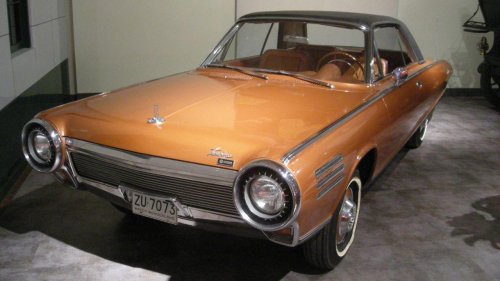
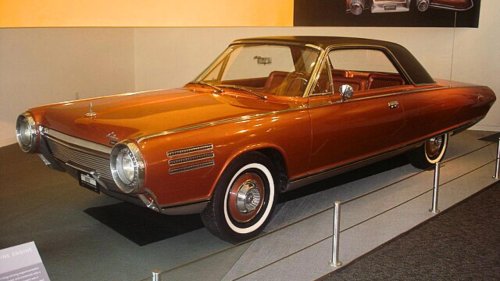
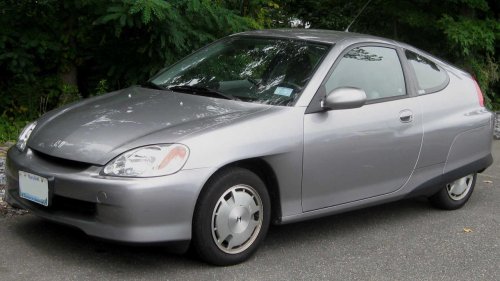
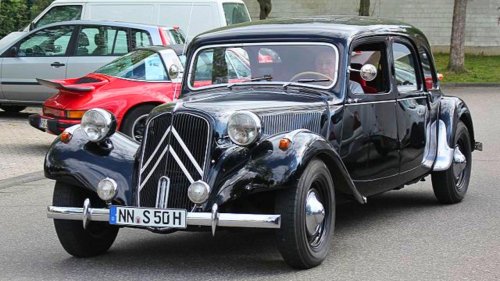
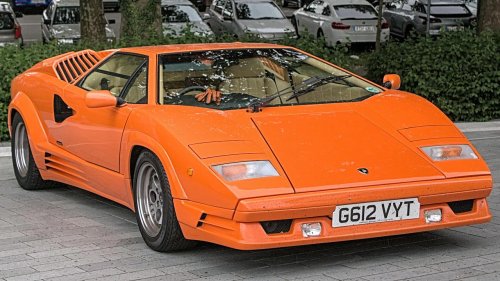
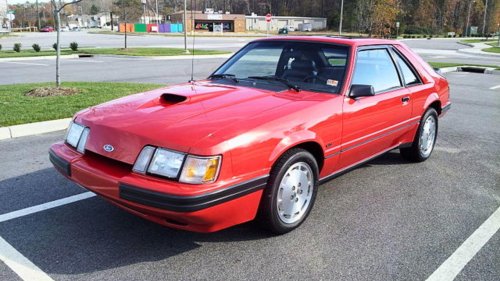
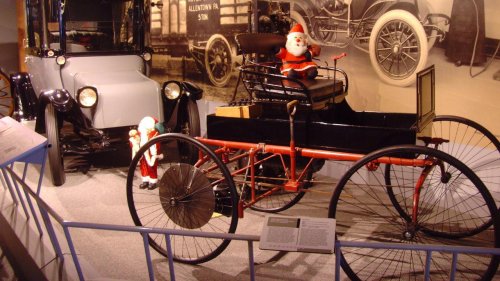
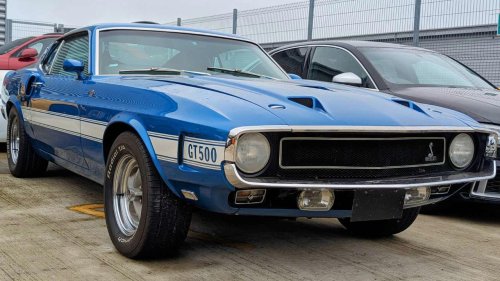
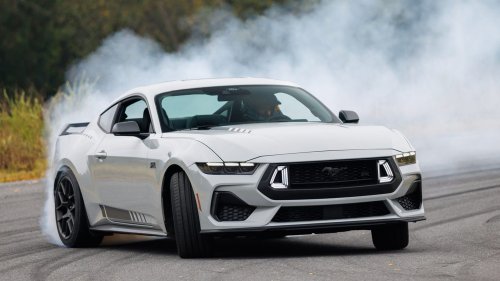
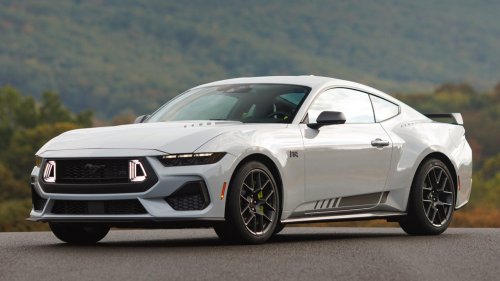
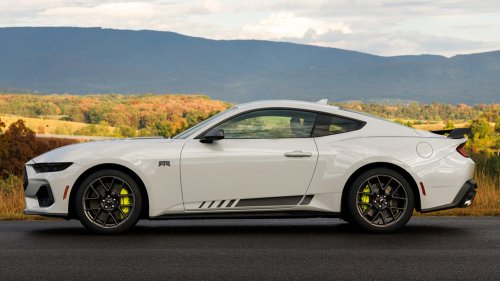
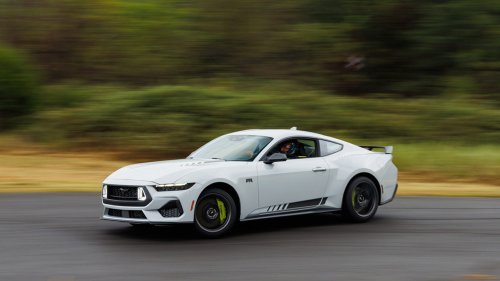
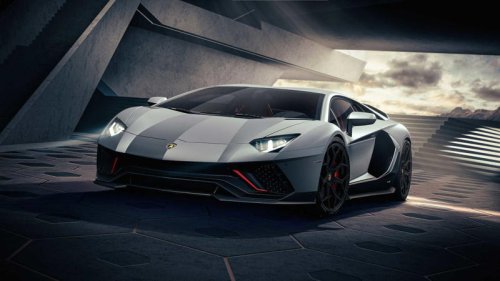
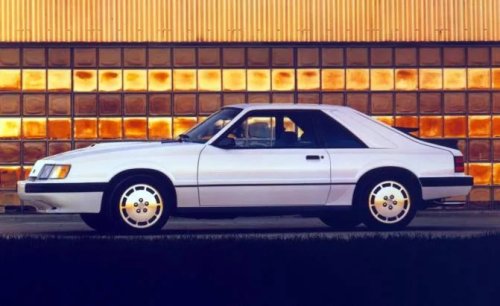
10 Cars That Were Ahead of Their Time But Went UnnoticedAutomotive manufacturers love to push the boundaries of what is possible. They sometimes come up with some genuinely outrageous ideas that sometimes work out, while other times, they are consigned to the scrap heap as quickly as they appear. This list contains ten outrageous cars that were ahead of their time. Many of them are forgotten about, perhaps because they were too radical, while a few did slip through the net and make it into production against the odds.Chrysler Turbine CarThe 1963 Chrysler Turbine Car is a radical concept that had limited public use. As the name suggests, the regular ICE was replaced by a gas turbine, the Chrysler A-831. Gas turbines offered some advantages over regular engines: They could run on a variety of fuels, require less maintenance, and last longer. However, they were much more expensive to manufacture. Chrysler built 55 turbine cars, some of which were used in a limited public testing program to evaluate their usefulness. Chrysler canned the project in 1966 and kept nine cars: six went to museums, the company retained two, and one now belongs to Jay Leno.First-Generation Honda InsightThe original Honda Insight is arguably the best of the lot. Introduced in the late 1990s, it had an incredibly aerodynamic body and a drag coefficient of just 0.25, making it the most aerodynamic production car of the time. Power came from a 1.0-liter ECA1 inline-thre engine, backed up by a 13 horsepower electric motor. The Insight was remarkably efficient, achieving up to 53 MPG combined and an incredible 64 MPG on US highways. It also beat the Toyota Prius to the market in the United States by a handful of months.Citroen Traction AvantCitroen unveiled the Traction Avant in 1934. The name translates into French for front-wheel drive. While it was not the world’s first front-wheel-drive car, it was the first to use a monocoque body. It also had independent suspension and rack-and-pinion steering. Its monocoque design made it incredibly safe and gorgeous-looking. Citroen sold over 750,000 of them across its production run, and it is one of the most influential cars of the 20th century. Plus, thanks to its low center of gravity, it handled far better than many of its rivals.Lamborghini CountachOf all the supercars ever made, the Lamborghini Countach remains one of the most outlandish. The Countach had a radical wedge-shape design, and the first version in 1974 boasted a dual-overhead cam 4.0-liter V12 making 375 horsepower. That power figure will increase exponentially over the coming years. Over time, the Countach would also look much more incredible, with busier bodywork and extra features such as the cool but impractical rear wing. The Countach laid the foundations for the Diablo, the last Lamborghini produced before Audi took over the company.Ford Mustang SVOThe Ford Mustang SVO first appeared in 1984, as the Malaise era of the muscle car was slowly coming to an end. Designed by Ford’s Special Vehicle Operations team, the SVO took a Pinto-derived 2.3-liter four-cylinder engine, added a turbocharged, and produced 175 horsepower. Incredibly, this was the same as the contemporary 5.0-liter V8 of the time, and with less than half of its displacement. Upgraded suspension, new wheels, and extra aerodynamic bodywork would also add to the allure of the Mustang SVO.ElectrobatIntroduced in 1894, the Elcrobat is one of the world’s first electric cars. It was designed as an alternative to the horse-drawn carriage. At over 4,400 lbs, 1,600 of which were thanks to the batteries, it showcased the infancy of electric powertrains. The 1896 Electrobat II trimmed the weight down to 1,800 lbs, and the batteries had enough range for 25 miles. They would lead to New York’s first motorized taxi service, with up to 600 of them on the road by the early 1900s. Sadly, by 1907, the operation and the Electrobat were gone.