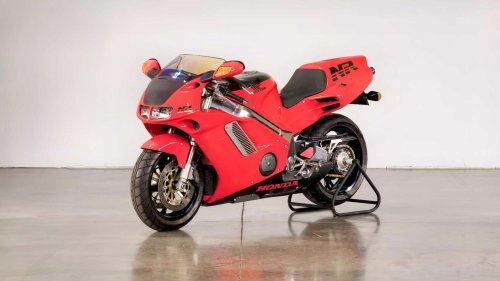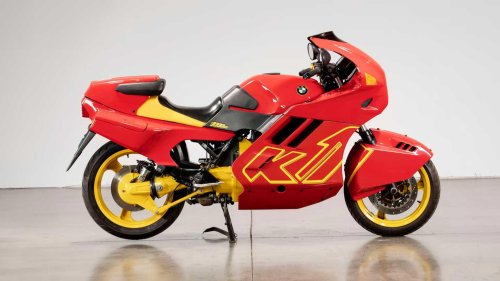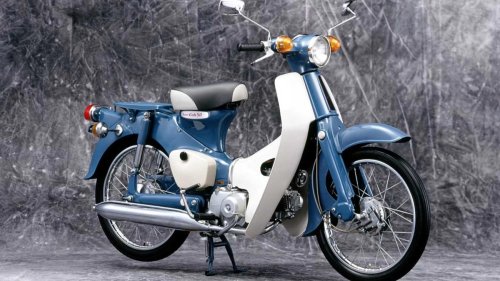
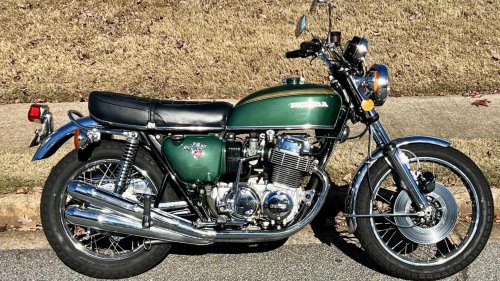
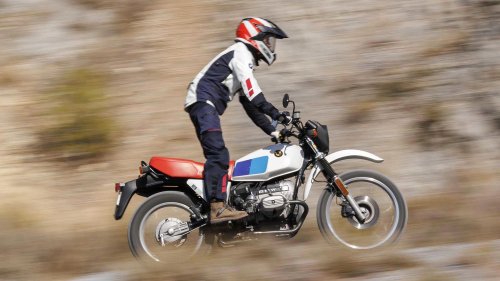
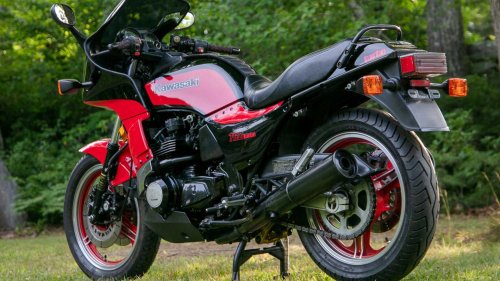
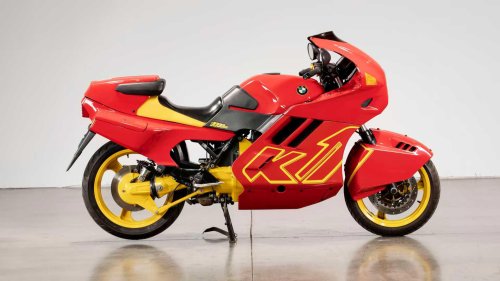
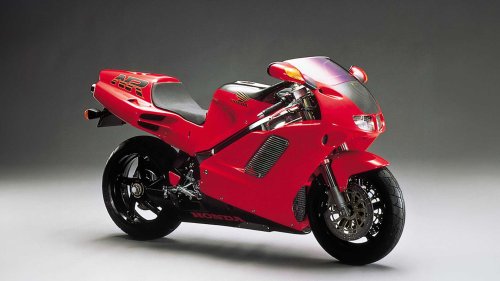
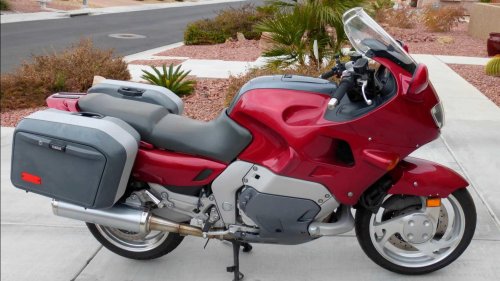
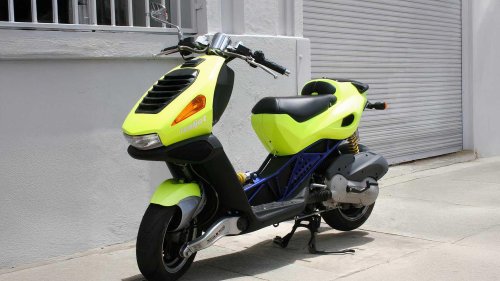
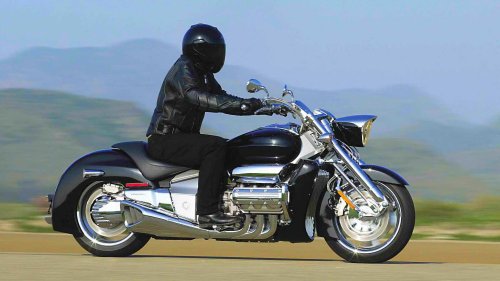
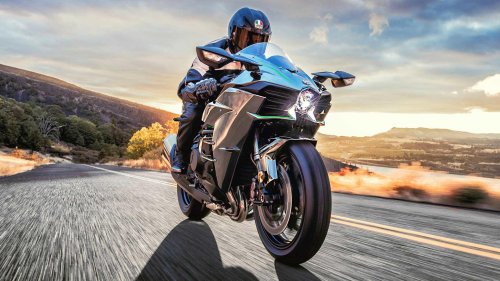

















In every walk of life, there are pioneers, and there are followers. To be a pioneer means to take risks. And the nature of risk-taking means that it might work, and it might not. If the risk works out, the people responsible turn into heroes, and are hailed as visionaries. If it doesn’t, though, then history forgets them, and it is almost as if they never existed. Worse yet, they might be remembered for something that turned out to be the opposite of intelligent in hindsight!This also happens in the world of motorcycles, whether sports bikes or cruisers. There are many who are able to follow a formula that is proven to work. Some manage to better it, and some just appear it to be competent. There are some models worthy of all the praise they get, however. It’s difficult to get every single worthy product in a list of just ten motorcycles, so if you think we’ve missed out on some, please let us know in the comments below.To give you the most up-to-date and accurate information possible, the data used to compile this article was sourced from authoritative sources, such as Honda Powersports, Kawasaki Motorcycles, and BMW Motorrad. We’ve arranged them by the initial year of production/launch year to give the list some order. Honda Super Cub Launch Year: 1958 HondaIn developed markets like the USA, motorcycles are lifestyle choices that are primarily fun. This isn’t the case with most of the world; what the pickup truck is to America, the small two-wheeler is to most developing markets. The Super Cub was a 50 cc moped, and its brief was to deliver utility and ease of ownership. It did that so well and with so much heart that it won over customers even in the US, which no doubt helped it in a small way to achieve its title of the most-produced vehicle in history! Honda Dream CB750 Super Four Launch Year: 1969 Bring a TrailerToday, the Universal Japanese Motorcycle format is possibly the most common motorcycle layout in history in developed markets, but this wasn’t always the case. The CB750 Super Four brought a number of firsts to the masses, including a front disc brake and electric start; again things that are taken for granted today. One final thing that we take for granted that was pioneered by the CB750 Four: reliability. Before this model, it was accepted that a motorcycle was unreliable and difficult to maintain. The CB750 changed all of that and how. BMW R 80 G/S Launch Year: 1980 BMWThere are a plethora of adventure bikes available today, and they range from small, cheap thumpers to hideously expensive but beautiful tourers. But this segment didn’t exist before BMW came up with the R 80 G/S. This was an enduro bike that was equally comfortable on tarmac – an unheard-of ability at the time. Racing success only grew its reputation, and today its descendants continue to rule their segments as premium products with their unique engine, suspension, looks, and the way they go about their business. Kawasaki GPz750 Turbo Launch Year: 1984 Iconic Motorbike AuctionsTurbocharging is alright when you have a car and an engine bay with space to stick the turbo, the intercooler, and the additional plumbing they require. On a motorcycle, there simply isn’t space. And yet Kawasaki managed to make it work with the GPz750 Turbo, the world’s first turbocharged bike from the factory. It didn’t do it out of choice; American laws of the time stipulated that the Japanese bikes had to limit their displacement. All the Japanese manufacturers came up with solutions, but the GPz750 Turbo is the one that showed the world first that it could be done, and that the performance could be matched despite the handicap. BMW K1 Launch Year: 1988 Mecum AuctionsWhen the GPz750 Turbo was tearing up top speed records, BMW was focusing on making a tourer while still adhering by the 100 horsepower limit that motorcycle manufacturers had imposed on themselves. BMW’s answer was the K1, a sports bike and a tourer – a sport tourer, if you will – when the concept was too new for the general public. It was big and comfortable and slow compared especially to the CBR900RR that launched soon after. Not many appreciated it while it was on sale, but in hindsight, the K1 did a lot of things that manufacturers are doing today, and for similar reasons. Honda NR750 Launch Year: 1992 HondaBy every quantifiable metric, the NR750 is a failure. The racebike version didn’t win any races, and barely managed a few podiums. The roadgoing version was limited to 300 units, because Honda lost big money on every single one of them. It cost five times as much as a CBR900RR. And yet it might just be the most influential motorcycle in history.It brought to production carbon fiber panels, inverted front forks, a cassette-type gearbox, magnesium alloy wheels, twin front brake discs, and an all-digital instrument display. It had over 200 patents! Not only this, styling elements like the slim twin headlamps and the underseat exhaust would go on to inspire the same details in what is widely considered to be the best-looking motorcycle in history! Yamaha GTS1000 Launch Year: 1993 Mecum AuctionsThe GTS1000 remains one of the greatest ‘what ifs’ in motorcycle history. Yamaha is a renowned motorcycle chassis builder, so when it put out a model with a hub-center steering system, you knew it was going to work well. And it did: the GTS1000 was a very comfortable highway bike, and it was a lot more stable than any of its competition in the corners, especially when the brakes were applied while leaned over.However, other things about it weren’t very nice – the engine’s powerband wasn’t inspiring, the fairing didn’t reduce buffeting enough, it didn’t have good tank range, and its price was prohibitively high. Who knows how many other hub-center steering models we’d have had today if the GTS1000 had been a success? Italjet Dragster Launch Year: 1998 User: Eric via Flickr/Wikimedia CommonsWe stick with a hub center steering system, only this time it isn’t on a 1,000 cc sport tourer, but a tiny 50 cc scooter called the Dragster. Italjet is an Italian manufacturer that made scooters whose chassis spec sheet read like it was a superbike. The chassis included an exposed trellis frame painted red, hub center steering, disc brakes at both ends, and monoshock rear suspension. The front suspension was a version of inboard suspension, too. Being Italian, it was impractical and expensive and not many bought it – but if there is a market for an ADV scooter today, we’re sure there is a market for a sport scooter! Honda Valkyrie Rune Launch Year: 2004 HondaWe’re very enamored by motorcycles that look like custom bikes even though they’re production motorcycles. The Honda Valkyrie Rune wasn’t merely that; it was literally a custom bike that Honda produced for one glorious year in the middle of the 2000s. The parts were made exclusively for it, the engine was rigid-mounted, the front suspension was a leading-link system unique to the Rune, and it was manufactured only for a single year. Honda wanted to flex its design muscles, got the desired reaction from the world, then stopped production and refused to elaborate further. Kawasaki Ninja H2 Launch Year: 2015 KawasakiSometimes the amazing seems ordinary simply because it works faultlessly. Like the motorcycles powered by the H2 engine like the Ninja H2 – there are a number of them now, and they’re all reasonably priced for what they are, so they come across as ordinary. It is easy to forget that nobody was willing to develop the blower for Kawasaki without an intercooler, and it took the expertise of Kawasaki’s aerospace division to finally get it done.Along the way, they have introduced us to new firing orders and substances like Inconel. Oh, and if you need any more proof that the H2 is before its time, the world’s biggest two-wheeler manufacturer is only now putting into production its own forced induction motorcycle, a mere ten years after the Ninja H2 went on sale.