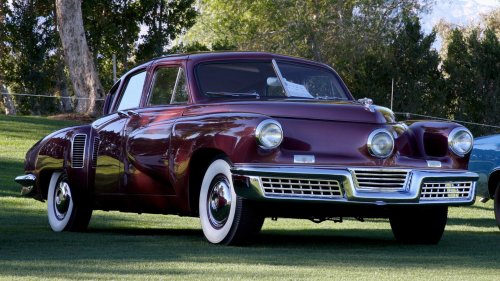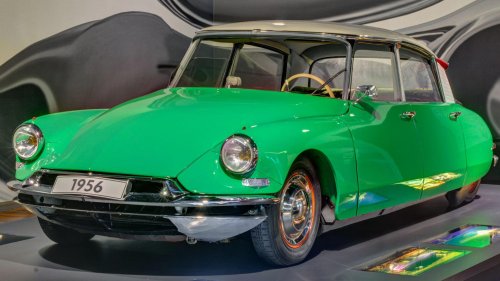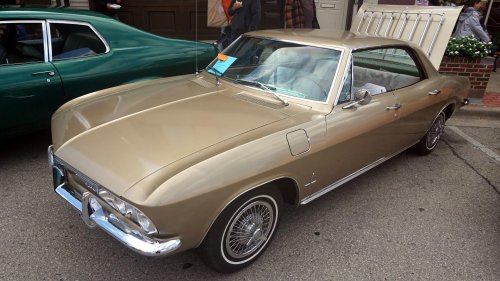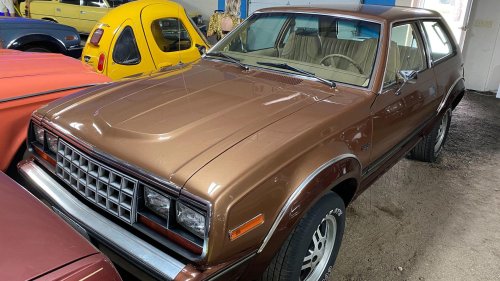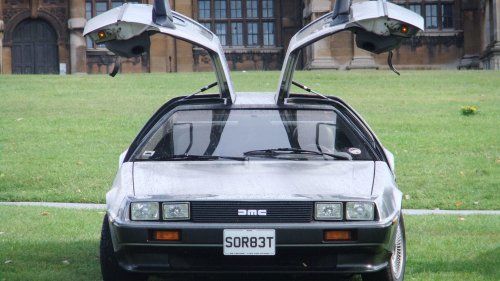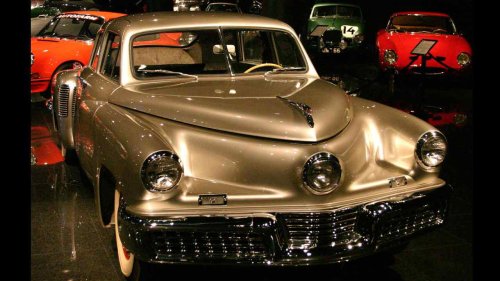
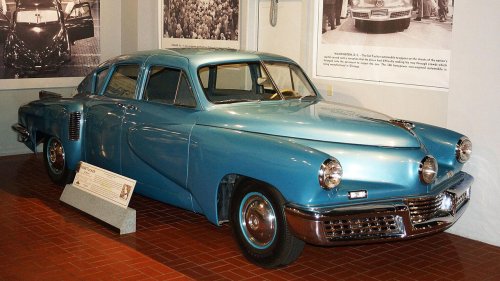
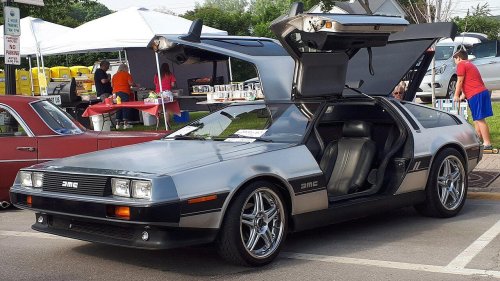
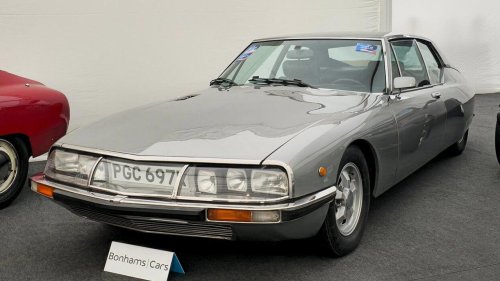
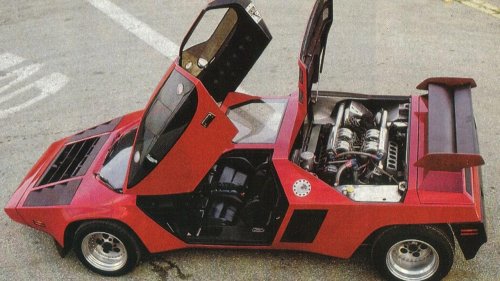
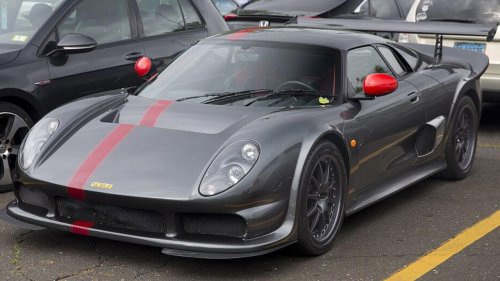
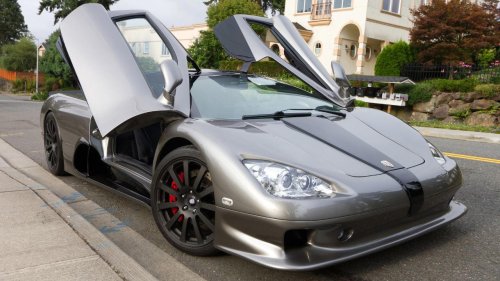



















Performance cars often push technology faster than the market, and the results can be brutal. These eight machines arrived with ideas that later became mainstream, yet their creators paid heavily for being early. Each one shows how innovation, from safety to aerodynamics, can collide with economics, regulation, and timing.The Tucker 48's Innovative Safety Features Led to Legal RuinThe Tucker 48, launched in 1948 by Preston Tucker, packed safety ideas that would not become common for decades. It used a third headlight that turned with the front wheels, a padded dashboard, and a pop-out windshield designed to reduce injuries in a crash. Only 51 units were produced before the company collapsed in 1949, leaving those features as curiosities rather than industry standards. The collapse followed intense scrutiny, including Securities and Exchange Commission investigations and lawsuits that drained capital and confidence. I see the Tucker story as a warning that technical brilliance cannot outrun regulatory pressure and financial fragility. For investors and engineers, it underlines how disruptive safety innovation can threaten incumbents and invite legal challenges when it arrives too quickly.DeLorean DMC-12's Stainless-Steel Design Couldn't Save It from BankruptcyThe DeLorean DMC-12, introduced in 1981 by the DeLorean Motor Company, was engineered to stand out visually and structurally. Its brushed stainless-steel body panels and gullwing doors sat over an underbody engine layout driving the rear wheels. Around 9,000 cars were built before the firm went bankrupt in 1982, a tiny volume for a startup carrying such heavy tooling and marketing costs. Production delays and funding shortfalls meant the company burned cash before it could refine quality or broaden the lineup. In my view, the DMC-12 illustrates how radical design, from corrosion-resistant panels to dramatic doors, cannot compensate for an underdeveloped supply chain and thin capitalization. For would-be niche manufacturers, it shows that even a visually iconic performance car can fail if the business model is not as robust as the engineering.Citroën SM's Advanced Steering System Fell Victim to the Oil CrisisThe Citroën SM, debuted in 1970, fused grand-touring speed with complex chassis technology. It integrated Diravi speed-sensitive power steering and the hydropneumatic suspension system from the Citroën DS, giving the car self-leveling ride height and remarkable high-speed stability. Power came from a 2.7 L V6, intended to deliver refined performance rather than outright economy. That engine became a liability when the 1973 oil embargo hit, making the SM’s thirst unappealing just as buyers turned toward smaller, simpler cars. Only 11,912 units were sold by 1975, and the model disappeared while its steering and suspension concepts later influenced mainstream designs. I read the SM as a case where sophisticated ride and handling arrived too early for a market suddenly obsessed with fuel consumption and maintenance costs.Vector W2's Turbo Powerhouse Sunk in Design Theft ScandalsThe Vector W2, unveiled in 1989 by Vector Aeromotive, was conceived as an American answer to European supercars. It boasted a twin-turbo 7.0 L DOHC V6 rated at 625 hp and used carbon-fiber construction to keep weight in check. On paper, it anticipated the carbon-bodied, high-boost hypercars that would dominate decades later. Yet only 17 prototypes were made before Vector’s 1993 bankruptcy, triggered by legal battles with Lamborghini over alleged stolen designs and intellectual property. Those disputes consumed resources that might have gone into production engineering and dealer support. I see the W2 as proof that cutting-edge materials and powertrains are not enough when corporate governance, licensing, and design ownership are left vulnerable.Noble M400's Raw Handling Overwhelmed Post-Recession BuyersThe Noble M400, launched in 2004 by Noble Automotive, targeted purists who valued feedback over electronic safety nets. It used a supercharged 3.0 L Ford V6 in a chassis weighing about 2,200 lb and deliberately omitted ABS and traction control. The result was a car praised for razor-sharp handling and track capability. Commercially, the timing was unforgiving. UK sales stalled at under 200 units annually, with its roughly 130,000 pound price tag alienating buyers in the wake of the 2008 recession. In my assessment, the M400 highlights how a hardcore, analog driving experience can become a liability when customers, and insurers, increasingly expect electronic aids and when economic shocks push them toward more versatile performance cars.SSC Aero's Extreme Horsepower Couldn't Overcome Ownership TurmoilThe SSC Aero, introduced in 2006 by Shelby SuperCars Inc., chased top-speed records with brute force and lightweight construction. It featured a 6.4 L V8 with dual superchargers delivering 1,183 hp, mounted in a carbon-fiber body that prioritized aerodynamic efficiency. On raw numbers, it anticipated the horsepower wars that now define the hypercar segment. Despite that specification, production halted at 5 units by 2013 after Jerico Performance bought out SSC amid patent disputes and Shelby licensing issues. Those ownership and intellectual-property conflicts undermined confidence among buyers who needed long-term support for a seven-figure machine. I view the Aero as a reminder that extreme performance cannot offset uncertainty about who actually controls the brand, the designs, and the service network.