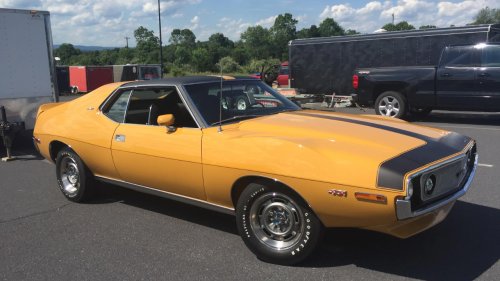
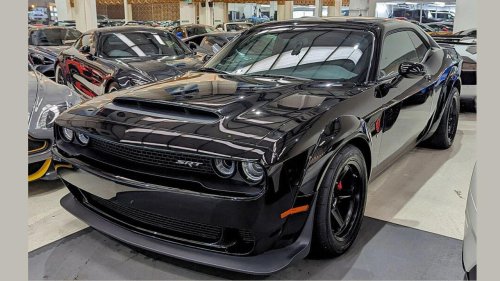
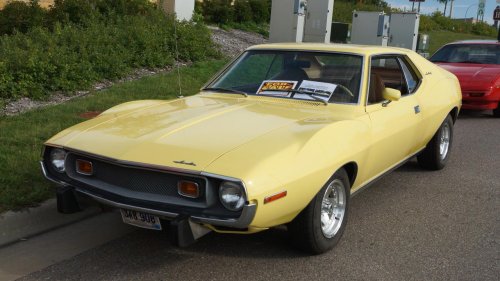
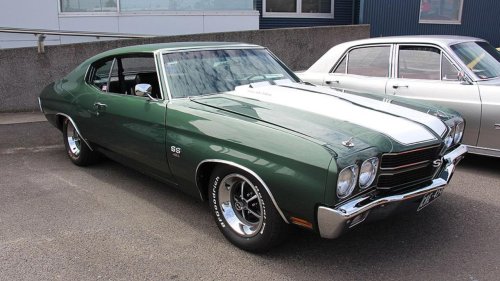
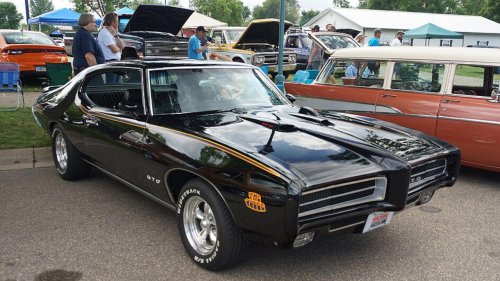
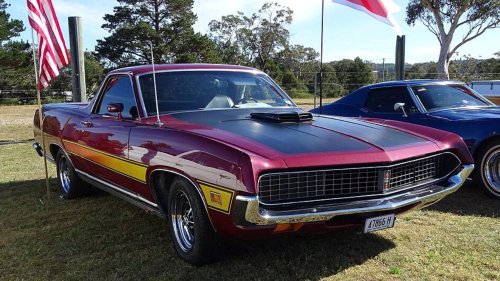
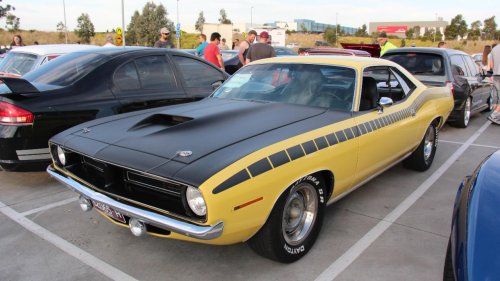
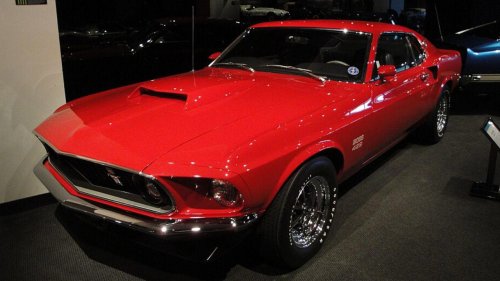
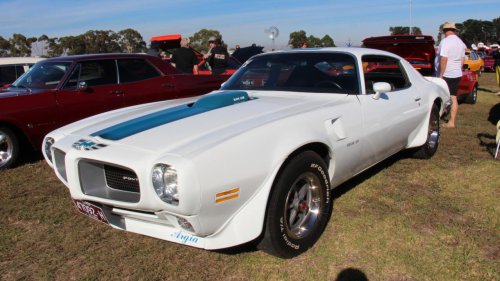
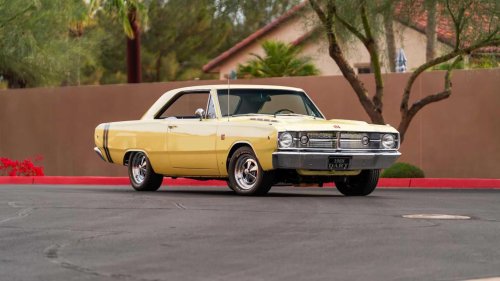
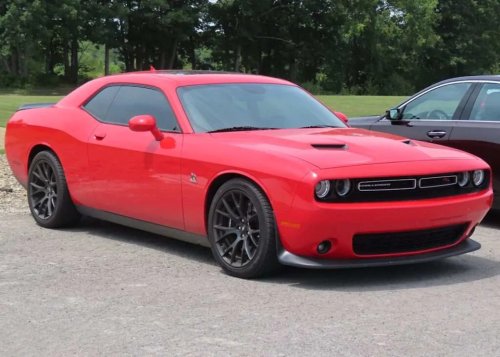
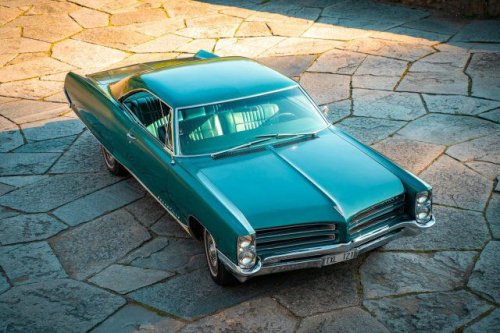
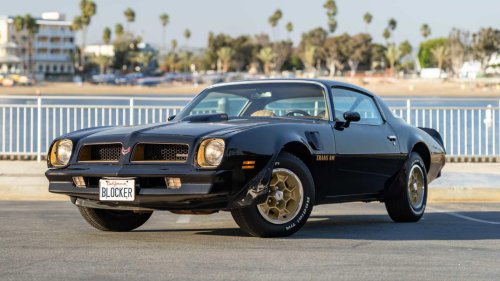
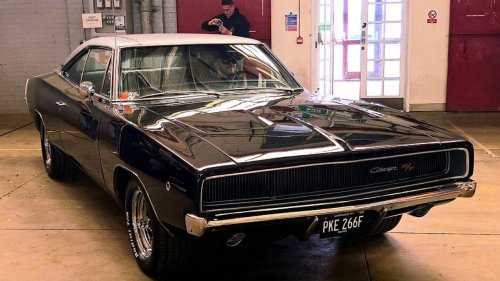
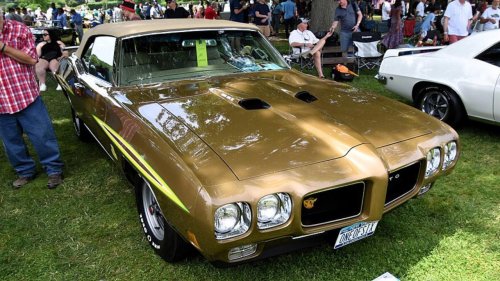
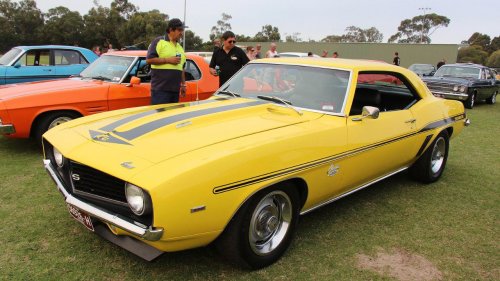
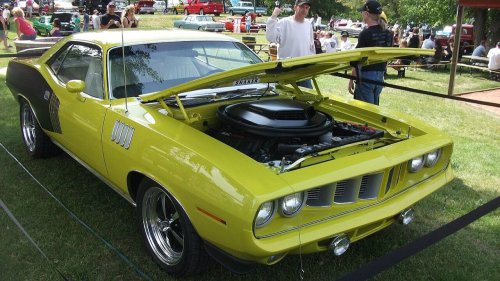
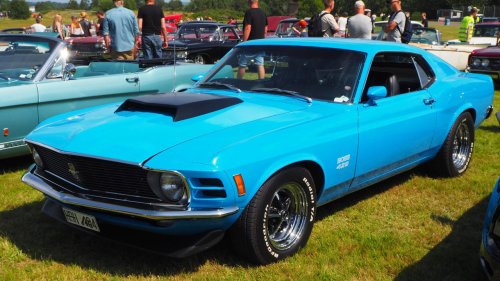
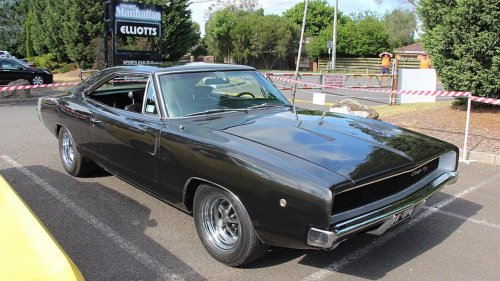
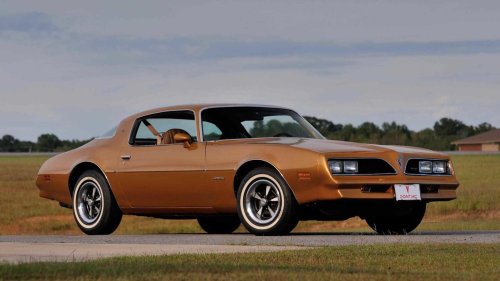
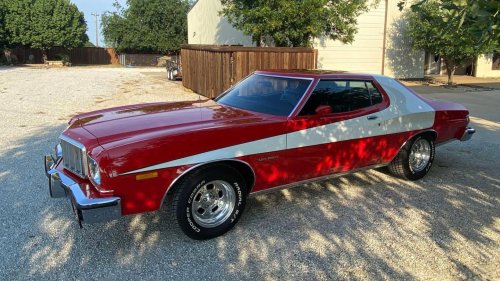
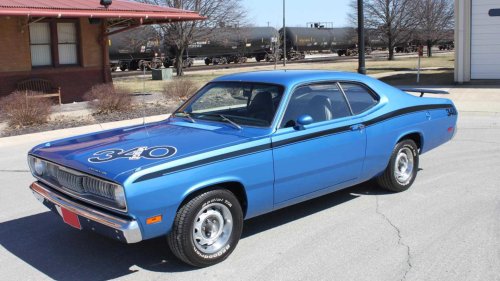
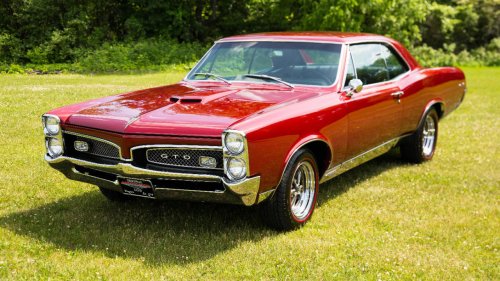
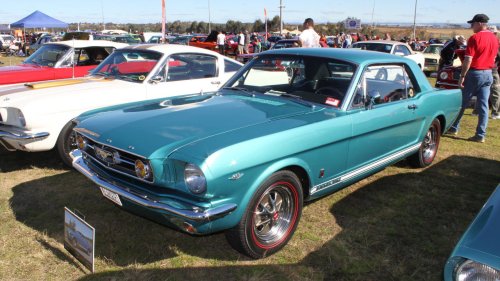
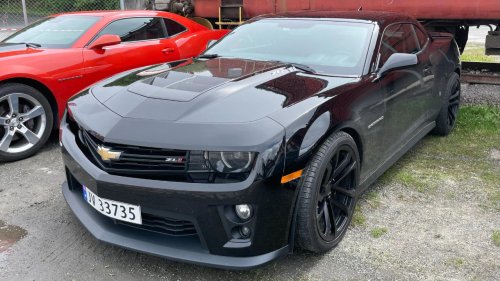
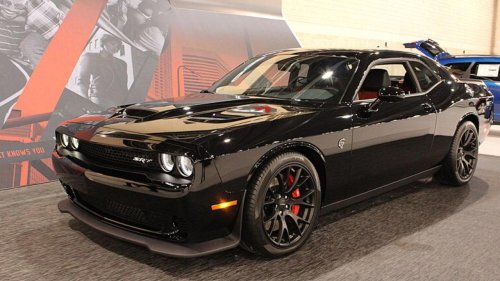
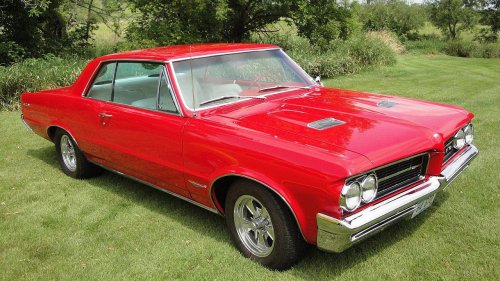
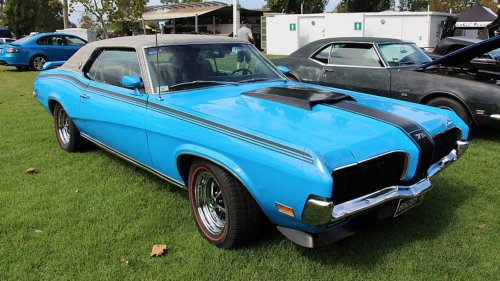
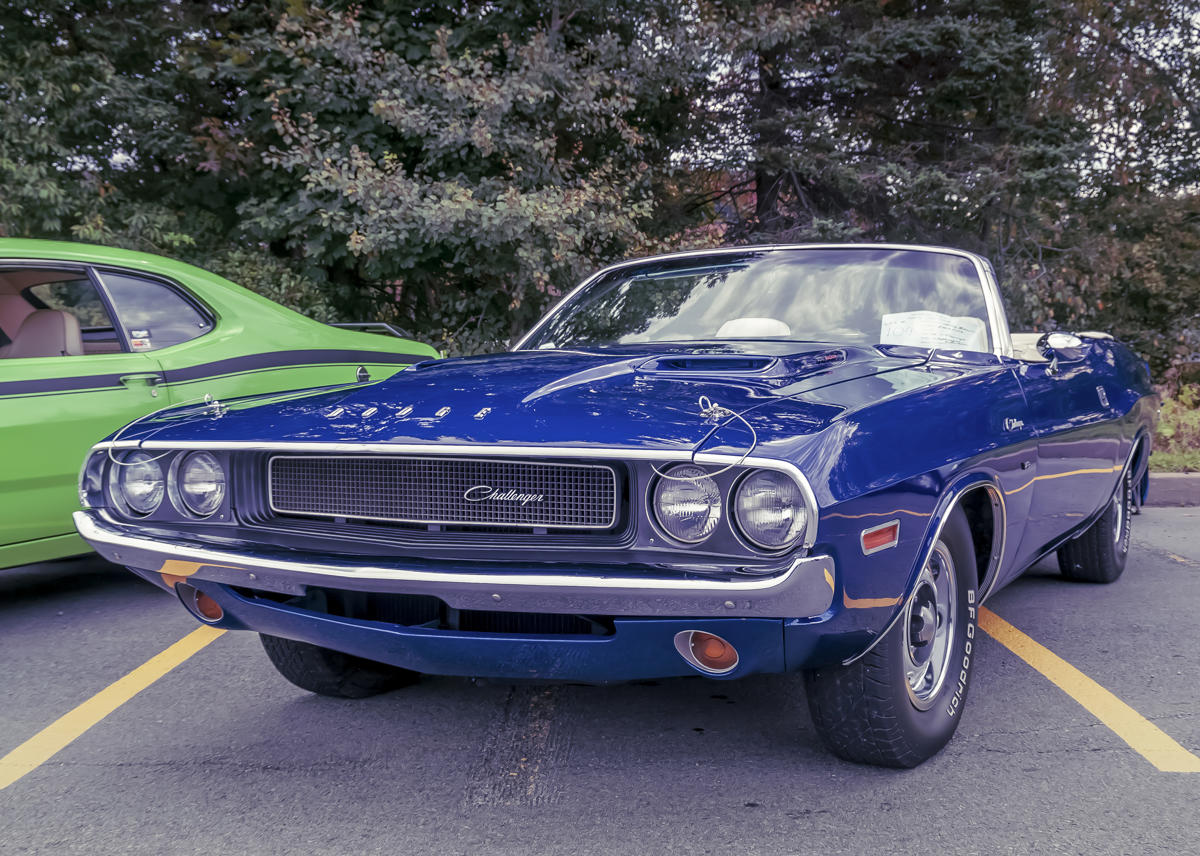
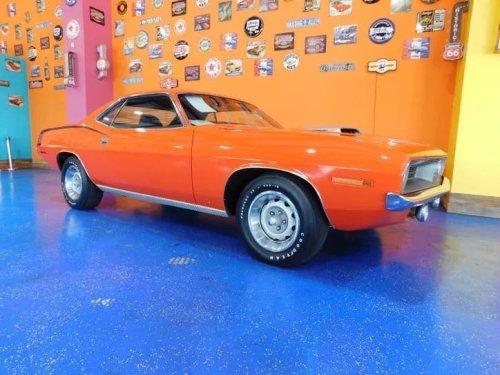
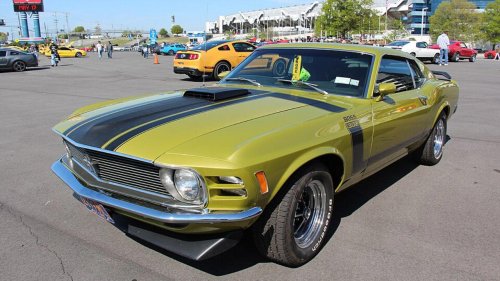
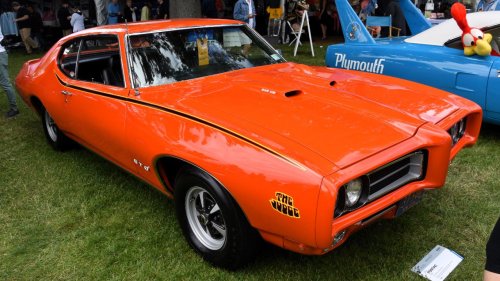
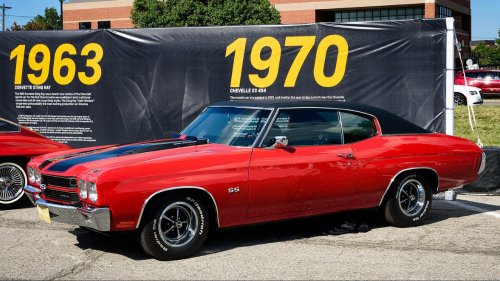
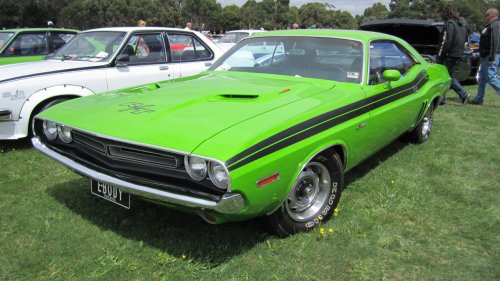
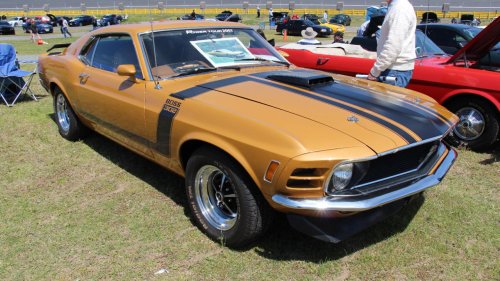
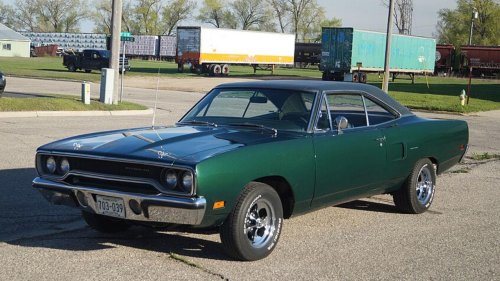
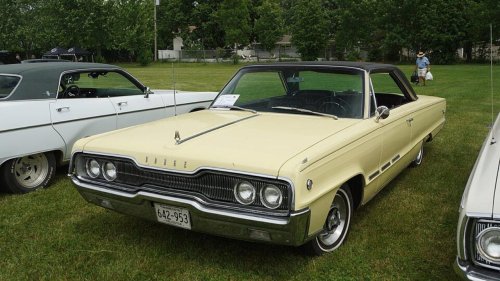
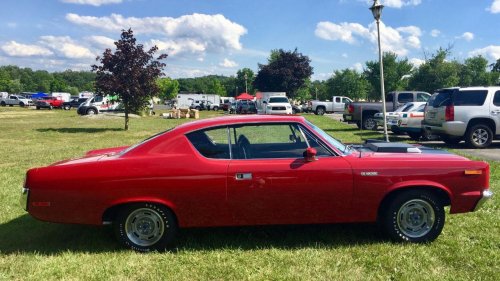
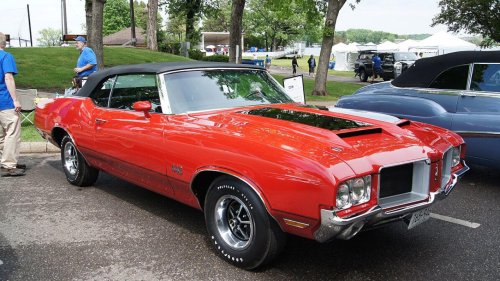
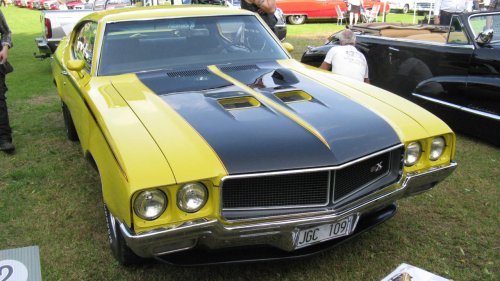
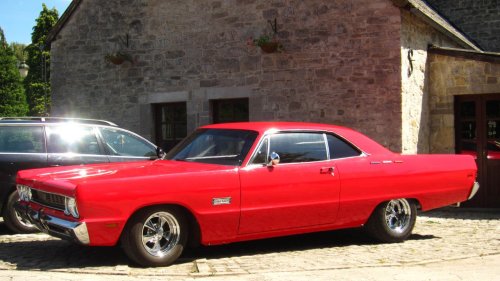
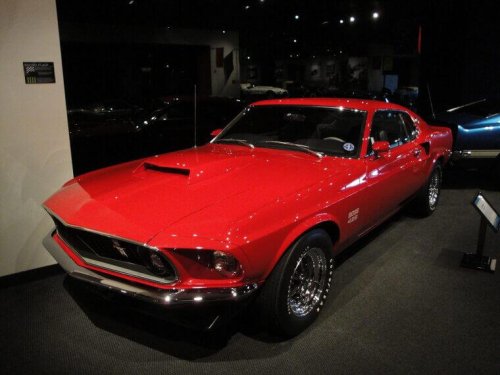
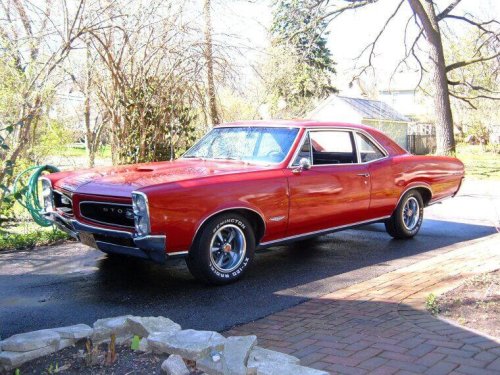
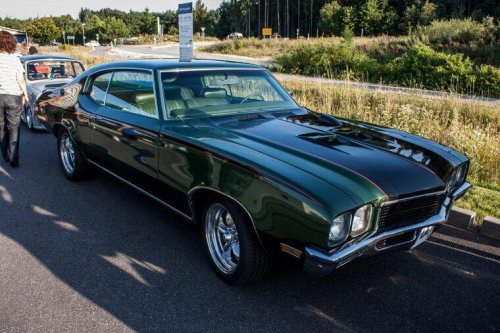
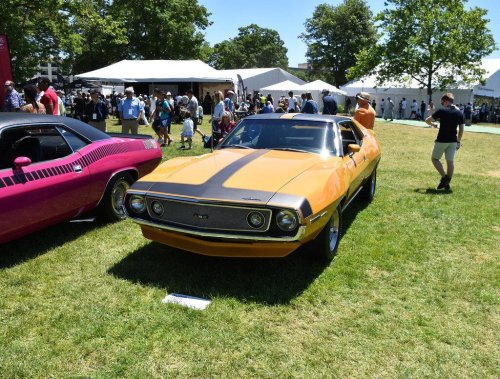
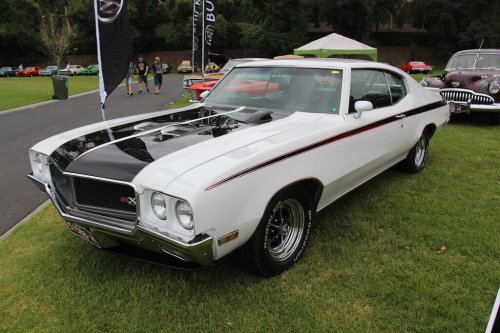
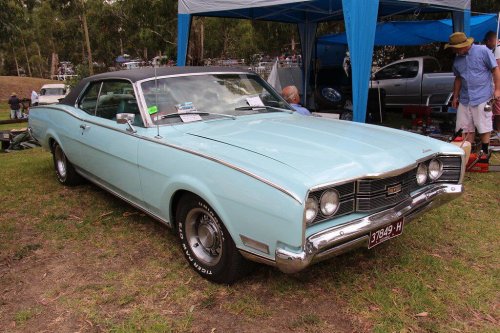
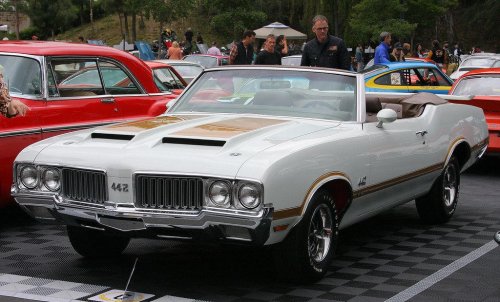
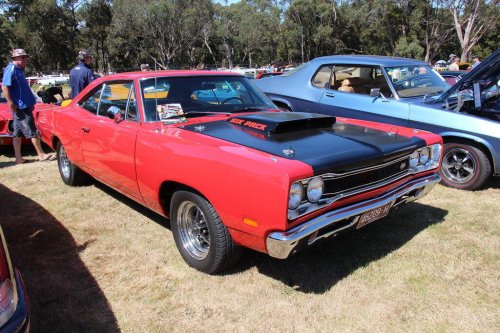
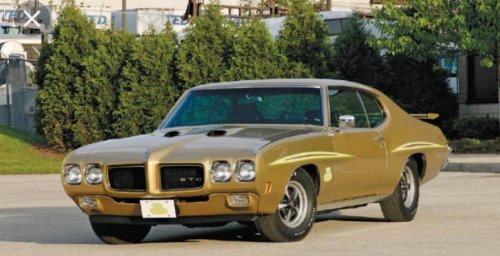
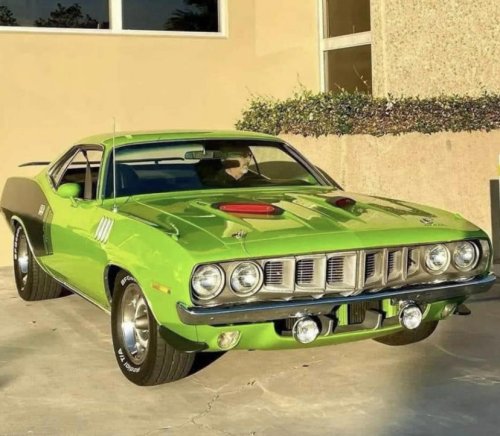
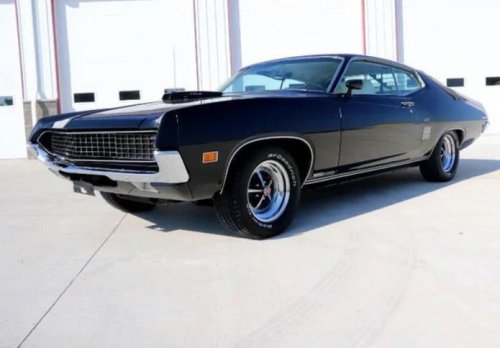
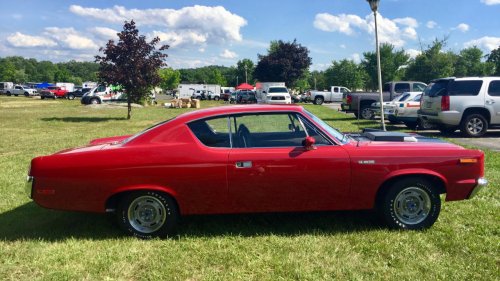
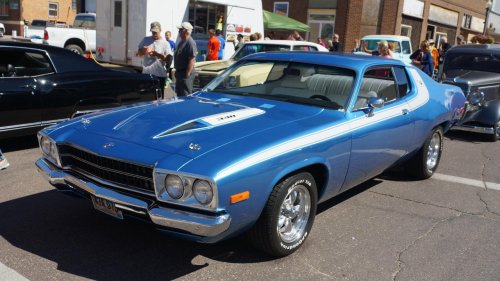
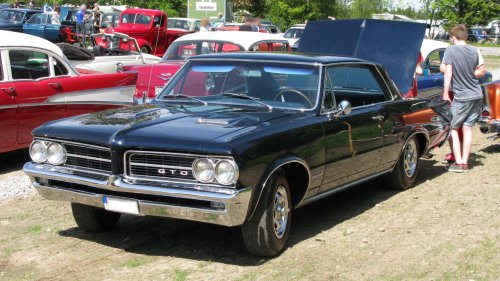
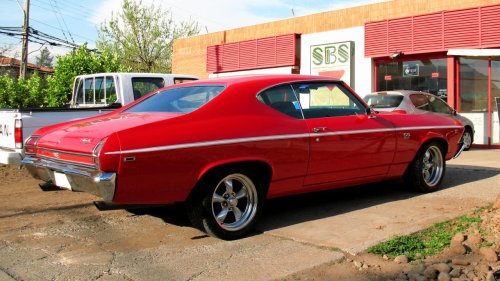
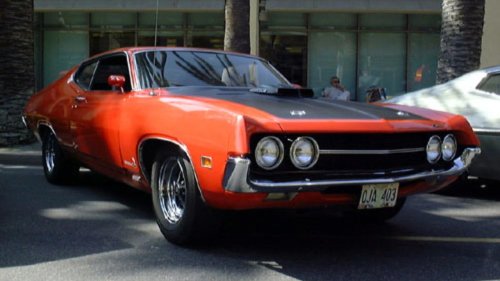
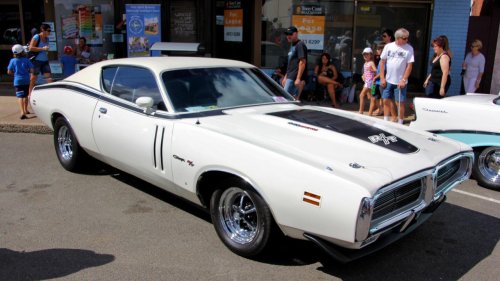
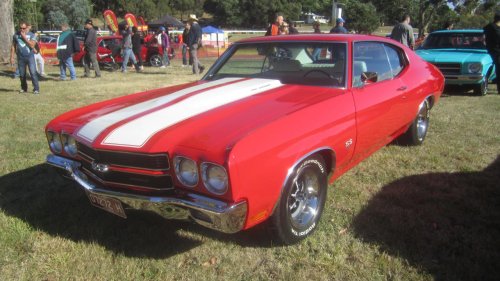
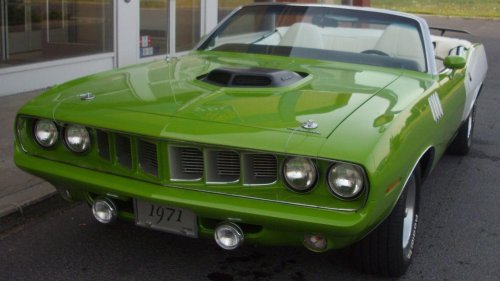
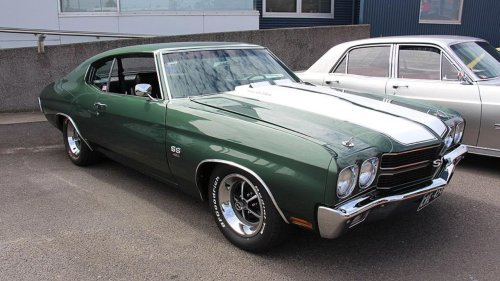
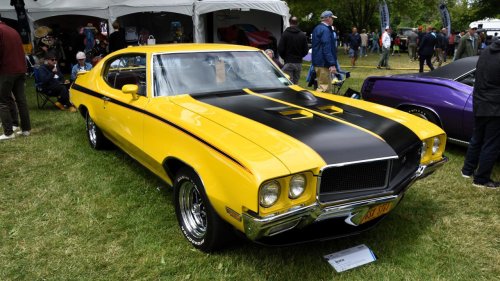
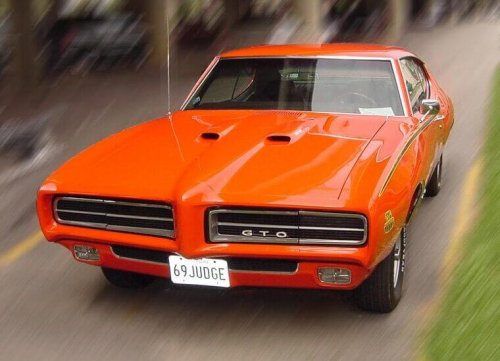
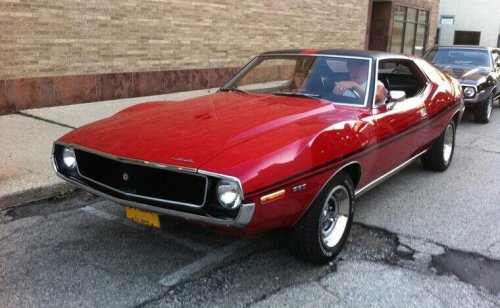
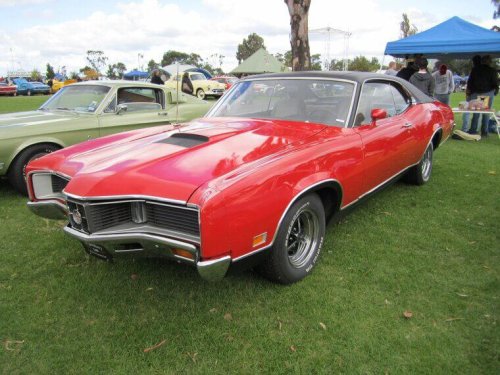
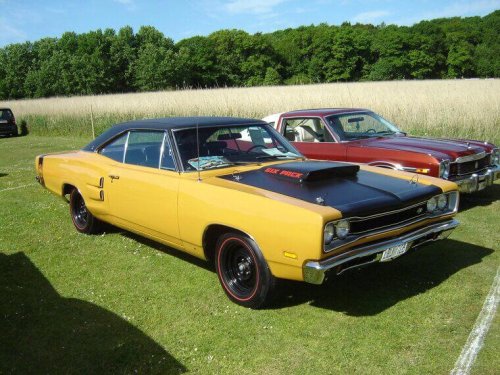
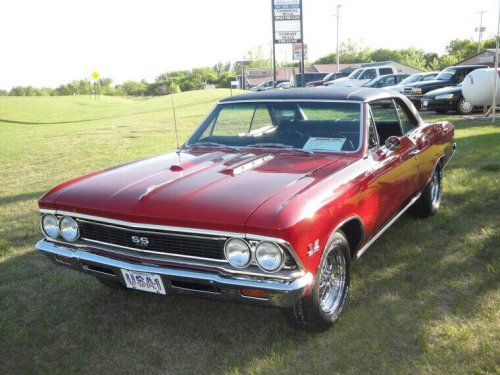
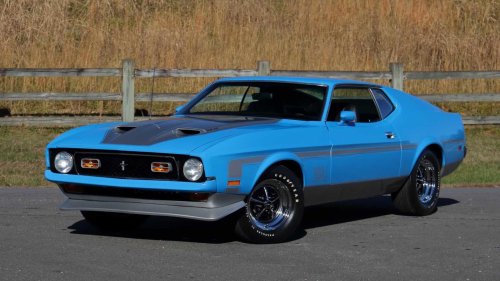
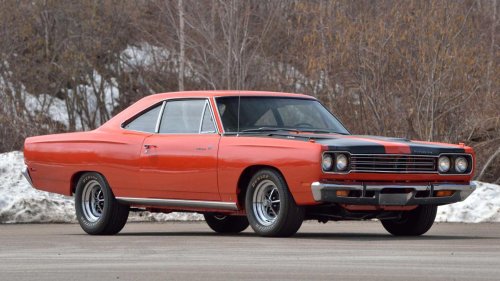
Muscle car history tends to spotlight the same headline grabbers, yet many machines quietly matched or beat the icons on raw pace. Enthusiasts who study detailed rankings from Detroit performance specialists, from the 60 and 70 classics to modern brutes, keep finding cars that were quicker than their reputations suggest. By focusing on specific models such as the Dodge Challenger SRT Demon and AMC Javelin, this list highlights nine muscle cars whose real-world speed and power outstrip the stories usually told about them.2018 Dodge Challenger SRT DemonThe 2018 Dodge Challenger SRT Demon is often treated as a marketing spectacle, yet its hardware backs up the hype. Reports on modern performance legends confirm that the supercharged V8 delivers a towering 840 horsepower, a figure that places it among the most potent American production cars ever built. Many casual observers assume its weight and retro styling make it more show than go, but its drag strip focus tells a different story. Specialized launch electronics, drag radials, and a transbrake allow the Dodge Challenger SRT Demon to exploit that 840 output in short bursts of brutal acceleration. Analysts who track the fastest American machines from Detroit consistently rank it near the top of modern straight line performers. For collectors and tuners, the Demon proves that a car can carry nostalgic styling yet deliver performance that embarrasses lighter, more exotic rivals.1968–1974 AMC JavelinThe 1968 to 1974 AMC Javelin spent decades in the shadow of better known pony cars, which led many to underestimate its performance. Coverage of the however, AMC, Javelin, discussion describes it as grossly underrated among 1960s and 1970s muscle. With strong V8 options and competitive chassis tuning, the car could run with contemporary Mustangs and Camaros, even if its badge lacked the same showroom pull. Period road tests showed that a well optioned AMC Javelin delivered brisk quarter mile times and high speed stability that surprised drivers familiar only with its commuter image. For modern enthusiasts, the Javelin illustrates how corporate underdogs built serious performance hardware that now trades at a discount compared with the era’s celebrities. Its sleeper status has implications for collectors, who increasingly look beyond the big three for value and speed.1970 Chevrolet Chevelle SS 454 LS6The 1970 Chevrolet Chevelle SS 454 LS6 is widely admired, yet even seasoned fans often underestimate its true output. Detailed comparisons of power, and factory, show that the LS6 454 was rated at 450 horsepower, while real figures approached 485. That gap reflects conservative factory ratings used to keep insurance companies and regulators calm, which in turn muted the car’s reputation among casual observers. On the street and strip, the Chevelle SS routinely outperformed rivals with similar advertised numbers, confirming that the 454 cubic inch V8 was among the fiercest engines of its time. For historians of American performance, those hidden figures highlight how paperwork often lagged behind mechanical reality. Owners who understand the 450 versus 485 story see the LS6 not only as a style icon but as one of the most underappreciated factory hot rods of its generation.1969 Pontiac GTO The JudgeThe 1969 Pontiac GTO The Judge carried a flamboyant image, yet its real performance was often overshadowed by its graphics. Reports on American Muscle Cars With Higher Than Advertised Horsepower describe Pontiac GTO The Judge engines that quietly exceeded the quoted 400 rating, with some references even truncating the name to Pontiac GTO The Judg while discussing output. That discrepancy suggests Pontiac, like other manufacturers, deliberately softened its published numbers. On the road, that meant The Judge could outpace many rivals that looked quicker on paper. Insurance companies and corporate politics nudged Pontiac toward conservative claims, which helped the car fly under the radar of regulators while still thrilling owners. For collectors today, the combination of underrated power and iconic styling makes The Judge one of the clearest examples of a muscle car that was faster than its reputation.1971 Ford Ranchero GTThe 1971 Ford Ranchero GT, particularly in 429 configuration, is sometimes dismissed as a mere utility variant rather than a true muscle machine. Enthusiast coverage of Underrated Muscle Cars That Were Actually Awesome highlights a Blue 1971 Ford Ranchero GT with a 429 cubic inch V8 and references the number 94 in the context of its presentation, underscoring how easily details about this model can be misunderstood. What matters for performance is that the big block 429 delivered serious straight line speed comparable to contemporary intermediates. By blending pickup practicality with muscle car hardware, the Ranchero GT confused traditional categories and consequently slipped past many collectors. Reporting on Underrated Muscle Cars argues that such hybrids deserve more respect, and the Ranchero GT is a prime example. Its story shows how body style can distort perceptions of genuine performance.1970 AAR 'CudaThe 1970 AAR ‘Cuda, often mentioned alongside the Challenger T/A, carried a 340 Sixpack small block that was officially rated at modest output. Reporting on Muscle Cars With Underrated Factory Horsepower Ratings identifies the AAR and Challenger T/A as 340 Sixpack (T/A AAR) cars, with the 340 figure tied directly to their displacement. Yet period testing and racer experience suggest that the aggressive camshaft, triple carburetors, and free flowing exhaust delivered more power than those conservative figures implied. On winding roads and short tracks, the AAR ‘Cuda could embarrass heavier big block rivals despite its smaller engine. Coverage of Muscle Cars With places it among several models where factory claims were intentionally muted. That strategy helped the AAR ‘Cuda become a sleeper in plain sight, especially for enthusiasts who valued handling as much as raw acceleration.1969 Ford Mustang Boss 429The 1969 Ford Mustang Boss 429 is famous for its racing pedigree, yet some still view it as more homologation special than outright street terror. Modern retrospectives on legendary muscle cars place the Boss 429 among the best performance vehicles ever made, emphasizing how its big block engine was detuned for the road. Even in that softer state, it delivered acceleration that rivaled or exceeded many small block competitors. On paper, the car’s official ratings and heavy nose suggested a compromise, which tempered its reputation among those who never experienced it directly. In practice, the Boss 429 responded dramatically to minor tuning, revealing the racing intent baked into its cylinder heads and bottom end. For modern owners, that latent potential has turned the car into a prized platform for both historic authenticity and discreet performance upgrades.1970 Pontiac Firebird Trans Am Ram Air IVThe 1970 Pontiac Firebird Trans Am Ram Air IV carried a reputation as a handling focused pony car, yet its straight line performance was formidable. Testing cited in performance retrospectives records a Quarter mile time of 13.9 Seconds for the Ram Air IV package, a figure that put it ahead of many contemporary rivals. In an era when a 360-horsepower Vette set the sports car benchmark, this Trans Am could run neck and neck. That combination of cornering ability and drag strip pace made the Pontiac Firebird Tr a rare dual threat. The Ram Air IV engine shared much with other Pontiac GTO The Judge hardware, including aggressive cam profiles and high flow heads. For enthusiasts, the car demonstrated that a well tuned small block style package could challenge bigger engines while still carving corners with confidence.