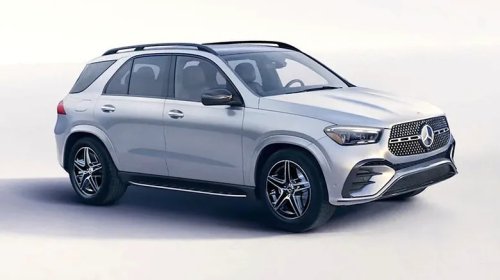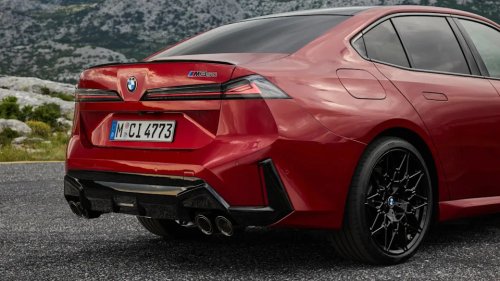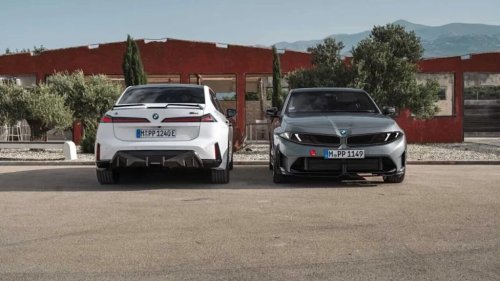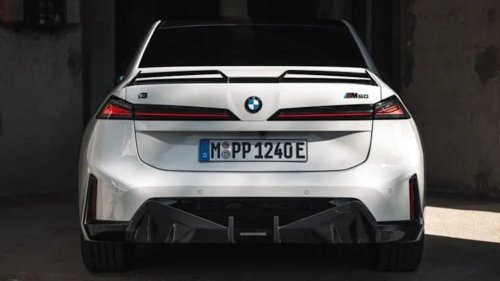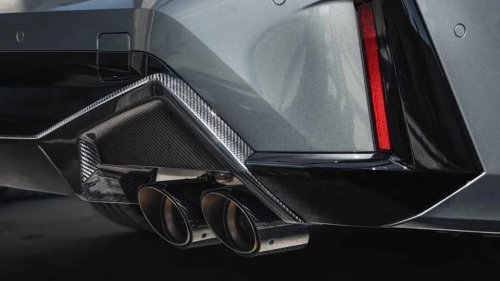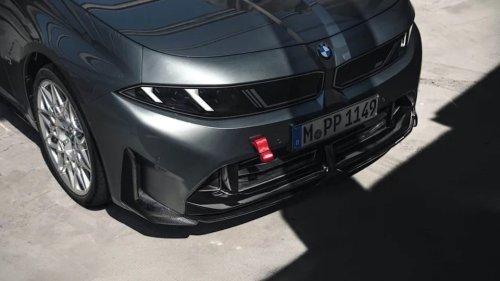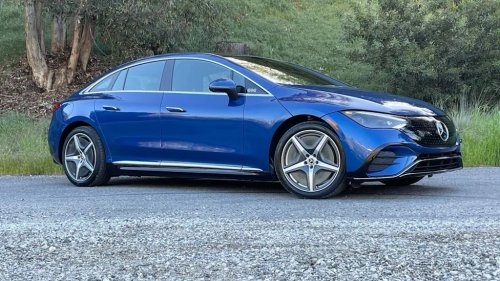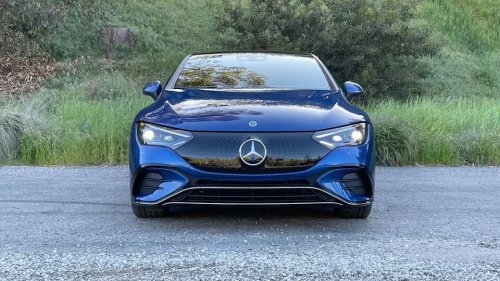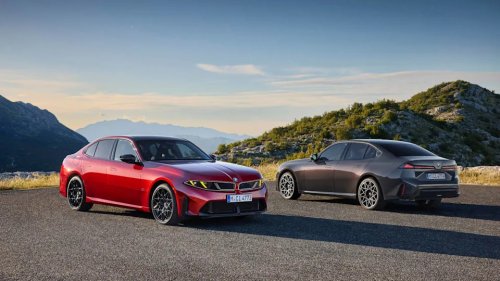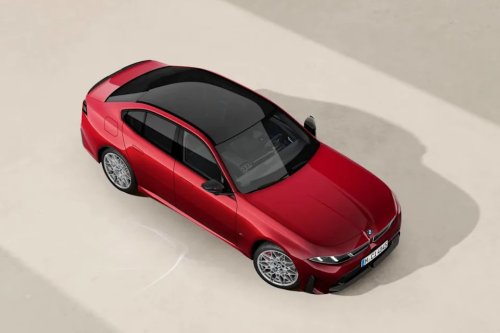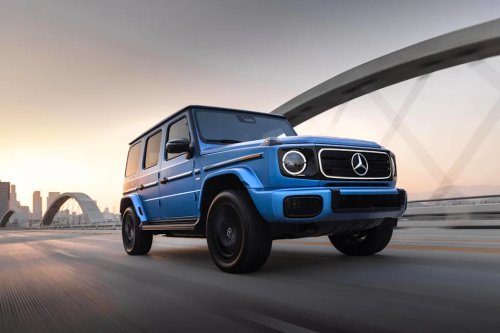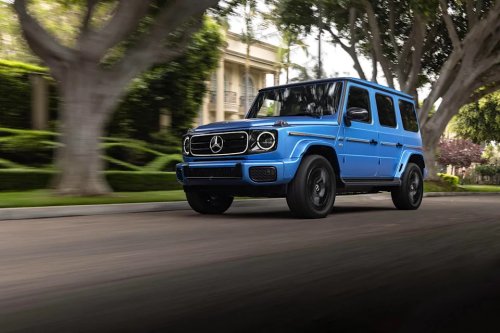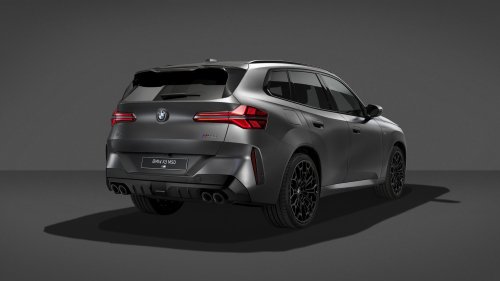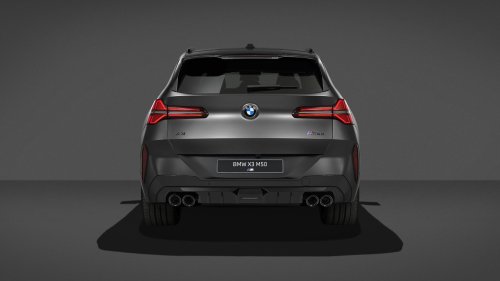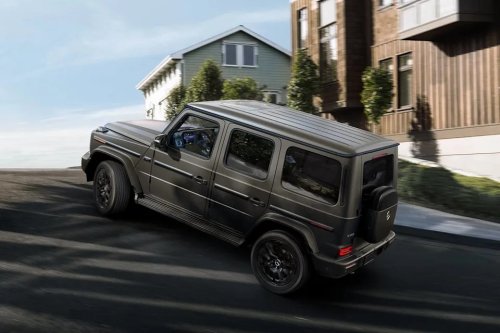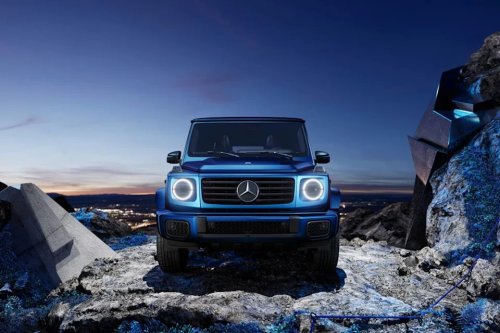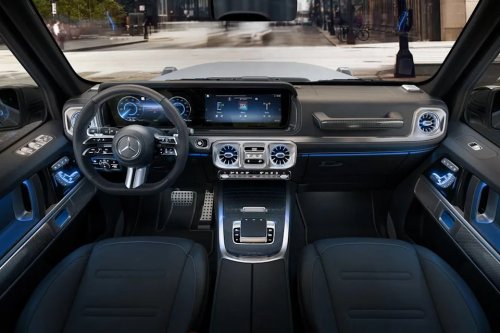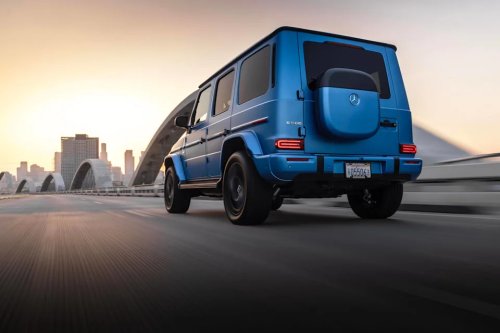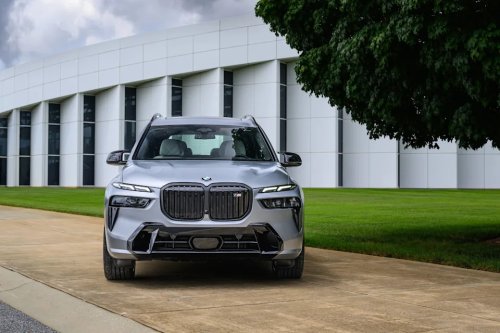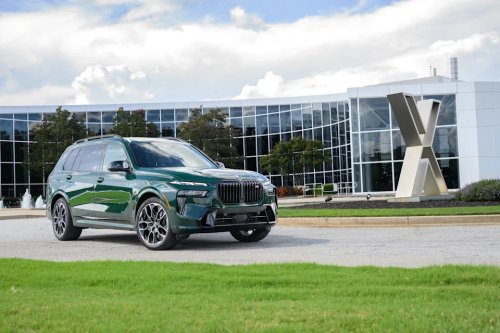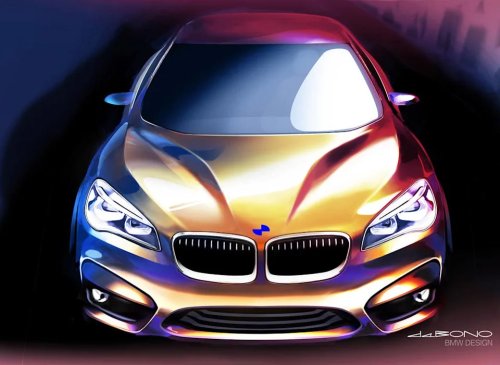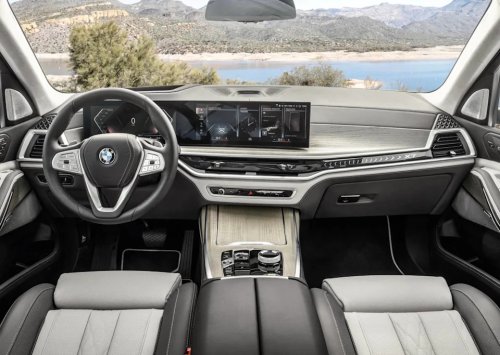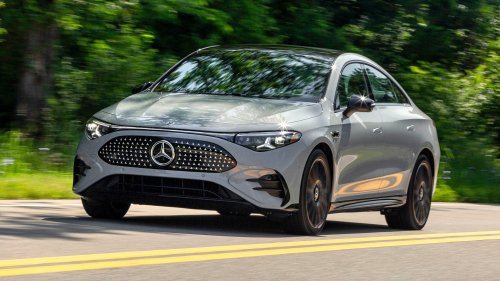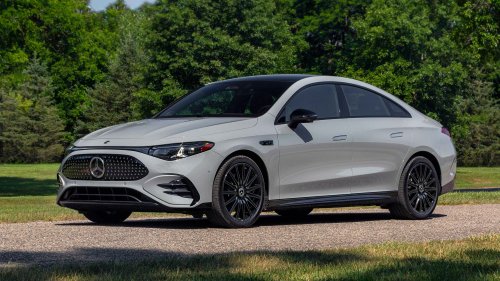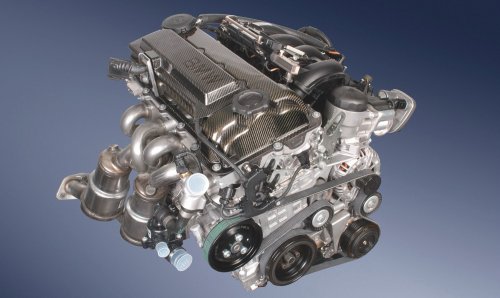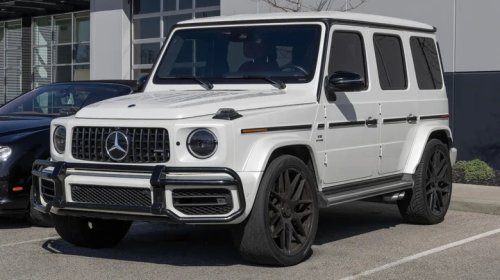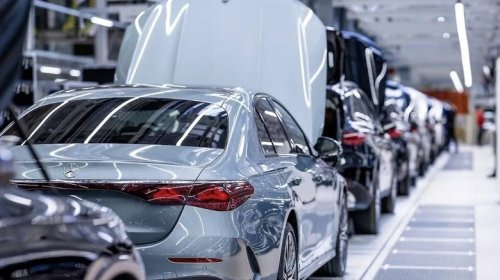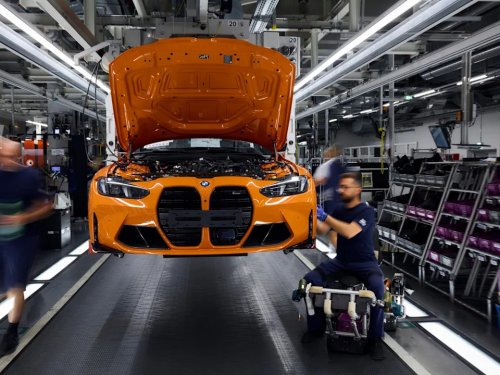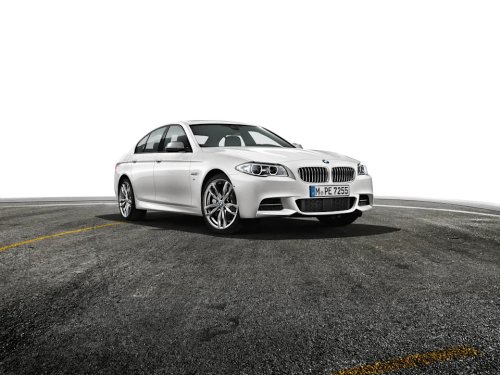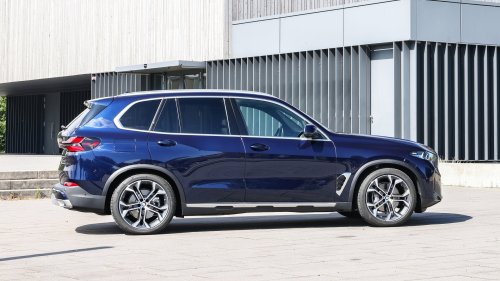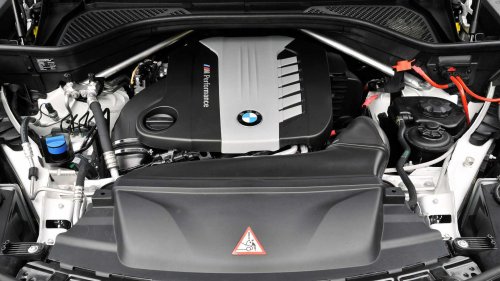
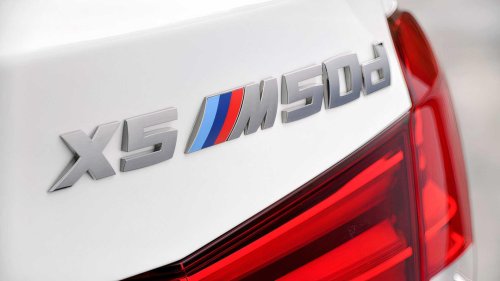
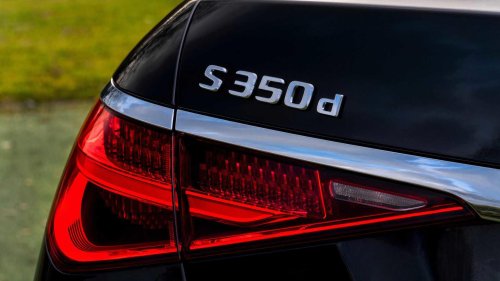
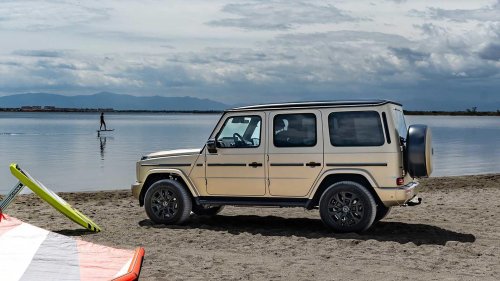
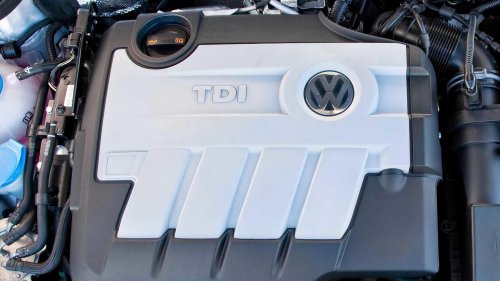
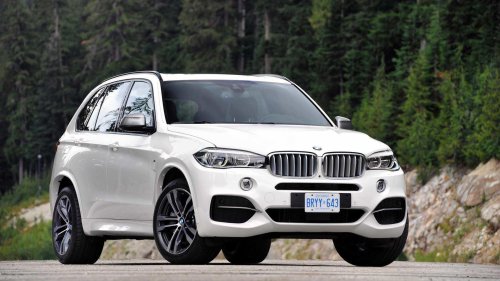
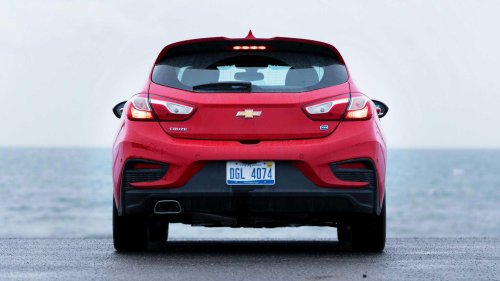
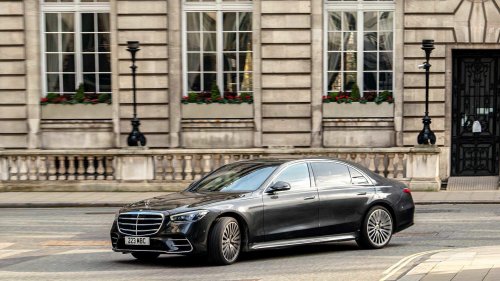
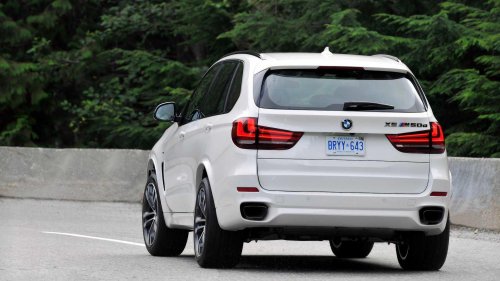
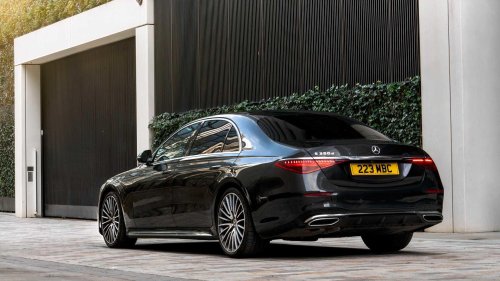
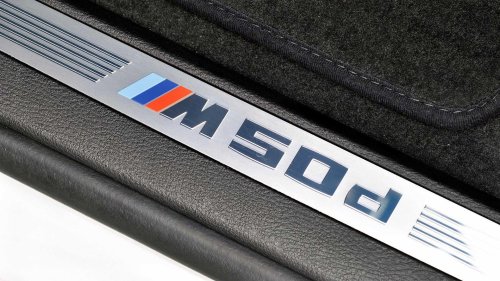



















There are numerous reasons why diesel failed in the United States. First of all, gas is relatively inexpensive (at least usually), American car culture is built around it, and tightening emissions regulations make it a struggle to bring new diesel engines to market. The absence of diesel-powered passenger cars isn't something most folks would be upset about, and for good reason. Some are noisy, smoky, and less efficient than the wide range of modern, hybrid solutions that are currently widely available.Still, there are a number of diesel engines many gearheads would love to try, but in the US, they just can't. Engines like BMW's B57 and the Mercedes OM656. These engines offer everything you could want, from (mostly) solid reliability and long-term durability, along with heaps of torque and power, plus decent fuel efficiency, so they are well worth a closer look. Understanding These Diesel-Powered Forbidden Fruits 2017 BMW X5 M50dBeginning with the OM656 engine from the Mercedes stable, this is no efficiency-oriented fuel-sipper. In the GLE 450d and G 450d, it's actually the most powerful diesel engine Mercedes has ever fitted to a production car, with peak power of 367 horsepower. While that's clearly not a figure to dismiss lightly because the OM656's torque output should steal headlines, at 553 pound-feet. For reference, that's 100 lb-ft more than a W204-generation C63 AMG. In these most powerful outfits, the OM656 is mild-hybrid assisted, with a 48-volt motor helping to improve acceleration and efficiency.Moving over to BMW's B57 engine, things are quite similar, but equally, really quite different. It's a turbocharged 3.0-liter inline-six engine, but, depending upon which model you buy, the number of turbos changes. As a rule, 30d models have one turbocharger, 40d models have two, and 50d models have four. Yes, BMW really did produce quad-turbo sedans and SUVs.The BMW's output is similar to that of the Mercedes engine, although power peaks at a mighty 400 horsepower, and the 50d models squeeze an extra handful of torque over the Mercedes models, too. Whether you favor the three-pointed star or the Bavarian models, what's clear to see is that these diesels were not created to maximize efficiency. Although if the manufacturer-quoted figures are to be believed, they can still return upward of 40 miles per gallon. Here's Why America Misses Out BMWWith 400 hp and 40 MPG, what's not to like? Well, certainly something, as these engines and the cars they power were never offered for sale in the US. It's not just about Europe wanting to gatekeep them for some reason, either. BMW and Mercedes probably would have loved to sell heaps of diesels in the US, just as they did in Europe. Instead, the problems came from America. Tightening Regulations Are Largely To Blame Mercedes-BenzOf course, emissions regulations are going to be partly to blame here. The EPA's Tier 3 Emissions Standards are very tight on NOx levels and particulate matter. Getting diesel engines to comply is no easy task. This would call for expensive after-treatment systems, advanced particulate filters, diesel exhaust fluid, and all, while gas-powered cars are passing the same tests with catalytic converters. On top of that, California's CARB rules are stricter still, presenting a real hurdle for automakers who wish to push diesel. Niche Markets Don't Justify Spiraling Certification Costs Mercedes-BenzNaturally, then, it would be expensive to get not just any diesel engine over those hurdles, but a performance-oriented model would be even tougher. In the end, vehicles with these powerplants would still be a hard sell in American showrooms. So why bother? Diesel is a niche market in the US, and it could be an expensive failure for any automaker to try to change the public's mind. Hence, gems like the OM656 and B57 never even get offered to American drivers in the first place. Dieselgate Left A Sour Taste In America's Mouth VolkswagenDiesels are dirty, noisy, and the first thing that comes to anyone's mind anymore is the Volkswagen dieselgate scandal. VW attempted to pull the wool over the world's eyes with emission-cheating devices. The fallout was nasty. Automakers lost millions, customers lost thousands due to sped-up depreciation rates, and nobody wants a repeat. That's why turning public opinion would be a Goliath task for any automaker, especially when cheaper gasoline-hybrids and even EVs are already options for efficiency-minded buyers. These European Engines Are A World Away From The Diesels You're Used To BMWThe last diesel-powered passenger car sold in the US was the humble Chevrolet Cruze. The 2019 model with an automatic gearbox offered wonderful fuel efficiency of 31 mpg city, 48 mpg highway, and 37 mpg combined, according to the EPA. While it wasn't the bargain of the century at around $25,000, it wasn't a fortune either. The Cruze was for sale right up until 2019, so had the BMW and Mercedes engines also been welcome within the American market, they would've co-existed.Chevrolet However, don't go looking for similarities here — the fact Chevy's Cruze had a diesel engine at the same time is where the comparisons end. It sported a 1.6-liter turbocharged inline-four, and to clarify, that's just the one turbo, not four. Output peaked at the dizzying heights of 137 hp and 240 lb-ft of torque, and the transmission of choice was either a nine-speed automatic or a six-speed manual.Mercedes-Benz Now, 400 horsepower and 40 MPG are tempting, but 137 horsepower and nearly 50 MPG? No thanks, we'd take the gas option. Speaking of which, Chevrolet's own Malibu Hybrid of the same era had a 46-mpg combined fuel economy rating, and it came in at a similar price to the Cruze diesel, making the decision even easier. Where To Find Them BMW If you are outside the US or planning to relocate purely to drive a powerful diesel, then you'd need to find the right car. Kicking off with the Mercedes OM656, it is and still is fitted to various higher-end models, such as the S-Class, E-Class, CLS, GLE, and G-Wagen. The lesser-powered variants carry a 350d moniker, while more potent models have a 450d emblem. The engine was first introduced in 2017, and many iterations sold well, so finding one shouldn't be a problem.Mercedes-Benz It's a similar story with BMW's B57, which is still in action today. Look for big sedans and SUVs to find the 50d engine; think 5 or 7 Series, and X5, X6, and X7. The quad-turbo variant was discontinued some years ago, though, so it's a little harder to find, and getting one forces you into the classifieds, rather than into the dealer. It Will "Soon" Be Possible To Secure Yourself One Of These Coal-Rolling Classics BMW The term "classic" is stretching it for a 10-year-old diesel, but they could well be classics by the time you see one rolling around in the US. That's because the only easy way you'll ever see one on the highway is once 25 years have passed, and they can legally be imported. These cars are well-optioned, susceptible to tuning, and quite desirable in home markets, so it's perfectly reasonable to assume that enthusiasts will be importing them when the day comes, but that's a while down the road yet. In the meantime, it's picking between a used Cruze or sticking with gas, for now.Sources: Mercedes-Benz, BMW.