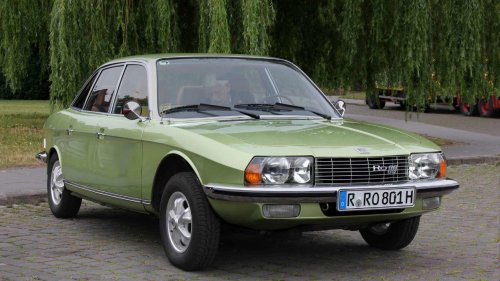
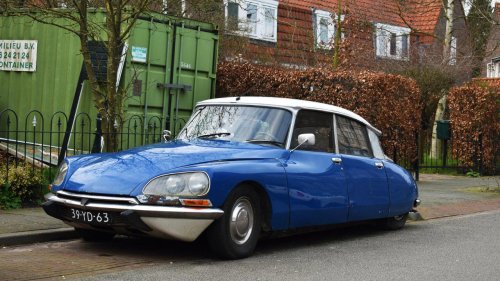
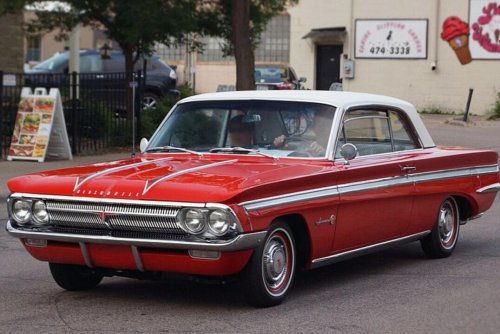
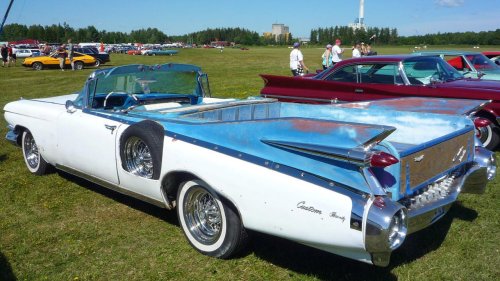
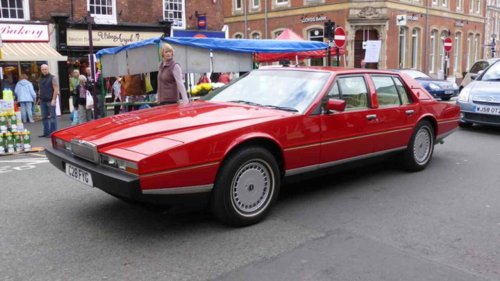
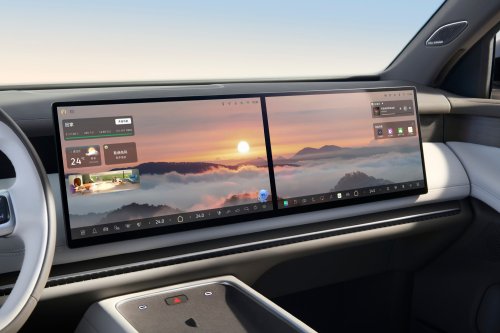
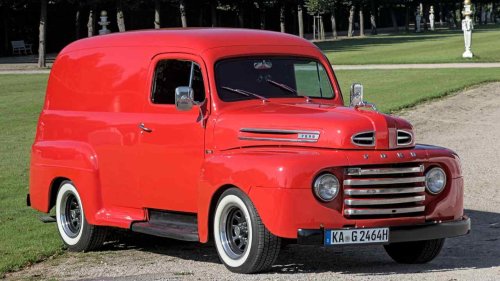
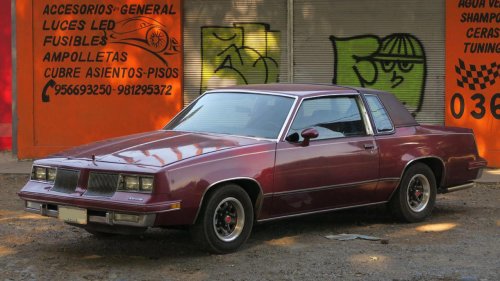
Some classic cars did far more than move people from A to B. They previewed technologies, safety ideas, and styling cues that would take the wider industry decades to catch up with, which is why enthusiasts still describe them as ahead of their time. The seven models below each introduced features or philosophies that reshaped expectations for performance, comfort, or safety long after their own production runs ended.The NSU Ro 80The NSU Ro 80 is often cited as a textbook example of a car that was too advanced for its own commercial good. Described as a visionary sedan with styling and engineering that outpaced its era, the 1966 NSU Ro featured a clean, aerodynamic body and a rotary engine that promised smooth power delivery. Commentators argue that its vision and design were unmatched among contemporary family cars, which helps explain why it still feels modern beside later sedans. That ambition came at a heavy price. The rotary powertrain demanded costly development, and reports note that the 1967 to 1977 model remained a low-production car with persistent technical problems. Before Audi became Audi, NSU tried to bet its future on this technology and lost. For historians, the Ro 80 shows how pushing too hard on unproven engines can sink a brand even when the chassis, packaging, and styling are years ahead of rivals.The Citroën DSThe Citroën DS, often simply called The DS, redefined what a family car could be in the mid 1950s. Launched with a flowing body and a cabin focused on comfort, it packed a level of innovation that other manufacturers had not even dreamed of at the time. Analysts describe the DS as a car of the future, not just for its styling but for its hydraulically controlled suspension, steering, and braking systems. That suspension was particularly transformative. Reports on the Citroen DS note that it debuted at the Paris Motor Show and immediately attracted 12,000 orders, helped by a system that could raise and lower the car and keep it level over rough roads. For later luxury and executive cars, this proved that sophisticated ride control could be a selling point in its own right, influencing everything from air suspension to modern adaptive dampers.The Tucker 48The Tucker 48, often shortened to The Tucker, represents one of the boldest safety-led projects in American automotive history. In the late 1940s, Preston Tucker set out to shake up the American car industry with a sedan packed with features that mainstream brands had not yet embraced. Coverage of the Car That Was highlights how the 48 introduced ideas such as a central headlight that turned with the steering and a focus on crash protection long before regulators demanded it. Later analysis of Remembering the Tucker describes the 48 as one of the Most Innovative Sedans Ever Built in the U.S., pointing to details such as a perimeter frame and suspension that used rubber torsion tubes instead of coil springs. Although only 48 production cars were completed before the venture collapsed, the project illustrated how one determined engineer could push safety and design priorities that would later become mainstream expectations.Oldsmobile JetfireThe Oldsmobile Jetfire brought turbocharging to American showrooms at a time when most buyers associated performance with displacement alone. Reports on Classic American Cars That Were Ahead Of Their Time single out the 1962 Oldsmobile Jetfire as Pioneering Turbocharging, noting that it paired a compact V8 with a turbo to deliver strong power in a relatively small package. This approach anticipated the shift toward forced induction that would later dominate both performance and efficiency strategies. Further coverage of the Oldsmobile Jetfire describes it as The First Turbocharged American Production Car, complete with an Oldsmobile Jetfire Turbo V8 and distinctive Front Three Quarter Vi proportions. Although the Jetfire struggled with reliability and complex maintenance requirements, it previewed the smaller turbocharged engines that now power everything from family crossovers to sports cars, proving that Detroit could innovate on powertrain technology rather than simply scaling up size.Cadillac El Dorado BiarritzThe Cadillac El Dorado Biarritz of the late 1950s showed how luxury technology could be used to differentiate a flagship model. Analysts in Classic American Cars describe the 1959 Cadillac El Dorado Biarritz as Known For Advanced Luxury Features, highlighting conveniences such as power accessories and comfort equipment that would later filter down to more affordable cars. For buyers, this coupe and convertible line demonstrated how electronics and hydraulics could turn a large American cruiser into a rolling showcase. Those Advanced Luxury Features were not just gimmicks. By proving that customers would pay for power seats, sophisticated climate control, and elaborate trim, the El Dorado Biarritz encouraged rivals to invest in similar technologies. That arms race helped establish the template for modern premium vehicles, where comfort and gadgetry are as central to the pitch as engines or chassis tuning, and it cemented Cadillac’s reputation as a technology leader in its domestic market.Aston Martin LagondaThe Aston Martin Lagonda took the idea of a luxury sedan and fused it with electronics that seemed closer to science fiction than showroom reality. In surveys of Classic Cars Way, the Aston Martin Lagonda appears as a standout example, remembered for its sharp wedge styling and digital dashboard. Touch-sensitive controls and LED displays made the cabin feel like a cockpit decades before such features became common in executive cars. Although the electronics were notoriously temperamental, the Lagonda showed how software-like interfaces could reshape the driving environment. Its influence can be seen in later generations of digital clusters and touch panels that now dominate premium interiors. For Aston Martin, the car reinforced a reputation for daring design, while for the broader industry it served as an early experiment in integrating complex electronics into a luxury vehicle, long before reliability and user experience caught up.