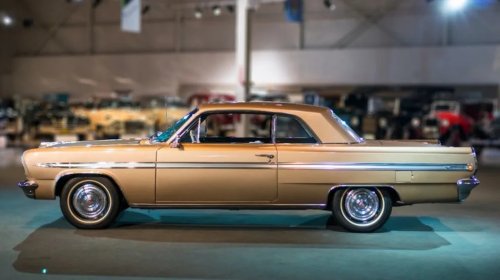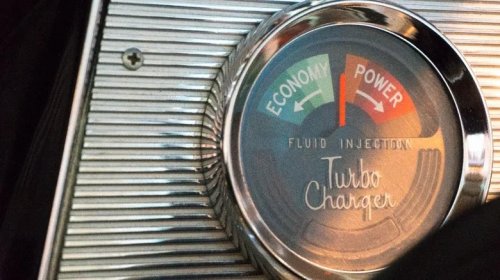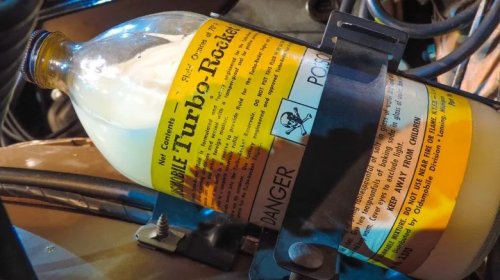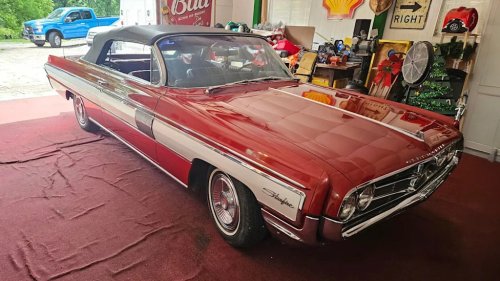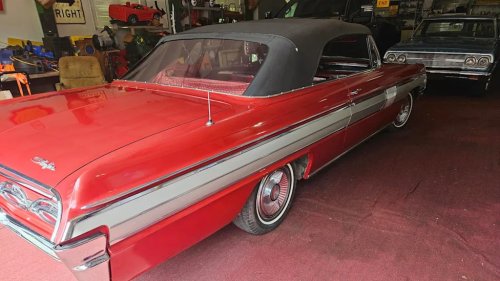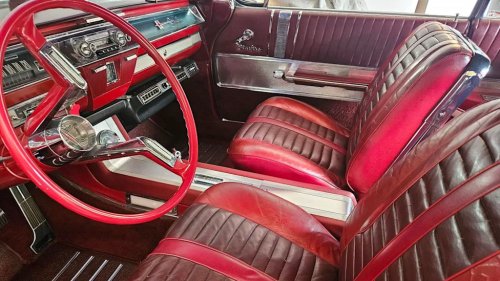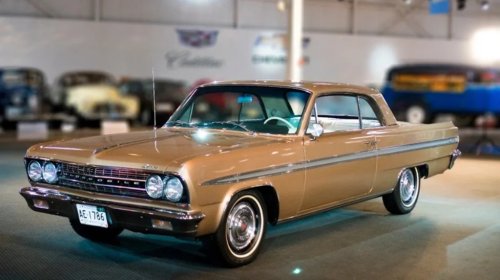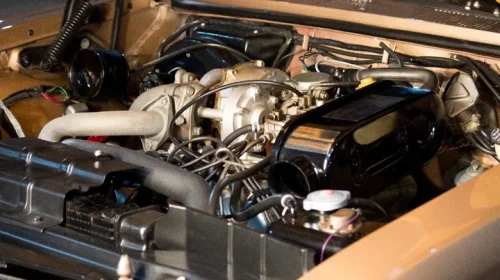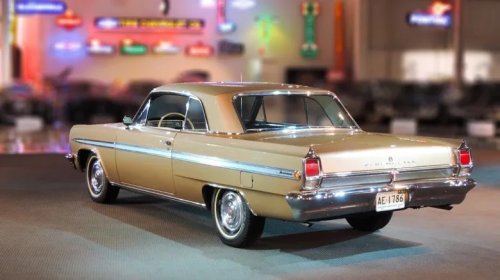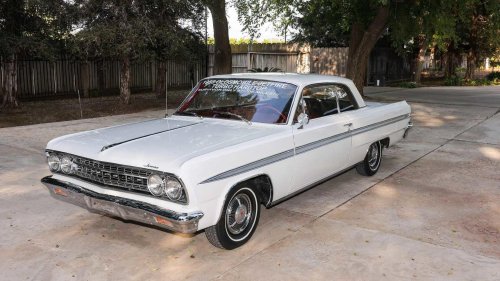
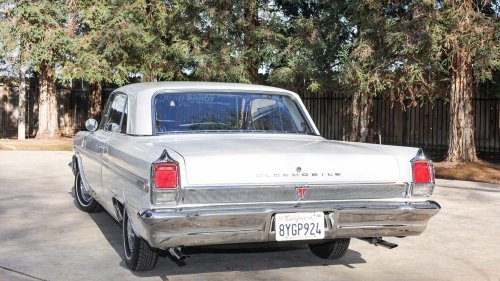
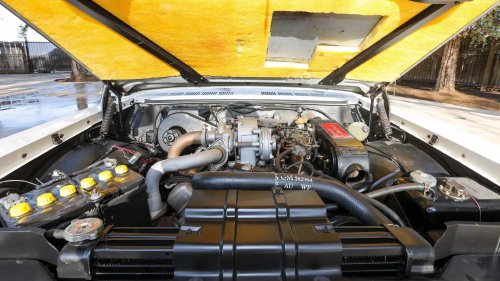
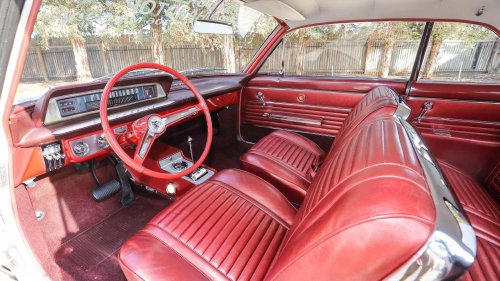
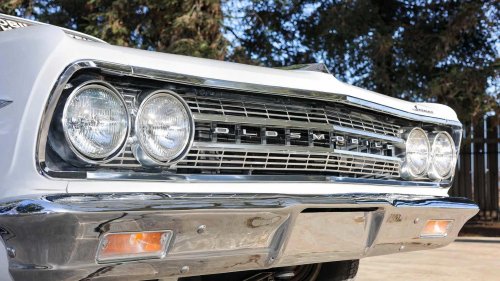
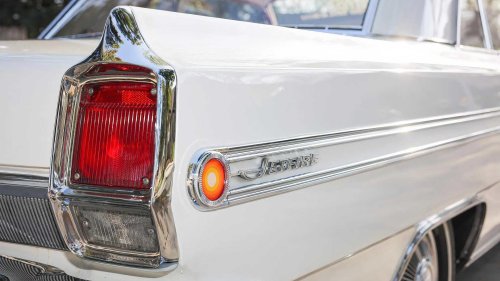
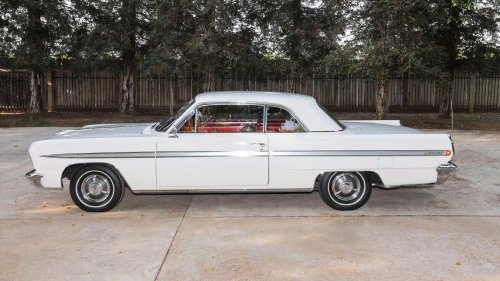
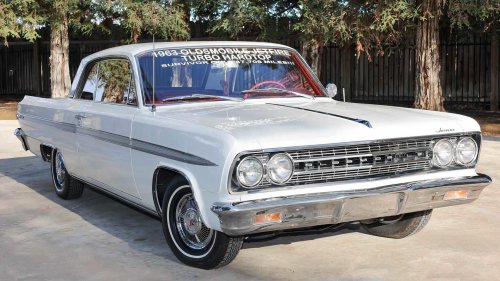



















There’s a forgotten chapter in American performance car history, buried somewhere between the rise of big-blocks and the muscle car craze of the late ‘60s. It's not from a brand you'd expect to break ground in forced induction. And it’s not even a car that most muscle car fans talk about today. Yet, this was a machine that brought together cutting-edge tech, respectable speed, and a gutsy attitude long before turbochargers became mainstream in American cars.This mystery sedan packed something unheard of in the early 1960s: a turbo. At a time when horsepower came from displacement and tuning meant carb jets and timing lights, this car offered power through science. It promised muscle without size, performance with sophistication, and did so years before its time. Unfortunately, that timing would prove to be both its selling point and its downfall. The Oldsmobile Jetfire Was America's First Turbo V8 Sedan Bring A TrailerOldsmobile’s Jetfire wasn’t just ahead of the curve—it was practically in another dimension when it launched in 1962. While muscle cars of the era leaned on brute strength and cubic inches, the Jetfire chose finesse and forced induction. And despite being a compact in GM’s F-85 lineup, it had big ambitions.Bring A Trailer At the heart of the Jetfire was a turbocharged 215-cubic-inch aluminum V8, developed in collaboration with Garrett AiResearch. It cranked out 215 horsepower and 300 lb-ft of torque—numbers that eclipsed much larger engines of the time. But the real kicker? This engine used a “Turbo Rocket Fluid” system, essentially a water-methanol injection mix, to cool the intake charge and prevent detonation. You had to top it up just like washer fluid.This technical marvel made the Jetfire the first turbocharged production passenger car in America and one of the first in the world. For context, this was a full decade before the BMW 2002 Turbo and nearly 20 years before turbocharging became cool in the 1980s. The Jetfire's Performance Had A Few Technical Snags To Live With Bring A TrailerFor all its innovation, the Jetfire was… let’s say, a bit high-maintenance. The turbo system wasn’t just a bolt-on boost machine. It required a precisely calibrated setup, with the Turbo Rocket Fluid being essential for full power delivery. If the fluid ran out or the system detected irregular pressure, it would cut boost entirely. Was The Jetfire Too Much Too Soon? Bring A Trailer This setup baffled many of the car’s buyers. Turbocharging was practically science fiction for most drivers in the early '60s. Combine that with a dealer network unprepared to troubleshoot such exotic tech, and the Jetfire's reliability reputation suffered. Drivers either ignored the Turbo Rocket Fluid refills or had trouble keeping the system happy.On paper, the Jetfire could run the quarter mile in the low 16s—quick for a 1962 compact—but real-world performance was inconsistent. Most owners didn’t maintain the system properly, leading to a lot of warranty claims and frustrated mechanics. Oldsmobile ended up recalling many units, and in several cases, retrofitted the turbo engines with conventional carb setups just to keep customers from storming the showroom. The Jetfire Died Before Muscle Cars Took Off Bring A TrailerThe tragedy of the Jetfire is timing. It was a muscle sedan before muscle cars were a thing. The Pontiac GTO wouldn’t show up until 1964. The Mustang wasn’t even a concept yet. So here was a car that offered quick acceleration, distinctive styling, and futuristic engineering—but no audience ready for it. The Jetfire Made A Fleeting First Impression Oldsmobile pulled the Jetfire from production after just two model years, with only about 9,600 units built. That’s a tiny number compared to the millions of muscle cars sold just a few years later. And while Pontiac was winning hearts with tire-smoking GTOs, the Jetfire quietly disappeared from Oldsmobile brochures and from the minds of American car buyers.Had it launched a few years later—perhaps after public understanding of turbos improved or with a more rugged setup—it might’ve been a cult hero. Instead, it was a commercial flop that faded into obscurity, even though it arguably paved the way for American turbocharged performance decades down the road. The Jetfire Had Innovations That Sound Modern Even Today Bring A TrailerIt’s easy to dismiss the Jetfire as a failed experiment, but in reality, it was a technological pioneer. The aluminum V8 alone was a major engineering feat—lightweight, compact, and efficient, it helped keep the Jetfire’s curb weight under 3,000 lbs. That’s impressive considering it was a four-passenger sedan with a V8 under the hood. A Car With Many Firsts Bring A Trailer The turbo system used a wastegate and pressurized fluid injection, both advanced for the time. In a weird twist, it also had a manual transmission option with a floor-mounted shifter—something that became more performance-oriented later in the decade. The Jetfire was also one of the first cars to pair a high-compression engine with forced induction, a formula that would later be refined in sports cars and tuner machines for years to come.Even the marketing was ambitious. Oldsmobile called the Jetfire a “safety-surge turbo rocket engine,” leaning into the sci-fi vibe of the era. The car even came with a pressure gauge in the cabin to monitor boost levels—practically unheard of in a 1962 showroom. Today, The Jetfire Is A Rare Find With Rising Value Bring A TrailerYou’d think a car with this much historic significance would be a collector's dream—and you’d be right, if you can find one. With fewer than 10,000 ever built and many of those converted back to naturally aspirated setups during Oldsmobile’s warranty campaigns, surviving examples are rare.Hagerty values a Jetfire in 'Excellent Condition' at around $40,000 to $50,000, depending on originality and functionality of the turbo system. But prices are climbing as collectors recognize the car’s place in automotive history. The ones with original turbo setups intact—and still running—are incredibly desirable for enthusiasts who want something different than the usual , GTOs, and Mustangs at classic car shows.Parts can be tricky to source, especially for the turbo components, but there are specialty shops and forums keeping the Jetfire’s legacy alive. It’s a niche market, but a passionate one. And owning a Jetfire means having a genuine conversation starter—a turbo V8 sleeper from the days when most people thought “boost” was just something you did to a battery.