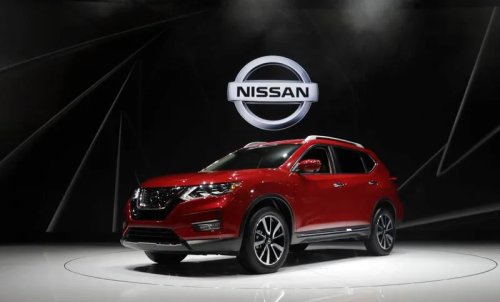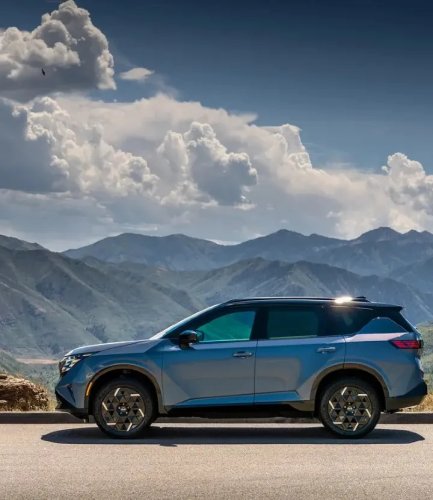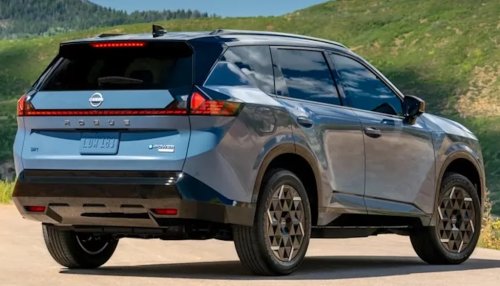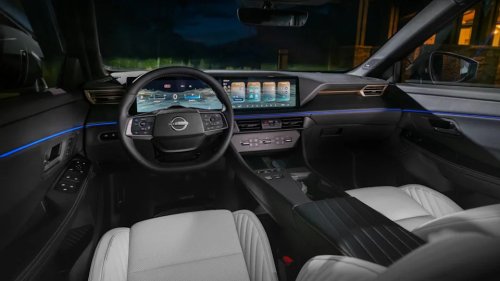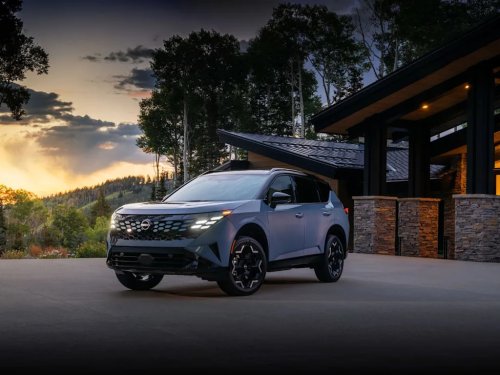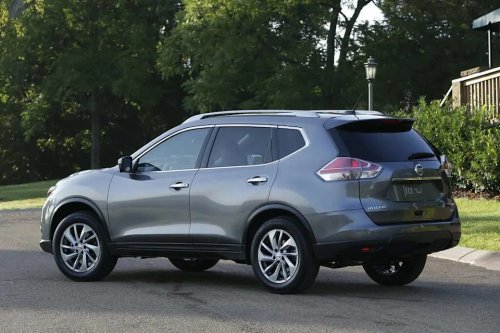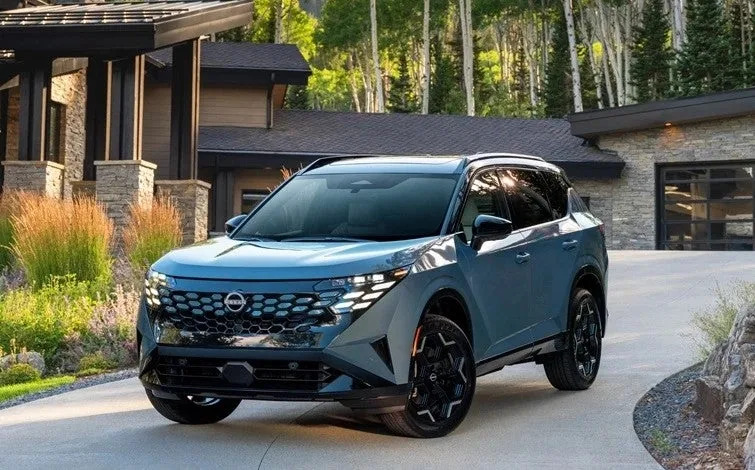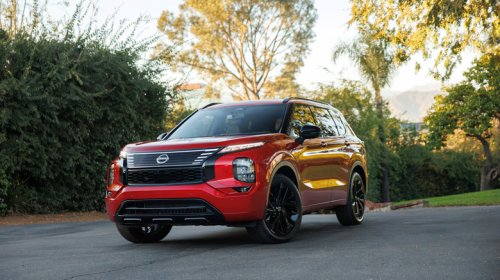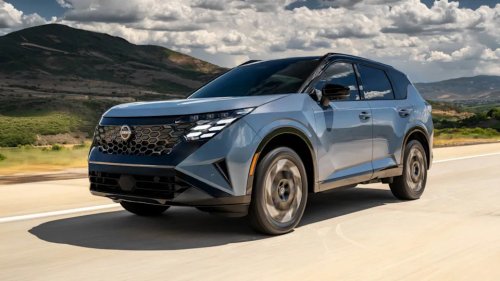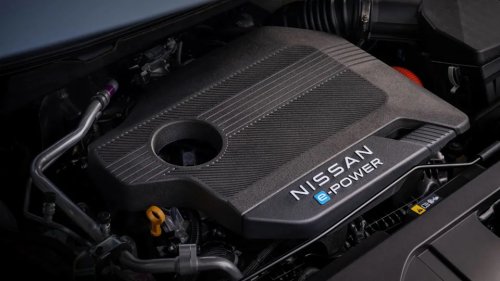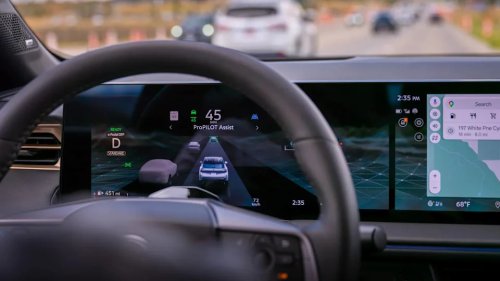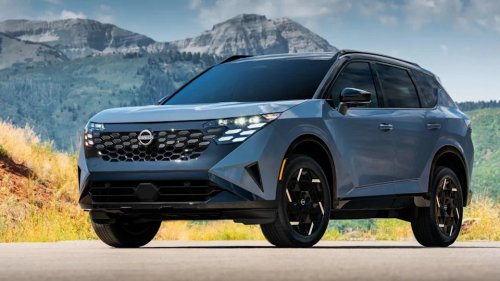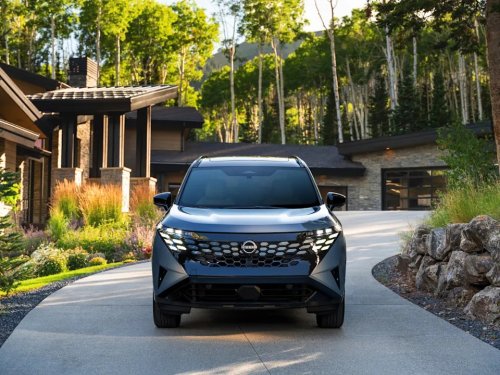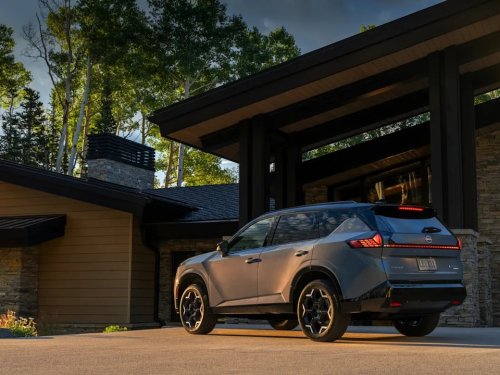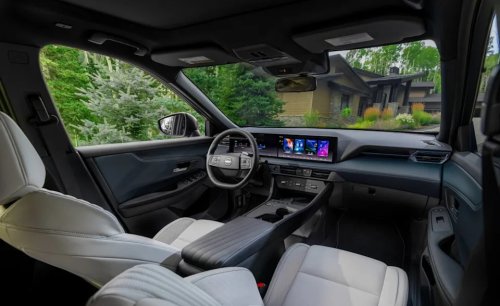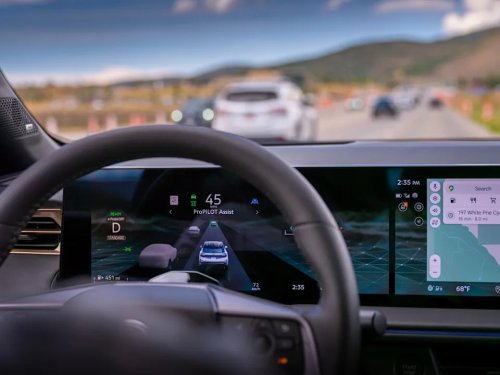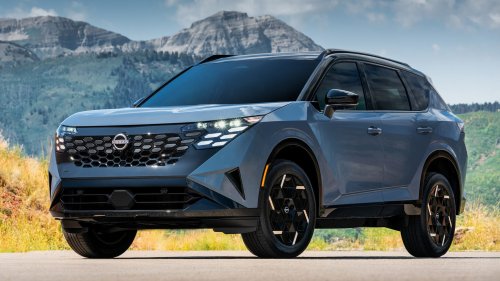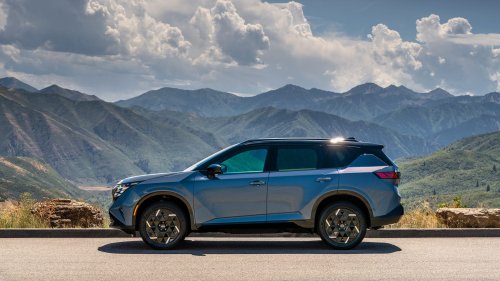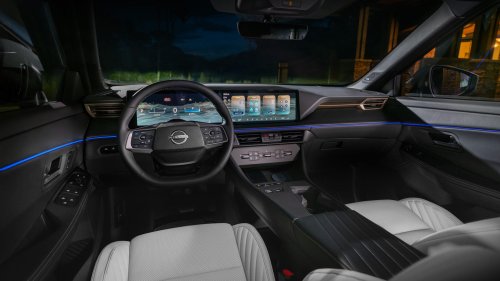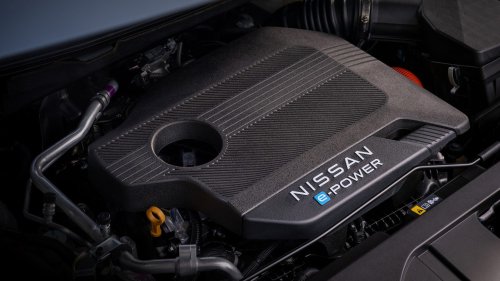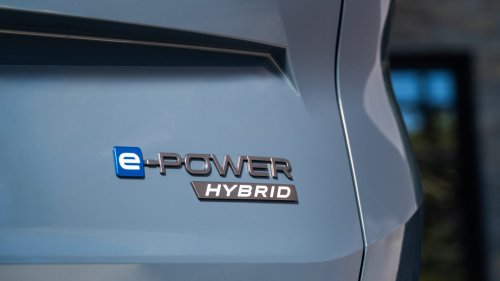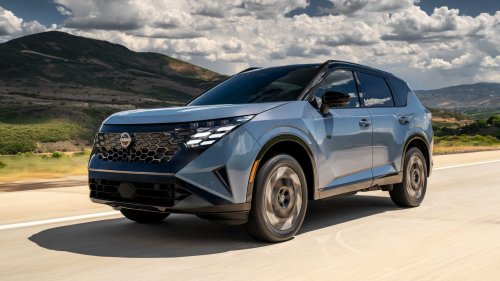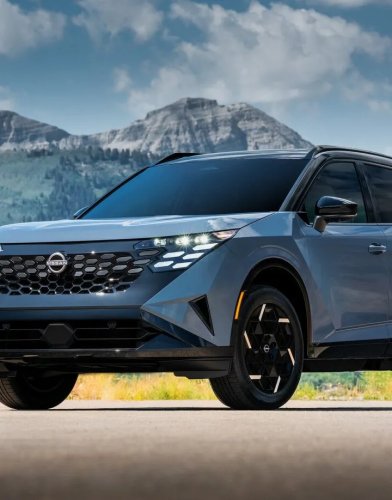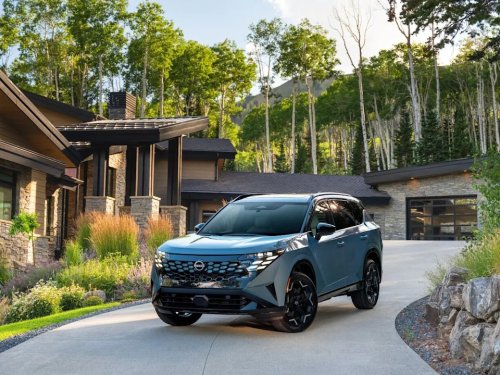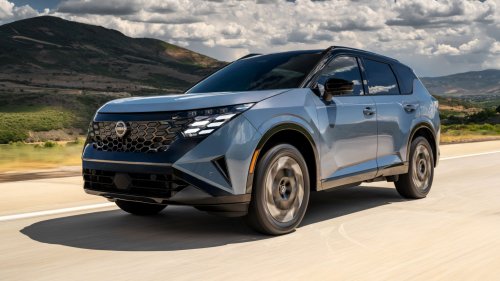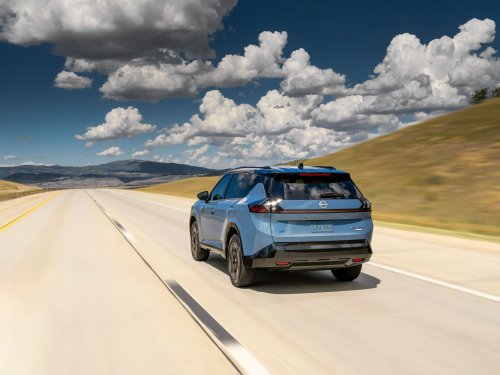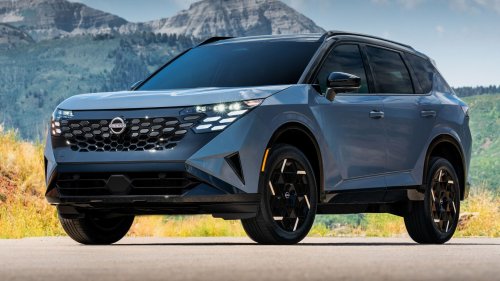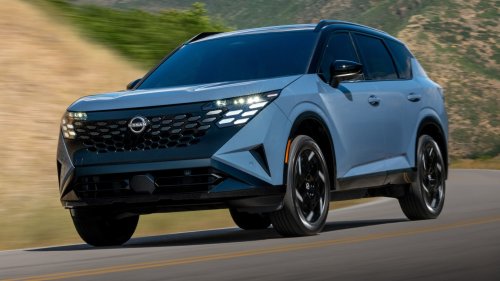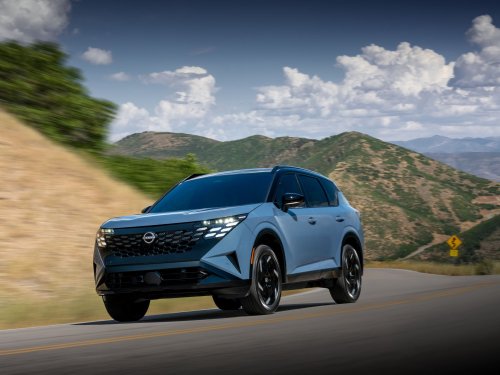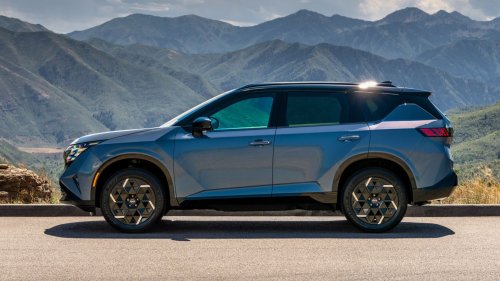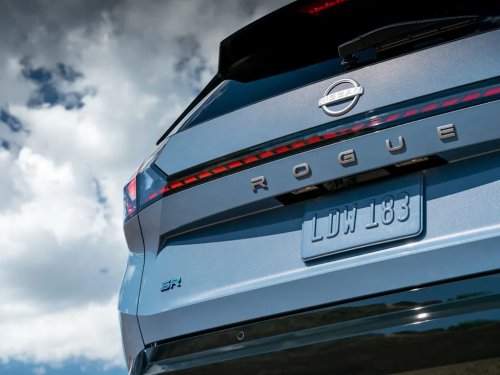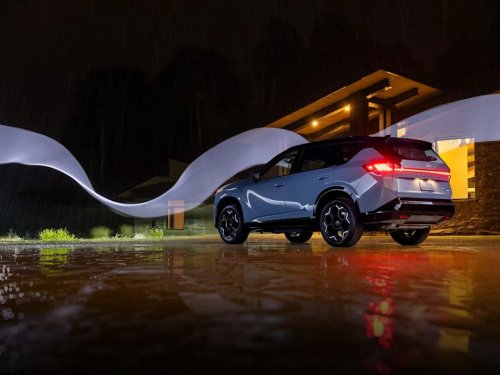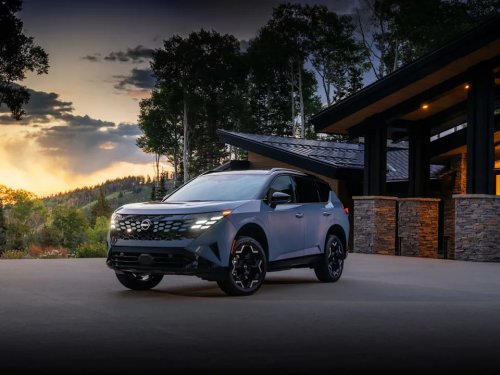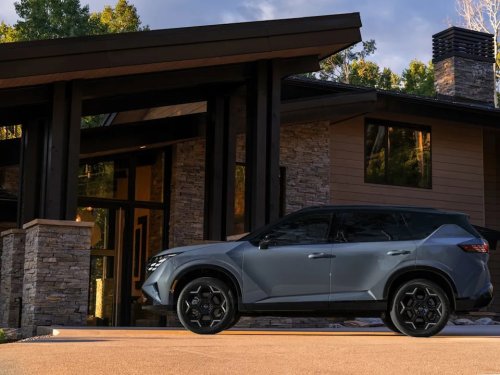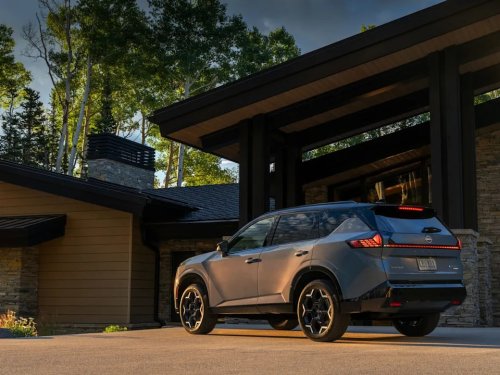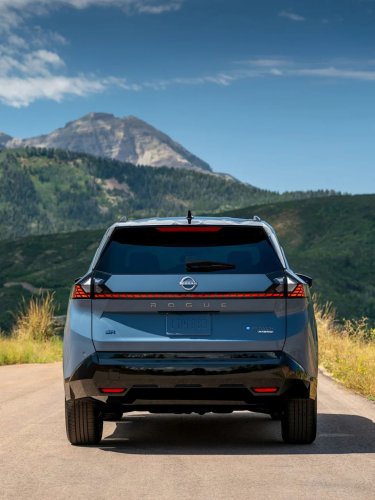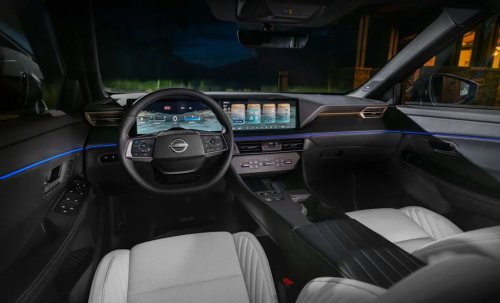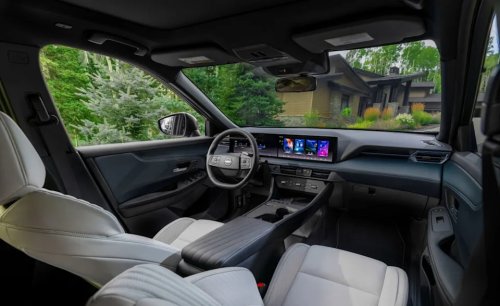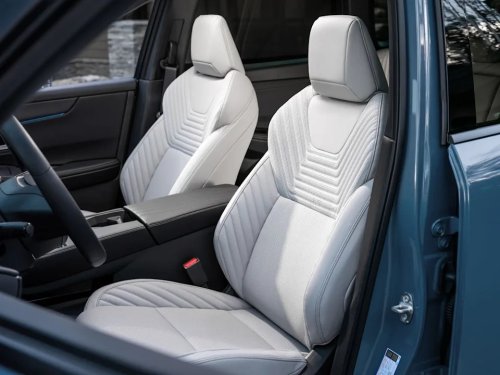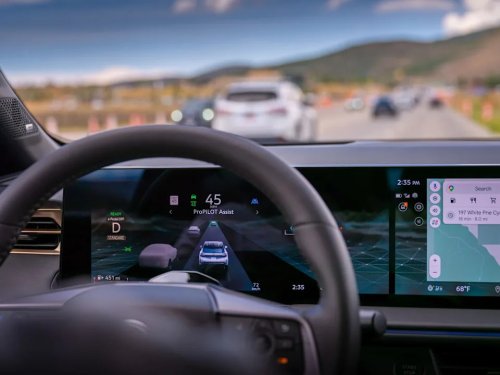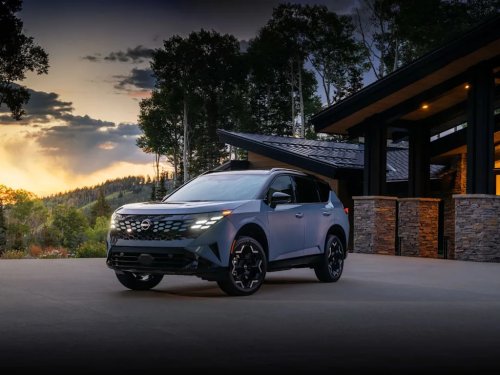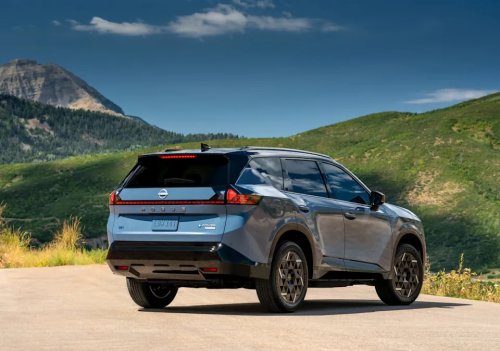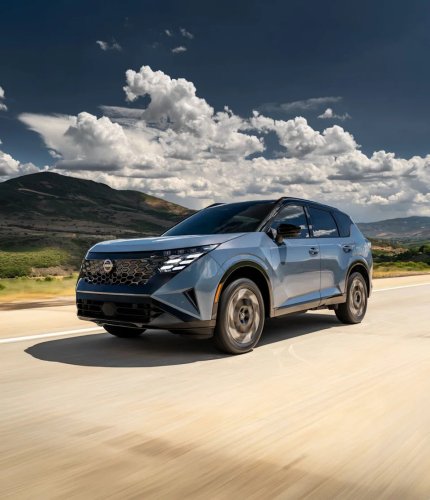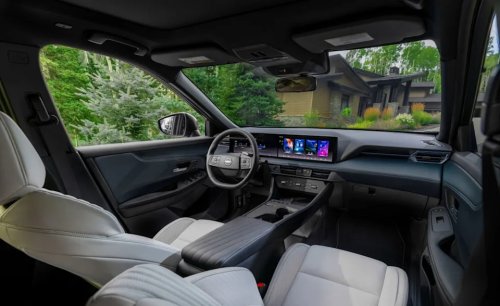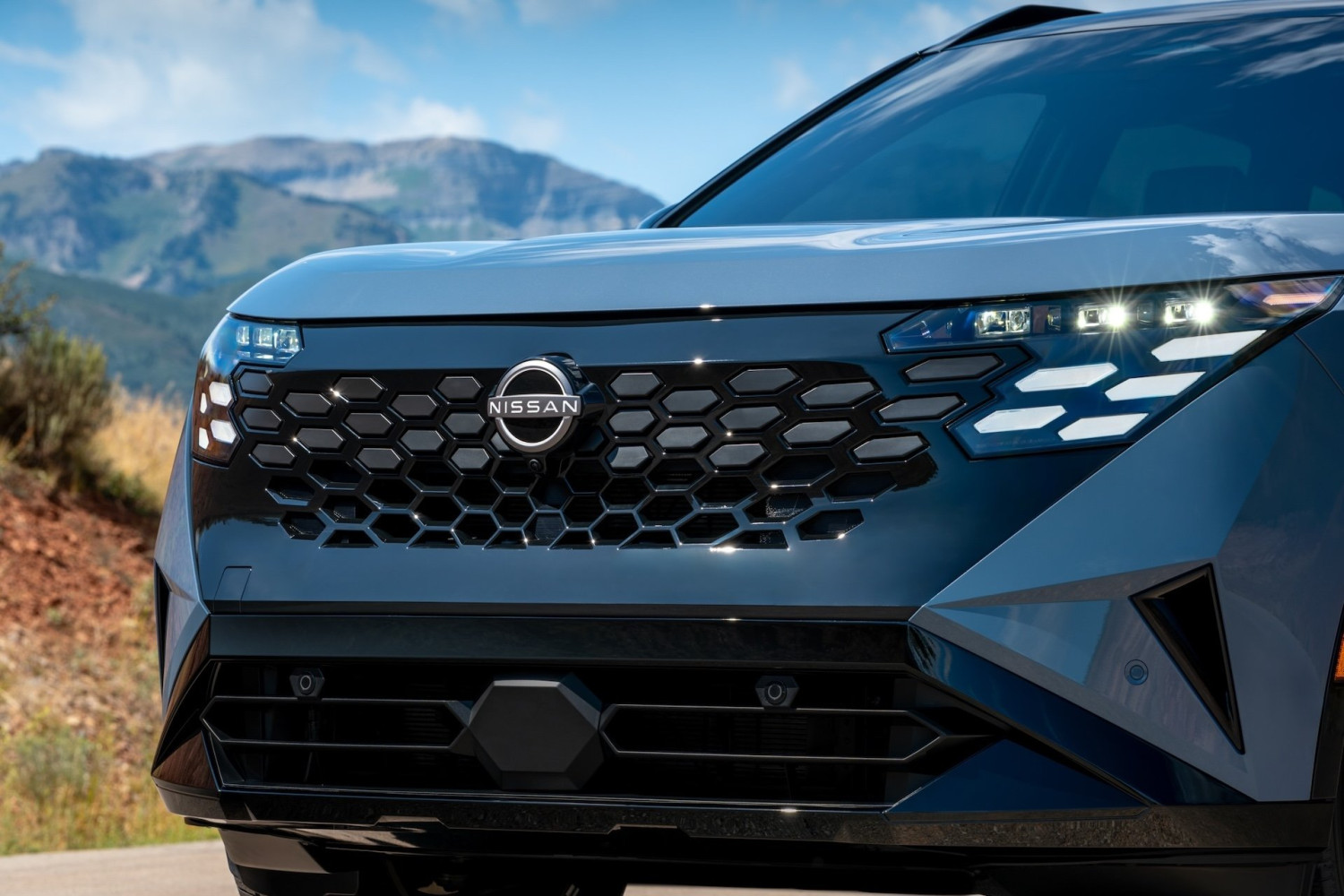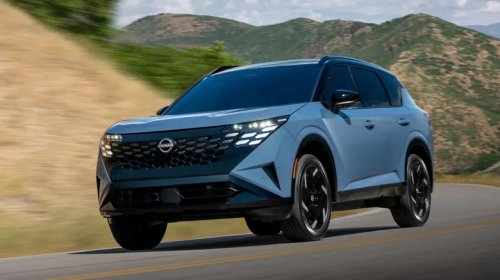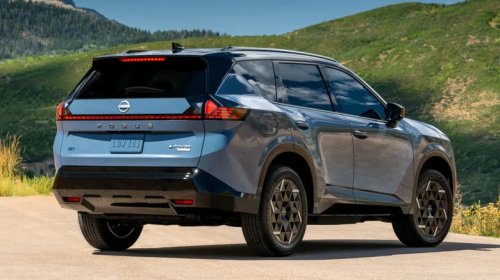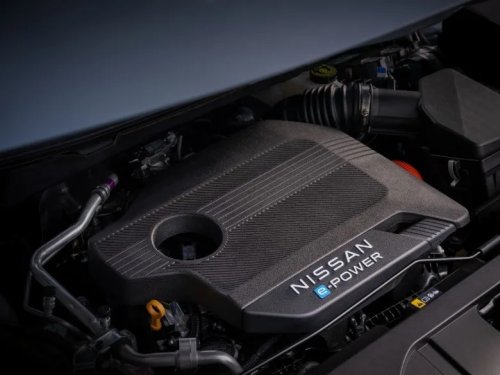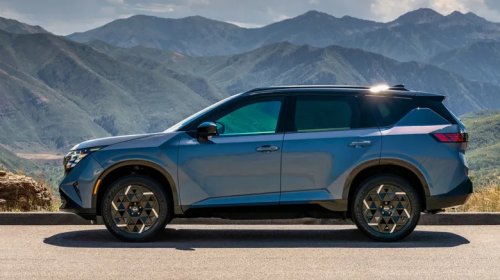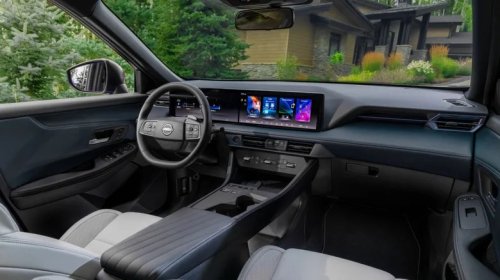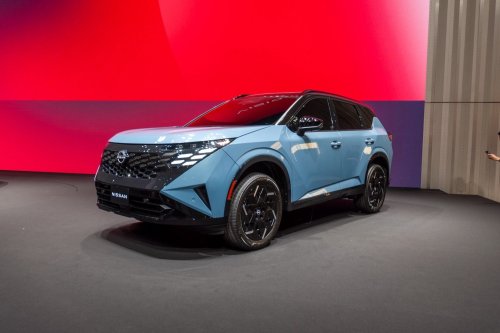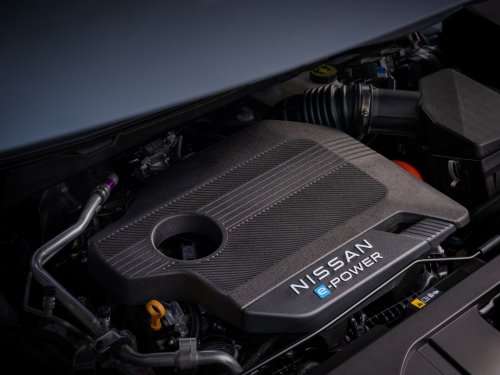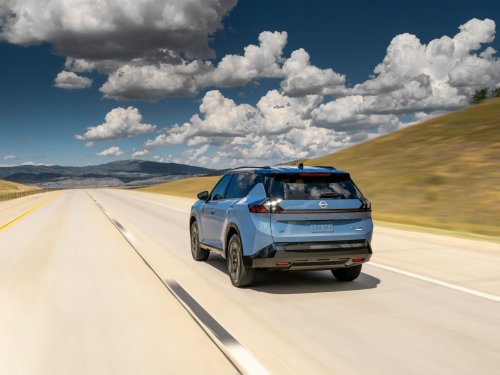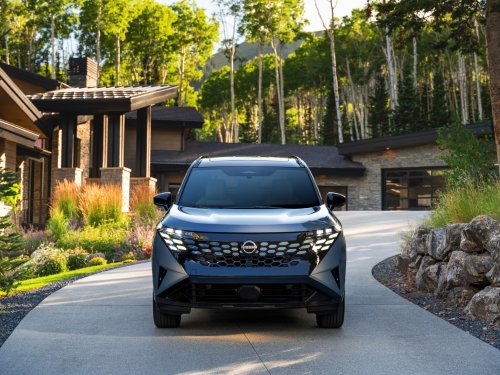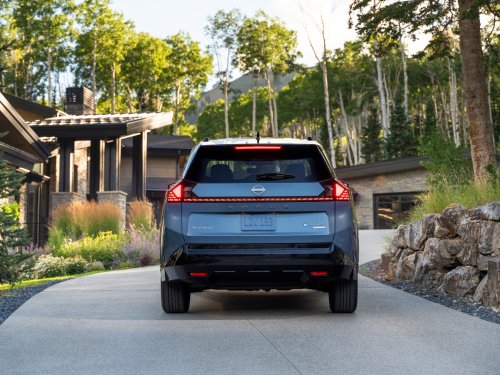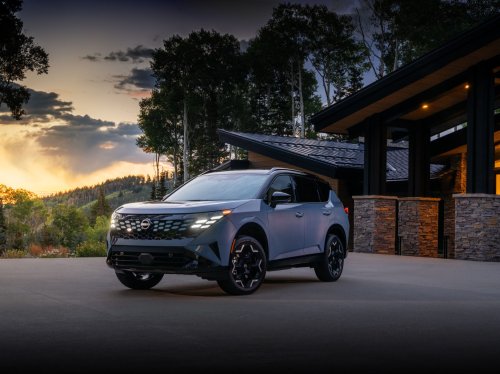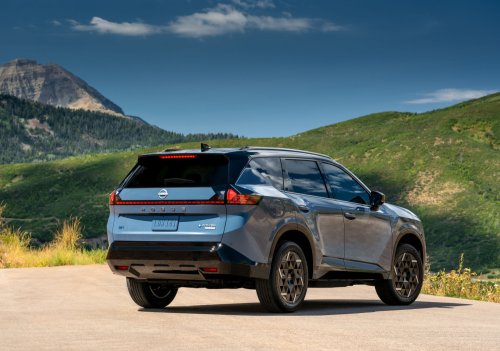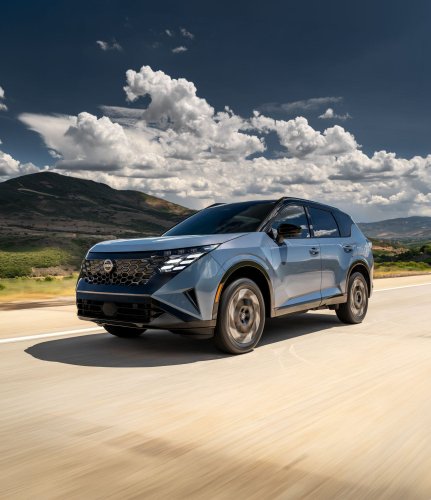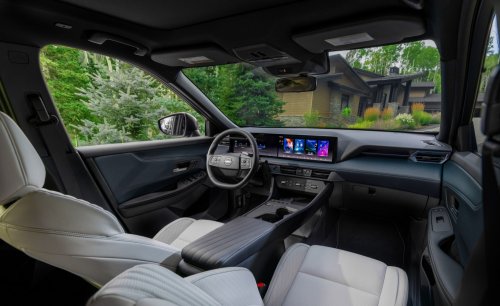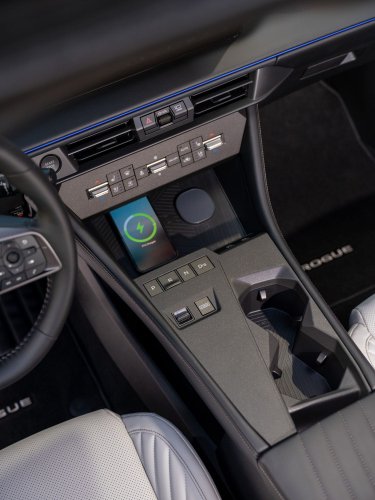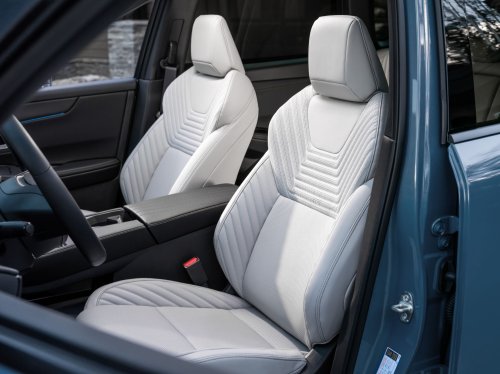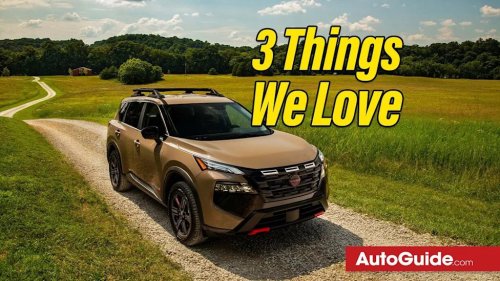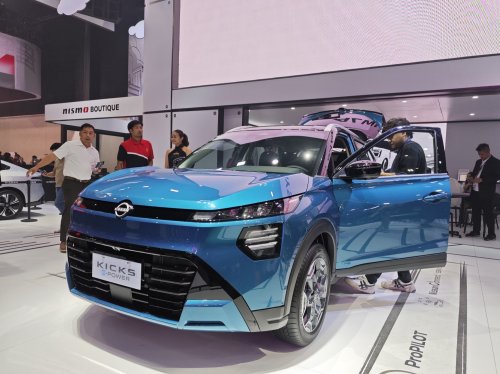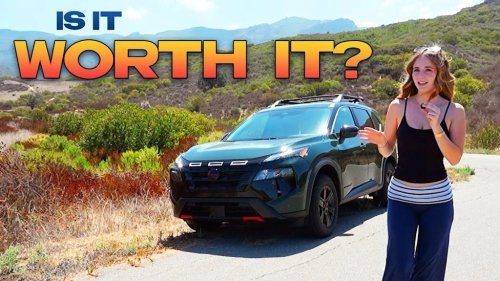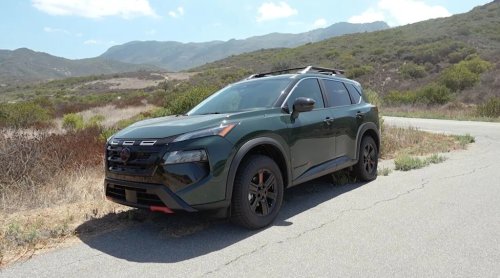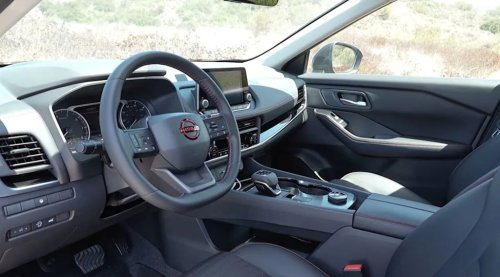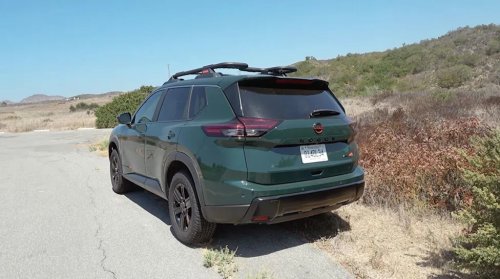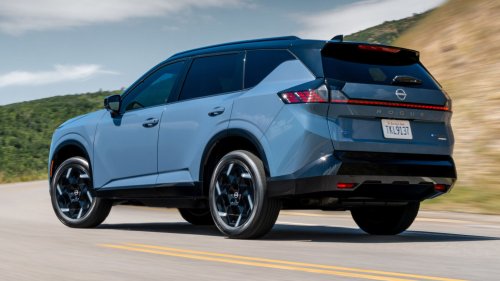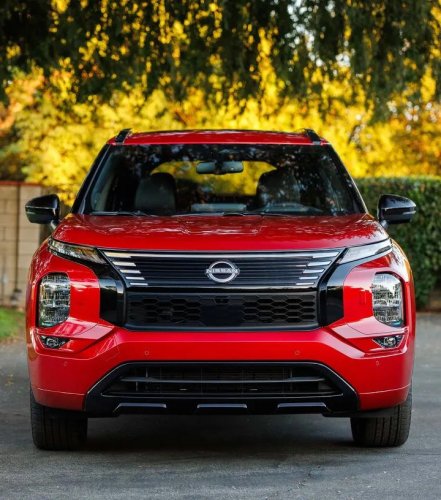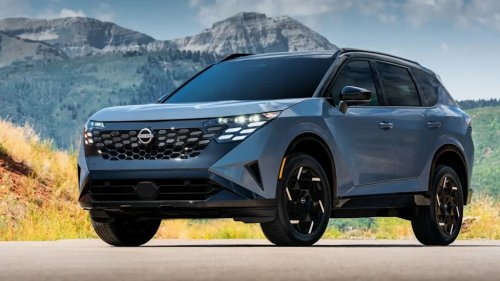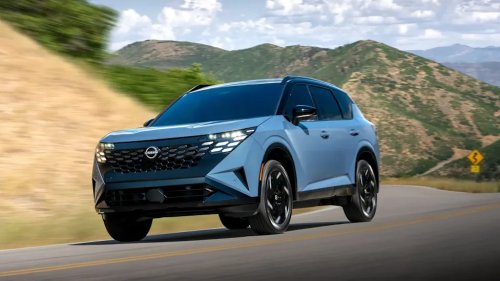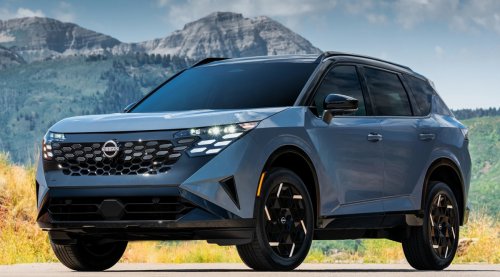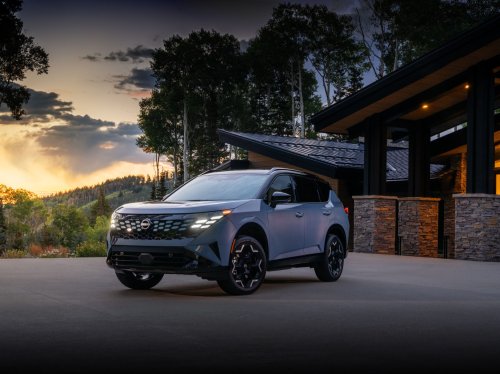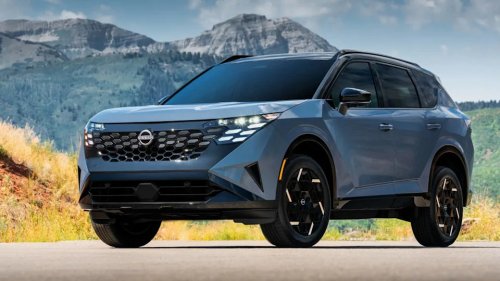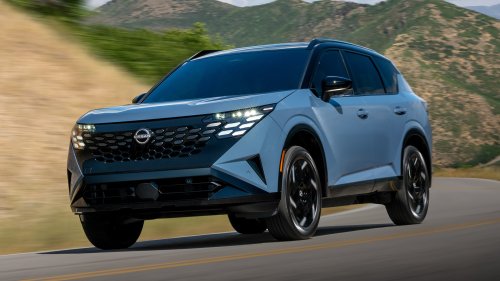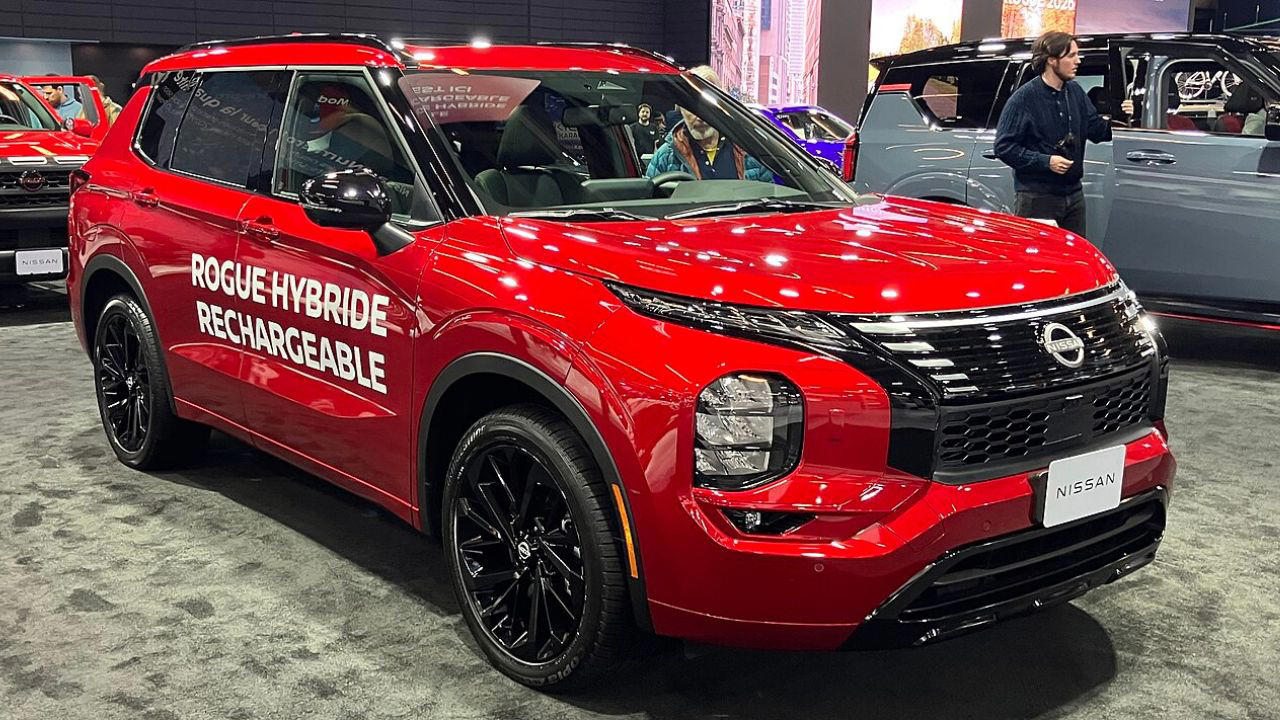



















Nissan hints e-Power could spread beyond the 2027 Rogue in the U.S.You are about to see Nissan treat the United States as more than an afterthought for its signature hybrid tech. With the 2027 Nissan Rogue Hybrid e-Power finally confirmed for America, the company is already signaling that this gasoline generator and electric motor setup will not stay confined to a single crossover. You now have to think about e-Power as a pillar of Nissan’s U.S. strategy rather than a one-off experiment. How e-Power actually works for you If you are used to conventional hybrids, e-Power flips your expectations. In this system, the gasoline engine never drives the wheels. Instead, it acts only as a generator that feeds a battery and an electric motor, so you always move on electric drive. Engineers describe the third generation of this setup in the 2027 Rogue as an evolution of what you already see in The Nissan Qashqai e-Power, where a power-flow display highlights the gas engine’s role as a generator and keeps you aware of how the system is managing energy through the Rogue’s drivetrain, according to technical briefings. Because the electric motor is always in charge of propulsion, you feel instant torque that is closer to an EV than to a traditional hybrid. Early prototype drives of What It Is Like Driving Nissan New Power Hybrid Coming America describe a goal to close the gap between gasoline and full battery models by giving you smooth, quiet acceleration and a more linear response, as test drivers experienced in prototype evaluations. You still fill up with gas, but you live with the car like a simple plugless EV. What the 2027 Rogue tells you about Nissan’s U.S. plans The 2027 Rogue Hybrid e-Power is your first real window into how Nissan wants to scale this technology in America. The Rogue is Nissan’s best-selling car, and it is getting a full redesign with styling that is expected to borrow cues from the Murano, according to development details that describe how The Rogue will carry a striped multi light bar and a more upscale cabin, as previewed in early test coverage. By choosing this volume leader as the launchpad, Nissan is telling you it expects e-Power to be mainstream, not niche. Under the skin, the big news for 2027 is not the return of the KR15DDT under the Rogue’s hood but the introduction of a series hybrid powertrain with a gasoline engine that acts only as a generator, as highlighted in development reports. That architecture is exactly what defines e-Power. When you see Nissan invest this layout into its core family crossover, you can safely assume the company is building a toolkit it can transplant into other models. Hints that e-Power will not stop at one model You already get early confirmation that Nissan is thinking beyond the Rogue. Company representatives have hinted that the e-Power system could come to more models after the 2027 Rogue Hybrid e-Power debuts later this year and finally brings the company’s e-Power system to America, as reported in coverage by Michael Gauthier that notes how the gasoline engine acts as a generator in The Nissan Rogue Hybrid Power Ame, which you can see in product briefings. That is not a casual aside. It is a directional statement that invites you to expect a broader rollout. You also see Nissan frame e-Power as a global push rather than a regional experiment. Engineers have already used the Kicks to go international with the hybrid system, and while Nissan has not confirmed U.S. launch plans for e-Power on that specific model, they have been clear that Kicks hints at a global Power strategy that you should read as a template for other crossovers, as described in global program coverage. If the Rogue is the U.S. starting point, the Kicks and similar vehicles show you the next logical steps. How e-Power fits into Nissan’s wider electrification strategy You cannot separate the Rogue decision from Nissan’s broader business plan. Nissan’s global strategy includes a target for electrified models to account for a share of 60 percent by 2030, and that plan for 7 new models and the updated U.S. lineup by 2026 puts hybrids alongside EVs as core tools, according to planning details summarized in What We Know About Nissan Plan for New Models and the Updated Lineup Electrification and Global Strategy, which you can review in corporate strategy outlines. You should see e-Power as the hybrid side of that 60 percent goal. In parallel, Nissan Future Rests On a Sea of New Gas and Electric Vehicles, with the Arc business plan signaling that more investment in hybrid models is coming as part of a sea of new gas and electric vehicles that aim to refresh the lineup, as explained in future product roadmaps. When you combine that with the explicit mention of e-Power spreading beyond the Rogue, the picture becomes clearer. Nissan wants you in some form of electrified product, and e-Power is the bridge for drivers not yet ready for full battery ownership. What your driving experience might feel like From behind the wheel, your experience with e-Power will be shaped by how the system manages the gas engine. The e-Power system is tuned so that the engine fires at moments that match your demand but does not send power directly to the wheels, which keeps the driving feel closer to an EV while still providing better performance and efficiency compared to earlier hybrids, as technical staff have explained in engineering briefings. You should notice fewer high rev flares and a calmer cabin than in some traditional systems. Early drives of Nissan’s prototypes suggest that you will feel strong low speed pull and a one pedal style of deceleration that lets you slow the car aggressively just by lifting off the accelerator, as described in What It Is Like Driving Nissan New Power Hybrid Coming America test drives. Those impressions match what you already see in The Nissan Qashqai Power Rogue demonstrations, where the power-flow display and calibration target smoothness and predictability, as shown in preview drives. If you are stepping out of a conventional compact SUV, you should expect the Rogue e-Power to feel both more responsive and more relaxed. Where e-Power could logically go next Once you accept that the Rogue is only the starting point, the rest of Nissan’s lineup starts to look like a map of potential e-Power recipients. Nissan has already indicated that e-Power could come to more models after the 2027 Rogue Hybrid e-Power, with hints that other U.S. products are under evaluation, as reflected in the suggestion that the e-Power system could come to more models in future, which you can see in product teasers. You can reasonably look at other crossovers that share architecture with the Rogue as prime candidates. Outside the United States, Nissan has already spoken about future powertrains for key models such as Navara and Patrol, with the Nissan Navara petrol hybrid strongly hinted as part of a tougher new 2025 Navara ute that mixes durability with electrification, as reported in regional product interviews. While that is an overseas truck, it shows you how freely Nissan is now talking about hybrids across segments. If the company is comfortable putting hybrid tech into work oriented utes, it is not a stretch to imagine more U.S. crossovers and even pickups getting a similar treatment, though specific models beyond the Rogue remain Unverified based on available sources. What you should watch as e-Power spreads As you track Nissan’s next moves, you should focus on three things. First, watch which U.S. models are refreshed as part of the plan for 7 new vehicles and the updated lineup, since those redesigns create the best opportunity to integrate e-Power from the ground up rather than as a retrofit. Second, pay attention to how Nissan positions pricing for the Rogue Hybrid e-Power relative to gasoline only versions, because that spread will tell you whether the company expects you to treat e-Power as the default choice or as an upgrade. More from Fast Lane Only Unboxing the WWII Jeep in a Crate 15 rare Chevys collectors are quietly buying 10 underrated V8s still worth hunting down Police notice this before you even roll window down