- IIHS says performance-led ads now normalize risky driving habits.
- Researchers found safety messaging shrinking as speed themes grew.
- The group may be blaming car ads for habits rooted somewhere else.
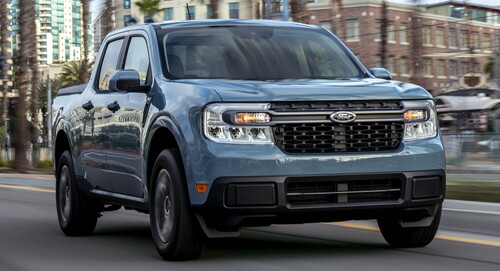
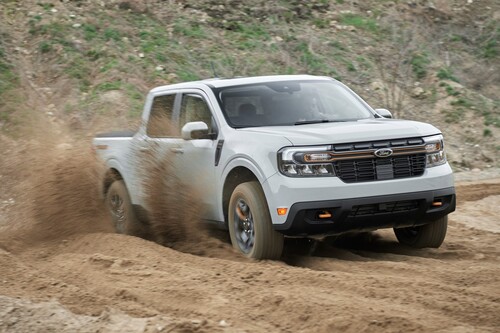
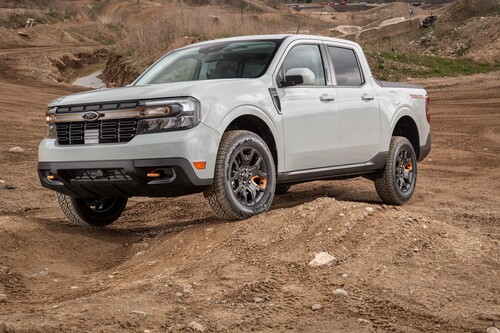
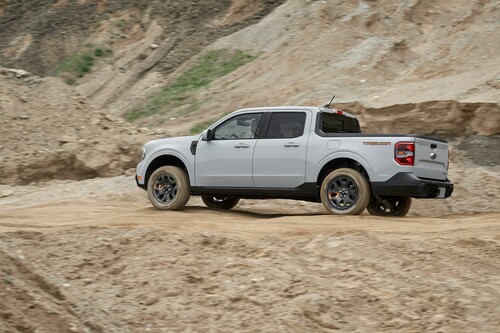
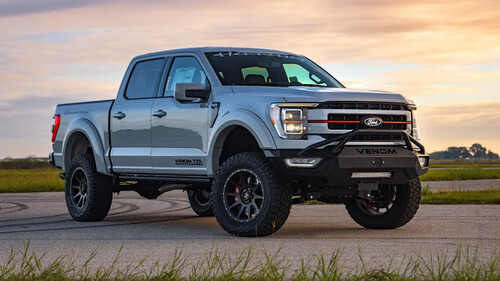
The Insurance Institute for Highway Safety has a new concern that might be affecting you while you’re on your sofa. According to a recent study, automakers are increasingly selling speed, power, traction, and performance while pushing safety further into the background. The organization worries that all those smoky drifts, dramatic corners, and off-road hero shots are helping create a culture that normalizes speeding.
Speed kills. That’s not up for debate. More than 11,000 people died in speed-related crashes in the U.S. in 2024. But while the IIHS may have identified a trend, its conclusions feel a little like blaming exhaust tips for noise while ignoring the engine attached to them. We’ll circle back to that, though.
What The Study Actually Found
Researchers analyzed nearly 3,000 television and digital ads and found performance themes appeared in 42.7 percent of them, while safety showed up in just 8.1 percent. Performance messaging increased substantially over the years studied, and IIHS argues that those ads help reinforce America’s obsession with speed.
Of course, the study openly admits that there is no established causal link between car advertising and how people actually drive. In effect, it’s saying, “This could happen or be happening, so let’s shine some light on it.”
Read: Speed Limits Are Outdated, And We All Know It
That’s all well and good, but it’s also a bit strange since the IIHS itself already knows about something else that heavily (and unquestionably) influences driver behavior: road design. The organization has repeatedly supported Safe System principles and broader roadway changes aimed at reducing dangerous driving. That’s because traffic engineers have known for years that people often drive at the speed a road feels designed for, not necessarily what a sign says.
The Real Reason Americans Drive Fast
And America has spent decades building roads that feel absurdly fast. Wide suburban arterials with huge shoulders, long sightlines, multiple lanes, and almost no visual constraints frequently look less like city streets and more like airport runways. Then officials post a 35-mph sign and seem genuinely surprised when traffic flows at 50. That’s not because somebody saw a Mustang commercial during Sunday football.
IIHS isn’t wrong that speed is dangerous. But if its own philosophy says systems shape behavior, then maybe a six-lane roadway designed like a landing strip deserves at least as much scrutiny (if not more) as a 30-second commercial showing a car taking a corner a little too enthusiastically.