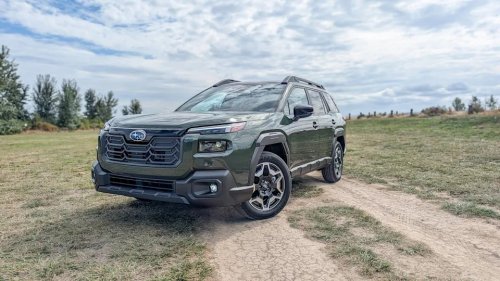
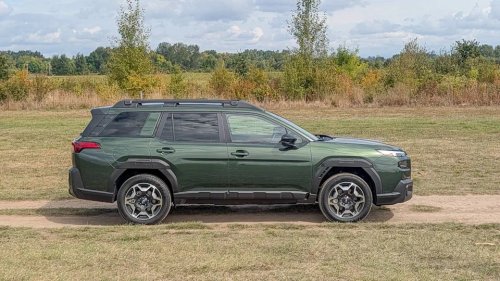
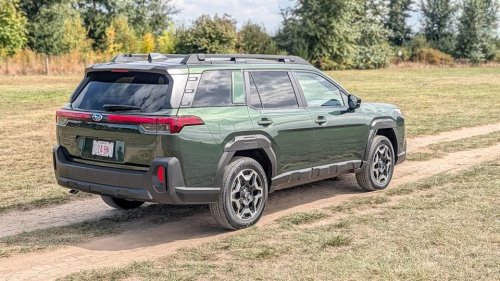
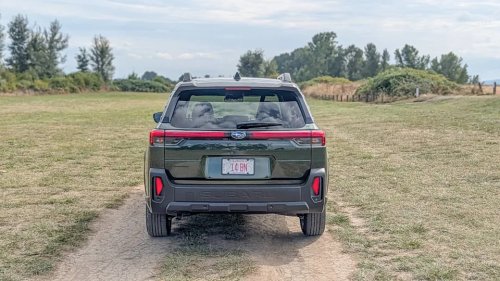
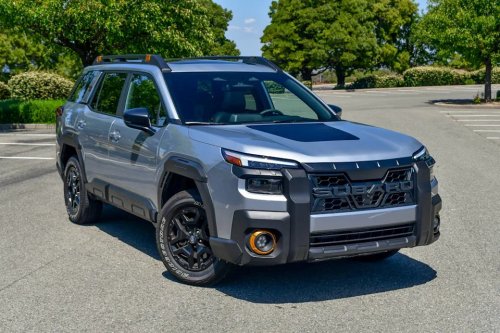
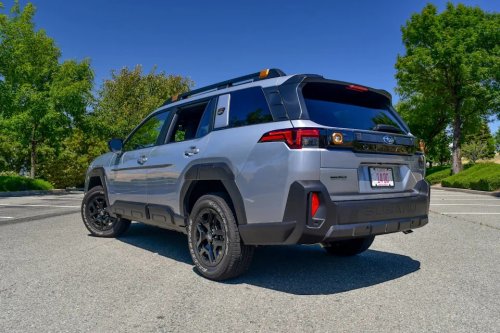
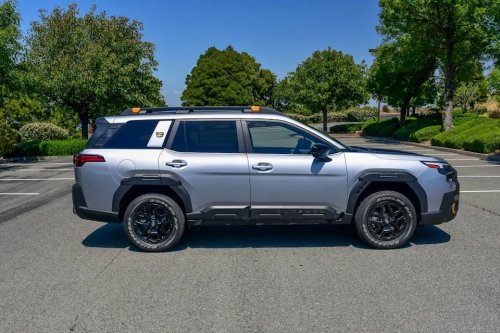
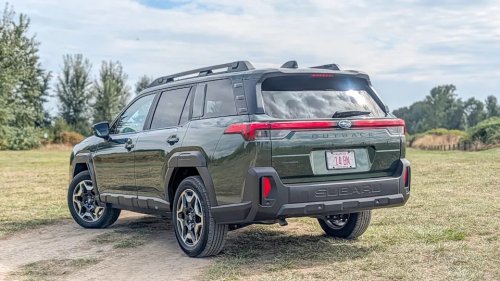
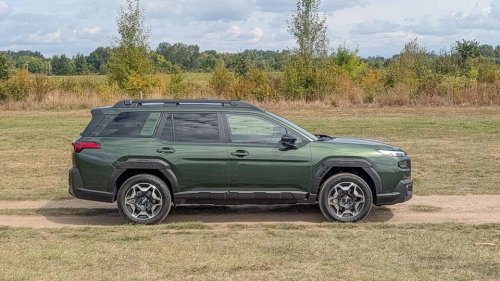
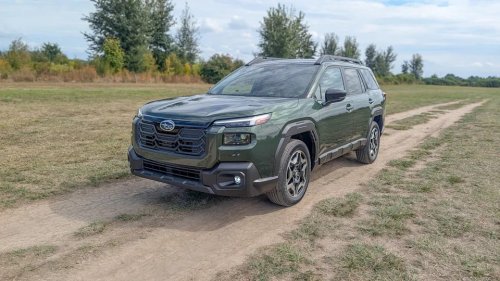
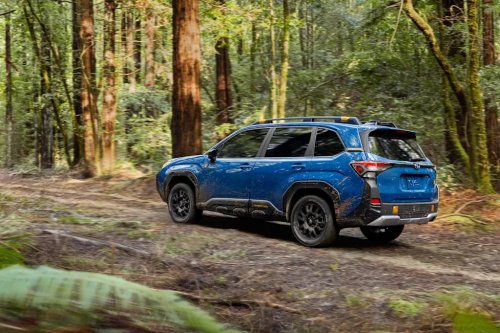
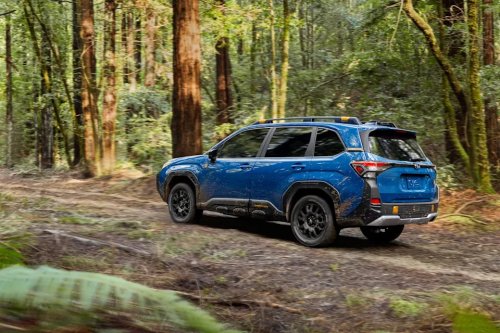
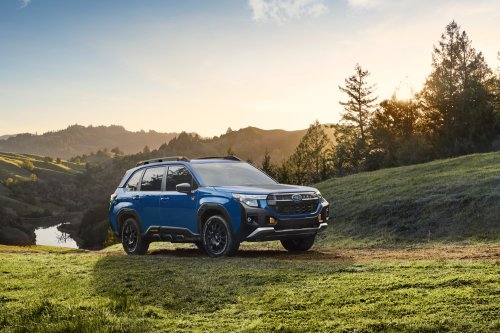
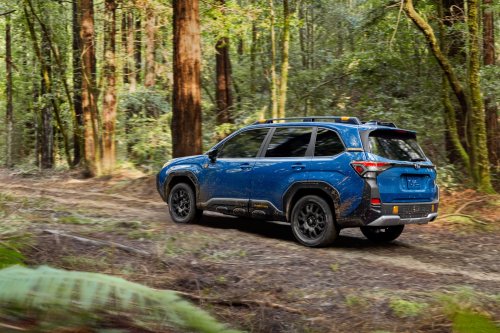
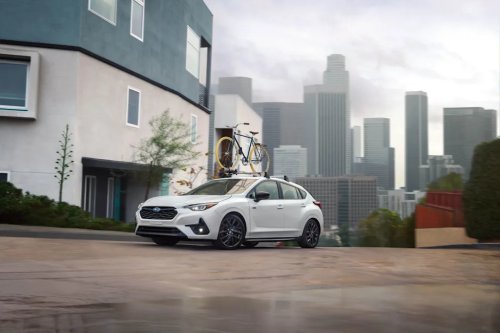
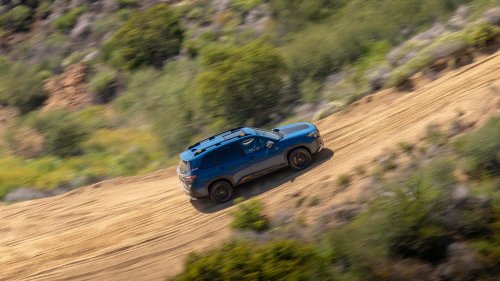
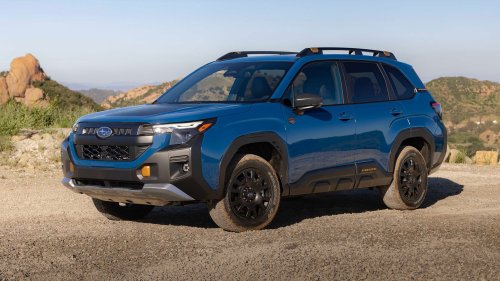
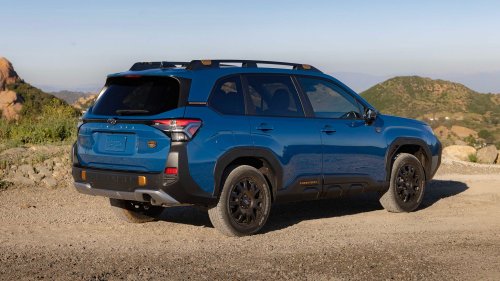
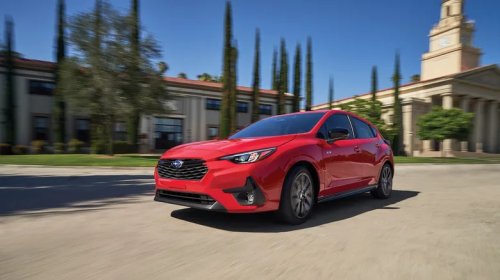
Subaru’s New Airbag Wins Safety Award After Tackling a Problem Most Automakers Haven’t SolvedSubaru has built its reputation on safety, but the automaker’s latest innovation is drawing attention for a very different reason. Instead of focusing only on protecting people inside the vehicle, Subaru developed a new airbag specifically designed to help protect cyclists and pedestrians outside of it. That effort is now earning industry recognition.More Stories Like ThisTeen Shot at Massachusetts Car Meet as Burning Stolen Car Full of Bullet Holes Sends Crowd RunningHellcat Murder Case Takes Dramatic Turn After Suspect Rejects Plea Deal in Deadly AirTag Tracking ConfrontationDriver Tried to Hide Expired Tags With Blue Duct Tape and a Marker — What Happened Next Got the Car Impounded10 Used V8 Cars Getting Shockingly Affordable Right NowFerrari’s $640,000 EV Gamble Just Changed the Supercar Fight ForeverThe company’s new Cyclist-Response Pedestrian Protection Airbag recently took first place at a Japanese safety convention organized by the country's safety testing organization, JNCAP. The award puts a spotlight on a technology that addresses a growing challenge for automakers worldwide: reducing injuries when vehicles collide with vulnerable road users.AdvertisementAdvertisementFor years, safety technology has largely centered on the occupants inside a vehicle. Airbags, reinforced structures, advanced seatbelts, and crash avoidance systems have transformed vehicle safety standards. But when a crash involves a cyclist or pedestrian, the equation changes dramatically.That is where Subaru’s latest development enters the picture.The Cyclist-Response Pedestrian Protection Airbag was first introduced on the Subaru Forester. Unlike traditional airbags hidden inside the cabin, this system is designed to deploy in a way that helps lessen the impact experienced by a cyclist or pedestrian who is struck by the vehicle.The concept may sound unusual at first. Airbags have long been associated with protecting drivers and passengers. Creating one specifically intended to reduce injuries for people outside the vehicle represents a different approach to crash safety.AdvertisementAdvertisementAnd that’s what appears to have impressed safety experts.Related IncidentsThe Real Story Behind a 1966 Mustang Running Tesla Full Self-Driving and Why It’s Exposing a Major Industry StandoffClassic Car Buyers Lose Thousands After Scammers Hijack Real Auto Shops in Multi-State Fraud SchemeStellantis’ Stunning Comeback: Hemi V8 Demand Helps Reverse $26 Billion Collapse as Massive Cost Cuts BeginWinning top honors at a safety-focused event organized by JNCAP is significant because the organization is heavily involved in evaluating vehicle safety performance in Japan. Recognition from a group dedicated to testing and safety standards gives Subaru’s technology credibility beyond simple marketing claims.AdvertisementAdvertisementThe award also highlights a growing shift within the automotive industry.As vehicle safety systems continue to improve, automakers are increasingly being challenged to think beyond occupant protection. Modern vehicles already incorporate automatic emergency braking, pedestrian detection systems, and other technologies intended to avoid crashes altogether. Yet collisions still happen, and manufacturers continue searching for ways to reduce the severity of injuries when prevention systems cannot stop an accident.Subaru’s solution targets one of the most vulnerable groups on the road.Cyclists face unique risks in vehicle collisions because they lack the protective structure surrounding occupants inside a car. Even relatively low-speed impacts can lead to severe injuries. By developing a system designed specifically around cyclist impacts, Subaru is addressing a problem that has received growing attention from safety advocates and regulators.AdvertisementAdvertisementHere’s the part that matters.The company did not simply modify an existing airbag design. It created an entirely new system intended to respond to circumstances involving cyclists and pedestrians. That distinction helps explain why the technology is being treated as a noteworthy development rather than just another incremental safety update.For Subaru owners, particularly Forester buyers, the innovation adds another layer to a brand already closely associated with safety-focused engineering. The Forester has long been positioned as a practical vehicle for families and daily drivers. Introducing groundbreaking pedestrian and cyclist protection technology on that platform reinforces the company’s broader image.At the same time, the recognition could increase pressure on competitors.AdvertisementAdvertisementAutomakers constantly monitor award-winning safety technologies across the industry. When one manufacturer earns praise for introducing a new protective system, others often face questions about whether similar solutions should be incorporated into their own vehicles.That does not mean every brand will immediately rush to adopt comparable designs. New safety technologies require extensive engineering, testing, and investment. But industry recognition can influence future development priorities, particularly when the technology addresses an area where safety improvements remain difficult to achieve.This is where the story becomes bigger than a single award.Road safety discussions often focus on preventing crashes, and understandably so. Avoidance systems remain one of the most effective tools for reducing injuries and fatalities. Yet the reality is that no technology eliminates accidents entirely. When collisions occur, the ability to reduce injury severity can make a substantial difference.AdvertisementAdvertisementSubaru’s award-winning airbag reflects that reality.Rather than accepting cyclist injuries as an unavoidable consequence of certain crashes, the company pursued a solution designed specifically to soften the impact. The fact that the technology earned top recognition suggests safety experts see real value in that effort.For drivers, enthusiasts, and the broader automotive industry, the development offers a glimpse into where safety engineering may be headed next. Protecting vehicle occupants remains essential, but future innovations may increasingly focus on everyone sharing the road.Subaru’s latest award is not just about a new airbag. It is about a changing definition of automotive safety. As manufacturers continue looking for ways to reduce injuries and fatalities, the companies willing to tackle difficult problems outside the vehicle may end up shaping the next generation of road safety technology.SourceJoin our Newsletter, follow our Instagram page, and connect with us on Facebook.


















 +61 others