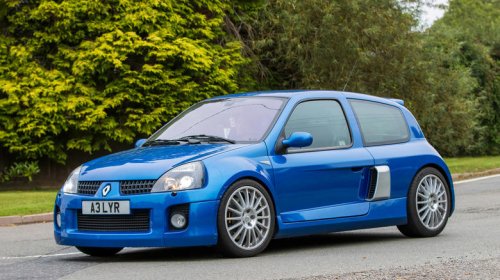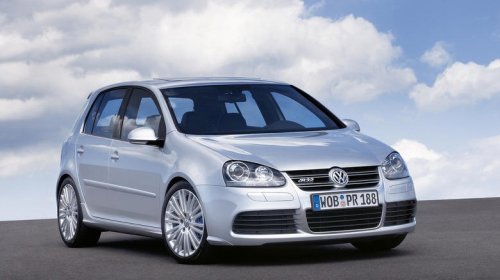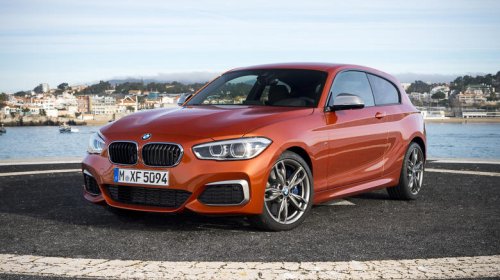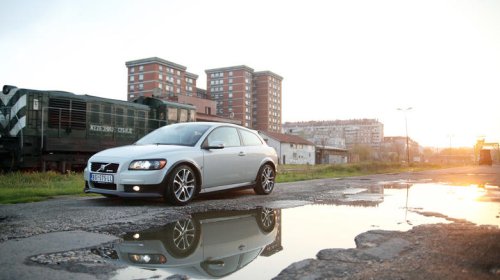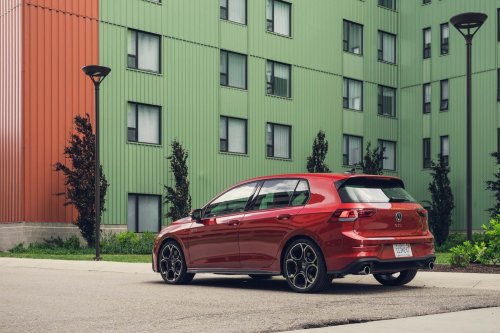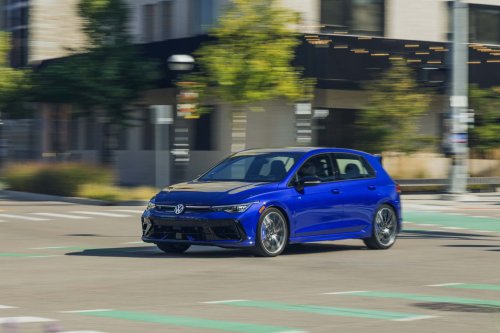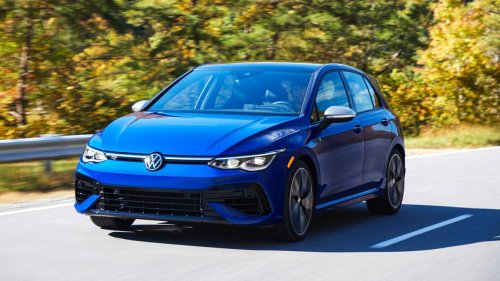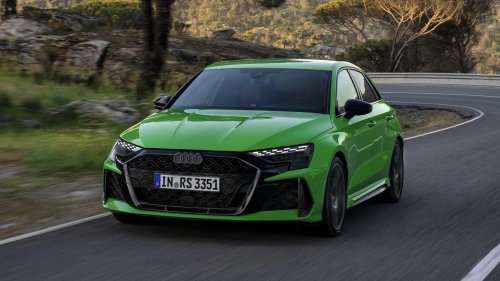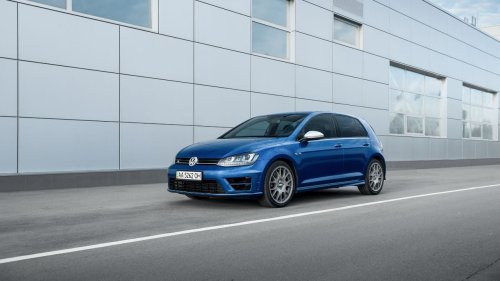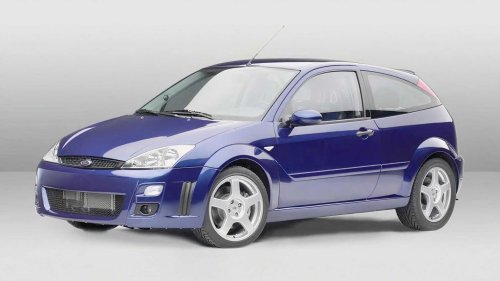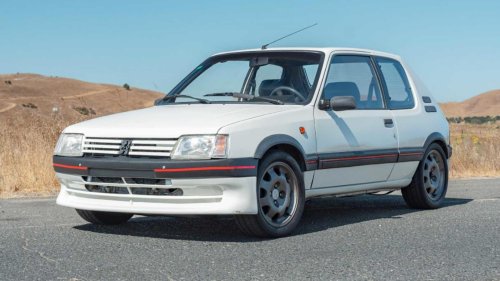
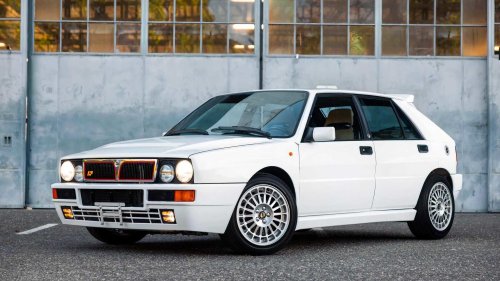
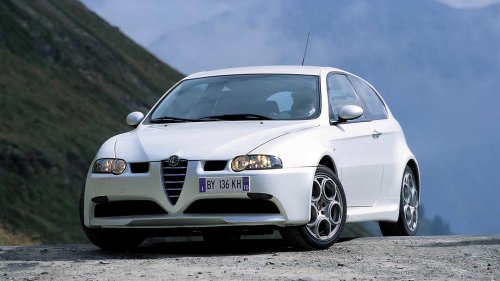
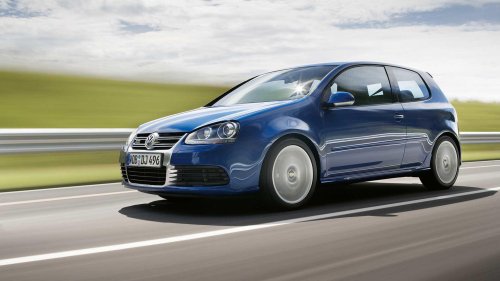
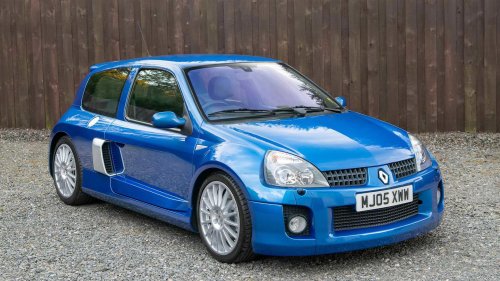
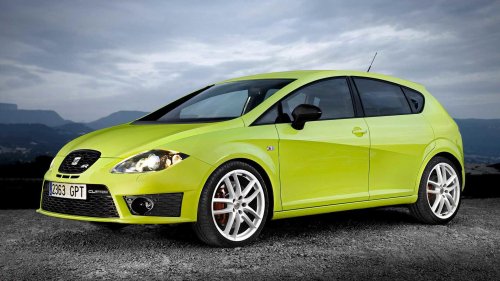
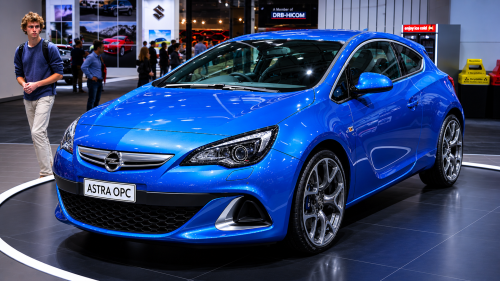
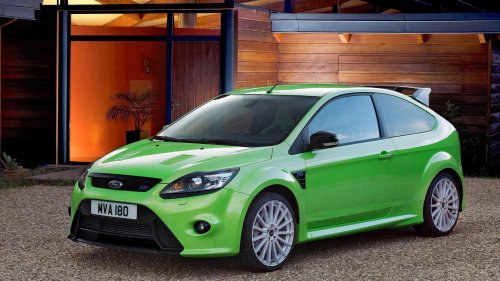
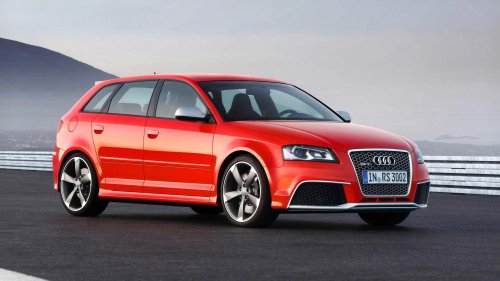
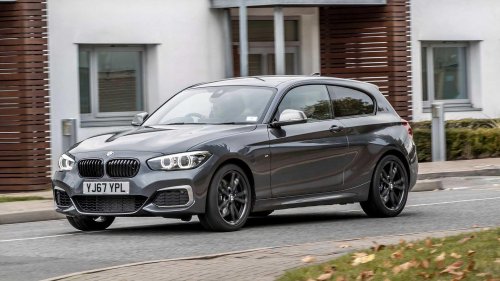



















There is something satisfying about a car that doesn't scream for attention but has the power to leave purebred sports cars staring at its taillights. In the automotive world, aggressive-looking and loud two-door sports cars easily grab attention, and most people want that, especially when they've spent a good amount of money to buy one. But there is a subset of cars that are complete sleepers that are wolves in sheep's clothing but will embarrass you at a stoplight.Today, hot hatches have become mainstream with some having aggressive designs, flared fenders and big wings to announce their presence, but this never used to be the case. The cars that embody this incognito style so well are the European hatchbacks. They were compact, light, easy to maneuver and originally built for commuting around the small towns in Europe and were all powered by small four-cylinder engines. But a select few were fitted from the factory with powerplants that completely defied their modest body styles. These cars look like ordinary commuters, but underneath that body may be a purpose-built rally car, a big mid-engine V6, or a bulletproof straight that would surprise most dedicated sports cars. Peugeot 205 GTI 1.9 Power: 128 Horsepower Bring a TrailerBy modern standards, 128 horsepower sounds like what you get in a basic rental car. But in 1987, this was plenty, especially in a car that weighs less than 1,950 pounds. The power to weight ratio of this hatch puts it in the same category as a modern Toyota GR86. The Peugeot 205 GTI 1.9 is the grandfather of the lightweight hot hatch movement. The original car had a 1.6-liter rev-happy four banger making 104 horsepower, while the later 1.9-liter made more but traded a little bit of those revs for low-end torque.It was quick but never considered fast, even in 1987, but it had no weight. There was no heavy sound deadening, no complex electronics, and a paperweight body shell. So every single horsepower it had made it move swiftly, and on the backroads, this little thing would be right on your tail and, in the right hands, it may overtake and leave you in the dust. Lancia Delta HF Integrale Power: 200 Horsepower Bring a TrailerThe Lancia Delta was just a boxy, angular, four-door Italian economy hatchback first introduced in the 80s. In standard form, it was nothing special but step up to the HF Integrale and you are looking at a World Rally Championship (WRC) legend disguised as a family hatchback. The 2.0-liter turbocharged engine under the hood pumps out 200 horsepower and 220 pound-feet of torque (and up to 215 horsepower in late Evo II).The game changer for this car was the advanced permanent four-wheel-drive system with Torsen rear differential, making sure it could put the power down no matter the surface. The engine itself was heavily turbocharged, with the sound of the turbos filling the entire cabin at full throttle. It was a brutal car to drive, but it rewards the driver greatly when you get it right. Alfa Romeo 147 GTA Power: 340 Horsepower Alfa RomeoAlfa Romeo is one of those brands famous for making beautiful cars, but the 147 hatch is a rather normal little car meant for regular city commutes. But when you slap the GTA badge on one, then it becomes serious. The Alfa Romeo 147 GTA ditched its tiny four-cylinder engine for the legendary 3.2-liter "Busso" V6. Named after its designer, Giuseppe Busso, it is widely considered one of the greatest-sounding and most charismatic naturally aspirated V6 engines ever built, complete with chrome intake runners visible right when you pop the hood.This engine makes 247 horsepower and 221 pound-feet of torque with no forced induction in sight, sending power to the front wheels. Driving this car is a theatrical experience with a smooth power delivery and sweet soundtrack, especially when you go above 4,000 rpm. This boutique Italian hatchback emits an intoxicating, metallic wail while accelerating with a ferocity that feels completely abnormal for a car of its size. Volkswagen Golf R32 Power: 250 Horsepower VolkswagenThe Volkswagen Golf is the definitive hatchback for the European people. It is so common that it blends into traffic, and most people do not bat an eyelid. But in regular golf fashion, there is a more desirable high-performance version known as the Mk5 Golf R32 hiding a big secret under its hood. You might be expecting to see a turbocharged four-cylinder, but this baby is powered by a 3.2-liter naturally aspirated VR6 engine.This engine is quite unique as the cylinders are staggered at a narrow 15-degree angle under a single cylinder head. This is similar to the Bentley W12 or Bugatti W12 cylinder setup. Volkswagen managed to squeeze a six-cylinder engine into a space meant for a four-banger, but this was the second time they've done this, as the MK4 R32 also had a similar engine. It made 250 horsepower and 236 pound-feet of torque, sending power to VW's Haldex-based 4MOTION all-wheel-drive system. This is a sleeper because it can sit quietly outside looking completely harmless, but will easily keep up with most sports cars, especially from a dig. Renault Clio V6 Power: 255 Horsepower Collecting CarsIf you saw a standard second-generation Renault Clio in Europe during the early 2000s, it was likely being driven by a university student or just a regular 9-5 worker. But the Clio V6 has to be one of the most radical engineering re-imaginations of a hatchback in automotive history. Renault didn't just put a bigger engine under the hood; they took a 3.0-liter V6, ripped out the rear seats, and mounted the engine right in the middle of the car. This produces 255 horsepower and 221 pound-feet of torque.This transformed a front-engine, front-wheel-drive economy car into a mid-engine, rear-wheel-drive exotic sports car with a short wheelbase. It's got a widebody kit to emphasize its sporty nature, but unless you know what it was, you'd still mistake it for another Clio. It drove like a mini supercar. It was quick, nimble, and had the advantage of a mid-engine platform that rewards precision driving and could be a bit of a handful at the limit. SEAT Leon Cupra R Power: 265 Horsepower SEATSEAT, the Spanish arm of the Volkswagen Group, was often tasked with creating youthful, value-oriented cars. The second-generation Leon shared the same platform as the VW Golf, but the Cupra R version received a serious injection of adrenaline. It was equipped with a powerful version of the 2.0-liter turbocharged TSI engine, pushing out 265 horsepower and 258 pound-feet of torque to the front wheels.Because SEAT lacked the premium badge of Audi or Volkswagen, the Leon Cupra R flew completely under the radar. It looks like a sensible, edgy European family car. But thanks to an electronic limited-slip differential and an aggressively tuned factory turbo setup, it has blistering mid-range acceleration that can comfortably keep up with high-end machines from Stuttgart or Munich. Opel Astra OPC Power: 280 Horsepower Wikimedia Commons/OSXThis is a brand that is almost exclusive to Europe, and the Astra was a sensible five-door hatchback until Opel’s Performance Center (OPC) got its hands on it and decided to create a front-wheel-drive monster. This fourth-gen Opel Astra OPC was powered by a 2.0-liter turbocharged four-cylinder engine producing a massive 280 horsepower and 295 pound-feet of torque, sending all power to the front wheels. This was a pretty good-looking car as standard, but the OPC became a three-door hatch emphasizing its more sporty nature.It also got some extra mechanical upgrades like GM's HiPerStrut front suspension, a mechanical limited slip differential, and an electronically controlled active suspension. These were done to help keep the car balanced and eliminate torque steer and stop the car from overwhelming the front tires. Visual upgrades include the OPC badge on the gear knob, steering wheel, and instrument dials; Recaro-style sport seats; and a distinctive front and rear bumper with a rear spoiler. This is highly sought after by sleeper enthusiasts because the engine block is famously over-engineered since it is a derivative of the GM Ecotec engine, meaning a simple ECU remap can easily add more power without changing a single internal component. Ford Focus RS Mk2 Power: 305 Horsepower Ford EuropeThe second-generation Ford Focus was the ideal family hatchback across Europe. It was practical, safe, and ordinary. But in 2009, Ford’s TeamRS division decided to see how far they could push this front-wheel-drive platform. The result was the Focus RS Mk2, powered by a Volvo-sourced 2.5-liter inline five-cylinder turbocharged engine pushing out 305 horsepower and 325 pound-feet of torque. This was a lot of power to the front wheels, so Ford engineered the "RevoKnuckle," front suspension with a mechanical Quaife limited-slip differential to handle the stress this engine would exert on the front wheels and suspension.The five-cylinder engine is the star of the show here, as it delivers an engine note that is unique to this engine, with dramatic pops and bangs on the overrun. This is one of those bulletproof powertrain that will take a beating relentlessly and keep going. Loyal Ford fans go crazy for this car because of its tuning potential. This car was so impactful to Ford performance that it followed up with the legendary RS500 in 2010, which used the same engine and was limited to just 500 units. In this car, the turbo inline-five made 350 hp and 339 lb-ft to the front wheels and was the wildest Ford Focus ever before the next gen switched to all-wheel drive. While never sold in the US, it serves as proof that this platform means business. Audi RS3 Sportback Power: 340 Horsepower AudiFrom one five-cylinder to another, we enter the RS3. Audi practically invented the premium five-door sleeper segment with its RS hatchbacks. This was the first time Audi took performance seriously with this platform, and they got it right on the first try. Under the engine bay is a legendary 2.5-liter turbocharged five-cylinder engine that traces its spiritual roots straight back to the terrifying Group B rally cars of the 1980s.This powerhouse makes 340 horsepower and 332 pound-feet of torque and uses a unique 1-2-4-5-3 firing order to create a mechanical soundtrack that sounds like a mini V10. This is mated to a fast-shifting seven-speed dual-clutch transmission and Audi’s trademark Quattro all-wheel-drive system. This is by far one of the most advanced cars on this list and can easily hit 60 mph in about 4.5 seconds. This is the ultimate modern sleeper and, with a few mods, you can push this car to 500 hp. It is an Audi, so it is refined and perfect for the daily commute, but has enough power to humiliate some supercars during acceleration. BMW M140i Power: 340 Horsepower BMWThe final car on this list represents the end of an era. The BMW M140i is an absolute anomaly in the modern automotive landscape: a compact, premium hatchback featuring a massive engine up front, sending power to the rear wheels. BMW just built a hot hatch with its own formula. Under its long hood sits the legendary 3.0-liter turbocharged B58 straight-six engine making 340 horsepower and a mighty 370 pound-feet of torque.It looks nearly identical to the entry-level 1 Series diesel hatchback so you would never know this was the powerful one. The B58 engine is famously over-engineered and has been used in various BMWs and the Toyota Supra. This engine has proven to be highly tunable but also very reliable when stock. If you want a true sleeper, the M140i is holy grail material, a pure, rear-wheel-drive sports car disguised as a practical daily driver.Sources: Ford, BMW, Audi, Opel, SEAT, Renault Volkswagen, Alfa Romeo, Lancia, Peugeot, Pistonheads