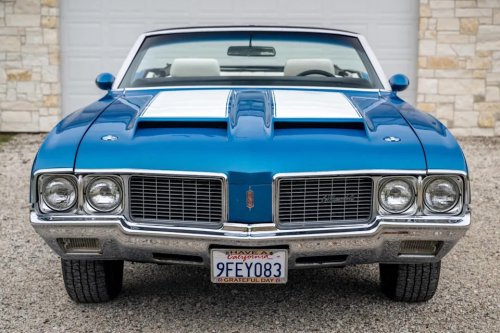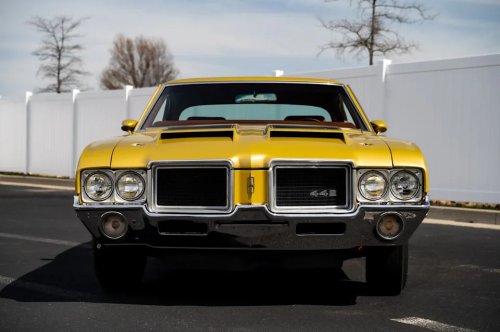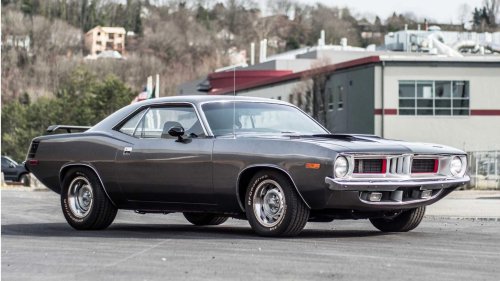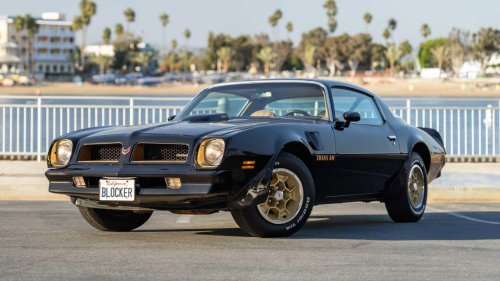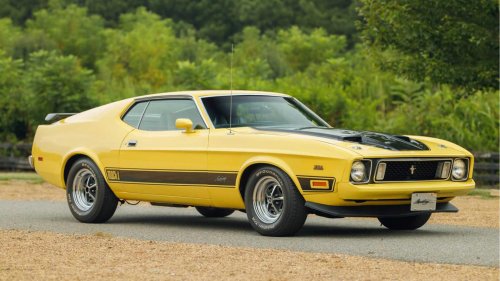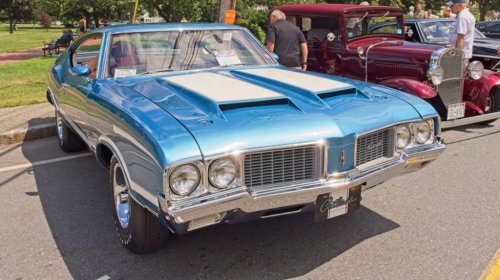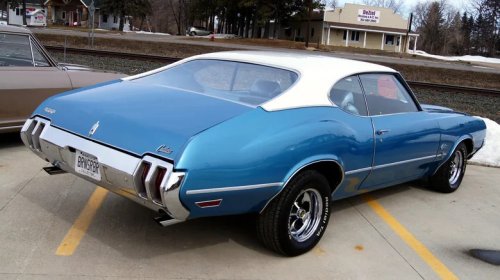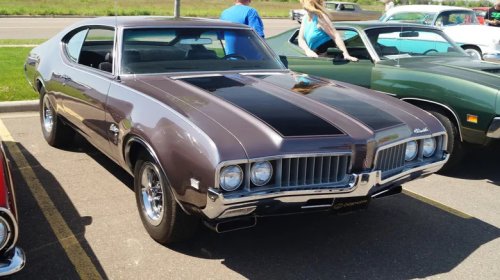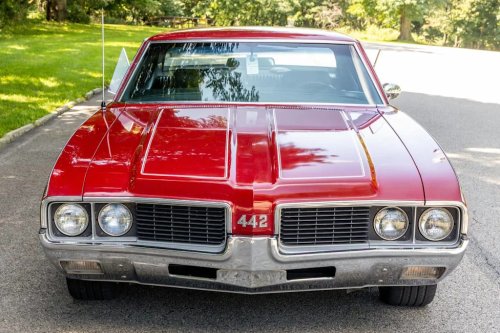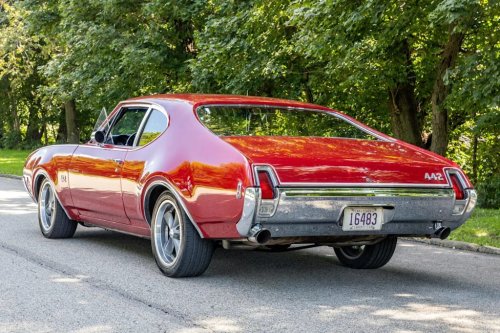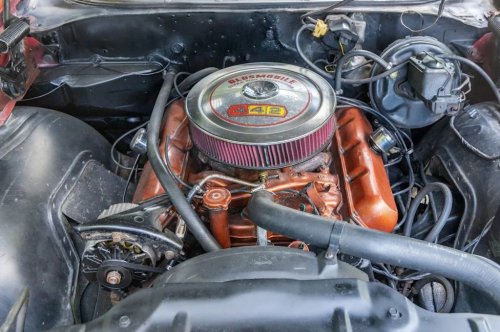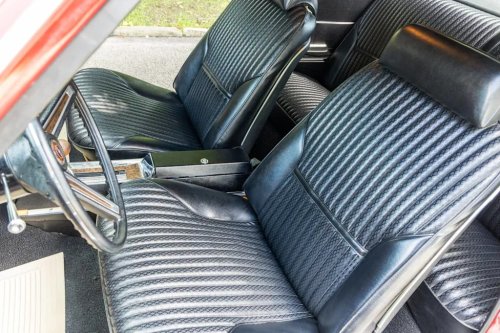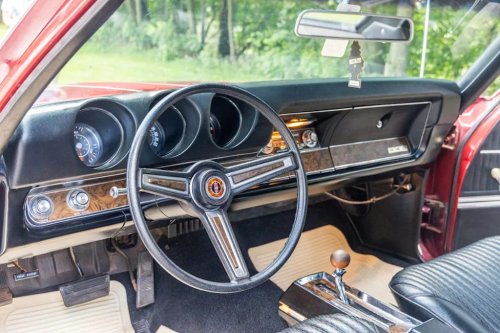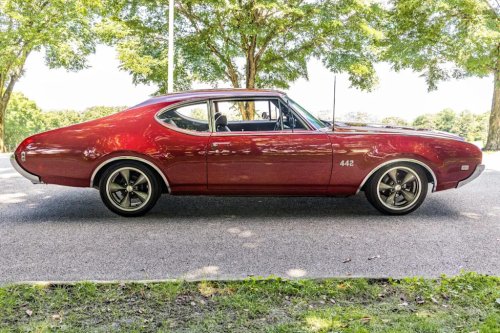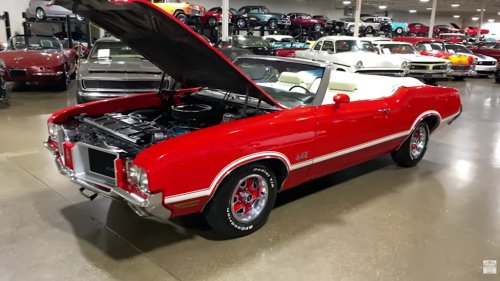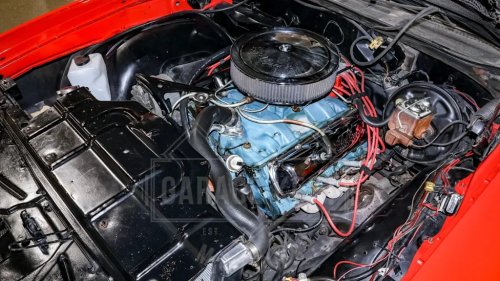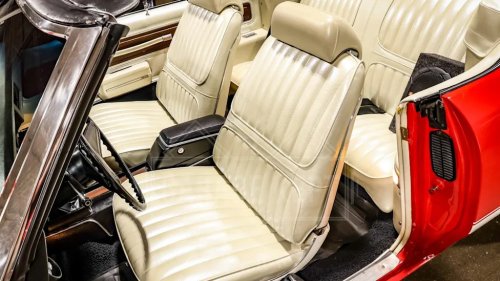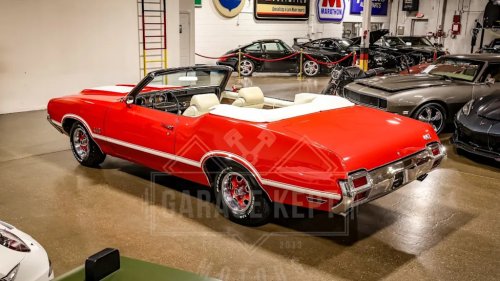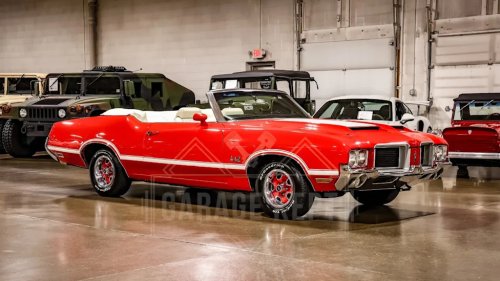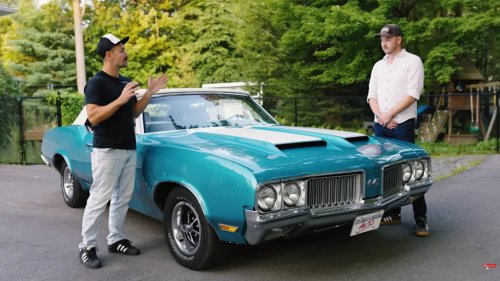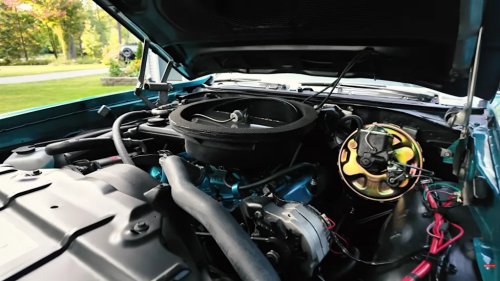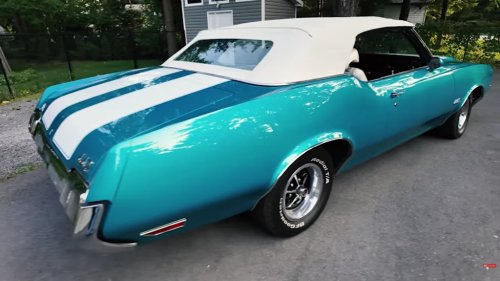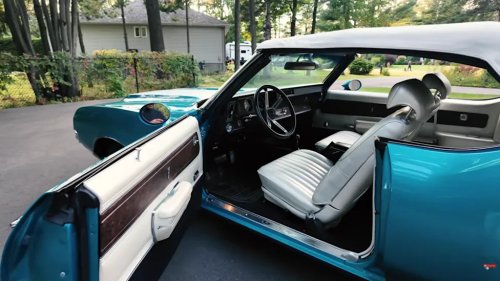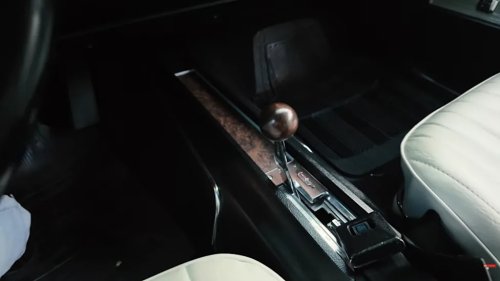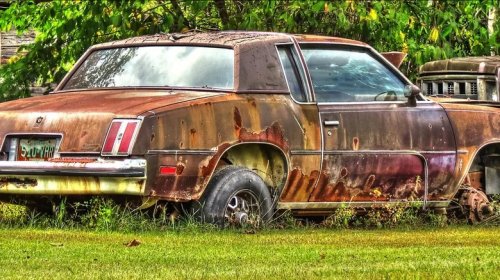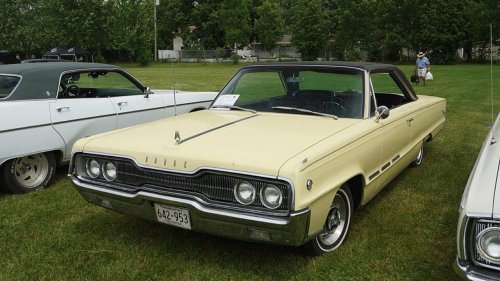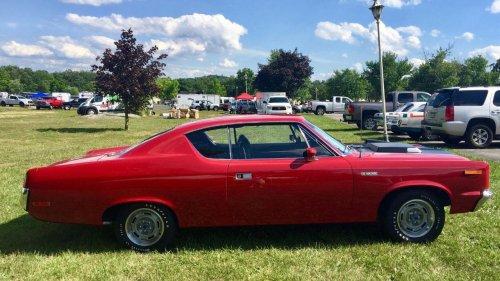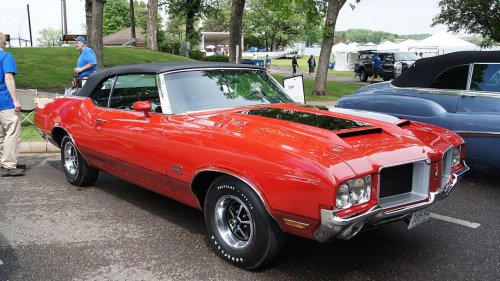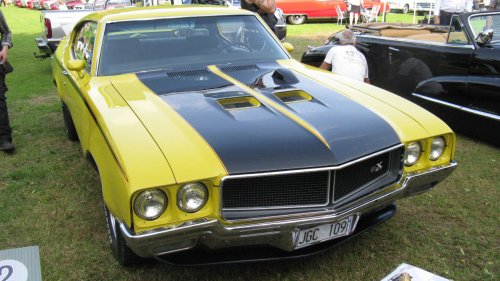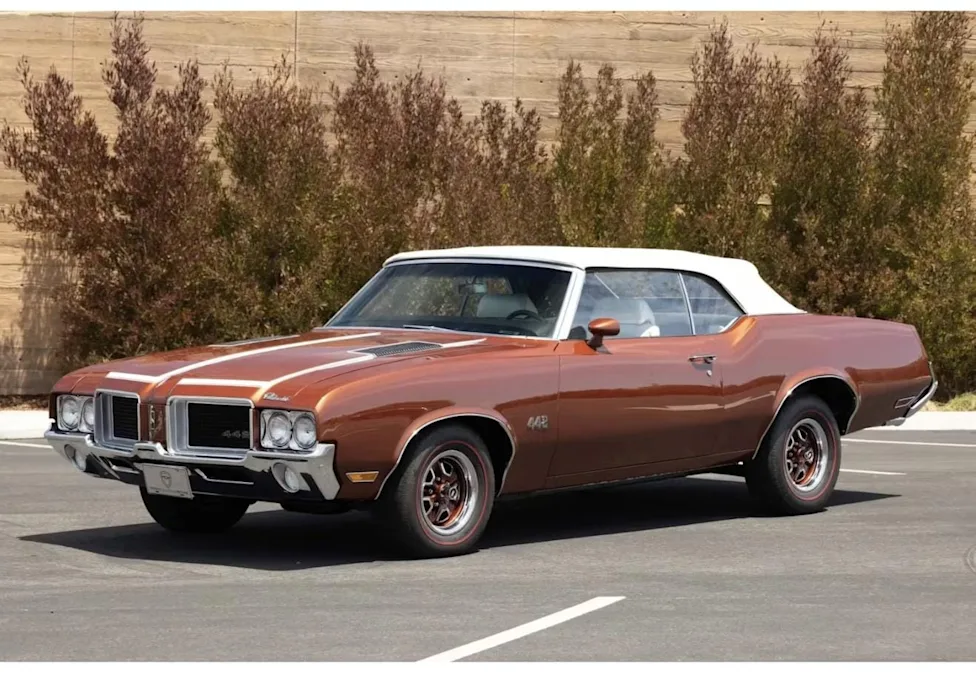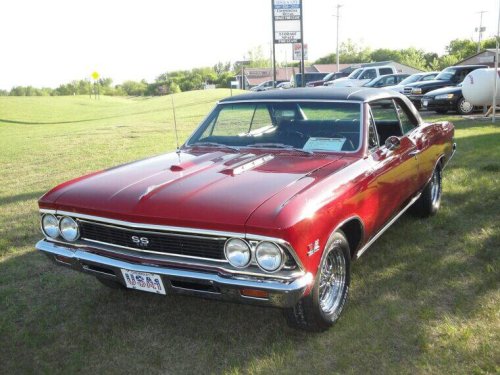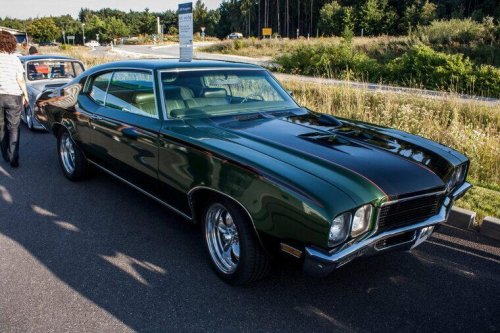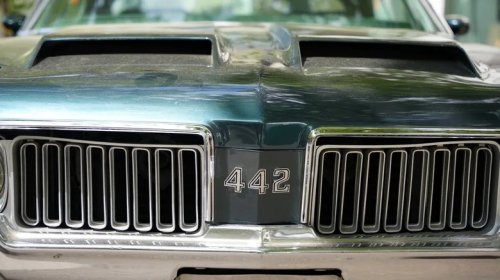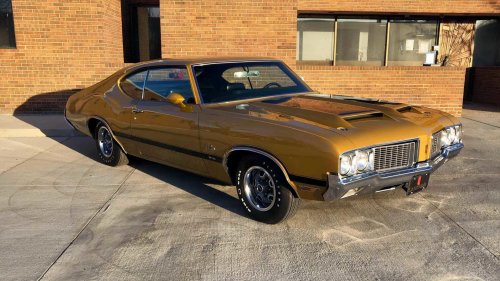
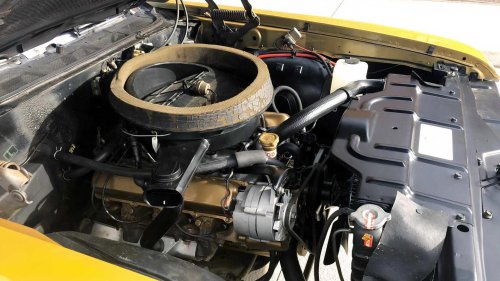
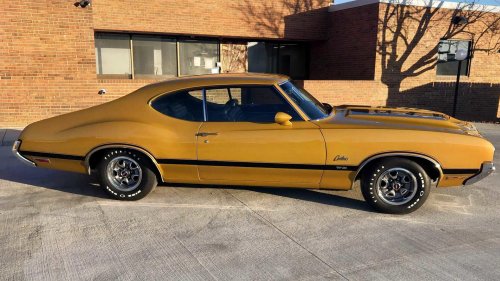
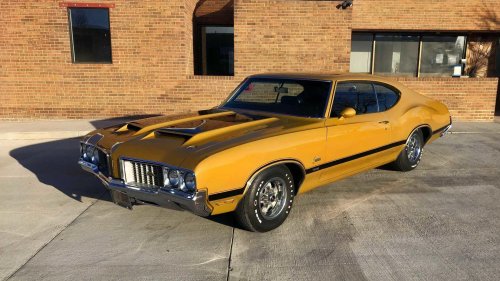
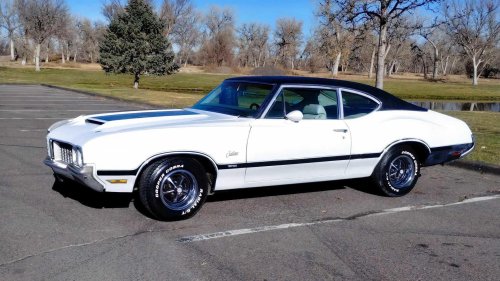
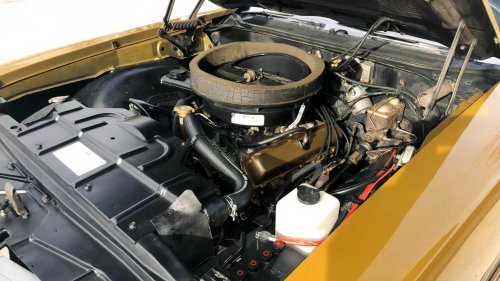
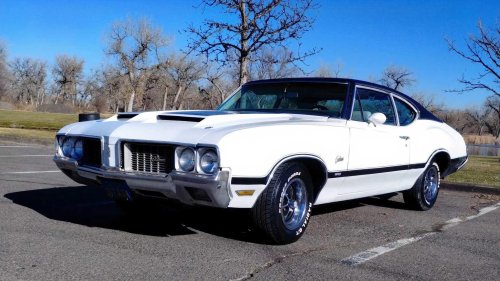
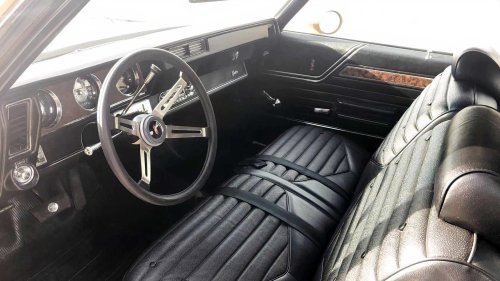
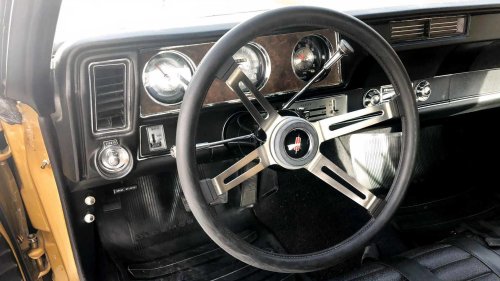



















For decades, muscle car collecting has followed a familiar script that hinges on big blocks, big badges, and big money. The cars that seasoned gearheads remember best from their youth tend to be the ones that shouted the loudest, both on the street and in the auction hall. But not every serious performance car from the muscle era fits that mold, and not every wise collector is chasing the same names.You see, one outlier in the collector's muscle car space is Oldsmobile. Now, Oldsmobile’s muscle history sits in an interesting place because it never lacked engineering credibility, as the brand built fast, well-developed cars that could run with anything GM had on offer. What it didn’t build was a mythology as loud as its rivals, and that difference still shapes the market today.Some Oldsmobile performance models became icons, while others quietly slipped into the background, not because they fell short, but because they simply didn’t match up with the era’s marketing narratives or later collector trends. Those cars didn’t disappear; instead, they simply had to wait for their moment in the sun.One Oldsmobile in particular lives squarely in that gap, as it wasn’t designed to win bench-racing arguments or dominate drag strip headlines. It was built with a different philosophy, one that favored usability and engineering intent over brute force. And, now, collectors are secretly hunting them down, just waiting to get behind the wheel of one of their own. Let’s dive in. How The 1970 Cutlass W-31 Delivered Real-World Performance via Bring A TrailerIt’s really no wonder that gearheads still secretly hunt for the 1970 Oldsmobile Cutlass W-31, after all, it’s arguably the most underrated small-block muscle car ever built. The 1970 Cutlass W-31 delivered performance in a way that didn’t hang its hat on brute displacement or headline horsepower. Instead, Oldsmobile focused on extracting usable speed from a carefully tuned small-block package that rewarded drivers who actually knew how to use it.Under the hood sits a 350-cubic-inch small-block V8 that’s specifically tuned for some serious performance. It delivered some strong numbers for a small block of this era, with a whopping 325 horsepower and 360 lb-ft of torque. Along with its high-lift cam and unique W-31 performance components, what helped elevate this small-block even further are solid valve lifters and a Rochester four-barrel carburetor that delivers some stellar mid-range punch.via Bring A TrailerPaired with a four-speed manual transmission, the W-31 felt sharper and more involved than many of its contemporaries. While the W-31 was never as fast as the big-block W-30 442s, it still managed to find a way to be a lively real-world performer, clocking in a quarter-mile time just under 14 seconds. What made the W-31 special was the balance it delivered, with speed you could access more often, in more situations, and with less effort than many larger-engined rivals. The W-31 was built to be driven hard, repeatedly, without feeling overmatched by its own mass or tuning. Why The W-31 Took A Different Approach Than Other Oldsmobile Muscle Cars via Bring A TrailerWhile most of the notable Oldsmobile models were roaring big blocks, the magic of this Oldsmobile is that it took a different direction entirely. You see, the W-31 wasn’t just another variant of the 4-4-2 performance icon because its parts were tailored. So, no, it wasn’t just a cosmetic option, it was a distinct engineering package.The Oldsmobile W-30 and other high-end 4-4-2s were oriented toward delivering maximum displacement and raw output in the muscle car era. In contrast, the W-31’s design philosophy hinged on balanced performance with a responsive engine and a lighter configuration. It was never meant to headline drag strips or dominate showroom floors. It was designed to reward drivers who valued balance, not just raw displacement.The W-31 was an option package for the Cutlass and F-85 lines, and it applied performance upgrades rather than being a distinct model like the 442. So, the W-31 wasn’t positioned as the top of the hierarchy; it was simply the alt option. Thus, to make it stand out, Oldsmobile engineers focused on getting the most performance possible from its 350 small-block rather than just slipping a bigger engine under the hood.via Bring A TrailerThe W-31 also avoided the branding theatrics that surrounded other Oldsmobile performance cars. Models like the Hurst/Olds were built as collaborative, image-driven muscle machines with visual flair and limited-run appeal. The W-31, by contrast, remained understated, with performance hardware that was purposeful, not promotional.In many ways, the W-31 represented Oldsmobile’s engineering confidence. It showed the brand was willing to build a performance car that didn’t chase the loudest numbers or the biggest engine, which is precisely why the W-31 stands apart today. It wasn’t trying to outmuscle its siblings. It was built to outthink them. Why Oldsmobile Muscle Cars Remain Undervalued via Bring A TrailerToday, based on Classic.com data, the auction price of a 1970 Cutlass W-31 ranges from $23,995 to $57,309. In contrast, additional data collected by Classic.com shows that the 1970 Oldsmobile 442 with the big-block engine averages closer to a price range between $78,742 to $111,982. Based on this combined data, it’s clear that Oldsmobile still has a strong base of gearheads behind the brand; however, it’s still nowhere close to the level of enthusiasm seen behind other classics under the Ford or Chevrolet nameplates. A big part of that gap comes down to branding.You see, Oldsmobile muscle cars have never had to worry about performing in the streets or securing credibility. However, what they have struggled with is perception. During the height of the muscle car era, Oldsmobile did build some of the quickest, most technically sophisticated cars GM had to offer. Yet decades later, they continue to trade below comparable Chevrolets, Pontiacs, and Mopars, even when the what’s under the hoods tells a different story than its price tag would ever suggest.via Bring A Trailer Another key reason for this is that there were machines like the Chevrolet’s Chevelle SS and Pontiac GTO that became synonymous with the term muscle car. Now, in comparison, the Oldsmobile badge cultivated a more mature, engineering-focused identity. And, sure, that worked in the period, but it didn’t translate as cleanly into collector mythology. As a result, Oldsmobile performance cars often get overlooked when unknowing gearheads chase the loudest names rather than the strongest specs.A final key element that shouldn’t be overlooked is that when it comes specifically to the 1970 Cutlass W-31, there’s also the issue of internal competition, as Oldsmobile’s own lineup worked against cars like the W-31. The dominance of the 455-powered W-30 cemented the idea that “real” Oldsmobile muscle meant big-block torque. Small-block performance cars, no matter how well engineered, were quietly pushed into the background. And that undervaluation is precisely what’s starting to attract informed collectors. Why Collectors Are Quietly Chasing W-31s Today via Bring A TrailerAt this point, it should be a no-brainer as to why collectors are finally waking up when it comes to this small-block Oldsmobile. Auction results over the past several years show steady demand for documented W-31 examples, particularly cars with original drivetrains, factory paperwork, and correct W-31–specific components.While prices remain well below those of W-30–equipped 4-4-2s or comparable Chevelles and Mopars, the spread has narrowed enough to draw the attention of both gearheads and collectors who disregarded the model in the past. That movement isn’t speculative, either, because it’s rooted in verified sales data and consistent buyer behavior.However, while recognition may be on the rise, collectors are wise to keep these thoughts to themselves as the W-31 was never produced in large numbers, and surviving examples with solid documentation have proven hard to come by. That has placed a premium on originality over any type of restoration or restomod flash, favoring cars that retain correct engines, induction components, and factory identifiers.via Bring A TrailerPlus, with six-figure prices now common for the most recognizable muscle cars, the attention of collectors and gearheads has turned to cars that deliver the same substance without the financial leap. The W-31 benefits from that recalibration. It represents a legitimate factory performance package from the peak muscle era, yet it remains more accessible than its more well-known counterparts.Collectors aren’t chasing these cars loudly or impulsively. They’re buying them based on documentation, condition, and long-term logic. That quiet, methodical demand is often what sustains value over time, and it explains why the W-31 is increasingly on serious collectors’ short lists.At the end of the day, the story of the 1970 Cutlass W-31 is about giving recognition where recognition is deserved because this Oldsmobile was one that was never misengineered, only misjudged. Oldsmobile built the W-31 with intent, prioritizing real-world performance at a time when bigger engines dominated headlines. That choice cost it visibility, but it preserved its identity.via Bring A TrailerToday’s collectors are approaching the W-31 with a different lens: They’re evaluating documentation, originality, and how these cars fit into the muscle car landscape as a whole. When viewed that way, the W-31 makes sense. It has the performance and history collectors care about, but it still comes in at a lower price than the usual big-name muscle cars. The W-31 remains one of the clearest surviving examples of how smart engineering from the muscle car era can age much better than hype.Sources: Auto Evolution, Classic.com, Hemmings.