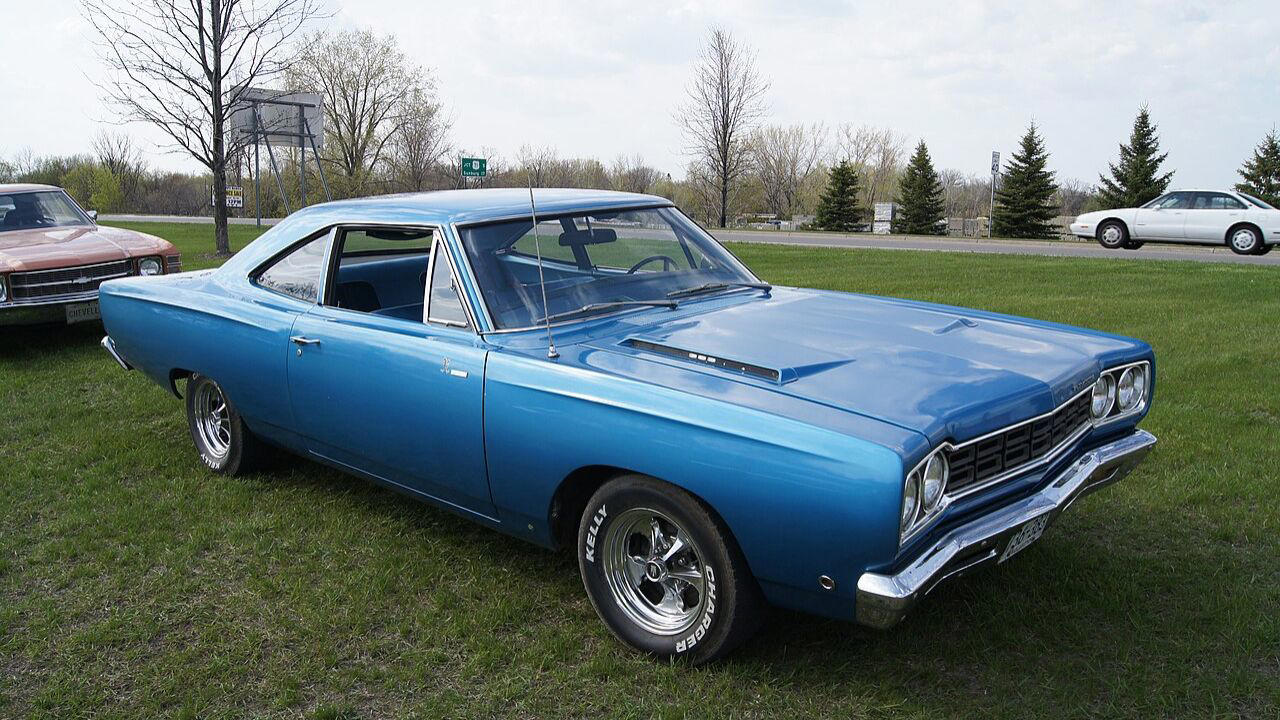
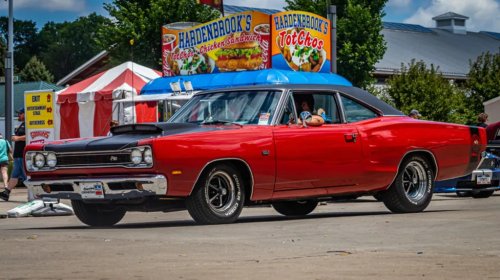
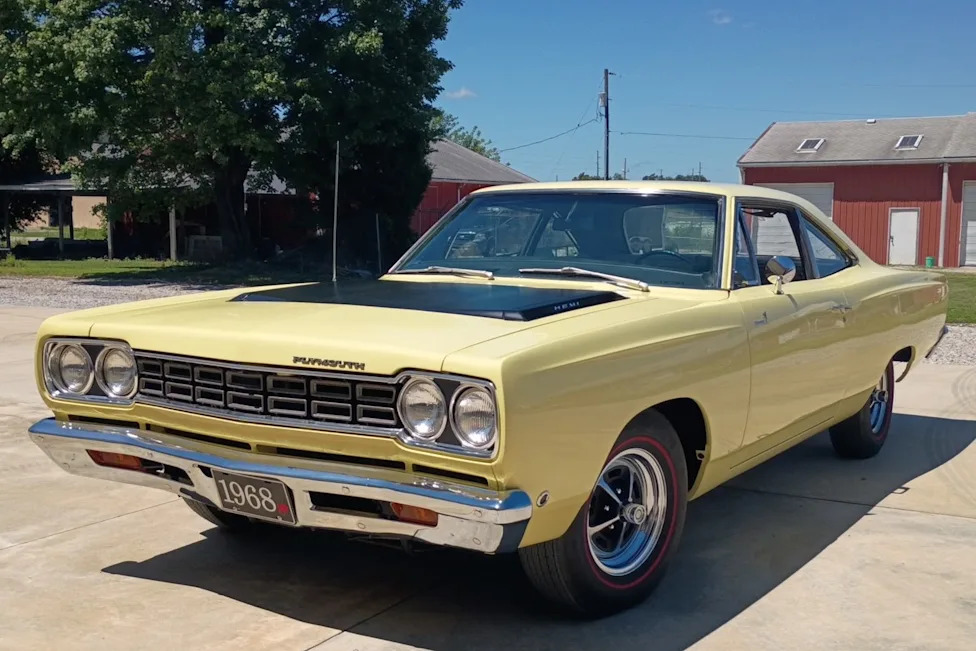
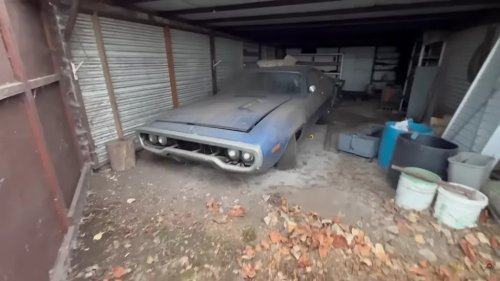
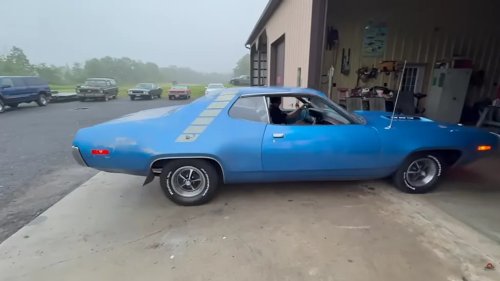
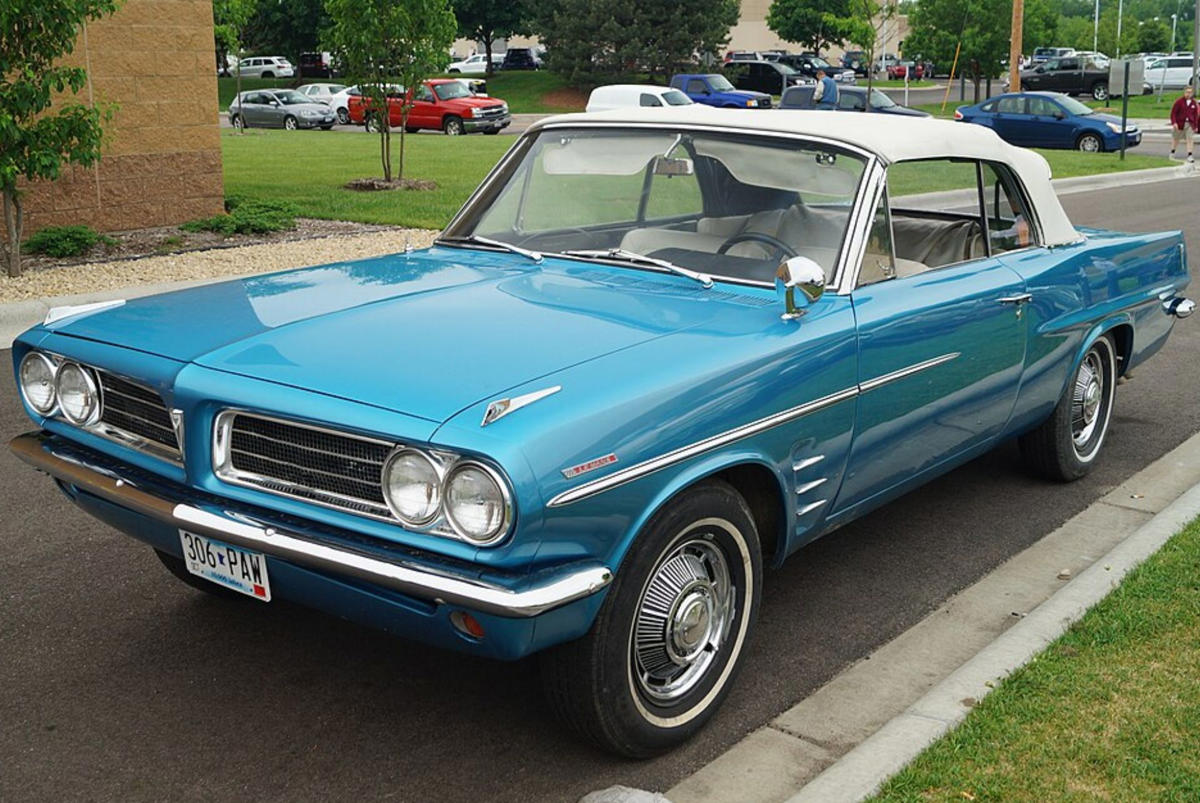
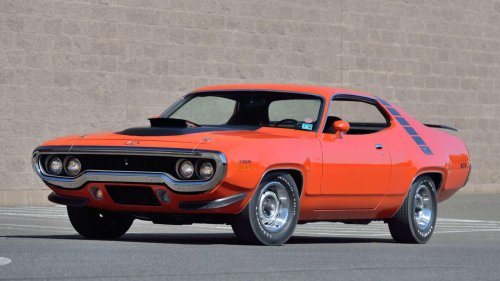
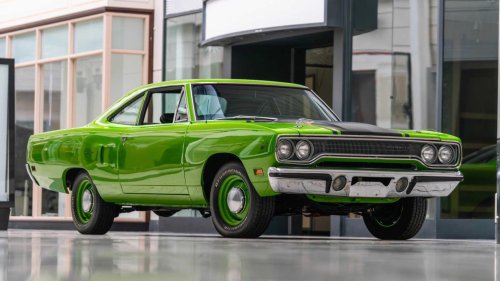
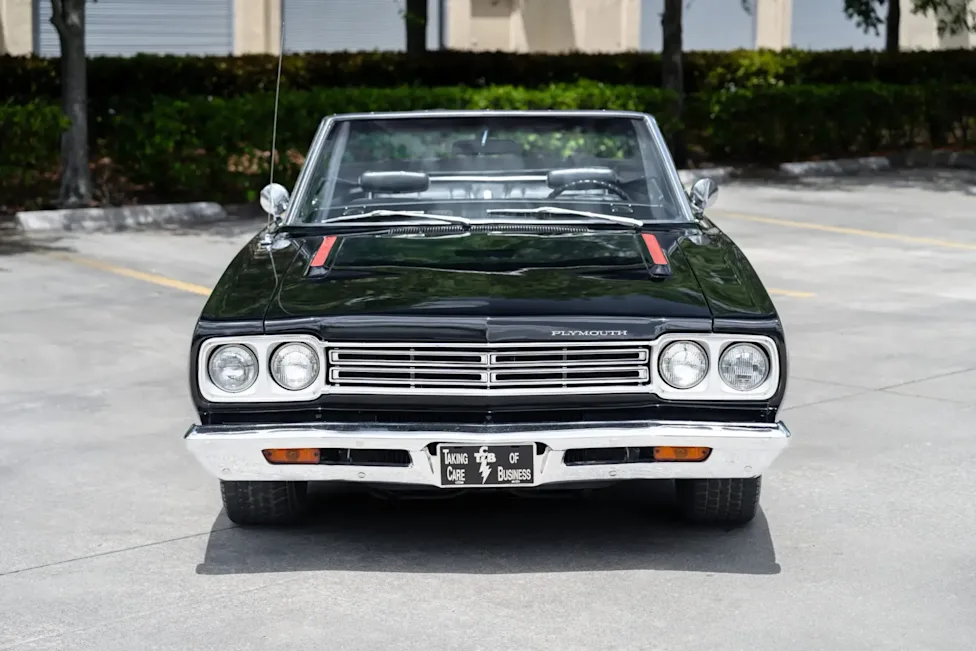
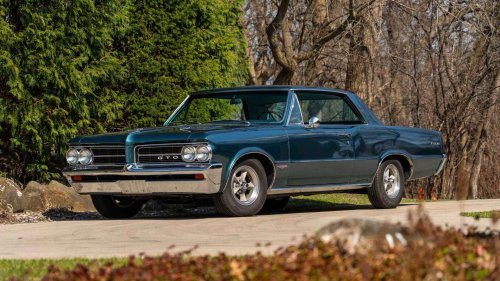
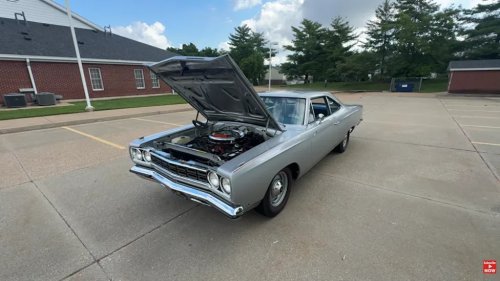
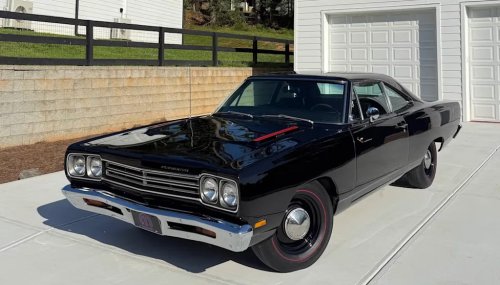
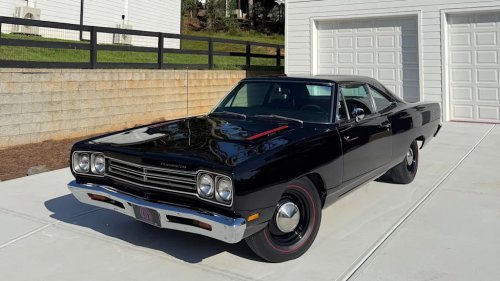
The Plymouth Road Runner arrived as a blunt instrument just as muscle cars were getting fancy, and that bluntness was exactly the point. Instead of more chrome, gadgets, and plush trim, it offered a big engine, a basic body, and a price that working buyers could actually reach. The simplicity was not a compromise or an accident; it was the strategy that turned the Road Runner into one of the defining American performance cars of its era. The moment muscle cars lost the plot By the late 1960s, the original muscle car formula was drifting away from its roots. Early hits like the Pontiac GT package on the GTO had started as relatively straightforward power upgrades, but each new model year brought more luxury equipment, higher sticker prices, and heavier bodies that dulled straight-line performance. As some of those original muscle cars moved upmarket, Plymouth saw an opening for something far more basic and far more focused. Company leadership wanted a car that would reconnect with younger buyers who cared more about quarter-mile times than woodgrain dashboards. Bob Anderson, who was executive vice president of sales and marketing for Chrysler and Plymouth, pushed for a stripped performance model that would sit below the brand’s existing GTX and pull in drivers who could not afford a fully loaded status symbol. The result was a car that deliberately rejected the trend toward complexity and leaned into the idea of cheap speed. What Plymouth actually built The car that appeared in 1968 was the Plymouth Road Runner, and it was intentionally bare bones. The earliest examples were sold only as two-door pillared coupes with a simple B pillar, basic interiors, and few comfort options, a configuration laid out in detail in enthusiast resources such as the Plymouth Roadrunner entry on Muscle Car Wiki. Plymouth did not waste money on elaborate trim packages or complex body styles in that first wave. The focus was a strong engine in a mid-size shell that could be built quickly and priced aggressively. Underneath, the Road Runner shared much with other Chrysler B-body models, but Plymouth engineers and planners were ruthless about what stayed and what went. Heavy sound deadening, ornate brightwork, and luxury-grade seats were pared back or deleted. That kept curb weight down and production costs low. The brand could then spend where it mattered to performance buyers: on high-output V8s, stronger driveline components, and a suspension that could handle hard launches. Later coverage of the model’s first years has emphasized how big an impact this formula had on the American muscle car scene. Video histories such as Simplicity Perfected describe how the Plymouth Roadrunner shook up the market when it arrived for the 1968 model year and challenged more expensive rivals like the Pontiac GT based GTO. The car did not try to outdo those competitors on ornament or prestige; it simply offered comparable or better performance in a plainer wrapper. No frills as a design philosophy That plainness was not just a visual choice. It was a philosophy that ran through the entire program. The Plymouth Road Runner was marketed as a no frills muscle car that traded luxury for speed and affordability, a positioning that later summaries of Evolution from 1968 to 1980 repeatedly stress. The car’s creators set out to prove that performance did not require leather seats or power everything, only the right mechanical package. Period descriptions and modern retrospectives describe the first-generation Road Runner with the same core traits. It had a long hood, a short deck, and a blacked-out grille, as highlighted in enthusiast posts that compare its simple shape with more ornate contemporaries. While it lacked the elaborate styling cues that were spreading across the segment, that absence became a kind of statement. The car looked like what it was built to do: go fast in a straight line. Owners and historians often point out that this minimalism also made the Road Runner feel more honest. There was no attempt to disguise its mission with luxury pretensions. When Plymouth decided in 1968 to strip the muscle car idea back to its roots and build something simple, affordable, and focused on speed, the resulting identity was described by enthusiasts as pure fun from day one. The car felt closer to the street and strip culture that had inspired muscle cars in the first place. Cheap speed and working class appeal The economic logic behind that simplicity was as important as the aesthetics. The Plymouth Road Runner was designed to deliver high performance at a reasonable price, a point repeated in enthusiast histories that describe how the Plymouth Road Runner was introduced in 1968 by Plymouth as a no frills muscle car for budget conscious buyers. By trimming away extras, the company could offer the same big-block power found in more expensive models for less money. Analyses of the period describe the Plymouth Road Runner as a car that invented cheap speed in the golden age of the muscle car. It gave buyers access to strong V8 engines and heavy-duty driveline parts without forcing them to pay for luxury trim or advanced gadgets. That balance of cost and capability helped the car stand out in a crowded market where many performance models were drifting into near-luxury territory. The stripped approach also allowed Plymouth to market the Road Runner more playfully. The company licensed the Road Runner name and character from Warner Bros and reportedly paid $50,000 for the rights to use the Beep Beep sound associated with the cartoon bird. That decision added personality without adding much hardware cost. Advertising from the period, including material highlighted by the Hagerty Drivers Foundation, shows how Plymouth used the cartoon tie-in to emphasize that the car was designed for the enthusiast who craved speed without breaking the bank and that the 1970 Road Runner delivered high powered thrills at a bargain price with powerful V8s and a heavy duty suspension. Simplicity on the spec sheet Mechanically, the Road Runner’s simplicity translated into a strong power-to-weight ratio. Social media posts from modern enthusiasts describe how The Plymouth Road Runner utilizes a no frills philosophy to deliver pure Mopar muscle for a fraction of the price of a luxury GTX, and how stripping away everything but the power gives it a superior power to weight ratio that remains a favorite for drag racers in 2026. Less mass and fewer gadgets meant more of the engine’s output went into acceleration instead of moving unnecessary equipment. That focus showed up in the model’s options list. Buyers could choose from powerful V8 engines and pair them with manual or automatic transmissions that were already proven in other high performance Chrysler products. Suspension and brake upgrades were chosen for durability and straight-line grip rather than for ultimate comfort. The package was straightforward to understand and to tune, which made it attractive to racers who wanted a platform they could modify without fighting complex systems. Later model years added more body styles and some additional features, but the core idea remained intact. The Roadrunner’s lightweight body and powerful engines made it a formidable performer on the drag strip and on the street, as described in modern summaries of The Roadrunner and the Plymouth Road Runner that trace the nameplate’s impact. Even as emissions rules and changing tastes reshaped the muscle car segment in the 1970s, the Road Runner’s reputation for basic, effective speed endured. How the market responded The car’s reception among buyers confirmed that Plymouth had read the mood correctly. Contemporary and retrospective accounts agree that the Plymouth Roadrunner had a big impact on the American muscle car scene upon its release, particularly because it arrived just as some rivals were moving upscale. Drivers who might have been priced out of a fully optioned Pontiac GT based model could suddenly access similar performance in a simpler package. Enthusiast communities often describe the 1968 Plymouth Road Runner as a no nonsense muscle car built for speed and simplicity, kicking off the Road Runner legacy. That description captures how the car was seen on the street: as a tool for going fast rather than a fashion object. For many owners, the lack of frills was part of the appeal because it signaled that money had been spent where it counted. Over time, this positioning helped turn the Road Runner into one of the most recognized and desirable muscle cars of its era. Histories describe the Plymouth Road Runner as one of the most recognized and desirable performance models from that period, precisely because it stayed closer to the original muscle car formula. Collectors still seek out early, lightly optioned examples that capture the car’s original intent. A simple shape that aged well The Road Runner’s visual simplicity has also helped it age gracefully. Enthusiast posts describing Plymouth Road Runner muscle car details point out that it featured a long hood, a short deck, and a blacked out grille, and that while it lacked the ornate styling of some of its contemporaries, that restraint now reads as timeless rather than dated. Without excessive chrome or trendy design gimmicks, the car’s basic proportions remain appealing decades later. The same quality shows up in broader histories of the Plymouth Roadrunner that compare it with earlier Plymouth products. Commentators have remarked on how surprising it is that Plymouth was building Road Runners only a few years after far more conservative models, and how the decision to strip the concept back in 1968 produced a car whose identity was pure fun from day one. The contrast underlines how radical the Road Runner’s simplicity looked against the rest of the lineup. Modern owners often lean into that visual honesty, keeping cars close to stock or focusing on period correct drag racing modifications. Because the original design left out so many decorative elements, each change stands out more clearly. That has turned the Road Runner into a favorite canvas for builders who want their mechanical work, not their body kits, to do the talking. Documentation and legacy The Road Runner’s straightforward concept has made it an object of study as well as enthusiasm. Reference entries such as the Plymouth Road Runner article gather specifications and production history, while international versions like the ca.wikipedia.org, de.wikipedia.org, es.wikipedia.org, and eu.wikipedia.org pages show how widely recognized the model has become. These resources, which were discovered through citation trails from Plymouth Road Runner entries on Wikipedia, reflect continuing global interest in a car that was originally targeted at American buyers. Specialist histories and buyer guides, such as those linked from Hemmings listings and museum profiles like the American Muscle Car entry on a 1971 Plymouth Road Runner, often highlight how the car’s value and desirability are tied to its original no frills specification. Collectors pay close attention to whether a car retains its basic trim level or has been loaded up with later add-ons that dilute the original formula. More from Fast Lane Only Unboxing the WWII Jeep in a Crate 15 rare Chevys collectors are quietly buying 10 underrated V8s still worth hunting down Police notice this before you even roll window down