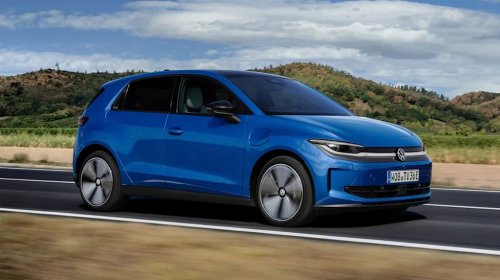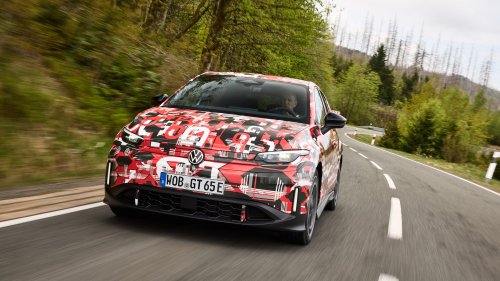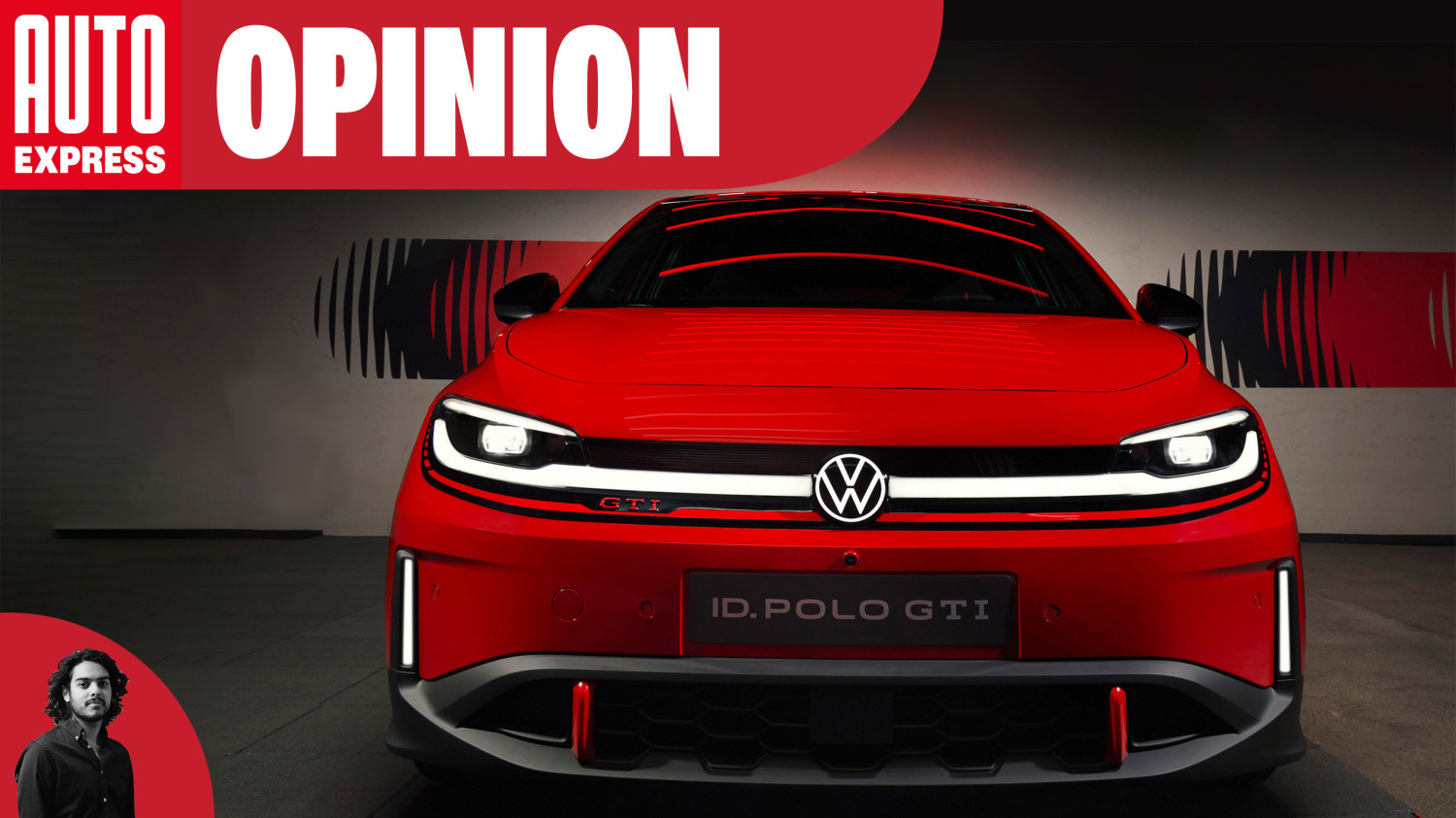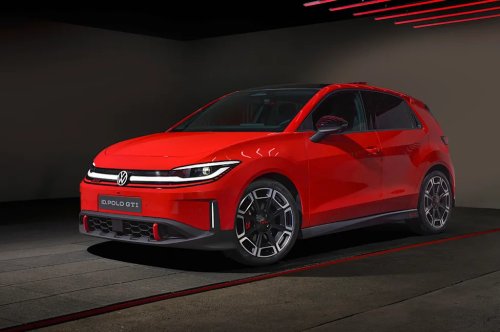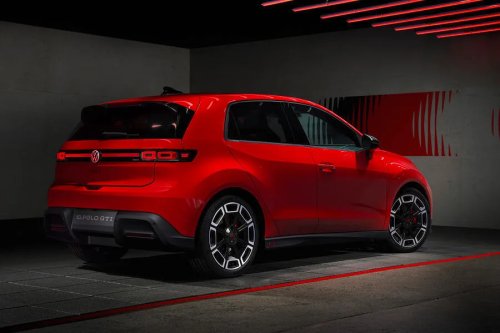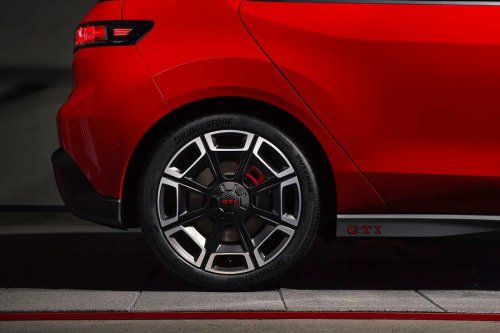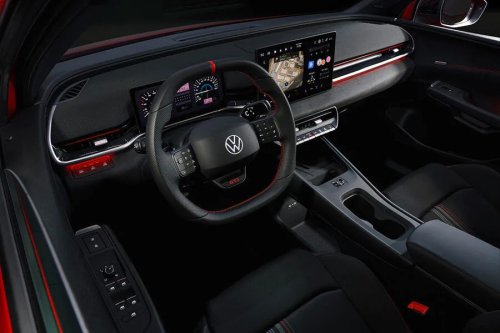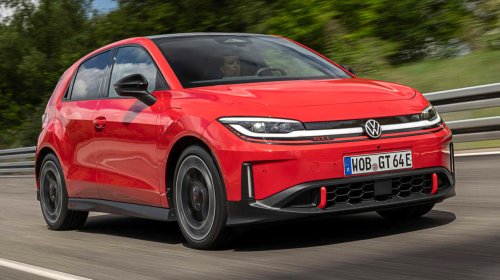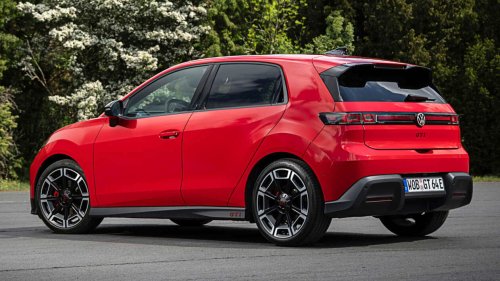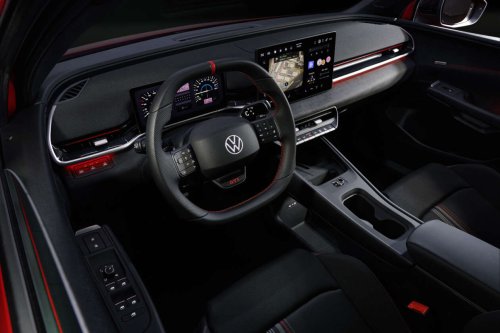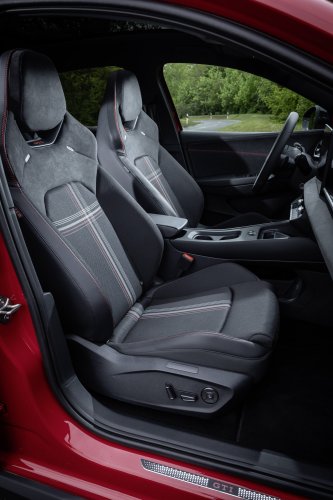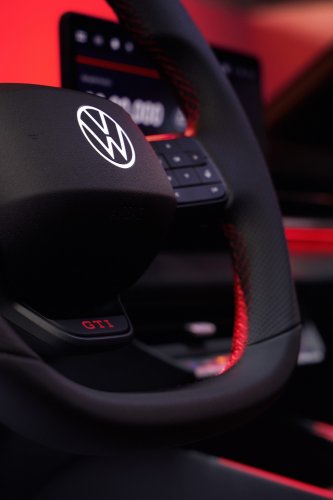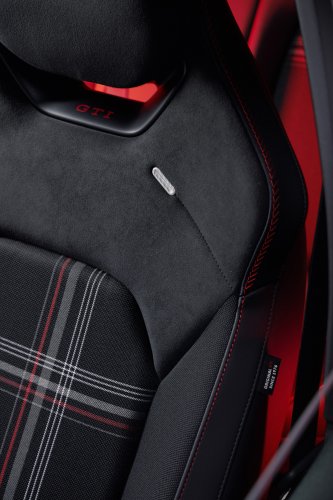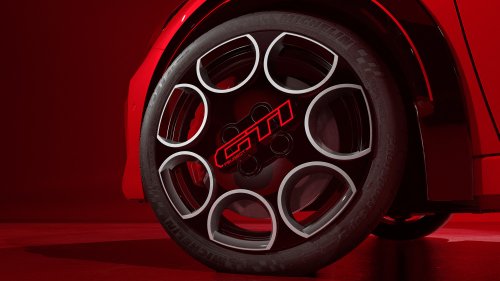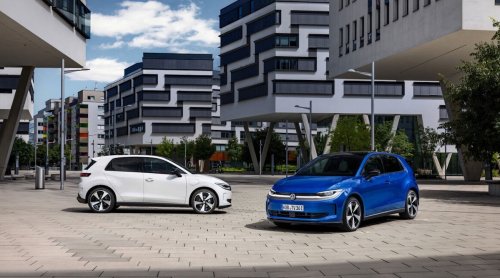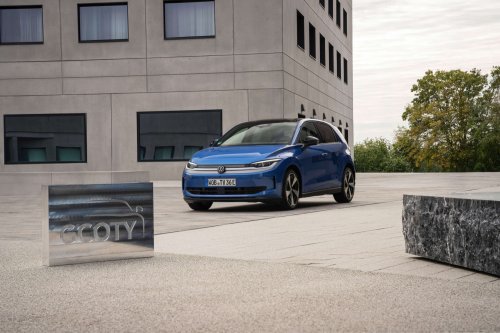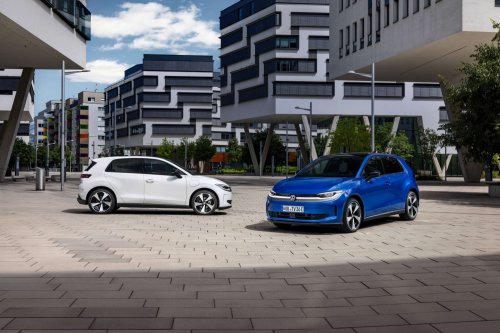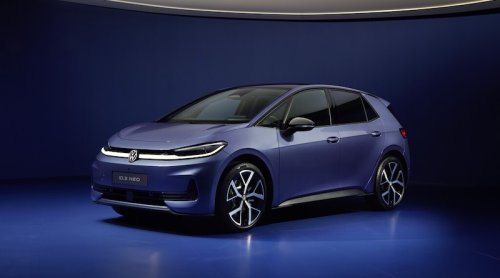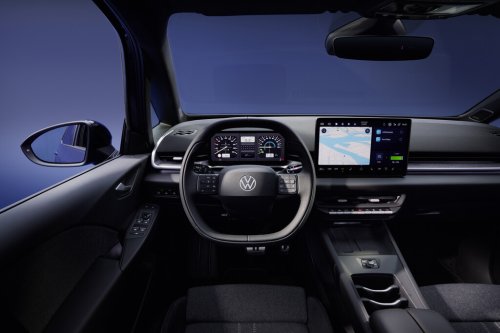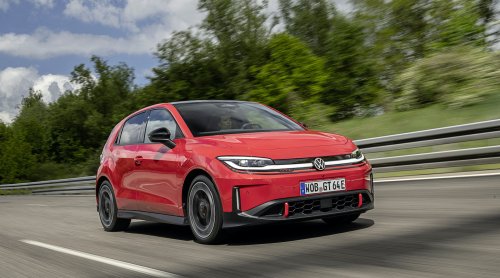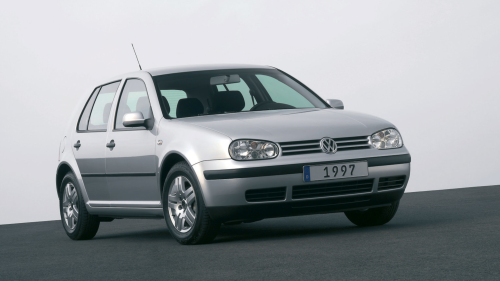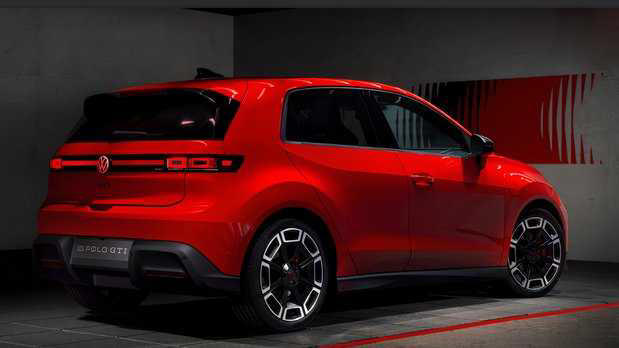
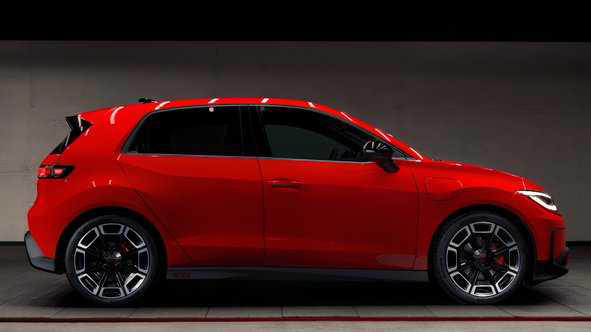
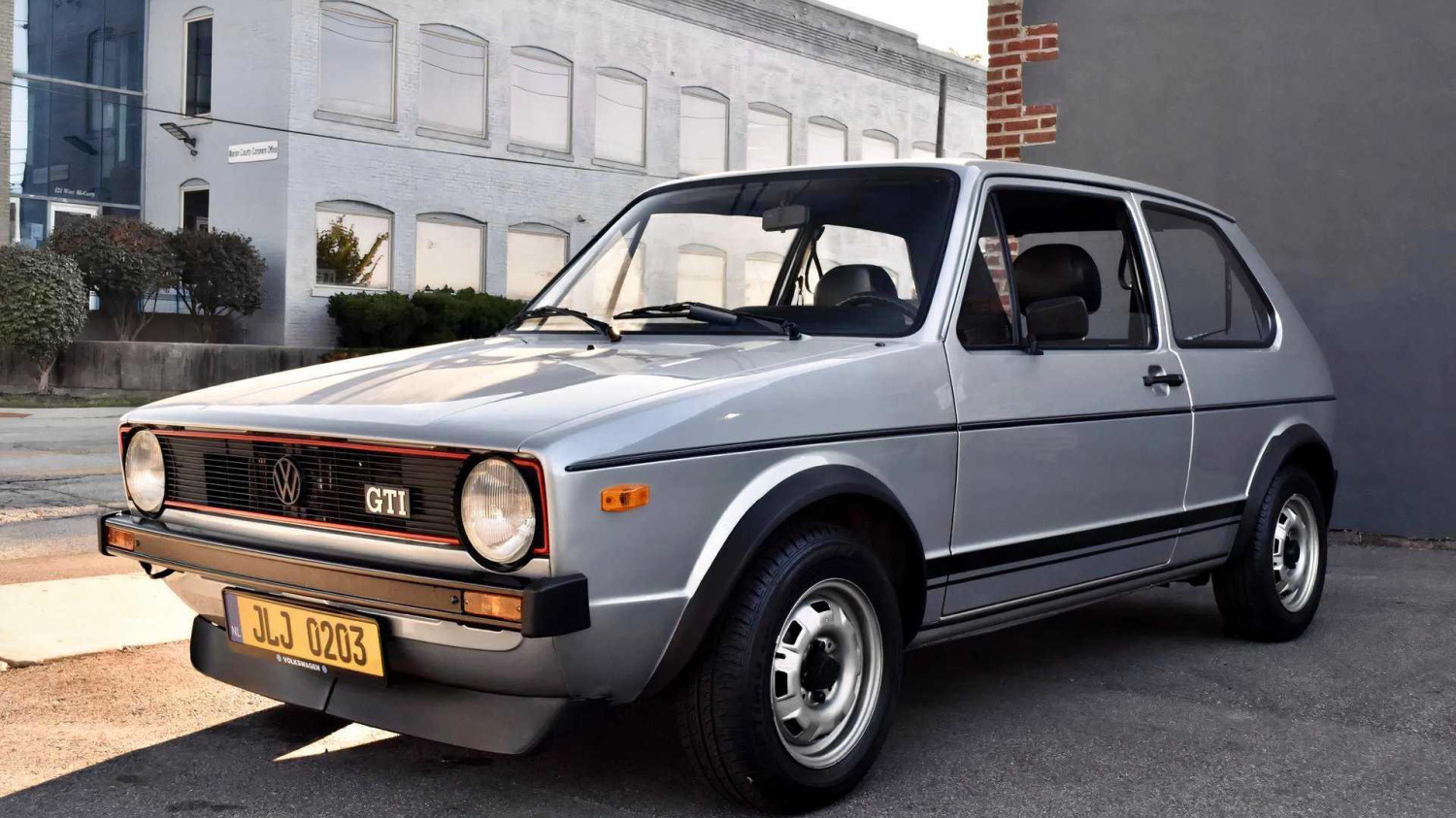



















Volkswagen revealed the ID. Polo GTI today — its first fully electric GTI — and the pitch is as bold as it is complicated: this is a hot hatch that makes no combustion noise, produces no exhaust smell, and delivers no mechanical kickback through the firewall. Yet VW insists it looks, feels, and sounds like the real thing. For a brand that essentially invented the modern hot hatch with the Mk1 GTI in 1976, that's either a confident evolution or a category error.The original Mk1 and Mk2 GTIs weren't legendary because of raw power—they made around 110 horsepower in period trim. They were legendary because every part of the experience was honest and direct: a high-revving 1.8-liter four-cylinder you could actually hear working, a chassis that telegraphed road texture through the steering wheel, and a price point that put genuine driving pleasure within reach of ordinary people. The question the ID. Polo GTI has to answer isn't whether it's fast. It's whether any of that directness survives the translation to electric. What VW Is Actually Doing To Simulate The GTI Experience VolkswagenVW's approach to recreating the hot-hatch feel in the ID. Polo GTI rests on three pillars: synthetic sound, suspension tuning, and visual heritage. The synthetic sound system is the most discussed — and most contentious — element. Rather than the silence typical of EVs, the car pipes an engineered audio profile into the cabin and, to some degree, externally, designed to mimic the character of a performance four-cylinder under load. VW has framed this as a deliberate homage rather than a disguise, though the distinction matters less than the execution.On the chassis side, VW has tuned the suspension geometry specifically for the GTI badge rather than carrying over standard ID. Polo settings. The goal is the familiar GTI balance: composed at highway speeds, alert and adjustable when pushed through corners. Whether the electric powertrain's instant torque delivery complements that tune or fights it—EVs tend to feel planted but not always playful—is the real engineering challenge. Steering feel, always the weakest link in modern VW products, will be the detail enthusiasts scrutinize hardest. Performance Numbers And The GTI Nameplate's New Benchmark VolkswagenSpecific performance figures from today's reveal are limited, but the ID. Polo GTI is expected to deliver brisk acceleration in line with its electric platform—sub-7-second 0–60 mph times are the likely baseline for a car wearing this badge, though VW has not confirmed exact numbers at the time of writing. What's already clear is that the electric powertrain will offer more low-end torque than any combustion Polo GTI ever did, which sounds impressive on paper but changes the character of the car fundamentally.The Mk1 and Mk2 GTIs rewarded drivers who worked the engine—who held gears, who planned their braking points, who felt the chassis load up through a corner. Instant electric torque removes that conversation. You don't need to manage power delivery when it's always there. That's genuinely useful in traffic and genuinely fast on a straight, but it's a different kind of engagement than what built the GTI's reputation. Can The GTI Badge Survive Without A Combustion Engine? Bring A TrailerThis is the honest question, and there's no clean answer yet. VW deserves credit for not simply slapping GTI badging on a standard ID. Polo and calling it a day—the suspension work and sound design suggest a real intent to honor what the nameplate means. The red accents, the plaid seat inserts, and the overall visual language all track with fifty years of GTI identity. On paper, the effort is genuine.But the Mk1 GTI's soul wasn't designed. It emerged from constraints: a light car, a willing engine, a simple chassis, and a price that made it accessible. The ID. Polo GTI is engineered to feel soulful, which is a fundamentally different thing. Synthetic sound is still synthetic. Tuned suspension is still tuned around a platform that wasn't built for this purpose. For enthusiasts who grew up rowing through a five-speed on a B-road at 7,000 rpm, the gap between engineered character and earned character is going to be noticeable—and probably permanent.The ID. Polo GTI may well be an excellent electric car. It may even be a genuinely fun one. But the Mk1 GTI was special because it was simple, honest, and unfiltered—and no amount of synthetic audio can replicate what it feels like when an engine tells you the truth.