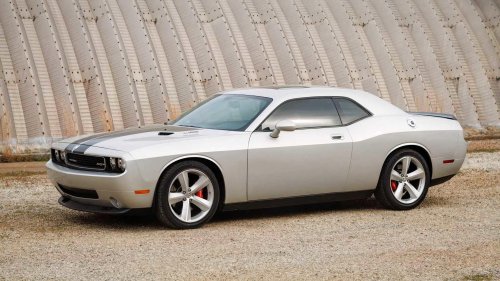
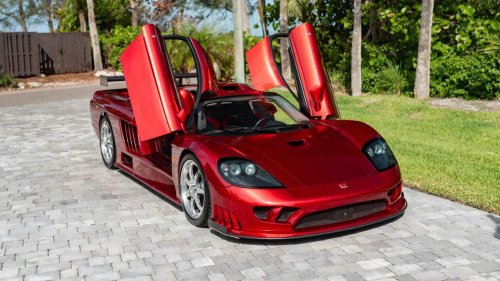
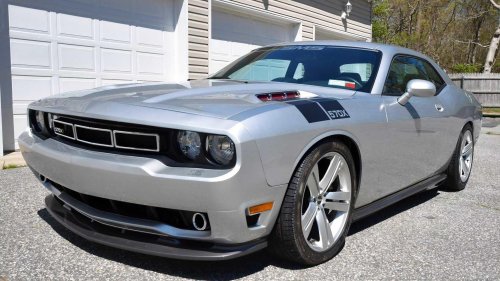
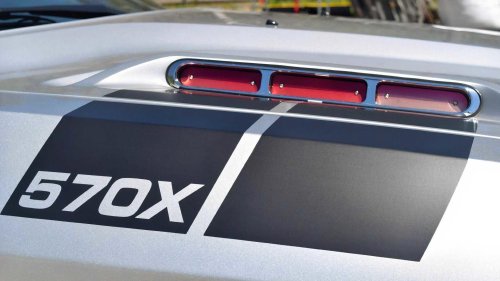
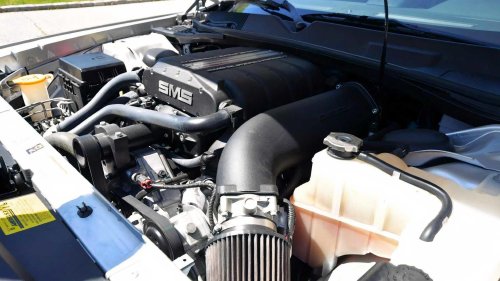
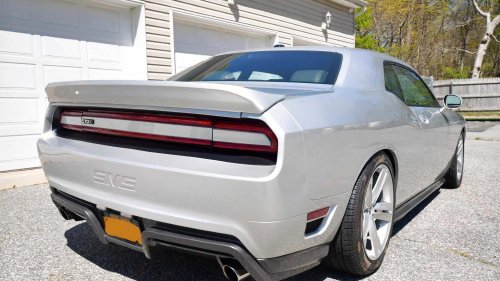
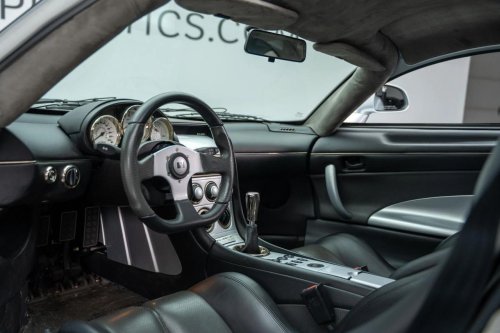
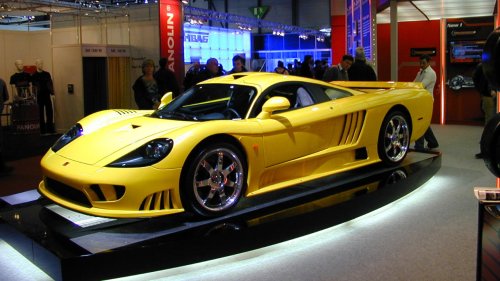
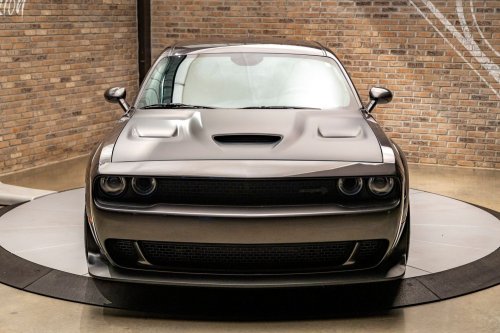
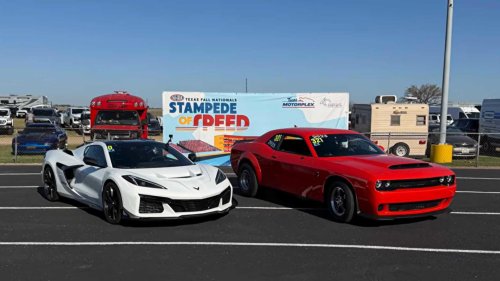
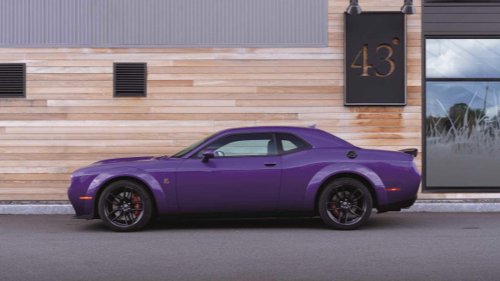
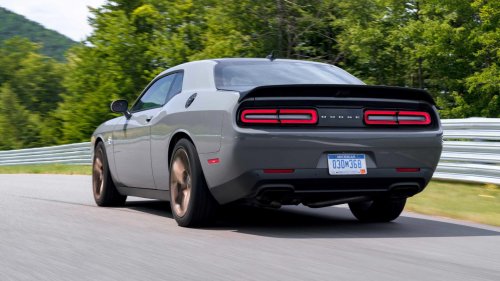
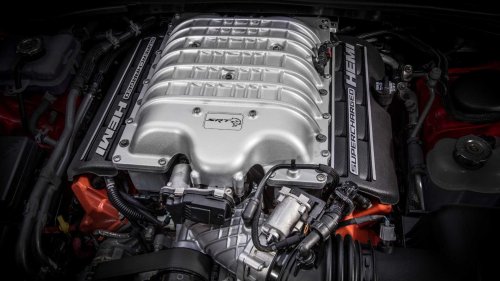
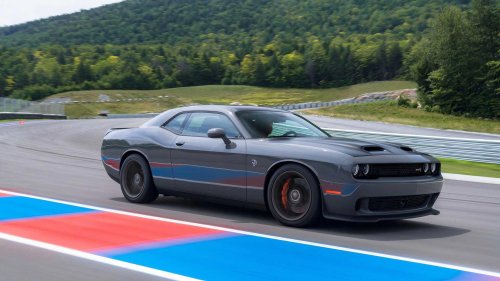
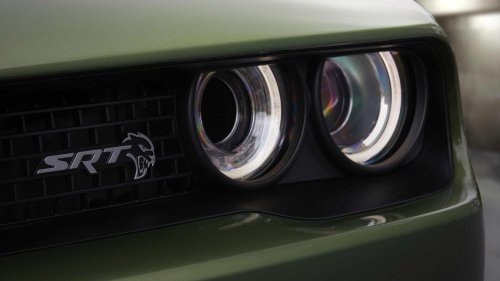
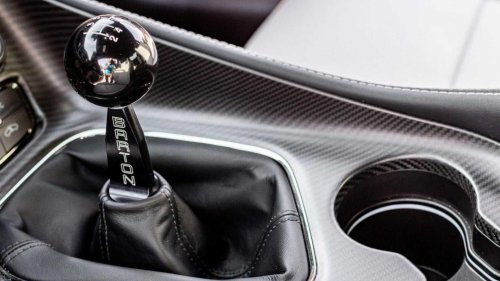
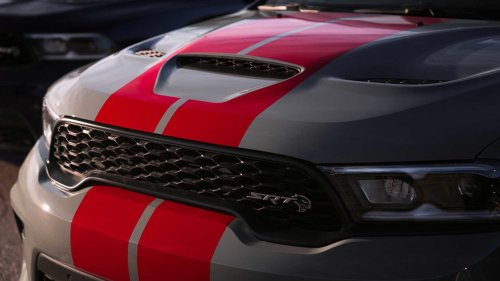
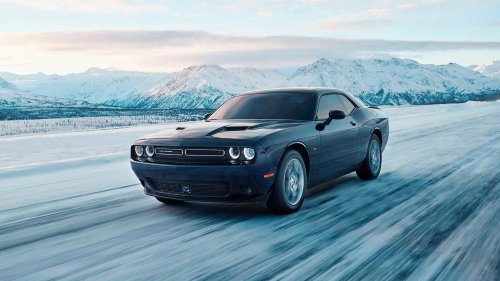
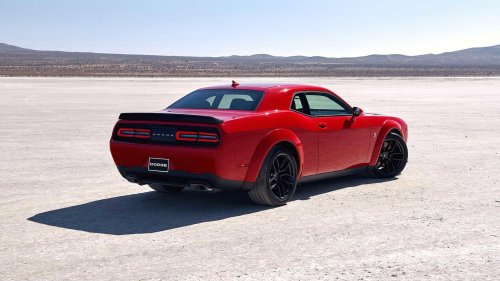
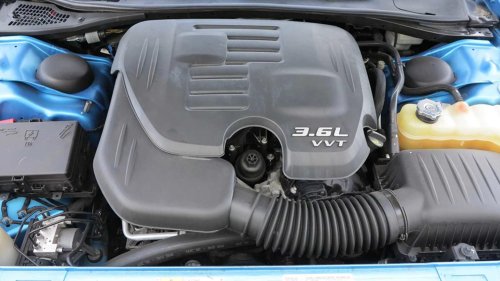
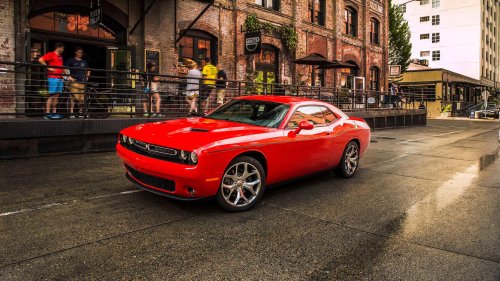
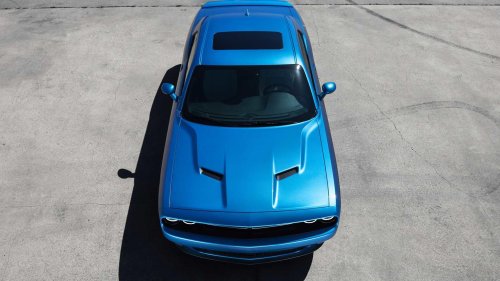
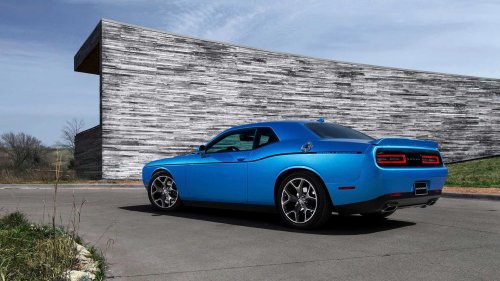
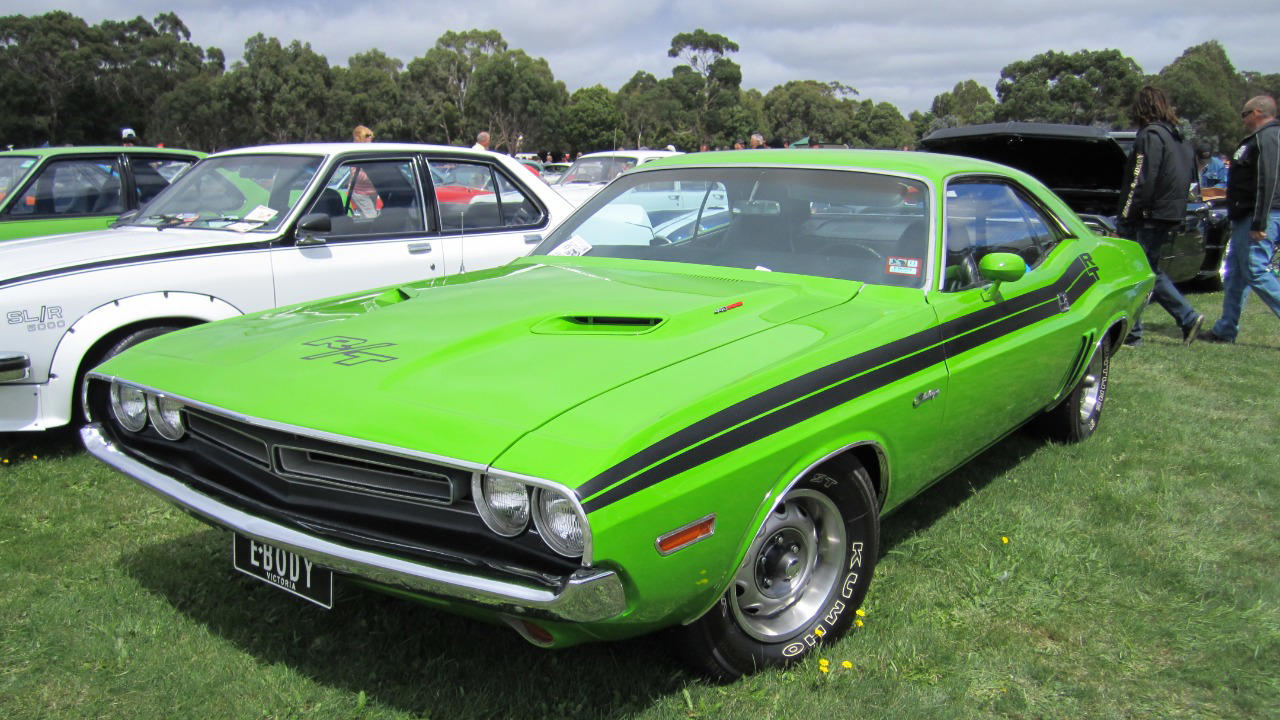
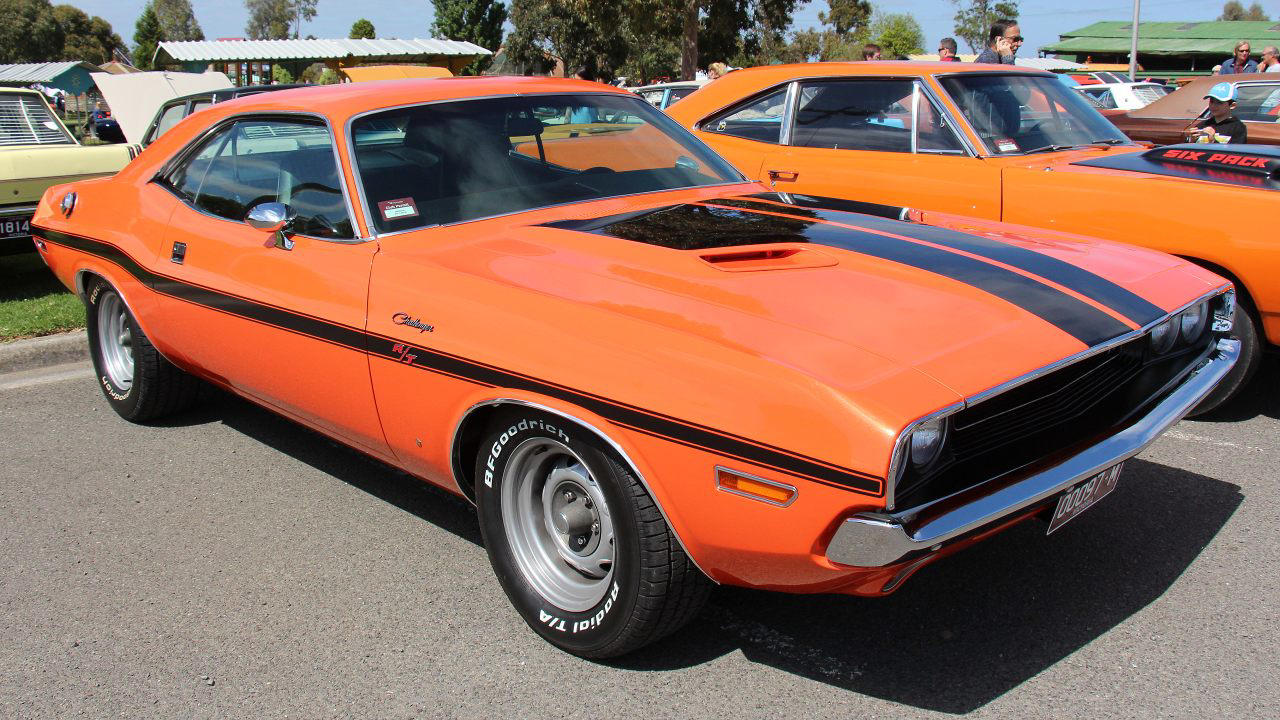
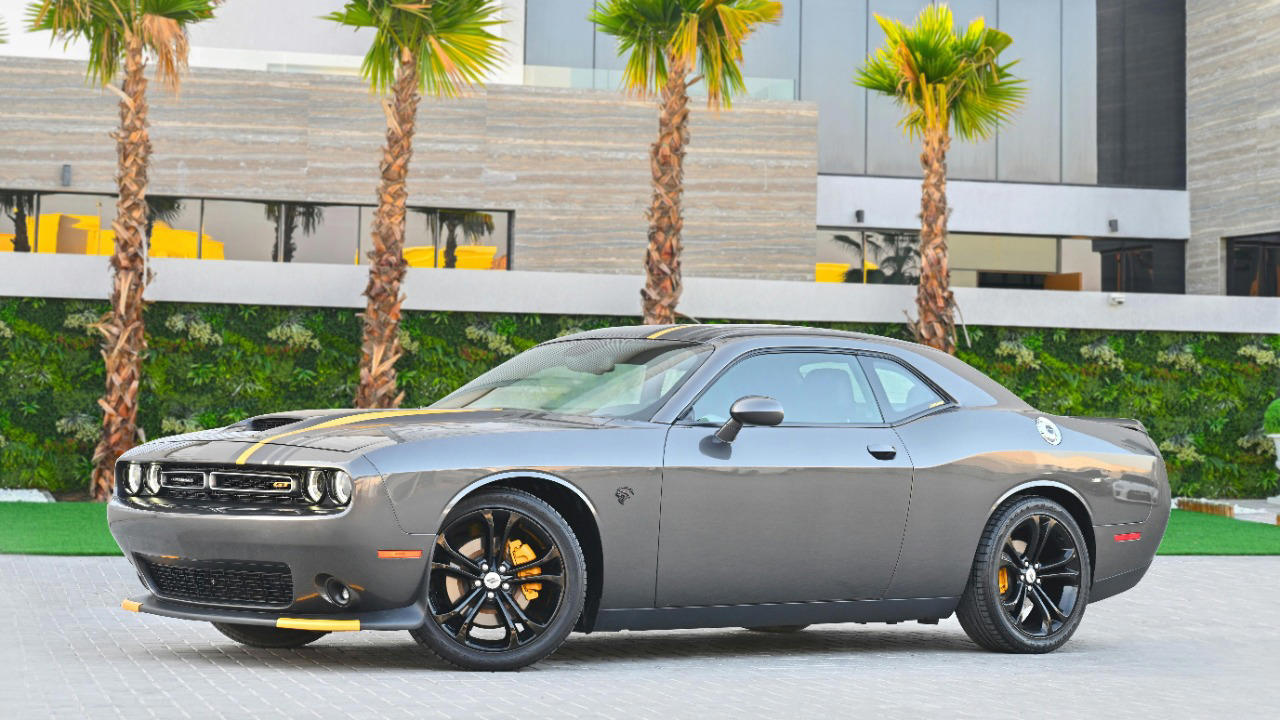
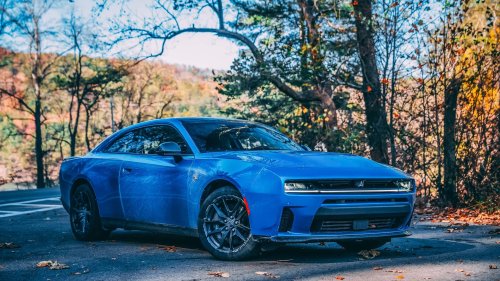
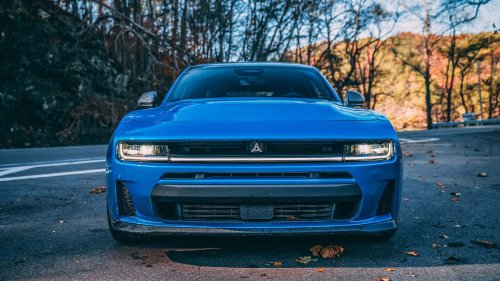
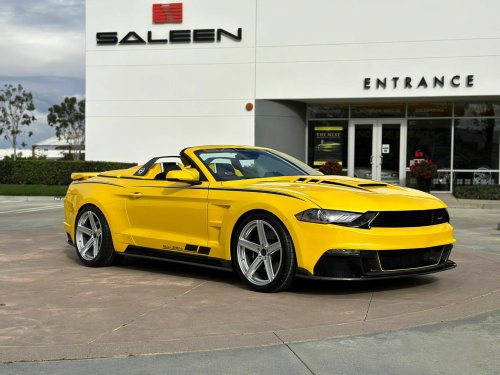
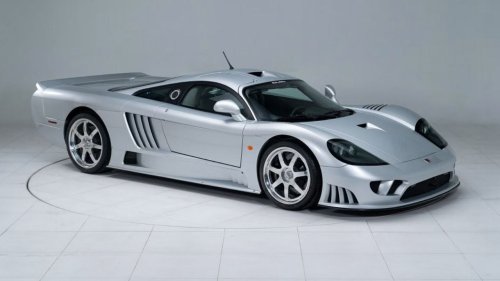
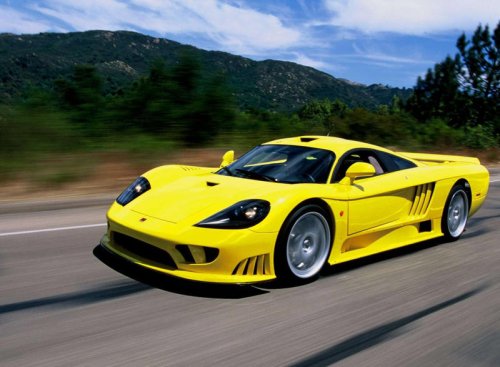
A Dodge Challenger Hellcat is just that—a Challenger Hellcat. It doesn't really need an introduction; it simply was the be-all and end-all of mid-2010s Mopar muscle coupe brilliance. It’s an ambassador for the distinctly American formula of “big engine, big supercharger, lots of fun,” but the factory-sponsored Charger Hellcat wasn’t the first of its kind. At least as far as third-party performance tuners are concerned, that isn’t the case at all. This is the story of the screaming supercharged HEMI Challenger from BEFORE the Hellcat. Gen III Dodge Challenger: Less a Car, More a Phenomenon Bring a TrailerThey'll write paragraphs in future marketing textbooks about how one product with good enough PR spin can put a brand on its back. Well, in the case of the Challenger, it was more about the platform underneath it. The same LX chassis that founded the revived Chrysler 300 and Dodge Magnum/Chargerwas shortened approximately four inches, all to give the body on top a more stout, brutish appearance befitting a sports coupe.The first Challenger concept was quite literally born from a study by Chrysler designers Michael Castilione and Alan Barrington to bring the original '70s icon into the 21st century. Meaning, of course, they just brought a classic “Challie” into the studio and started sketching until they agreed on a shape they liked.The resulting concept had a carbon fiber body and a 6.1-liter HEMI V8 paired to a proper manual gearbox, not items necessarily viable for a mass-volume production car meant to turn a profit. But that shape, that trademark gravitas that stuck with these Challengers until the last one left the factory nearly two decades later, that remained in spades. But the Hellcat? That would only come later, not before one of the best tuning shops in the world perfected the same formula. Saleen: The Perfect Team to Out-Hellcat a Hellcat Bring a TrailerIt’d be accurate to call Steve Saleen, the founder of Saleen Automotive, Inc., one of the founding fathers of turn-key performance packages for existing American cars. Founded in 1983, Saleen used his experience as a former racing driver to develop power and handling upgrades for platforms like the Fox Body Mustang.Saleen was among the first, if not the first to retrofit a centrifugal supercharger onto a late-model Mustang in the mid-1980s. A race-tuned supercharged Mustang later entered the Sports Club of America series in the ‘80s, proving successful. It set up Saleen nicely to expand their tuning repertoire to things like the Ford Explorer, and the updated S95 Mustang. It even culminated in Saleen's own home-brew supercar, the iconic all-American monster, the one and only S7.The S7 in particular took a respected performance-tuning brand in enthusiast circles and made it a near household name. That’s especially true after Saleen added twin turbos later on in its life. The company's reputation as a legit baller brand was further cemented by name-drops in rap and hip-hop records by big names like Future, Ace Hood, and Young Dro. As far as the proto-Hellcat is concerned, all this history between the Challenger and Saleen finally met in 2009. Saleen SMS 570X: Hellcat Who?? Bring a TrailerThe meeting between Mopar’s favorite two-door muscle coupe and the Saleen horsepower empire came at a time of great change for Saleen. The group’s leading man, fresh off turning the S7 into an American icon, founded the offshoot SMS Supercars in 2008. Apart from selling turn-key muscle cars turned supercar killers, they also sell branded performance hardware, like the SMS 296 supercharger developed in tandem with Lysholm Technologies.It was this very blower that found its way under the hood of a 2009 Charger R/T. Keep in mind, it wasn’t an SRT-8 build based on the adored 6.1-liter HEMI platform. Rather, Saleen used the R/T's engine, the beloved and endlessly tuneable 5.7-liter HEMI V8, as the foundation of its new platform. While the standard Challenger 570 kept its 5.7-liter displacement, the Saleen team of engineers bored and stroked the block considerably for the flagship 570X. With the new getup, it offered 6.2-liters of cubic displacement.The smaller HEMI matched the bore and stroke geometry Saleen had in mind far better than Mopar’s factory 6.1, and the end result was something no American gearhead could ignore. The entry-level Saleen Challenger 570 produced 500 supercharged horsepower—that's 75 more than the standard Challenger SRT-8, and 15 more than the last 2023 Challenger Scat Pack 6.4s to roll off the production room floor. Unique Internals With Eye-Catching External Mods Bring a Trailer Saleen’s halo Challenger, the 570X, made the most of its bore and stroke package. That extra 1,200 cc and a big supercharger added an extra 200 horsepower to the party, making for 700 in total. Did we mention this was half a decade before Dodge made similar power with the original Challenger Hellcat? Thanks to aftermarket forged internals beyond anything in Mopar’s OEM repertoire, this engine could pull that much power day after day without failing.All the while, a Saleen-exclusive body kit, complete with minor aero upgrades and a few exterior trim pieces, plus a red butterfly dual-induction hood that opened up under hard throttle, made these Challengers real eye-catchers. A prominent bulge in the hood kept the 2.9-liter supercharger shrouded, and it gave the Saleen SMS Challengers a presence that even a Hellcat struggles to match completely.Elsewhere, comprehensive upgrades were performed to the brakes and suspension, mitigating one of the early Challenger’s greatest weaknesses. The ride height was lowered by at least an inch, and SMS S4 high performance shocks and struts, plus heavier sway bars and 12-inch drilled and slotted rotors made Saleen SMS Challengers much more competent in the bends. Granted, a clunky four-speed automatic slows the 570X compared to the eight-speed TorqueFlite in the Hellcat just a bit. But on the whole, the difference between the two is staggeringly small. A Familiar Package Made Novel and Unique Bring a TrailerYou couldn’t exactly walk into a Jeep-Dodge-Chrysler dealership in the early 2010s and simply buy a supercharged Saleen SMS Challenger off the lot like a Hellcat. But, you could at least walk in and custom order one through the sales department. At a time before Mopar even considered offering a turn-key supercharged Challenger, the 570X was a hidden gem a select few paid nearly $94,000 to buy.The less powerful standard 570 could be had for around $75,000 to start. But as reviews from the period noted, you got far more for your money buying the 570X. But the Hellcat had the benefit of a wildly successful word-of-mouth campaign and a billion-dollar OEM's direct funding to ensure its success, not something Saleen could claim.That limited the reach of how many people even knew Saleen offered a supercharged Challenger, let alone were able and willing to buy one. As a result, of the roughly 80 to 100 Saleen SMS Challengers built, only around 25 were the boosted 570X. That makes them among the rarest, if not the very rarest Challenger variants ever put to the road, and it makes the average Hellcat look as ordinary as the entry-level V6 base car. An Ultra-Rare Challenger, But Not a Crazy Expensive One Bring a TrailerBecause they’re so rare, enough so that almost no one remembers it today, N/A SMS 570s have snuck onto places like Bring a Trailer and sold for as little as $30,500. Given how obscenely obscure they are, supercharged 570Xs seldom pass the online auction block. But given the rarity, and the parallel in power to a Hellcat, the ones that have attempted to be sold recently have failed to meet reserve prices.Clearly, there’s a disconnect between what owners see as a valuable and timeless classic and what potential buyers see as a Hellcat’s pale comparison. Ultimately, the 570X stands as one of the biggest curiosities in the history of the modern Challenger. Now that it's been gone for a few years, we can really appreciate it.Source: Bring a Trailer