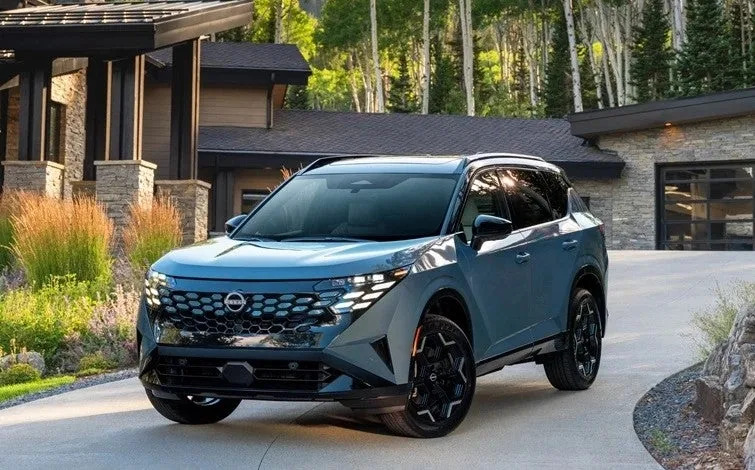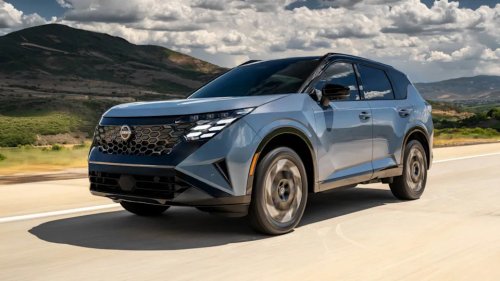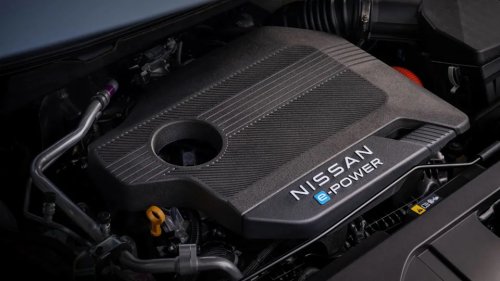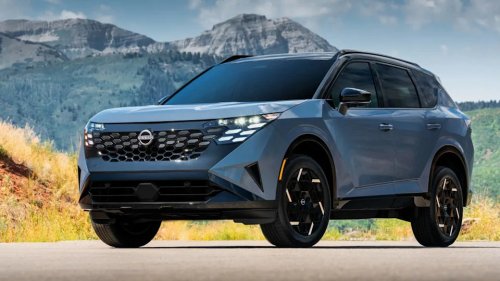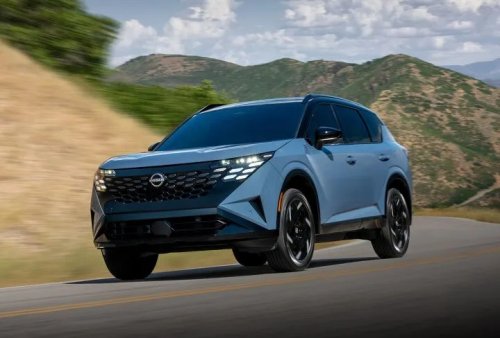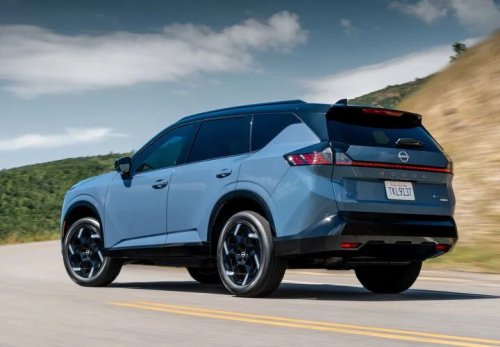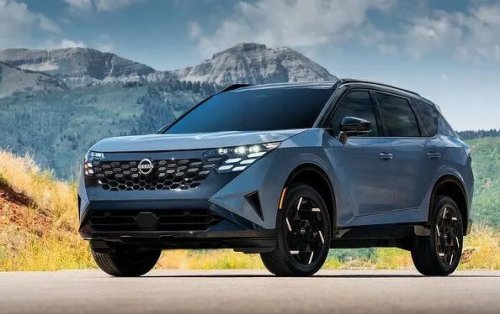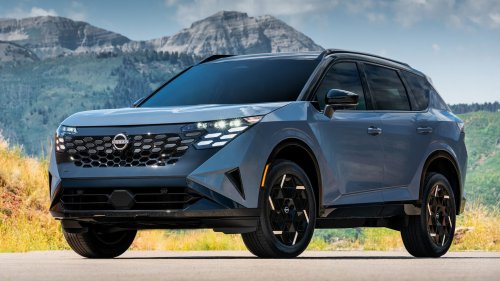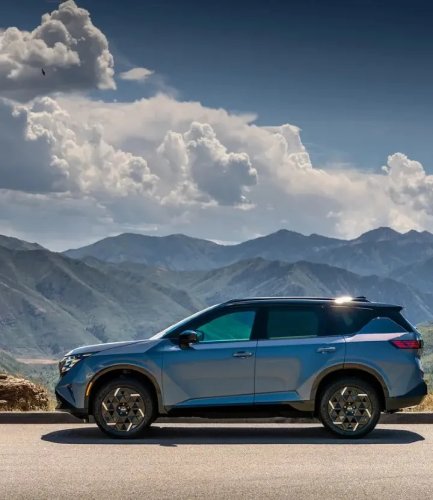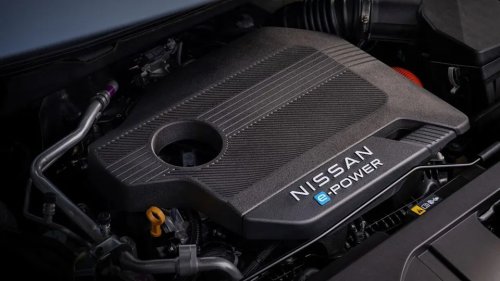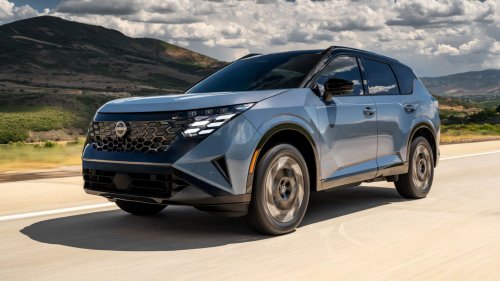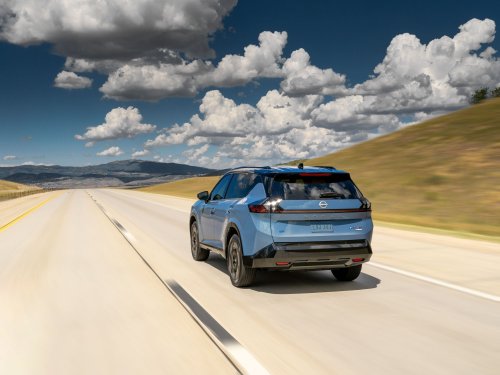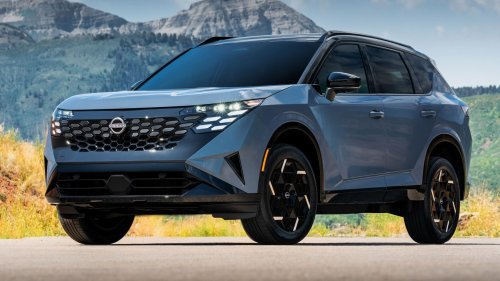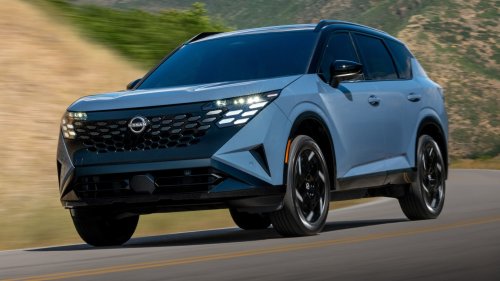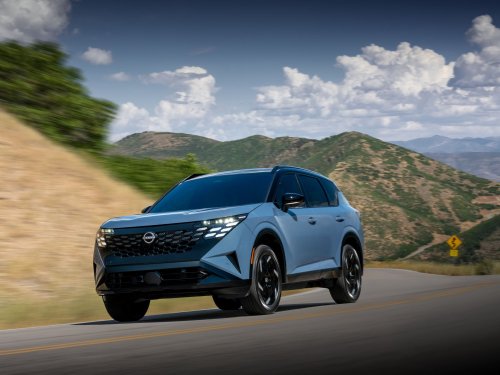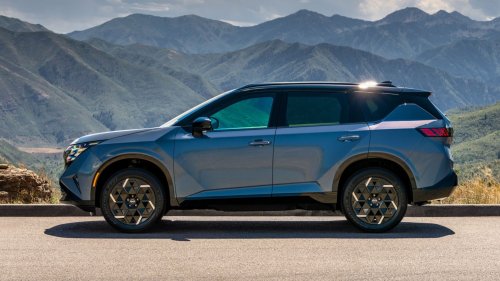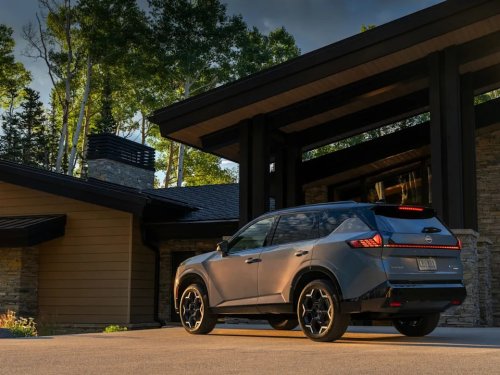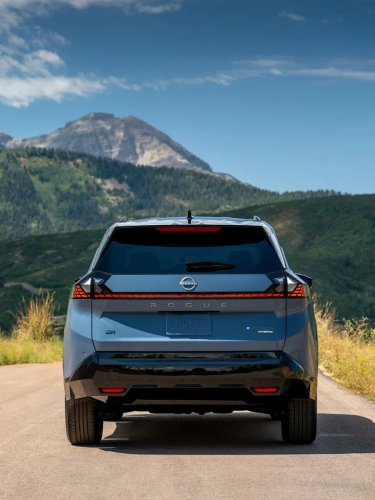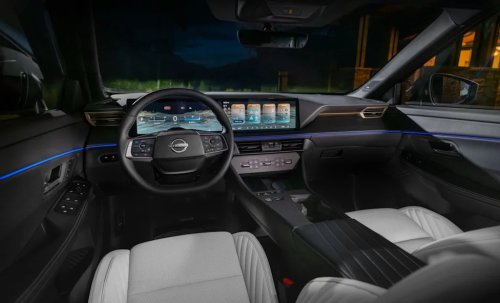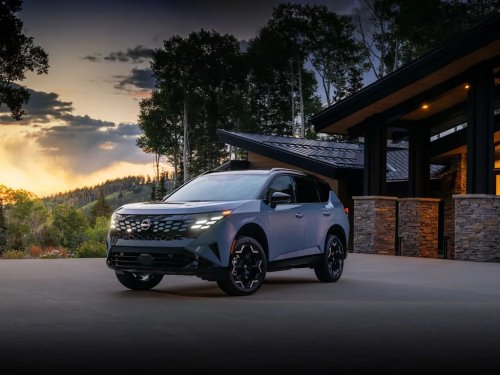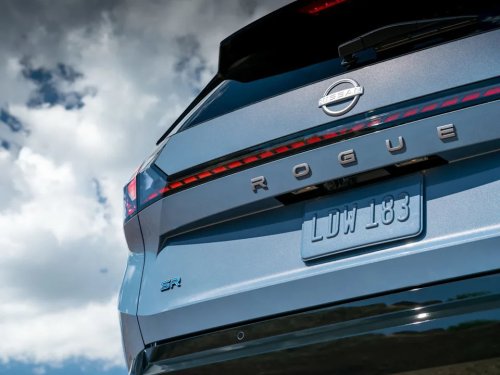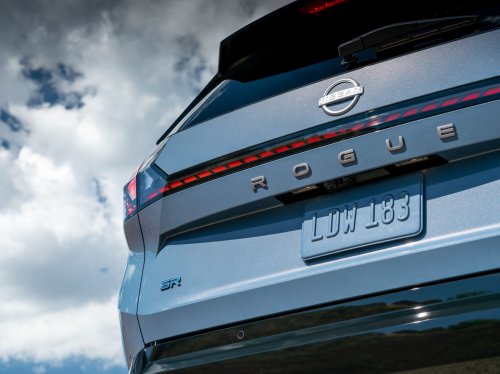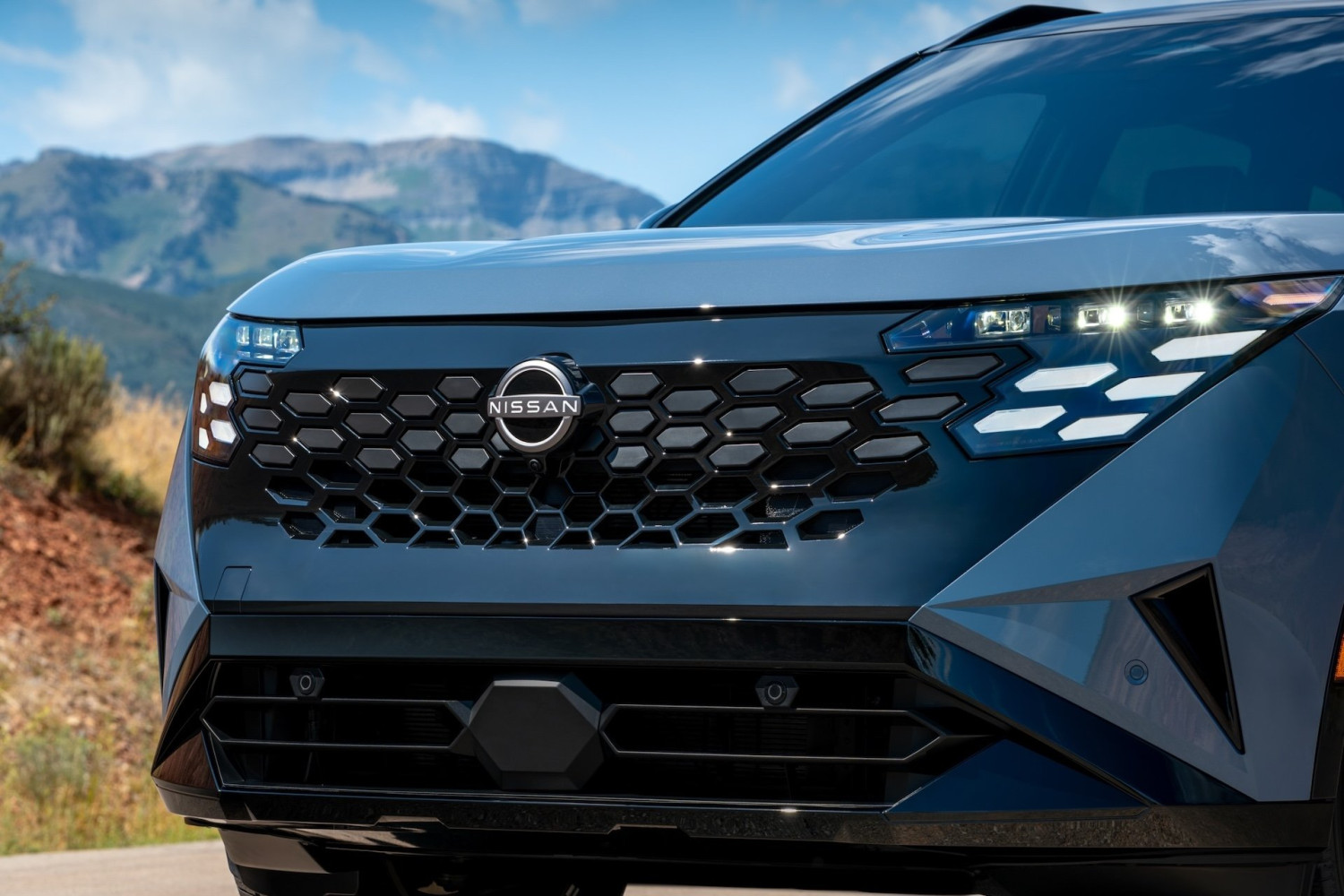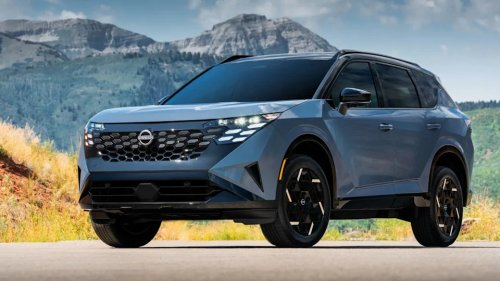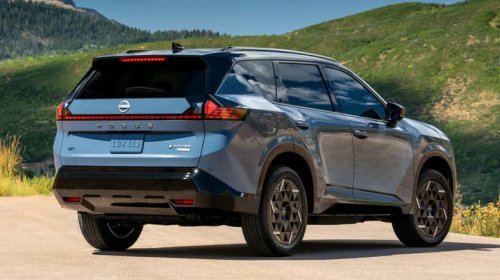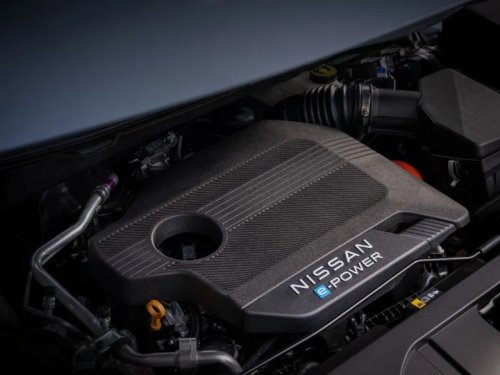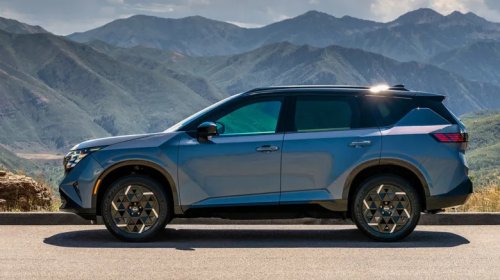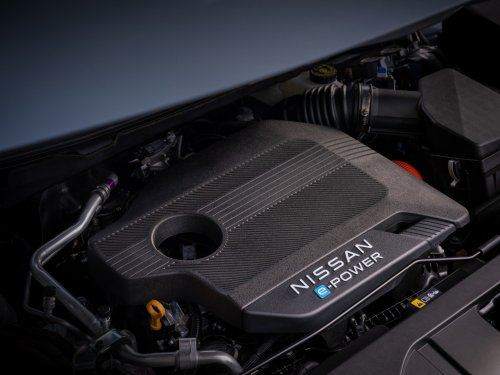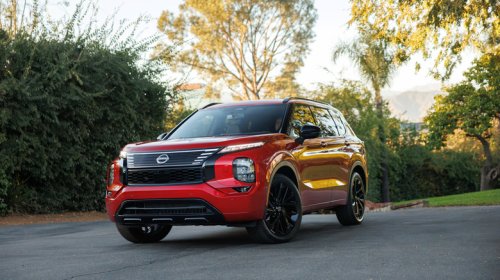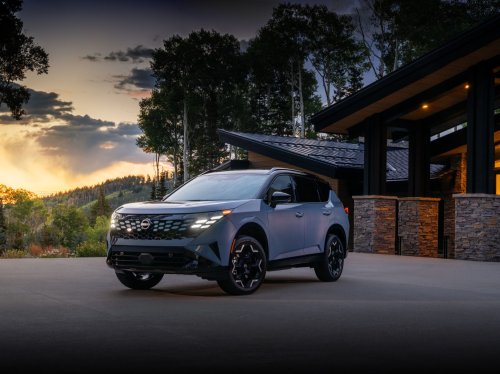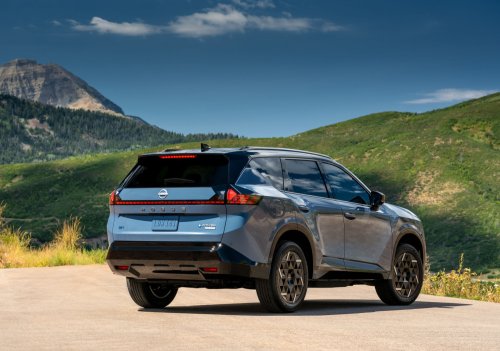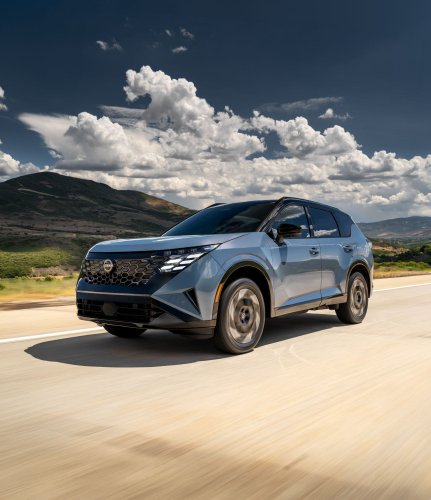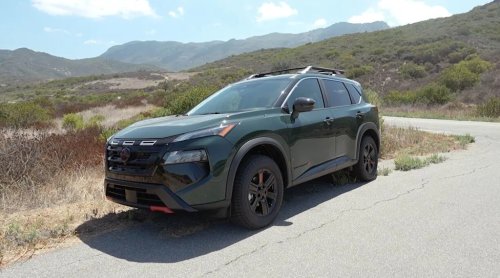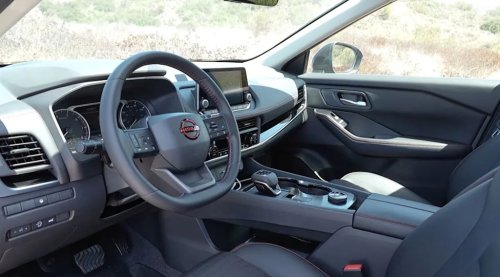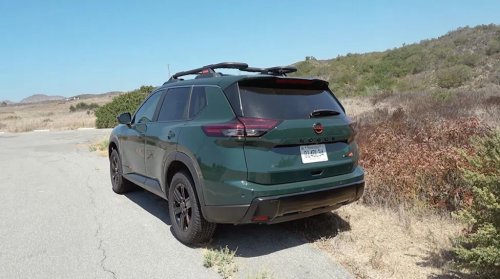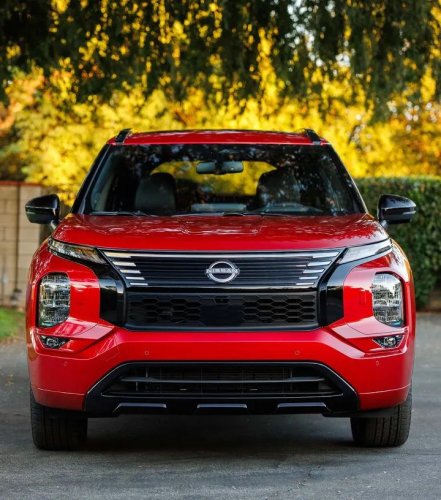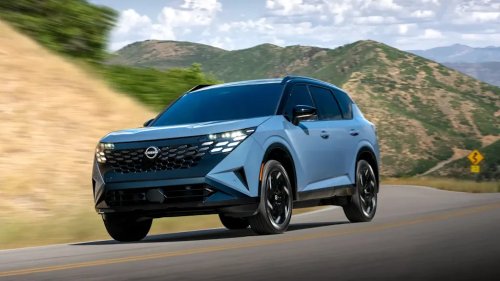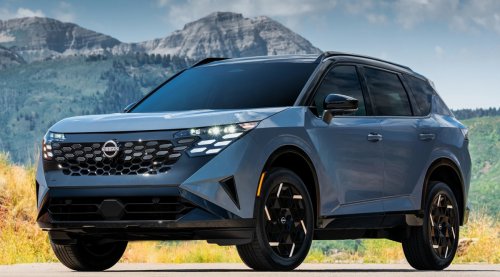



















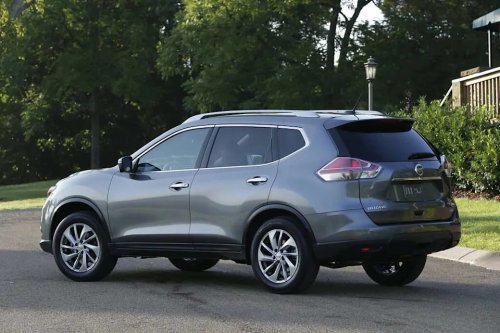
Nissan recalls 640K Rogue SUVs over engine, throttle defectsNissan is confronting a major safety challenge as more than 600,000 Rogue SUVs in the United States are being called back to dealerships for repairs tied to engine performance and throttle hardware. The campaign affects a wide swath of recent model years and raises pointed questions about how a popular family crossover ended up with defects that can cut power or trigger a stall in traffic. For owners, the recalls turn a routine commute into a reminder that a small component in the engine bay can have outsized consequences on the road. How a top-selling SUV ended up in a massive recall The Rogue has long been central to Nissan’s strategy in the United States, which makes the scale of the current recalls especially striking. Nissan’s figures describe 642,698 affected units across two campaigns in the United States, tied to engine and gear issues that increase crash risk. One campaign alone covers 318,781 units, while another involves nearly 319,000, and together they sweep up 2023 through 2025 model years equipped with VC Turbo engines. The combined tally means hundreds of thousands of households that chose the Rogue as a practical daily driver are now being told their engines may not behave as expected. Regulatory documents and company statements describe two distinct technical problems that share a common theme: parts in and around the throttle body are not holding up in service. In one group of vehicles, components inside the electronic throttle body can weaken or fracture, while in another, gears that help control airflow into the engine may have defects that interfere with their movement. Nissan’s own figures describe 640,000 affected units across two campaigns in the United States, with one recall document citing 642,698 Rogues tied to engine and gear issues that increase the risk of a crash. The scale of the response reflects how central the Rogue has become to Nissan’s lineup and how many of these compact crossovers are now on American roads. What exactly is going wrong under the hood At the center of the first recall is the electronic throttle body, a component that regulates how much air enters the engine when the driver presses the accelerator. In a subset of Rogues, internal parts in this unit can degrade over time, which can lead to the throttle plate sticking or failing to respond correctly to driver input. Nissan’s own figures identify 318,781 SUVs with electronic throttle bodies that can, in the company’s words, “weaken or fracture over time,” a defect that can cause the system to default to a limited-power mode or, in some cases, lead to a stall. When that happens on a highway or in fast-moving traffic, a driver may suddenly find that the vehicle will not accelerate beyond a crawl. The second recall centers on throttle body gears and related engine hardware in Rogues equipped with VC Turbo engines. In those vehicles, gears that help coordinate throttle operation can be defective, which can interrupt the precise control modern engines rely on to balance performance, emissions, and drivability. Nissan has acknowledged that nearly 319,000 Rogues are covered by this campaign, and broader recall summaries describe 2023 through 2025 models whose engine components can fail in ways that either cut power or, in rare cases, lead to conditions that raise the risk of fire. Taken together, the two problems form a pattern: small but critical parts in the intake system are not meeting durability expectations, and the result is an engine that can suddenly lose power when drivers expect it to respond normally. Two separate campaigns, one safety concern Although the hardware failures differ, regulators have treated the two Rogue recalls as a single safety story because the outcome for drivers can look similar. In both cases, a driver may experience warning lights, rough running, or a sudden drop in available power that forces an unplanned stop. One recall focuses on throttle gear repairs in vehicles with VC Turbo engines, while the other targets the electronic throttle body itself, but both are framed as responses to engine issues that can heighten the risk of a crash. Consumer coverage has questioned the Nissan Rogue’s reliability in light of engine issues that can cause power loss or fire, with some reports mistakenly referring to the model as “The Rouge.” The structure of the campaigns reflects how regulators categorize defects. One recall is assigned to 2023 through 2025 Rogues that may suffer engine failure because of broken throttle body gears, while the second covers vehicles with electronic throttle bodies that can degrade internally over time. In each case, the National Highway Traffic Safety Administration has been notified of the defect, and Nissan has agreed to remedy the condition by inspecting affected parts and replacing them where needed. While the company has not been publicly tied to a specific number of crashes or injuries in these filings, the language is clear that loss of power, engine failure, or a fire risk are all possible outcomes if the parts are left uncorrected. How owners can tell if their Rogue is affected For drivers trying to sort out whether their own vehicle is part of the recall, the most direct path is through official lookup tools. The Nissan recall website allows owners to enter their Vehicle Identification Number and see whether their Rogue is covered by either of the current engine campaigns or any earlier actions. The same check can be performed on the recall search page of the National Highway Traffic Safety Administration, which aggregates safety campaigns across all manufacturers and provides official descriptions of the defects and remedies. Both tools rely on the VIN, so owners need only the 17-character code from the dashboard or registration to confirm their status. Even before checking online, some drivers may have already noticed symptoms that match the defect descriptions. Reports tied to these campaigns mention Rogues that suddenly drop into a low-power mode, accelerate sluggishly despite a fully depressed pedal, or illuminate multiple warning lights before stalling. Technical coverage of the recalls has described dealer technicians encountering vehicles with both issues, with some owners reporting repeated visits for unexplained power loss in Rogues equipped with VC Turbo engines. Because the defects involve internal parts that can weaken or fracture over time, a Rogue that has driven without incident so far is not necessarily in the clear, which is why Nissan and safety regulators are urging all affected owners to schedule inspections even if their SUVs appear to be operating normally. What Nissan and regulators are doing about it Nissan’s formal response has been to initiate two separate recall campaigns in coordination with federal regulators, each with its own internal reference numbers and repair procedures. Company documents describe how dealers will inspect the electronic throttle body on affected Rogues and replace units that show signs of the defect, while a separate process applies to vehicles with suspect throttle body gears. In some cases, software updates may accompany hardware replacements to ensure that the engine control system responds correctly to the new components. Nissan has indicated that these repairs will be performed at no cost to owners, consistent with standard recall practice in the United States. Regulators, for their part, have framed the recalls as necessary steps to address engine and gear issues that increase crash risk. One official summary notes that Nissan has issued two different recalls for Rogue SUVs that may boost the risk of a crash, with one recall specifically impacting 2023 through 2025 models and a second campaign covering Rogues built with throttle body gears that can fail. Additional reporting has highlighted that Nissan is recalling 640,000 SUVs for engine and gear defects, including 642,698 Rogues in the United States, and that 318,781 of those vehicles are linked directly to electronic throttle bodies described as “Self Destructing Throttle Bodies” in recall coverage. Together, these figures paint a picture of a manufacturer working under close regulatory scrutiny to correct problems that touch a large share of its recent production. What the recall means for Rogue reliability and resale For a model that has built its reputation on being a dependable family hauler, the sight of the Rogue’s name attached to 600,000 and even 640,000 recall figures is bound to raise questions about long term reliability. Consumer-focused coverage has already asked whether the Nissan Rogue is still a reliable SUV in light of engine issues that can cause a loss of power or fire, with some reports referring to “The Rouge” when describing the affected models. While a recall does not automatically render a vehicle unreliable, the combination of engine failure risks and the need for critical hardware replacements can weigh on shopper perception, particularly for buyers comparing compact crossovers from multiple brands. More from Fast Lane Only Unboxing the WWII Jeep in a Crate 15 rare Chevys collectors are quietly buying 10 underrated V8s still worth hunting down Police notice this before you even roll window down