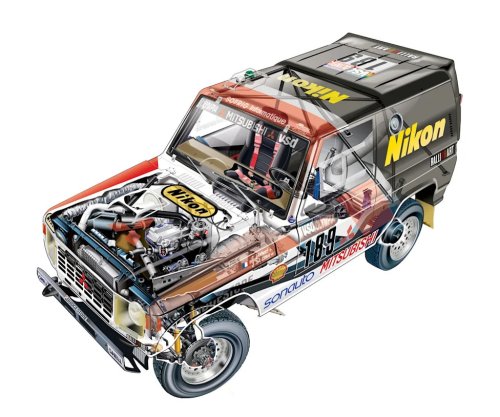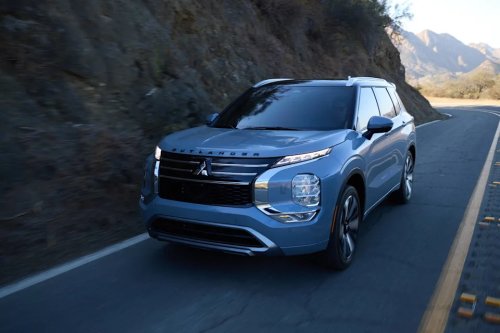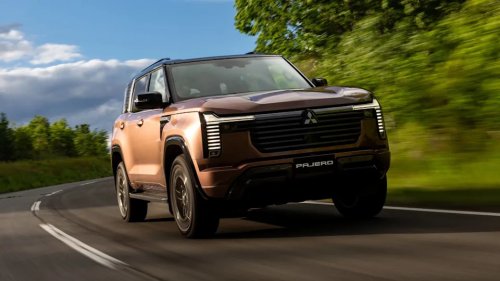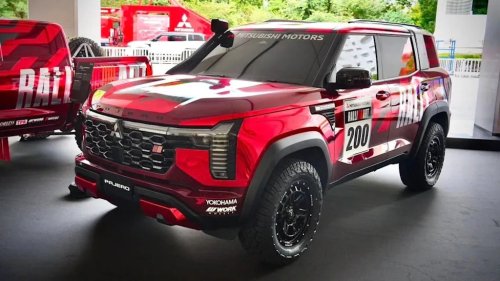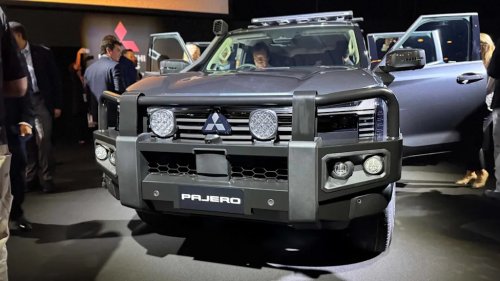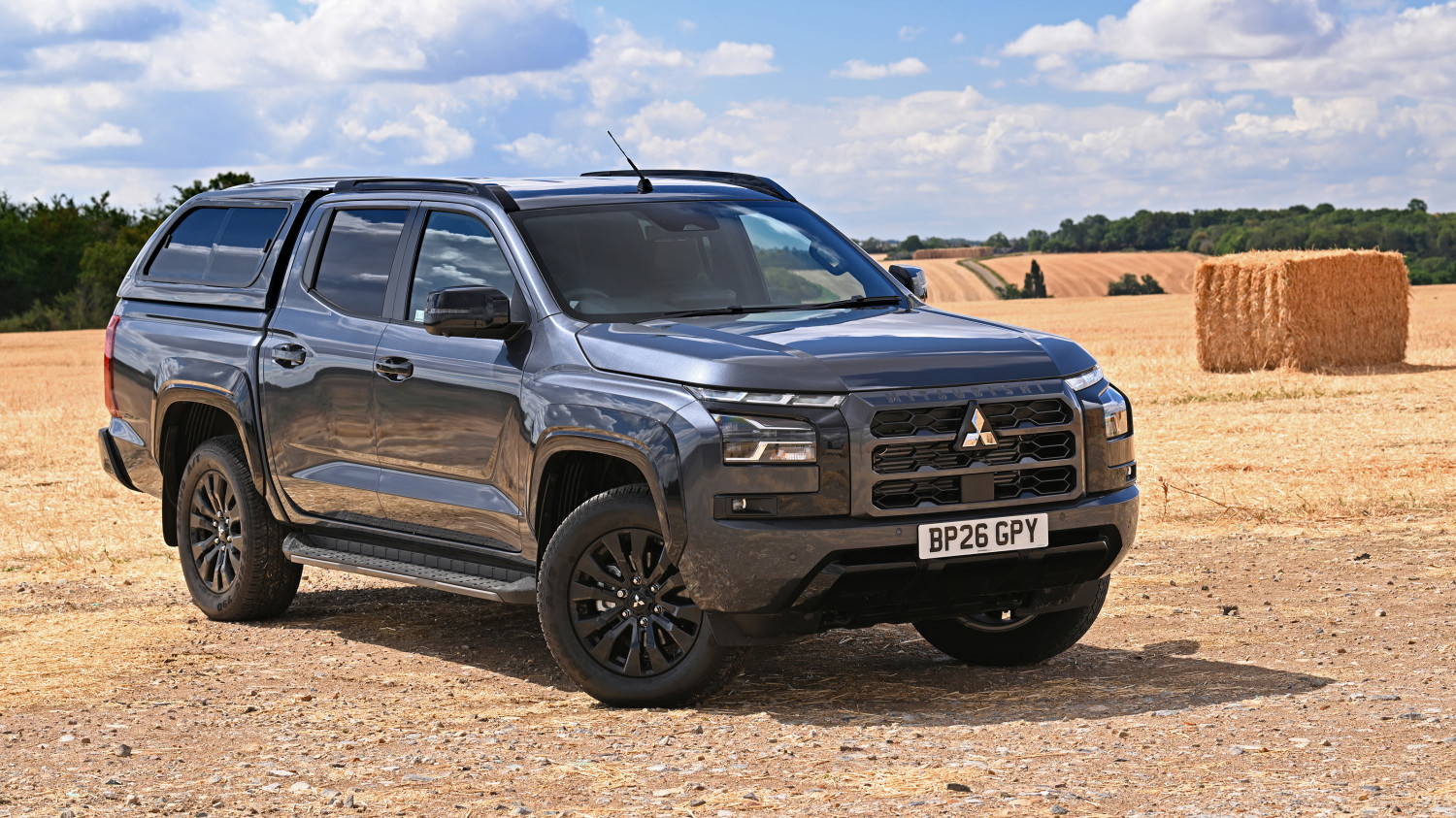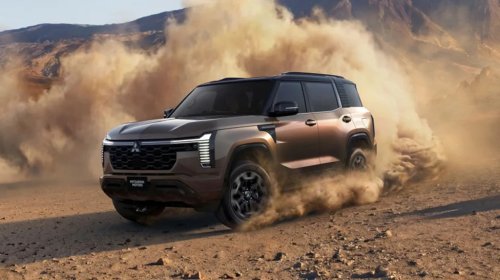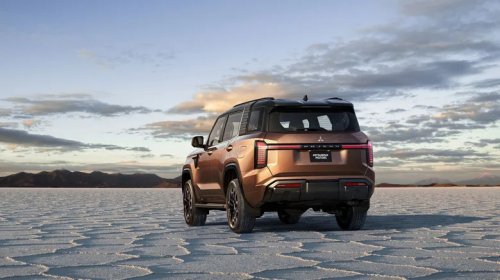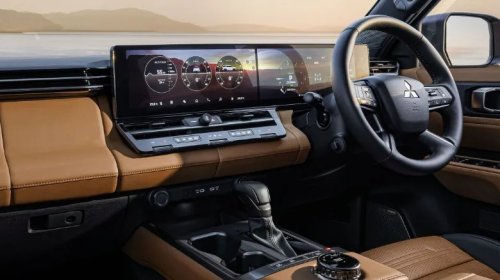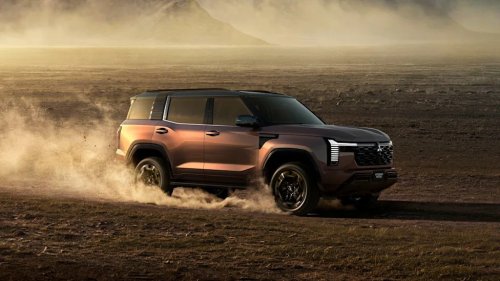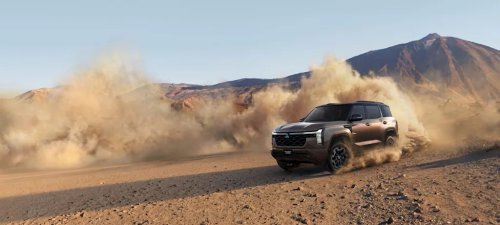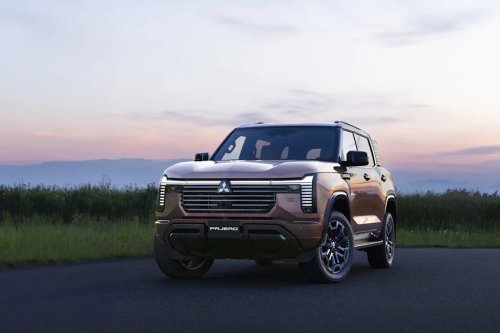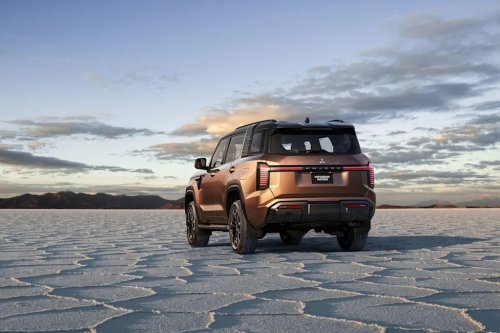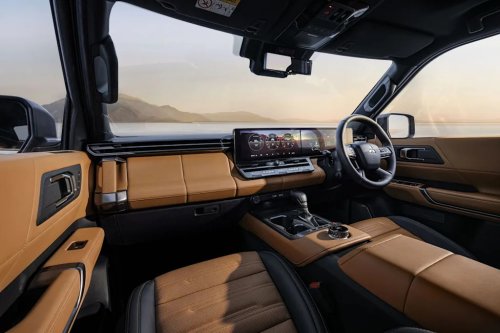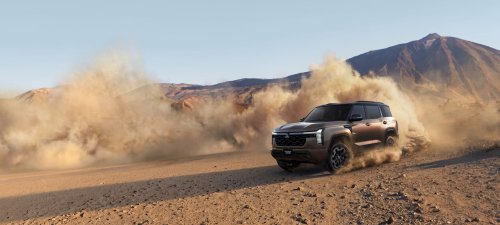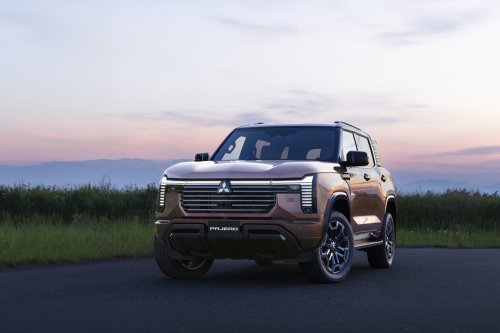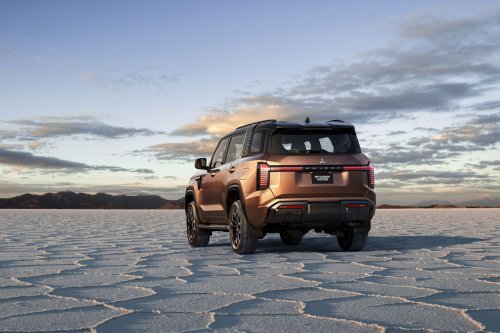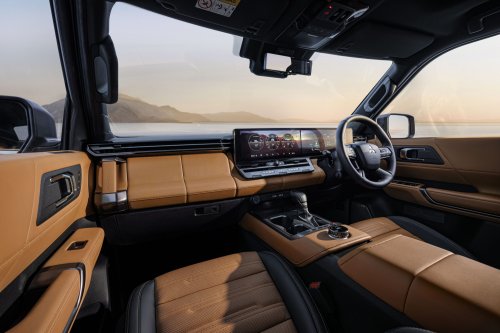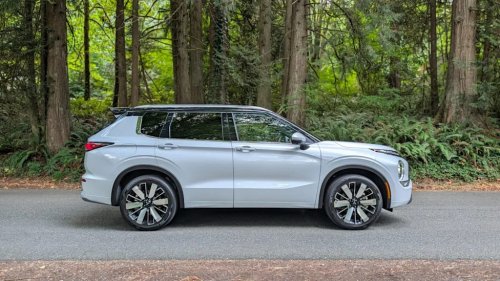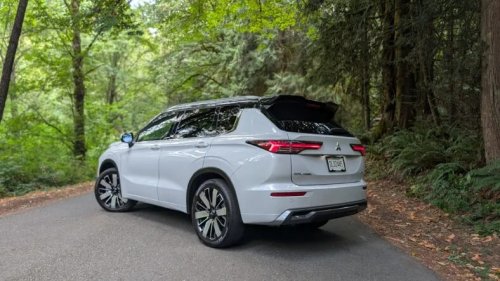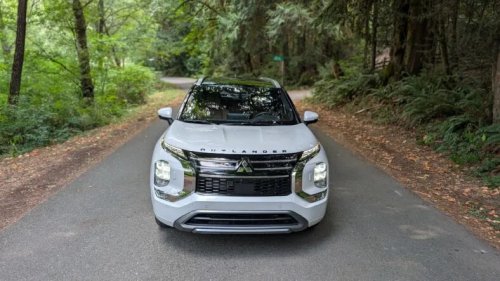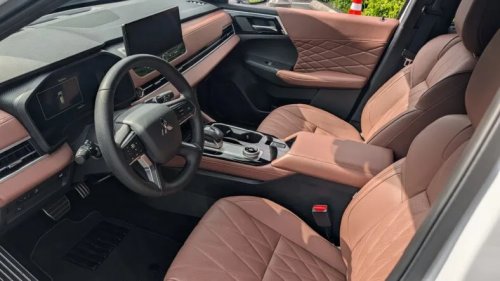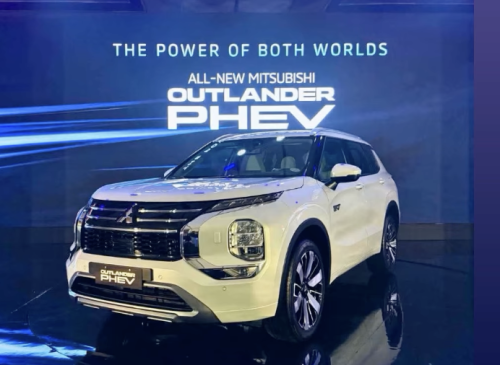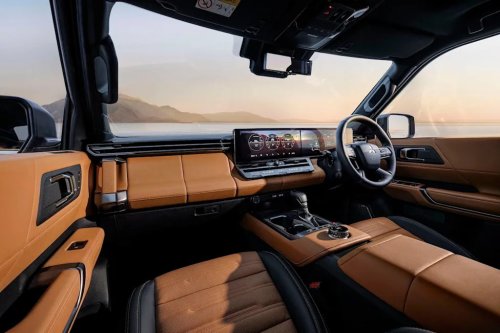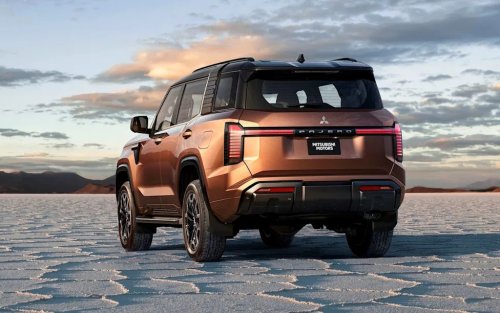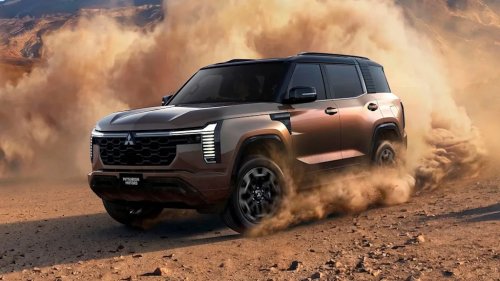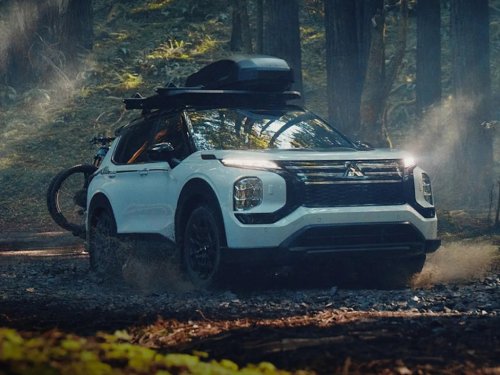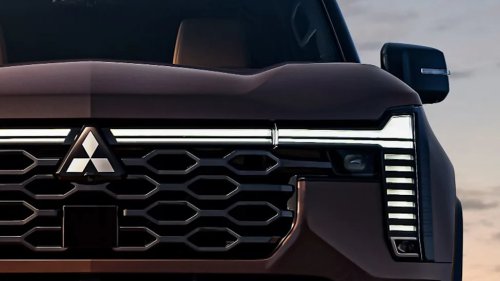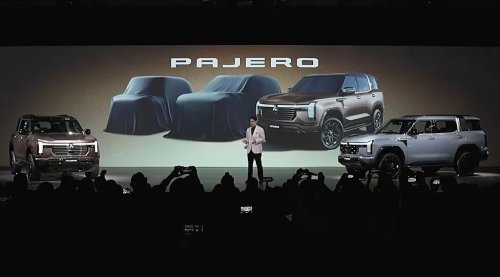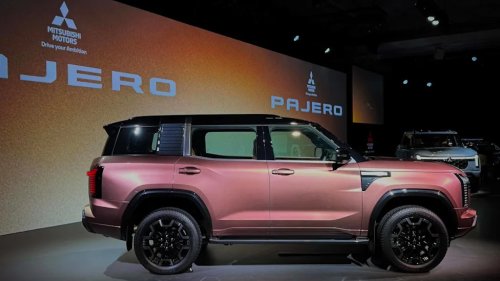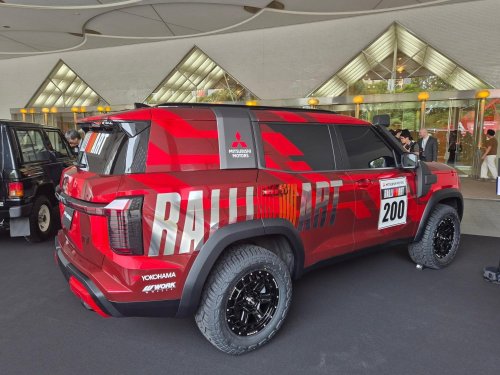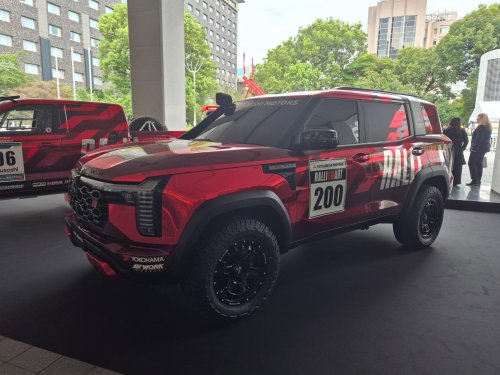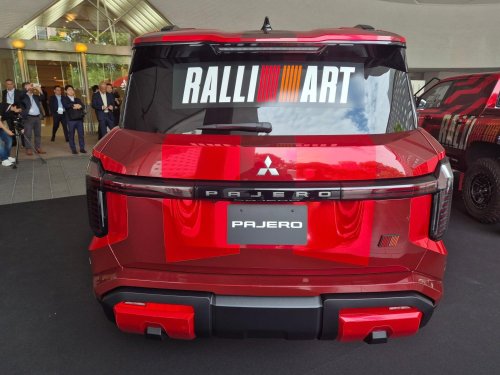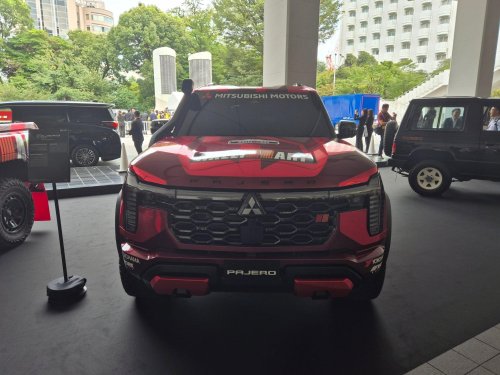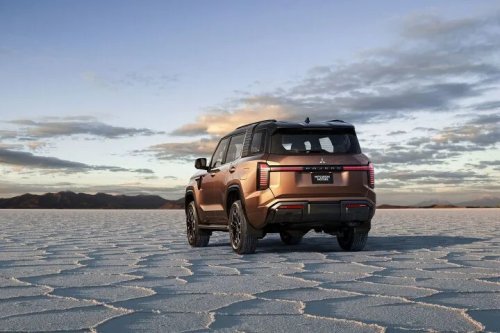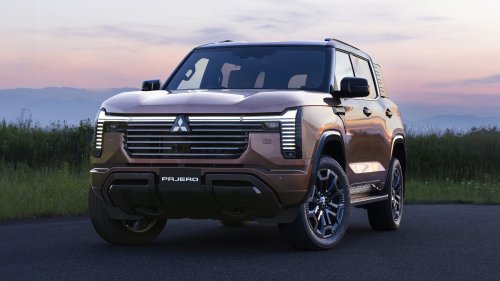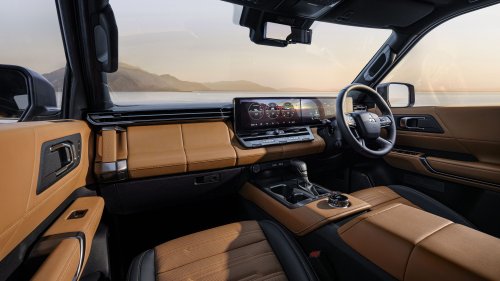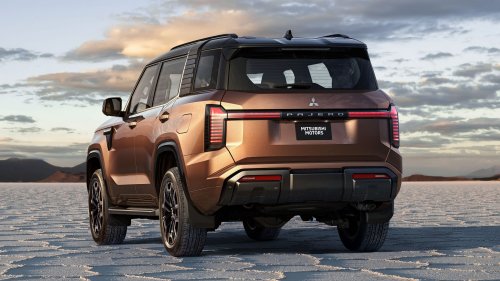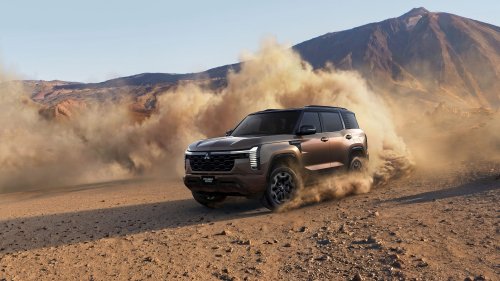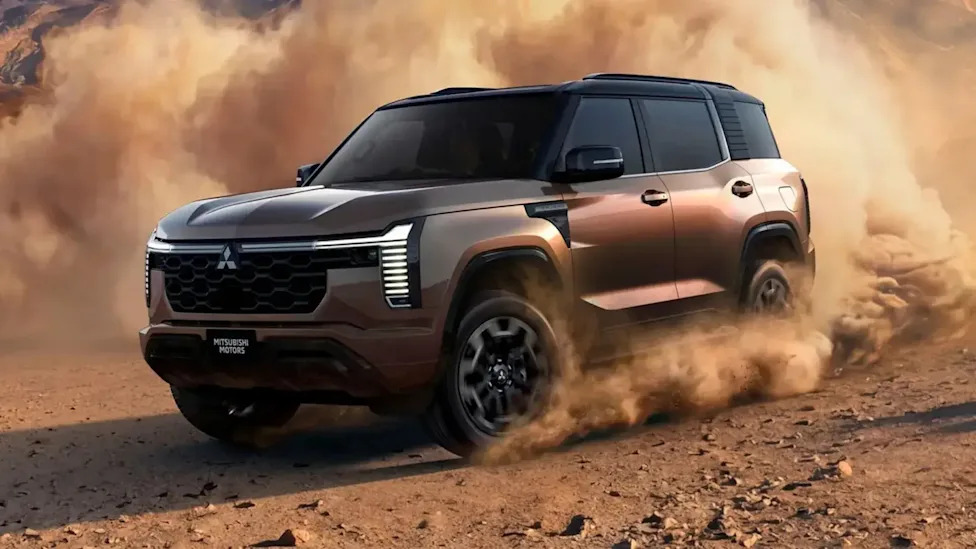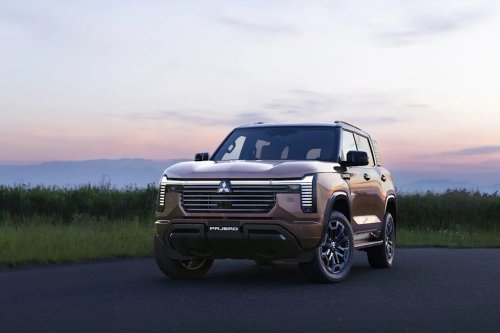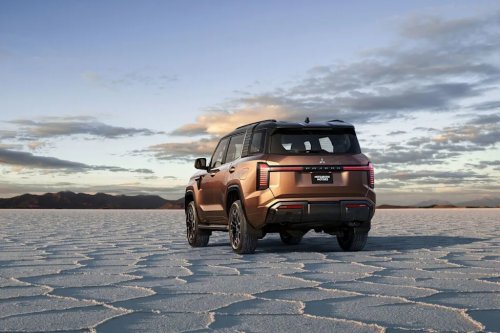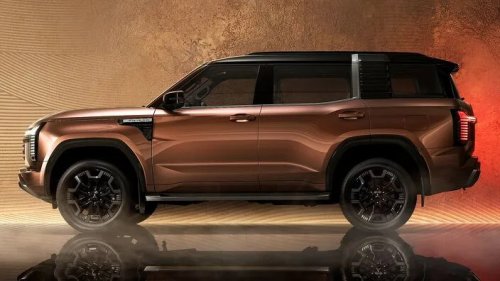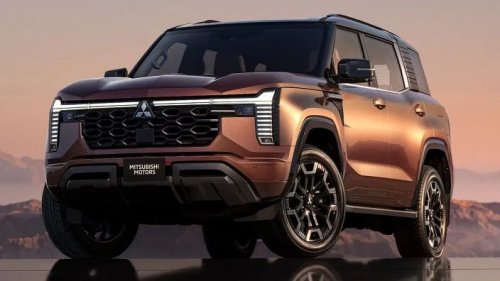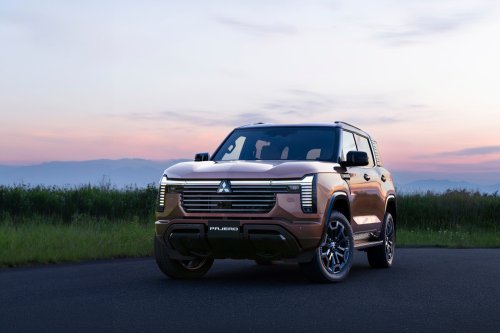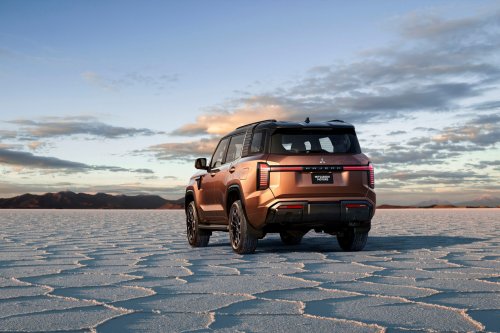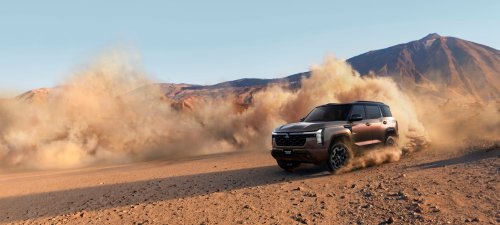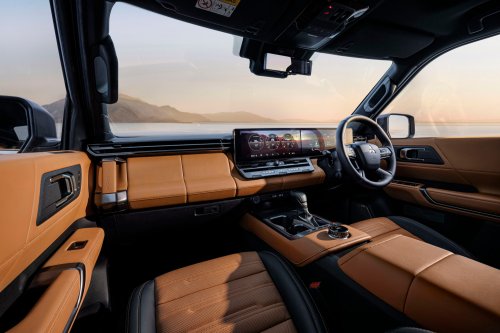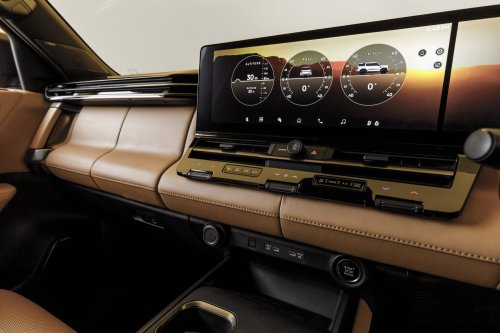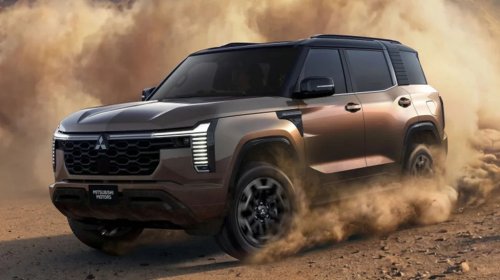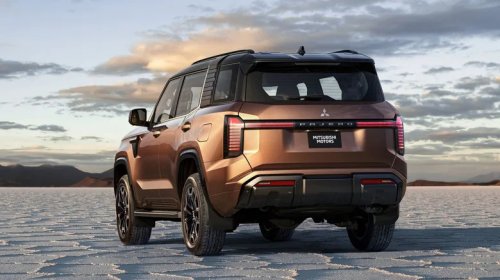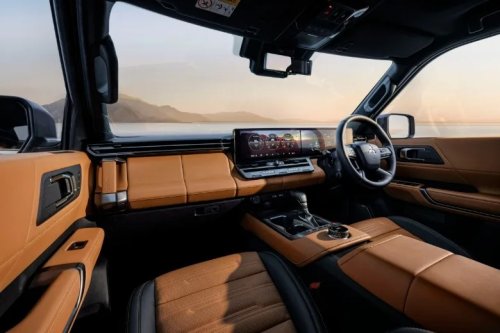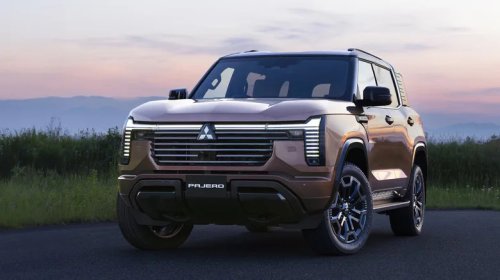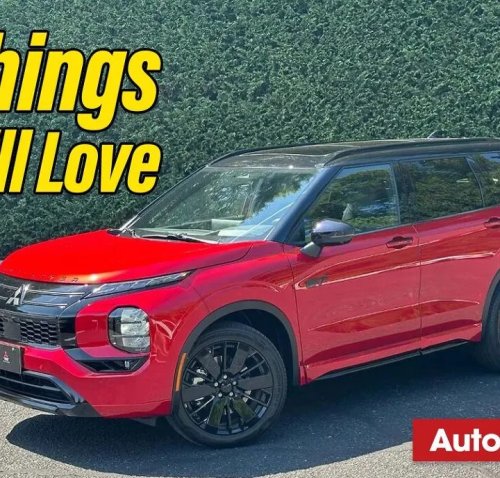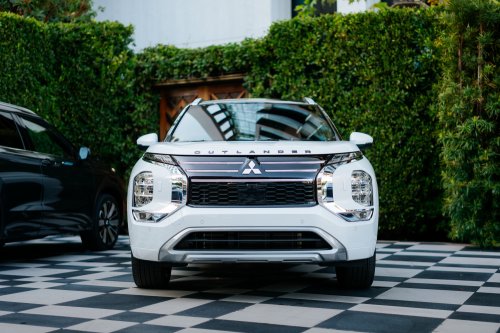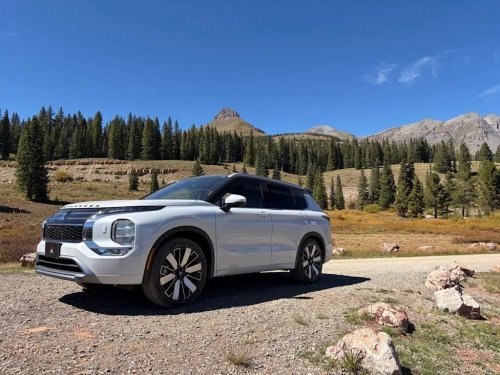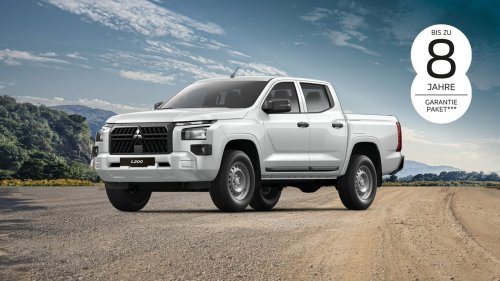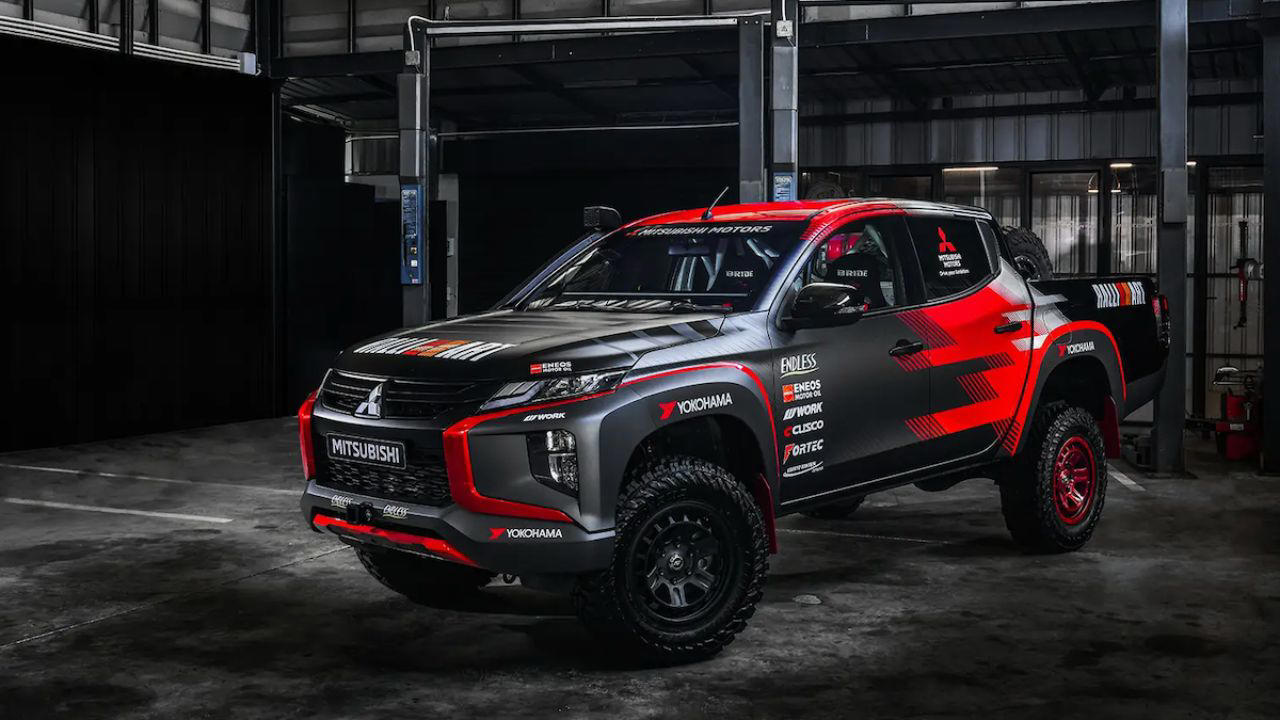


















Mitsubishi’s wild rally-style pickup skips America entirelyMitsubishi has finally built the kind of pickup enthusiasts keep begging for in comment sections: a factory-built, rally-inspired truck that looks ready to blast across a special stage. It is called the Triton Raider, and it leans hard into off-road attitude. Yet if you live in America, you are not getting it, at least not in this form. Instead, you are stuck watching from the sidelines while Mitsubishi targets markets that already embrace its Triton platform, leaving the United States to make do with softer crossovers and a promise of a different off-road model later. The decision says a lot about how Mitsubishi sees you as a buyer, and where it believes real truck growth still lives. What the Triton Raider actually is This is a special version of the Mitsubishi Triton that has been reworked with styling and hardware inspired by rally competition. Reporting on the Mitsubishi Triton Raider describes a pickup that wears more aggressive bodywork, off-road-oriented details, and visual cues drawn from the brand’s competition machines. Even the name signals that you are supposed to think of rally raids rather than mall parking lots. At its core, the Raider is still a Triton. That means a midsize pickup sized for markets where tight streets and high fuel prices shape what you drive, not the full-size template you see from American brands. The goal is to make the existing Triton look and feel closer to the trucks Mitsubishi runs in long-distance events, not to create a new platform from scratch. For an enthusiast, the appeal is obvious. You get a truck that looks like it came straight from a bivouac, with the factory backing the modifications and the warranty. It is exactly the sort of thing that used to require a lift kit, a parts catalog, and a patient service advisor. The rally lineage behind the look Mitsubishi is not pulling this rally theme out of thin air. The company has spent decades building competition hardware, and the Triton itself has already proven it can handle serious punishment. Coverage of the Dakar-style program notes that Mitsubishi’s official entry in a recent rally raid was a modified Triton that finished fifth, giving the marketing department plenty of real-world credibility to lean on. The support vehicles show how deep that motorsport culture runs. The same rally effort highlighted a tiny kei van that Mitsubishi used as a rolling service rig, a reminder that the brand likes to have fun with its image even when the star of the show is a workhorse pickup. When you look at the Raider’s graphics and stance, you are meant to connect it directly to that competition story. So this is not just a styling package tossed onto a random global truck. It is a way for Mitsubishi to sell you a piece of the rally program, even if you never leave the pavement. Built for Australia and other Triton markets, not for you The catch is that you only get access to that story if you live in the right place. Reporting on what one source calls a New Face for makes clear that the Triton Raider is aimed squarely at Australian buyers who want a rugged, adventure-ready pickup. You see the same focus on Triton regions in coverage that describes the truck as a rally-flavored variant designed for markets where Mitsubishi already sells the Triton in volume. That list does not include America. The Triton nameplate has long been absent from the United States, and analysis of Markets It Was points out that the Mitsubishi Triton has instead focused on Asia and South Africa. You can buy a Triton in those regions, but if you walk into a Mitsubishi showroom in America, there is no pickup on the floor at all. That is why the new Raider feels like salt in the wound if you are an American truck fan. The company is not just skipping the United States for this special edition. It is skipping the United States for the entire Triton line. Why Mitsubishi keeps America at arm’s length on pickups To understand why you are left out, you have to look at Mitsubishi’s broader strategy. One detailed report on how Mitsubishi Creates a explains that the brand is tailoring this truck to markets where midsize pickups dominate and where the Triton already has a strong presence. In those regions, Mitsubishi does not have to fight the entrenched full-size dominance of Ford, Chevrolet, and Ram. American regulations and buyer expectations also complicate any Triton launch. You expect big towing numbers, generous cabins, and a dealer network ready to support heavy truck use. Mitsubishi’s current United States lineup is built around crossovers and plug-in hybrids, not body-on-frame work trucks, and the company has been careful about where it spends its limited development budget. Rather than bring the Triton to America, Mitsubishi has confirmed that it will give you a different kind of off-road product. A report on how Mitsubishi Confirms New describes a future United States model that leans into rugged styling and capability, but it is not a Triton-based pickup. That tells you the company believes it is safer to toughen up an existing crossover or SUV than to wade back into the truck wars. How Mitsubishi is selling adventure without a truck If you want to see how Mitsubishi plans to scratch your off-road itch without a pickup, you only need to look at the Outlander. Coverage of a more rugged Outlander describes a future version that expands on the existing Trail Edition package with capability upgrades aimed at drivers who leave the pavement. You are getting skid plates, all-terrain positioning, and styling tweaks that signal adventure, all wrapped around a unibody crossover instead of a ladder-frame truck. From Mitsubishi’s perspective, that strategy lets you tap into the same lifestyle imagery that the Triton Raider uses without the cost of developing and certifying an entirely new pickup for the United States. You get a tougher Outlander, the brand gets to talk about trails and camping, and the Triton remains focused on Asia, South Africa, and Australia. The hitch is that if you are a truck traditionalist, a dressed-up crossover does not replace a real pickup. You may appreciate the added capability, but you still watch the Raider launch abroad and feel like you are being handed a consolation prize. What you are missing and what comes next When you see images of the Triton Raider circulating across global coverage of, you are looking at a truck designed to stand out both on the trail and at the dealership. The styling, the stance, and the rally references are all meant to speak directly to enthusiasts who want something more expressive than a basic work ute. Social channels tied to the Mitsubishi Triton Raider launch show how aggressively the truck is being promoted in markets that already understand the Triton story. There is the same push on visual platforms such as Mitsubishi Triton Raider galleries and short clips shared through Mitsubishi Triton Raider posts, all of which reinforce that this is a global product with a specific geographic carveout. For you in America, the message is simple. Mitsubishi is happy to sell you an Outlander with a Trail Edition badge or a future off-road-flavored model, but it is not yet ready to reenter the pickup segment with the Triton. If you want a rally-style truck, you are left to look at alternatives from other brands or to build your own version in the aftermarket. More from Fast Lane Only Unboxing the WWII Jeep in a Crate 15 rare Chevys collectors are quietly buying 10 underrated V8s still worth hunting down Police notice this before you even roll window down