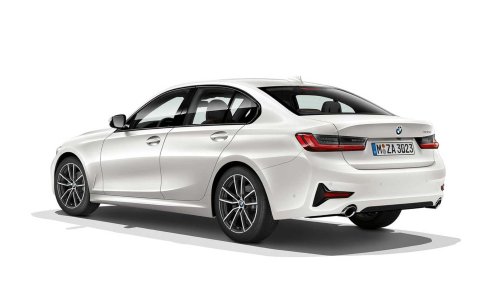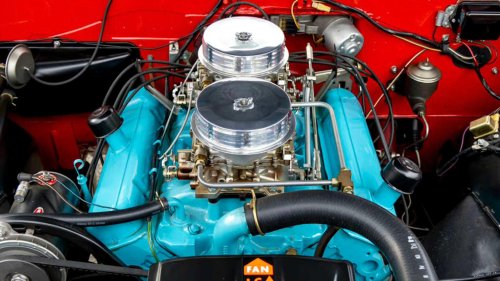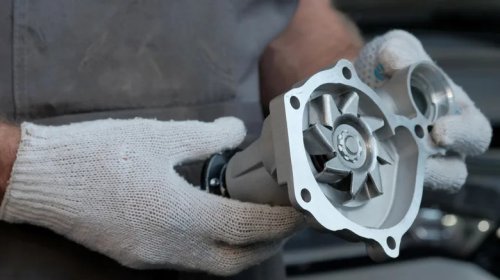



















Engine temperature control depends on a constant flow of coolant through very hot metal parts. When that circulation falters, heat builds quickly and can destroy an engine in minutes. I see the water pump as the quiet workhorse that keeps this thermal balance stable so the engine never reaches that danger zone. How coolant flow keeps engine temperatures in check Modern engines convert fuel energy into motion and a large amount of waste heat. Metal components like the cylinder head and block absorb this heat and would warp or crack without a steady coolant stream. I view the cooling system as a closed loop that carries heat away from these hot zones and releases it to the outside air through the radiator. Coolant travels from the engine to the radiator, sheds heat, then returns cooler to repeat the cycle. That loop only works when the liquid keeps moving at the right speed and volume. A healthy system maintains a stable operating range so the oil film stays intact and combustion parts avoid hot spots. When circulation slows, temperature spikes can trigger detonation, warped heads, or a blown head gasket, which often leads to costly repairs on engines like the Toyota 2AZ-FE or Ford Duratec four cylinder units. The water pump’s role as the cooling system’s heart Within that loop, the water pump acts like a mechanical heart that pushes coolant through every passage. I see its main job as maintaining pressure and flow so coolant reaches the hottest areas first, then moves on to the radiator without lingering. Most belt driven pumps use an impeller that spins with the crankshaft, so flow rises as engine speed climbs. Designers route coolant through narrow channels in the block and head, then out to the radiator, heater core, and sometimes a turbocharger housing. The pump must overcome resistance from these passages and any elevation changes in the system. When it performs correctly, temperature stays steady even when a vehicle like a Honda Civic or Ford F-150 climbs a long grade with the air conditioning on. I rely on that consistent circulation to prevent localized boiling inside the head, which can occur long before the dashboard gauge reaches the red zone. Mechanical versus electric water pumps Image by Freepik Automakers now use two main pump types, mechanical and electric, and each manages heat in a different way. Traditional mechanical pumps bolt to the engine and run off a belt or timing chain. Their output rises with rpm, which works well for many gasoline engines that spend time at higher speeds on highways. Electric pumps, common on models like the BMW 3 Series and many hybrids, use an independent motor. I find that this design allows precise control of flow based on temperature, load, and even cabin heating demand. Electric units can keep coolant moving after shutdown to prevent heat soak, which helps protect turbochargers and plastic components near the exhaust. They also reduce drag on the crankshaft, which can improve efficiency and free engineers to tune flow for specific conditions instead of tying it directly to engine speed. How the pump works with thermostat and radiator Cooling performance depends on coordination between the pump, thermostat, and radiator. The thermostat regulates when coolant flows to the radiator by opening and closing based on temperature. I see the pump as the constant mover, while the thermostat acts like a gate that directs where that movement goes. During warm up, the thermostat stays closed so the pump circulates coolant only within the engine. This helps the engine reach its ideal temperature quickly, which improves fuel atomization and reduces wear. Once the coolant reaches the thermostat’s set point, the valve opens and the pump sends hot fluid to the radiator. Air passing through the radiator fins removes heat, then the pump pulls cooler coolant back into the block. That continuous loop keeps temperatures stable during city traffic, highway cruising, and heavy towing with vehicles like a Chevrolet Silverado or Ram 1500. What happens when the water pump fails Failure of the water pump often shows up first as a creeping temperature rise under load. I watch for signs like a gauge that climbs on hills, then drops on descents, or coolant that boils in the reservoir after shutdown. These patterns suggest the pump can no longer maintain steady flow, even if the radiator and thermostat still function. Common failure modes include worn bearings, leaking seals, and corroded or broken impeller blades. When a bearing fails, the pump shaft can wobble, which reduces efficiency and may throw the drive belt. A leaking seal lets coolant escape through a weep hole, often leaving a colored trail under the front of the engine on cars like the Subaru Outback or Volkswagen Golf. If the impeller erodes, especially on older plastic designs, the pump may spin without moving enough coolant, which leads to overheating even though no external leak appears. Warning signs drivers should not ignore Early detection of pump trouble can prevent catastrophic engine damage. I pay close attention to any grinding or whining noise from the front of the engine, which can indicate a failing pump bearing. Coolant drips near the timing cover or accessory belt area also deserve quick investigation, since a small leak can grow rapidly under pressure. Temperature behavior offers another key clue. A gauge that fluctuates more than usual, a heater that blows cold at idle but warms at higher rpm, or steam from under the hood all point to circulation issues. On some vehicles, a failing pump can trigger a check engine light due to overheating or misfire codes. Ignoring these signs risks warped heads, melted plastic components, and in severe cases a seized engine, especially on aluminum intensive designs like many modern Mazda and Hyundai powertrains. Maintenance habits that protect the water pump Preventive care starts with the coolant itself. I always match the coolant type and change interval to the manufacturer’s specification, since additives protect both the pump and the rest of the system. Old or incorrect coolant can lose corrosion inhibitors, which accelerates wear on the pump’s metal surfaces and seals. Timing belt driven pumps, common on engines like the Honda K series or older Volkswagen TSI units, should usually be replaced with the belt. Combining the jobs saves labor and reduces the risk of a pump failure shortly after a belt service. For belt driven accessories, I inspect tensioners and pulleys, since a slipping or misaligned belt can shorten pump life. Regular checks of coolant level, color, and smell also help, because contamination or oil in the coolant often signals deeper issues that can damage the pump if left unresolved. Why the water pump matters more in modern engines Modern engines run hotter and use tighter tolerances than many older designs, which raises the stakes for reliable cooling. Turbocharged units, such as those in the Ford EcoBoost or Volkswagen EA888 families, generate intense localized heat around the turbine and exhaust ports. I see the water pump as essential for carrying that heat away before it can cook nearby hoses, sensors, or wiring. Hybrid and start stop systems add new demands, since engines cycle on and off more frequently. Electric pumps can keep coolant moving even when the engine rests at a traffic light, which helps maintain cabin comfort and prevents hot spots. As automakers chase efficiency and emissions targets, they rely on precise temperature control to keep catalytic converters, combustion chambers, and lubricants in their ideal ranges. In that environment, a strong and well maintained water pump becomes one of the most important guardians of engine longevity. More from Fast Lane Only: Unboxing the WWII Jeep in a Crate The Fastest Farm Truck Ever Built 10 Old Trucks That Were Built Like Tanks 12 Classic muscle cars still within reach for budget buyers *Created with AI assistance and editor review.