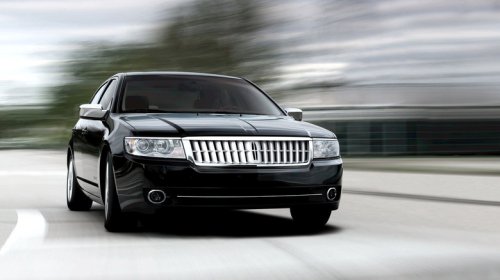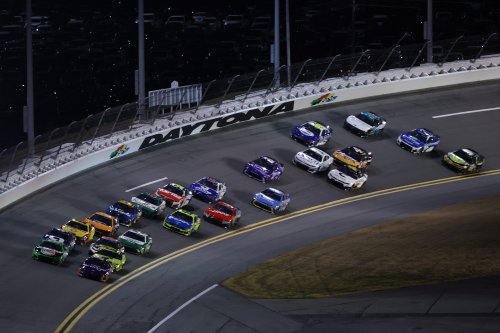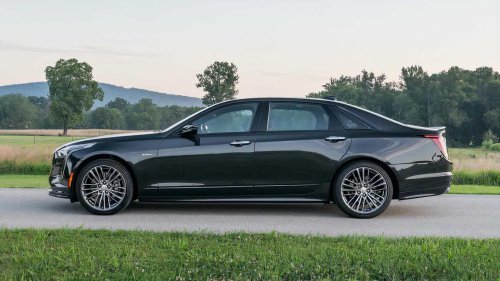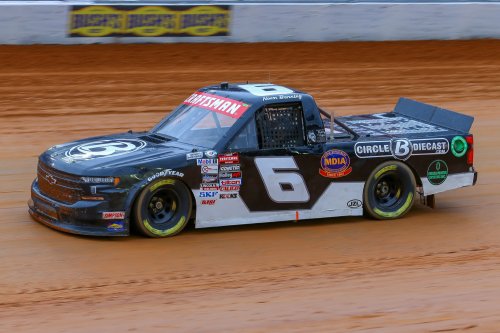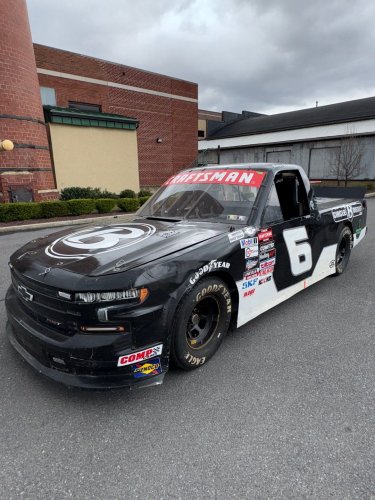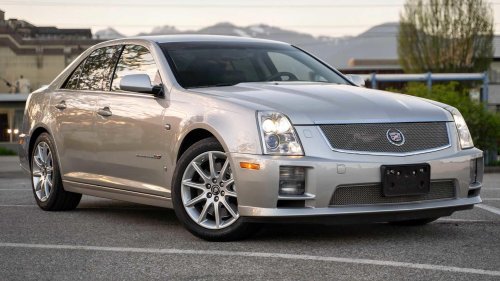
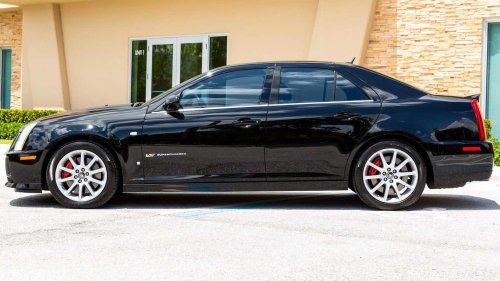
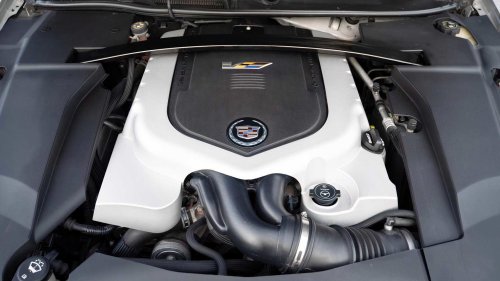
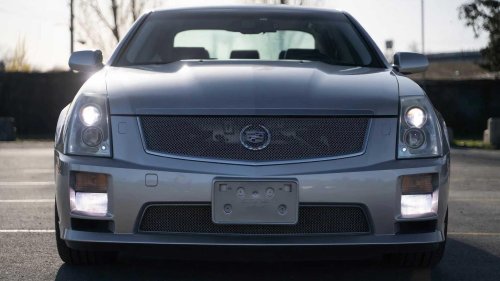
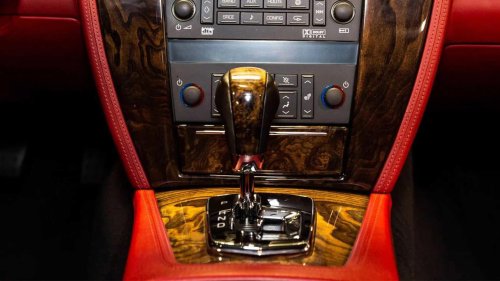
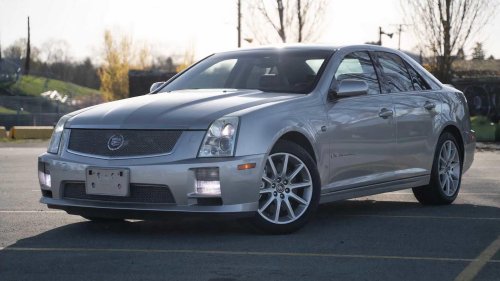



















Luxury sedans are usually defined by quiet cabins, smooth rides, and understated design. Raw racing inspiration rarely enters the conversation. Yet in the mid-2000s, Cadillac built a car that blended exactly those two worlds. The STS-V looked like a refined executive sedan, the kind of car you might expect to see parked outside a hotel or cruising comfortably down the highway. Underneath that composed exterior, however, engineers were building something far more ambitious.At the heart of the car sat a supercharged Northstar V8 whose development drew heavily from GM’s motorsports experience. If you were expecting a luxury sedan with 469 horsepower capable of performance numbers rivaling those of some of the most respected European sport sedans of the era, you would be right. Cadillac Built A Luxury Sedan To Challenge Europe Bring a TrailerBy the early 2000s, Cadillac had begun a major transformation. The brand wanted to prove it could compete directly with the world’s best-performing luxury cars, most importantly, those from Germany. That effort produced the V-Series lineup, beginning with the CTS-V and eventually expanding to other models.The STS-V arrived in 2006 as the flagship of that strategy. Built on GM’s rear-wheel-drive Sigma platform, the same architecture used by the CTS, the STS provided the perfect foundation for a high-performance luxury sedan. It offered a balanced chassis, modern suspension design, and enough structural rigidity to support significant power. Just the right combination that buyers were looking for.Via: Bring a TrailerCadillac’s goal was clear. The STS-V was designed to compete with cars like the BMW M5 and Mercedes-Benz E55 AMG, both of which had established reputations for combining luxury with impressive speed. To challenge those benchmarks, Cadillac needed more than just refinement. It needed serious power in the form of a supercharged sedan, and that's exactly what it did.Each supercharged Northstar V8 was hand-assembled at GM’s Performance Build Center, the same facility that builds Corvette engines. The Supercharged Northstar Turned The STS-V Into A 469-HP Luxury Rocket To deliver that power, Cadillac engineers developed a new version of the Northstar V8. The engine displaced 4.4 liters and featured an Eaton supercharger that dramatically increased its output. That gave it 469 horsepower and 439 lb-ft of torque. These numbers instantly placed the STS-Vamong the most powerful luxury sedans available at the time. Power was sent to the rear wheels through a six-speed automatic transmission, allowing the large sedan to accelerate with surprising urgency.Bring a TrailerIndependent testing revealed just how capable the car was. The STS-V could reach 60 mph in about 4.5 seconds and complete the quarter mile in roughly 12.9 seconds, impressive numbers for a full-size luxury sedan weighing more than two tons. I mean, it's even impressive by today's standards, and we've come a long way in the last decade.The STS-V introduced Cadillac’s first production supercharged Northstar V8, a major step for the V-Series program. Cadillac STS-V Specifications Beyond straight-line speed, the car also benefited from a heavily upgraded suspension system, larger brakes, and revised steering tuning. Together, those changes helped the STS-V deliver the kind of performance Cadillac needed to compete in a segment long dominated by European brands. NASCAR Engineering Helped Shape The Engine While the STS-V’s Northstar V8 was designed specifically for Cadillac, its development did not happen in isolation. General Motors’ extensive motorsports programs provided valuable engineering insight that influenced the engine’s design. NASCAR engines are built for durability and sustained high-RPM performance, qualities that also benefit high-performance road cars. Engineers applied lessons from those racing programs to improve cooling efficiency, airflow, and overall engine strength.Bring A TrailerThe supercharged Northstar used advanced materials and reinforced internal components to handle the additional stress created by forced induction. That focus on durability allowed Cadillac to extract significant power while maintaining the reliability expected from a luxury vehicle. In the end, an engine that combined motorsports-inspired engineering with the smooth, refined character Cadillac buyers expected was just the right recipe.With a 0–60 time around 4.5 seconds, the STS-V was quicker than several well-known performance cars from the 1990s. Today The STS-V Is An Overlooked Performance Bargain Bring a TrailerDespite its impressive capabilities, the STS-V never achieved the same recognition as some other V-Series models. Production ran from 2006 through 2009, and total output remained relatively small. During those years, Cadillac built only around 2,500 examples, making the car far less common than many of its rivals. That limited production run has helped the model develop a stronger following among enthusiasts in recent years.Bring A TrailerAuction results show that this overlooked V-series sedan is still surprisingly affordable. However, low-mile cars are starting to attract stronger bids. Auction results and market tracking sites suggest that values remain relatively accessible. Clean examples typically sell between $15,000 and $35,000, depending on mileage, condition, and maintenance history.For buyers looking for a distinctive performance sedan, the STS-V offers a compelling combination of luxury, rarity, and impressive power. It remains one of the most interesting vehicles to emerge from Cadillac’s early V-Series era, proof that the brand was willing to push its engineering in unexpected directions.Looking back, this car was a very interesting moment in Cadillac’s performance evolution. The brand was determined to prove it could compete with the best luxury sport sedans in the world, and it did so by combining horsepower with the comfort and refinement buyers expected from a flagship model. These days, the car remains one of the more unusual entries in Cadillac’s V-Series history. It delivered performance,motorsports influence under the hood, and did it all while looking like an executive sedan. For fans willing to look past the badge and the understated styling, it remains one of the most interesting performance bargains from the era.