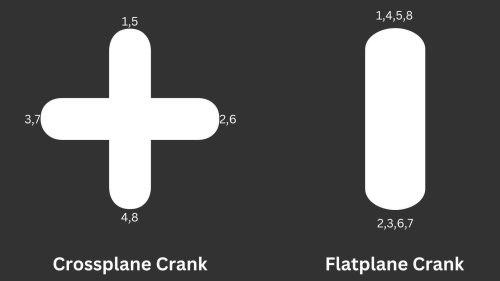
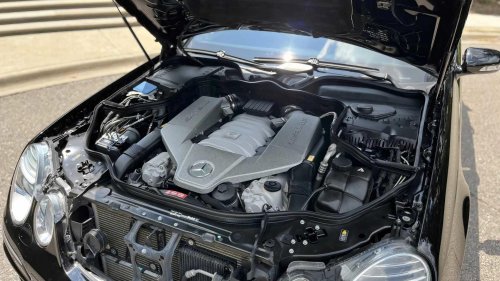
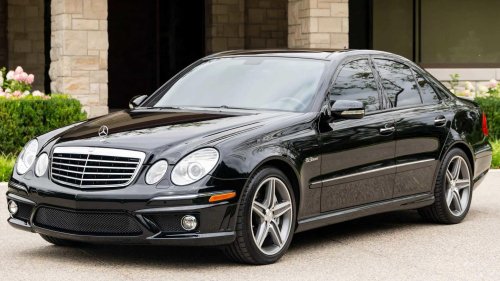
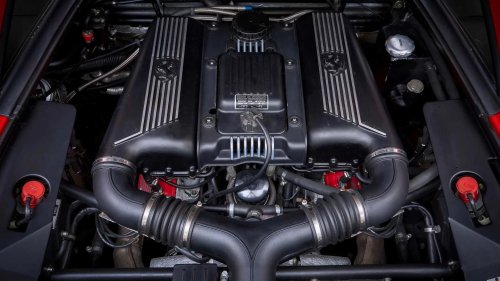
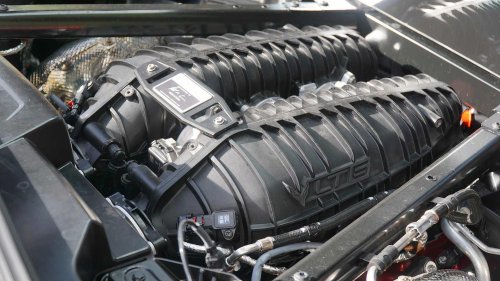
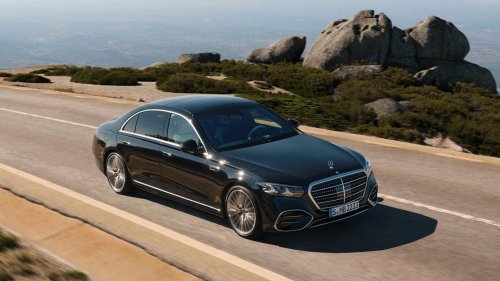
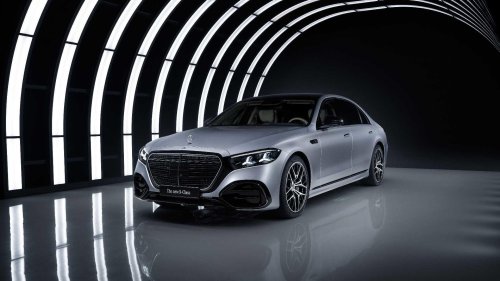
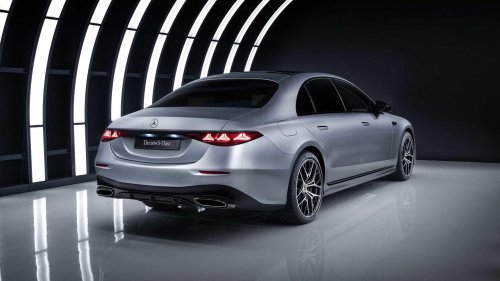
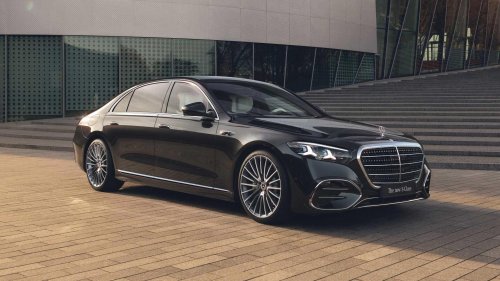
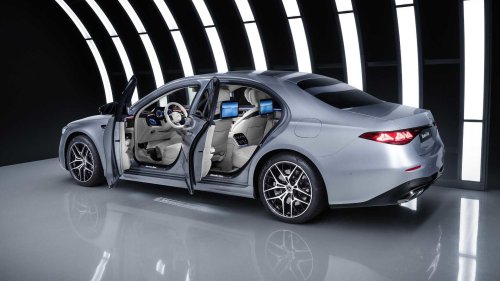
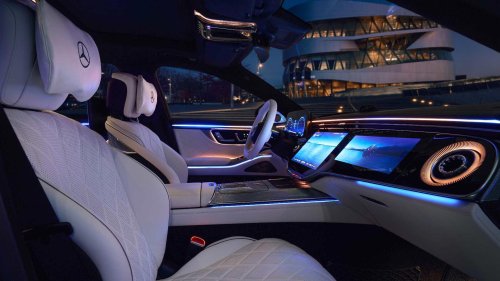
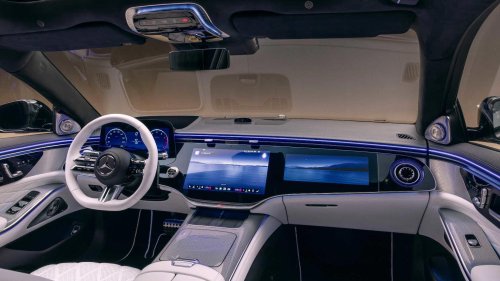
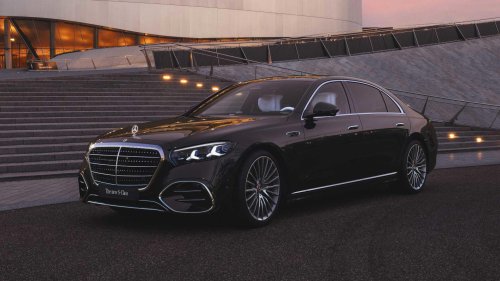
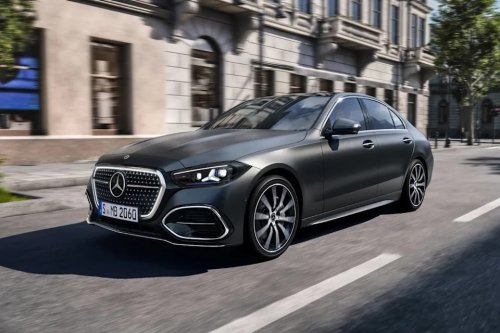
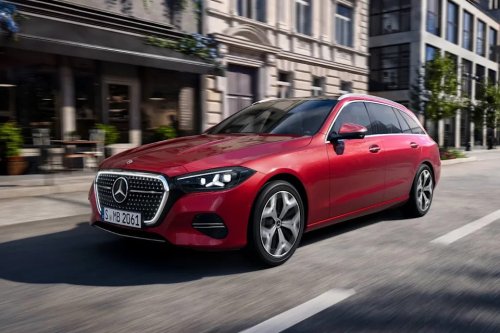
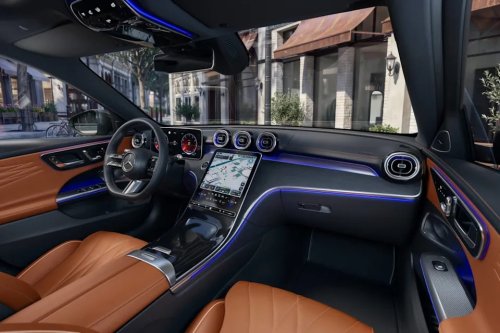
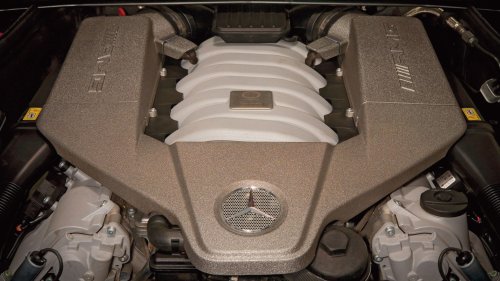
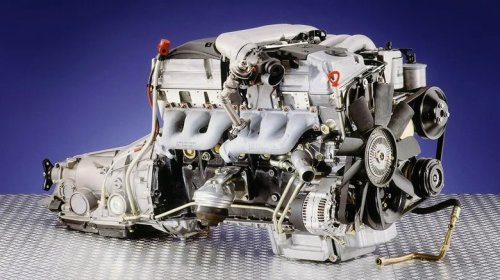
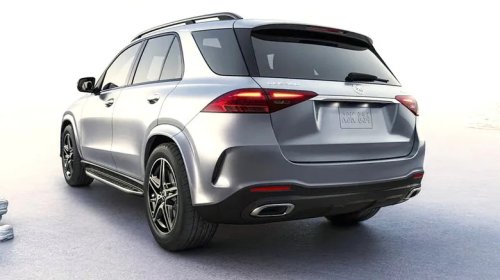
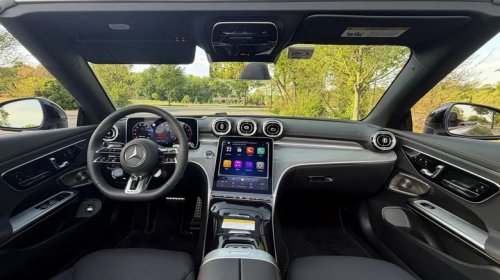
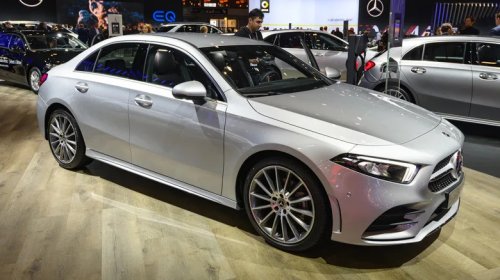
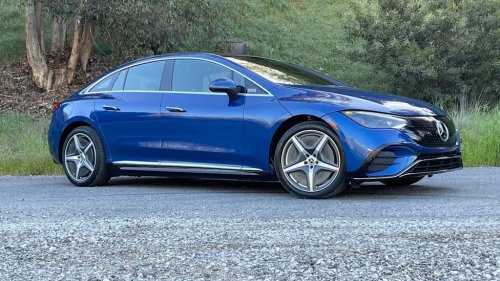
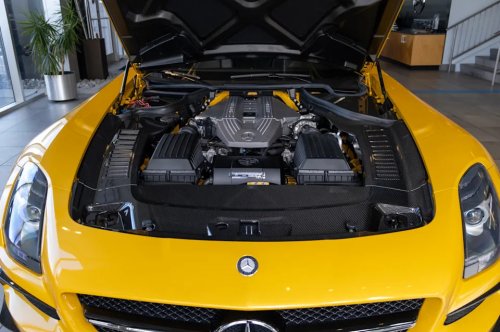
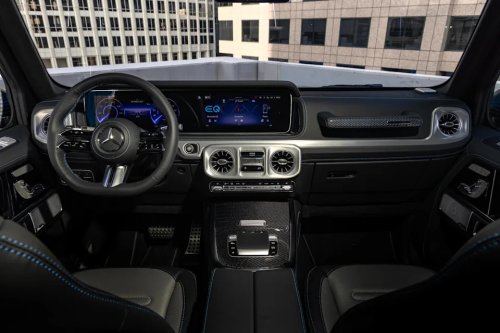
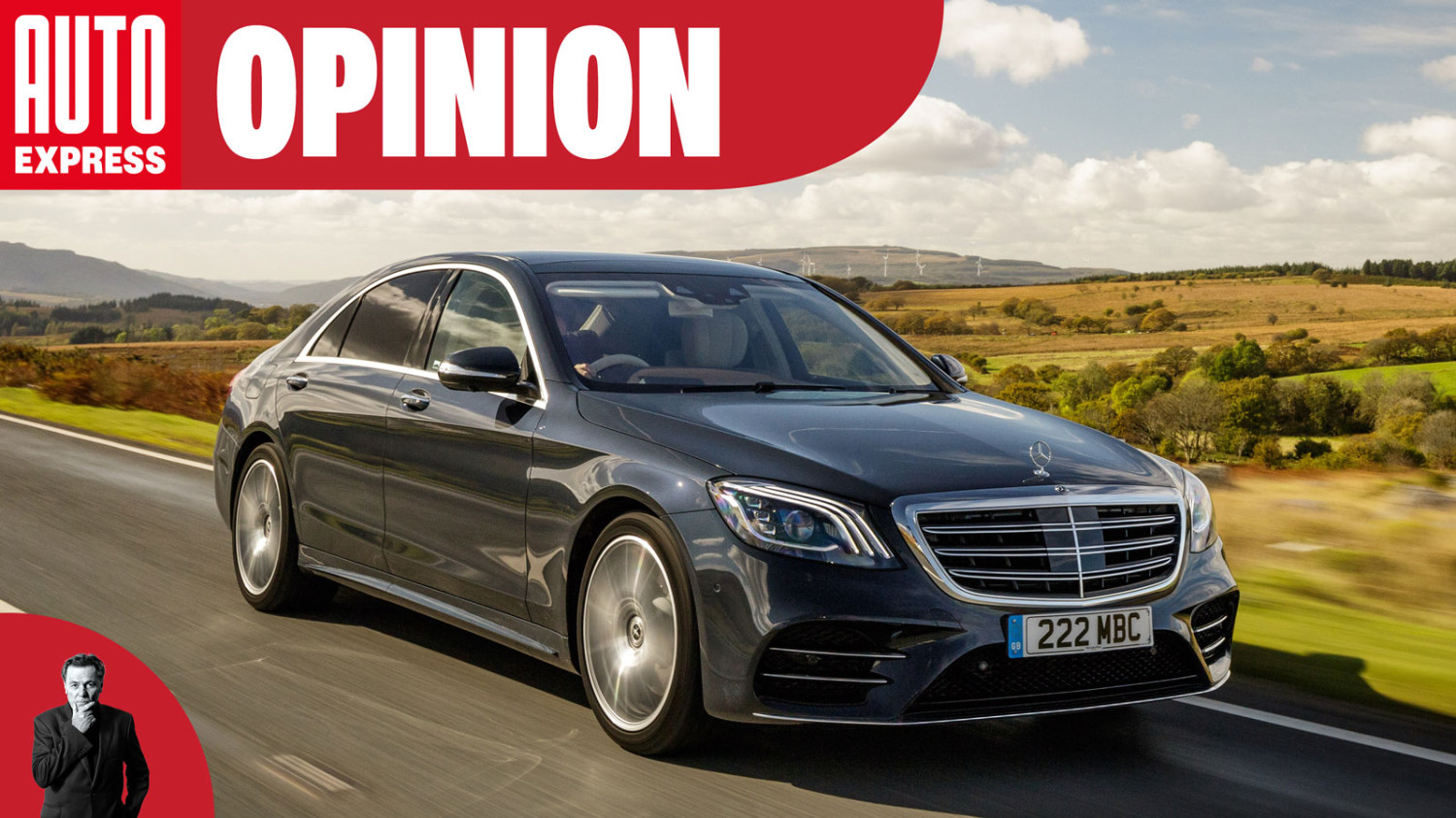
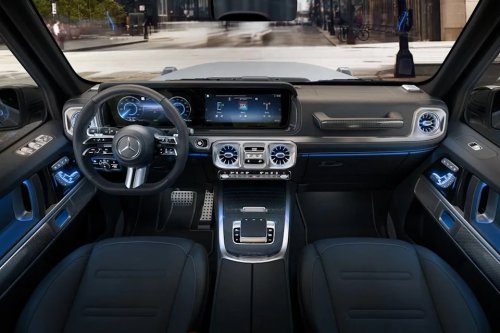
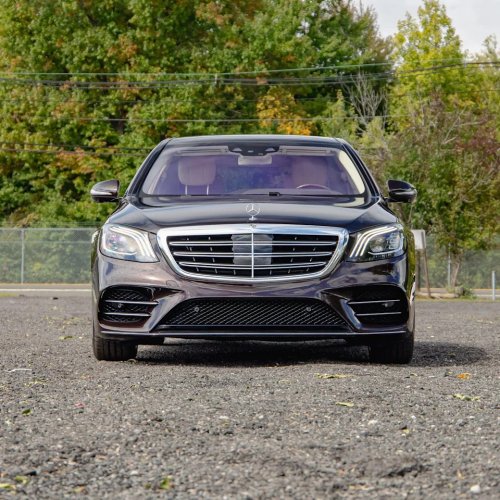
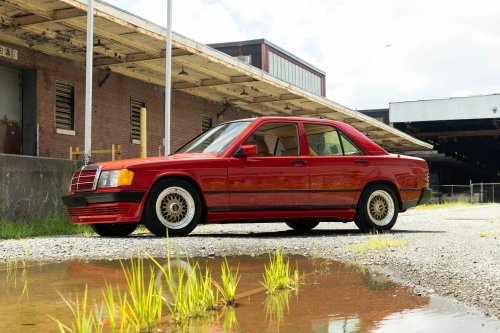
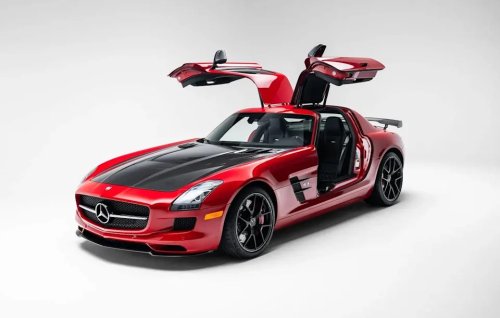
What defines a sports car engine? Is it the noise it produces? The vibrations it makes? The way it delivers its power? Actually, it's all three of these combined to make an engine feel visceral. In the world of V-8s, there are two engine layouts, and they are defined by the kind of vehicles they power. On one end, we have the cross-plane crank, while on the other end, we have the flat-plane crank.Mercedes-Benz just unveiled the facelifted S-Class for the 2027 model year, which the company claims is the most comprehensive mid-cycle facelift it has ever executed. One of those comprehensive changes includes its V-8 engine, which ditches the cross-plane crank for a flat-plane crank. What gives? And why is this a big deal in the luxury sedan segment? Let's explore what a flat-plane crank V-8 is to find out why fitting this engine into the S-Class is such a big deal. Flat-Plane Versus Cross-Plane Top Speed The choice of going with the flat-plane or cross-plane configuration isn't exclusive to V-8 engines, though it is most commonly used for this engine type. Four-cylinder engines are almost always flat-plane, while cross-planes are the dominant crankshaft layout for V-8 engines. This is why the new S-Class featuring a flat-plane crank was a surprising decision. Cross-Plane Cranks For Most Cars Bring a Trailer To understand why they are called flat-plane or cross-plane, let's take a look at the crankshafts of these engines. Beginning with the cross-plane, the pins where the cylinders are attached are arranged at 90-degree intervals around the shaft. When viewed from the front, a cross-plane crankshaft looks like a cross (or an X), hence the "cross-plane" name. From its sound profile, the cross-plane crank V-8 produces a rumble—basically what muscle cars, luxury sedans, and SUVs with such an engine produce. They also allow for larger displacements, which is why any V-8 with a displacement above 5.5 liters has a cross-plane crank.Bring A Trailer So why do most V-8s feature a cross-plane crank? Well, they're the most balanced layout. Remember the pins arranged at 90-degree angles? That pretty much cancels out vibrations. The deep and throaty rumble? That's due to the 90-degree intervals, and the resulting firing order on each left (L) and right (R) bank is uneven. The 90-degree angles are also heavier, and mainly due to the longer stroke, these engines are known for higher torque. This also means that cross-plane crank V-8s don't have a very high RPM. This is why all large and heavy-duty vehicles with a V-8 engine lean towards the cross-plane crank layout. Flat-Plane Cranks For Sports Cars Bring A Trailer On the other hand, a rarer breed of V-8 engine features the flat-plane crank. The biggest purveyor of flat-plane crank V-8s? That would be Ferrari, and as you've guessed by their engines' sound profile, they have a high-revving, high-pitched sound. A flat-plane crank has its pins arranged at a complete 180-degree angle, so when viewed from the front, the flat-plane crankshaft is simply flat, hence the name. Flat-plane cranks are lighter, which is why these engines are more responsive and can sustain higher RPM speeds. The shorter stroke also means it isn't rich in torque, which is also why these engines need a high RPM.Mecum Due to the flat, unbalanced shaft design, the vibrations are more challenging to mitigate, but that doesn't mean it can't be done. Also, the flat-plane layout guarantees a perfect R-L-R-L-R-L-R-L-R-L firing order, which results in that high-pitched noise. Due to this design, flat-plane crank V-8s don't have large displacements. In fact, the largest flat-plane crank V-8 ever fitted to a production car is the 5.5-liter LT6 V-8 of the current Corvette Z06, which produces 670 horsepower and revs up to 8,600 RPM. The World's First Luxury Sedan With A Flat-Plane Crank V-8 Mercedes-Benz Indeed, this makes the 2027 Mercedes-Benz S-Class the world's first luxury sedan with a flat-plane crank V-8. All luxury sedans, even the ones that AMG made, all had cross-plane crank V-8s, so let's explore why they went for this engine configuration. For Emissions Compliance Mercedes-Benz Speaking to Autocar, Mercedes-Benz says that one of the primary reasons for the switch to a flat-plane crank is mainly due to emissions compliance. A flat-plane crank isn't necessarily significantly more advantageous emissions-wise than a cross-plane crank, but in the pursuit of reducing as many emissions as possible, any changes are welcome.Mercedes-Benz In this case, a flat-plane crank V-8 has better exhaust scavenging—a process where burnt exhaust gases are cleared from the combustion chamber during valve overlap, thus bringing cleaner air into the mix, resulting in cleaner emissions. Along with the ride is a 48-volt mild-hybrid system, which is Mercedes-Benz's so-called EQ Technology. Together with the flat-plane crank V-8's better exhaust scavenging, the new V-8 called M177 Evo will keep the V-8 alive in Mercedes-Benz. What Makes M177 Evo Special Mercedes-Benz 2027 Mercedes-Benz S-Class Specs Also, in keeping with this engine's role for luxury sedan use is the company's decision to add balance shafts, because as we mentioned earlier, a flat-plane crank V-8's layout means it has more secondary vibrations. Don't expect any high RPM engine notes here, because Mercedes-Benz painstakingly worked on reducing noise, vibration, and harshness at every stage of development for this engine. All-in-all, what we have here is a V-8 that combines the responsiveness and lower emissions of a flat-plane crank, along with the smoothness and torque-rich nature of a cross-plane crank. Typical Mercedes-Benz ingenuity, perhaps even overengineering, and we love it for that—until the warranty expires, of course. Everything Else That's New In The S-Class Mercedes-Benz The 2027 Mercedes-Benz S-Class receives what the company calls its most comprehensive mid-cycle facelift ever. In fact, more than 50 percent of the vehicle is new, even if this is still not a generational change. Some changes are welcome, while others are probably just change for the sake of change. Tech Overload Mercedes-Benz One of those includes the interior, which somehow tells us that Mercedes-Benz may not have yet learned based on consumer feedback. You see, luxury is characterized by fine materials and interesting textures, and there's nothing visually interesting about a huge expanse of glass with three screens called the MBUX Superscreen. Containing a 12.3-inch driver’s display, a 14.4-inch main infotainment touchscreen, and a 12.3-inch front passenger display, this is all powered by the MB.OS operating system. On the upside, the disappearance of fine materials on the dash has been compensated somewhat by more expanses of wood on the doors, along with the center console.Mercedes-Benz The S-Class has always pushed the boundaries of tech, but the new circular air vents with “digital vent control” seem like they’re tech for tech’s sake. It basically means the outer circular vents are now controlled electronically rather than easily with your hands. This, however, allows the MBUX Virtual Assistant to control these vents. The AI voice assistant relies on ChatGPT4o and Microsoft Bing Search. Of course, there are plenty of optional extras, which include executive rear seats with two touchscreens, an ottoman, and a new camera for making video calls, a Burmester 4D surround sound system with 39 speakers (the standard sound system is a Burmester 3D system), and heated seat belts that work alongside the heated seats. A Starry Exterior Mercedes-Benz If you like stars, specifically the three-pointed star logo, then you'll love the 2027 Mercedes-Benz S-Class. Its front end receives a 20 percent larger grille with an illuminated bezel and pattern of the three-pointed star logo. Speaking of which, the upright three-pointed star logo is also illuminated for the first time. In line with Mercedes-Benz's newer models, the S-Class receives LED headlights and taillights with the three-pointed star as part of the lighting design. There are also new wheels, while the AMG Line version (shown in silver) adds sportiness to the full-size luxury sedan. Moving towards the back, the LED taillights also feature the three-pointed star, which is perhaps branding overload for this full-size sedan.