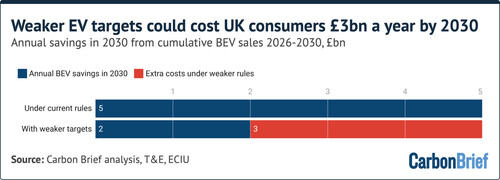
Oliver Brown · 6 months ago@oliverbrown98Switching to Heat Pump Water Heaters Could Save $8 Billion Annually in Health Care Costs Liked by+82 othersPost commentRelated PostsWhy Cheap Engine Oil Filters Could End Up Costing You Dearly 37 · Oliver Lavoie · 1 months ago5 ways you can save money on gas as prices rise at the pump 97 · Sophie Macdonald · 6 months agoA Startup Enters The Heat Pump Water Heater Space Focused On A Smart Water Heater 86 · Justin Brown · 6 months agoA Little-Known Rule Could Cost UK Drivers Over $6,000 91 · Kayla Lewis · 1 months agoCar Color Decision Nobody Thinks About Could Cost You $5K in Resale Value 18 · Justin Martin · 1 months agoAnalysis: Weaker EV Targets Could Cost UK Consumers £3 Billion a Year by 2030 83 · Evan Johnson · 2 months agoZoox Robotaxi Skips The Human Driver, But Could Cost More Than An Uber 78 · Nicole Brown · 2 months ago10 Car-Buying Mistakes That Could Cost You Thousands and How to Avoid Them: Car Salesman Confidential 91 · Mia Leblanc · 2 months ago10 Car-Buying Mistakes That Could Cost You Thousands and How to Avoid Them 56 · Charlotte Wilson · 2 months agoLittle Known UK Driving Rule Could Cost Motorists Over $5,000 23 · Lucas Fortin · 2 months agoIn California, a new meter could turn parked EVs into backup power without a costly rewire 82 · Daniel White · 3 months agoYour Next Oil Change Could Cost A Lot More Than You're Ready For 57 · Victoria Morgan · 3 months agoSmart Energy Management Research Could Unlock Grid Flexibility & Cost Savings 89 · Abigail Fortin · 3 months agoVolkswagen’s Cost-Cutting Crusade Could Doom Jetta, Porsche Taycan and 718: TDS 87 · Charlotte Nelson · 3 months agoVolkswagen’s Cost-Cutting Crusade Could Doom Jetta, Porsche Taycan and 718 90 · Henry Mitchell · 3 months agoAs car costs rise, the US could miss the 'golden age' of cheaper, better EVs 55 · Justin Leblanc · 3 months agoThe Slate Truck Could Still Cost Under $20,000 Thanks To State EV Incentives 55 · William Pelletier · 3 months agoThese Myths About MPG Could Be Costing You At The Pump 66 · Matthew Martin · 4 months agoYour EV Could Make You Money While It's Parked, But Might Cost You In The Long Run 57 · Nicole Pelletier · 4 months agoJapanese Automakers Could Be Dealing With $40 Billion In Added Costs Thanks To Trump's Policies 31 · Connor Macdonald · 4 months ago




 +82 others