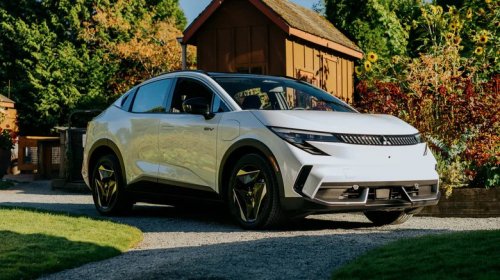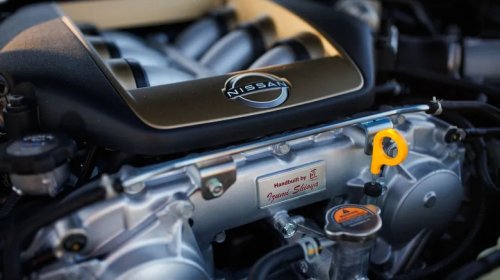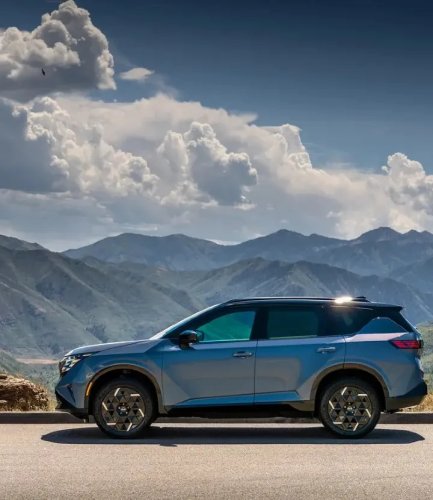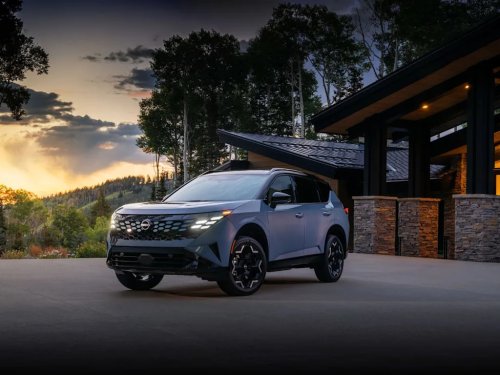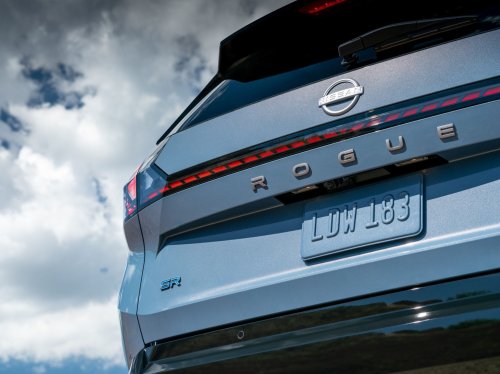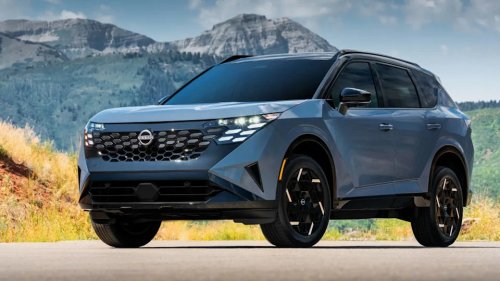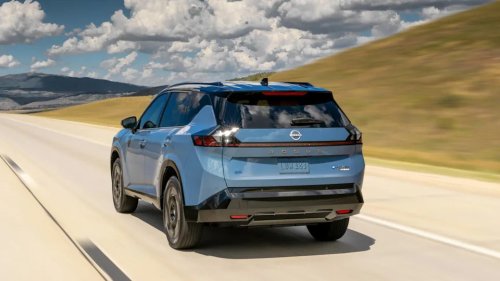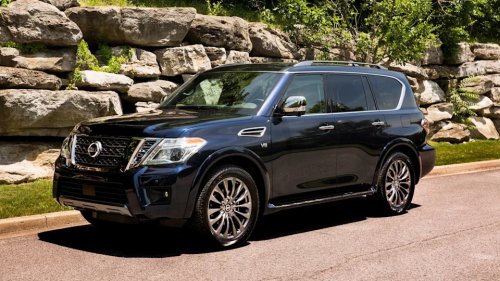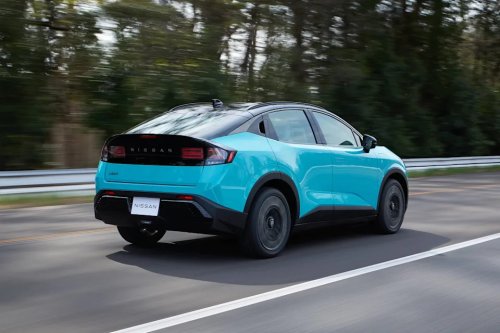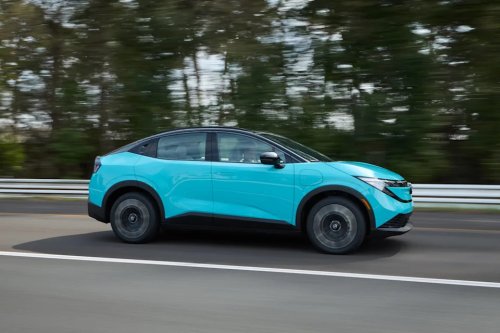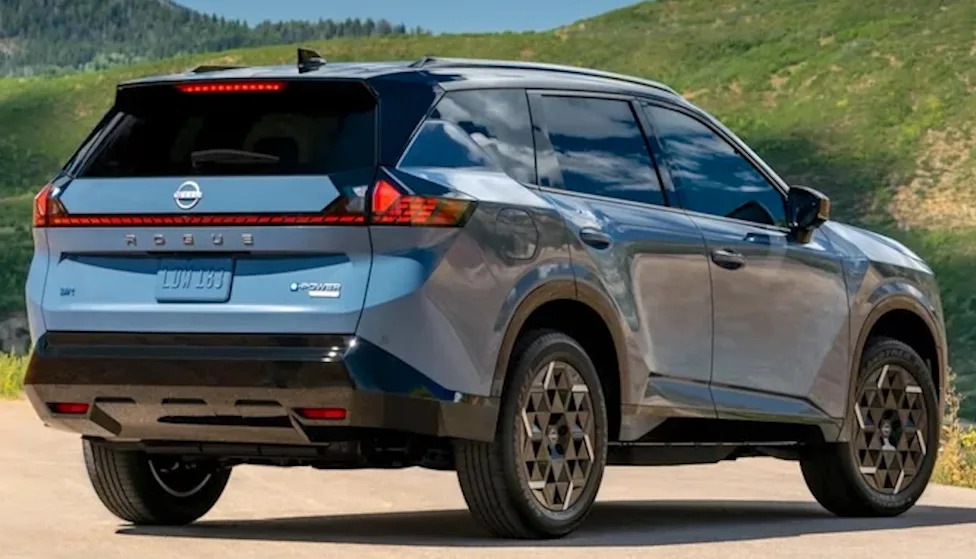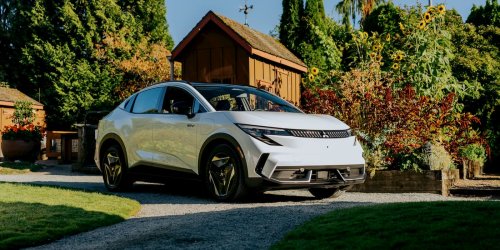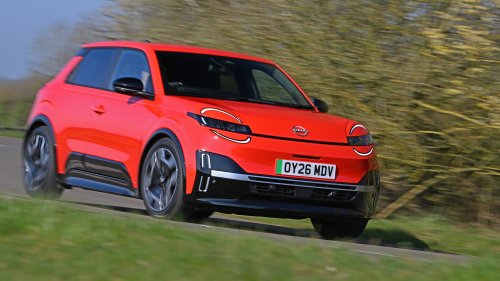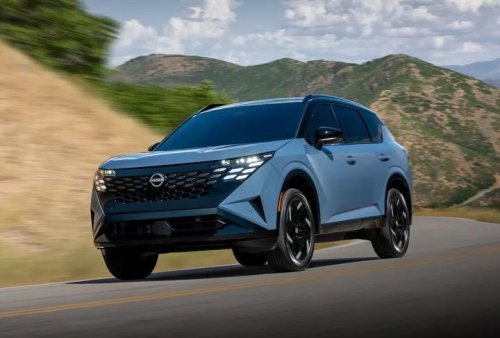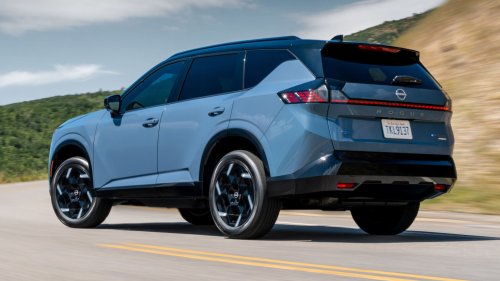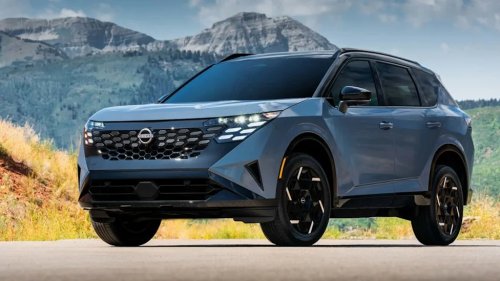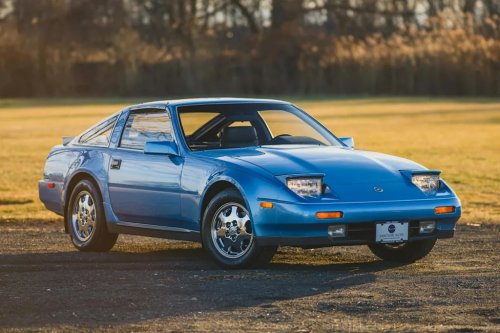
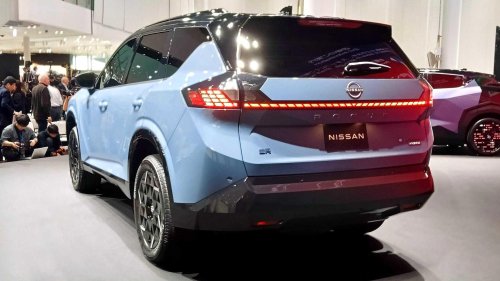
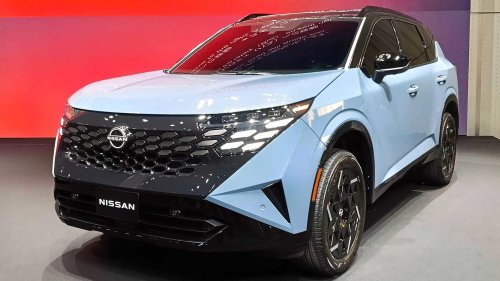



















You are probably not going to be happy hearing this, but the future of combustion may not arrive with a louder exhaust, a bigger bore, or a hero shot of pistons punching at redline. It may arrive as a smaller, quieter machine that works offstage, doing its job while another system gets the applause. That sounds cruel to anyone who grew up loving intake growl, but the next great engine story may be about restraint.The problem is not that gasoline engines forgot how to make power. They can still shove heavy SUVs, scare tires, and turn fuel into noise with old-school charm. The problem is that the modern car asks one engine to do too much, all the time. Nissan is developing a new way to keep combustion useful by giving it less drama, fewer jobs, and a better reason to exist in an electrified world. The Combustion Engine’s Biggest Problem Is No Longer Power Toyota For most of the car’s life, the engine stood at the center of the whole machine. It pulled away from lights, crawled through traffic, climbed hills, passed trucks, hummed on the highway, warmed the cabin, and entertained the driver. Engineers tuned it to idle without shaking, rev without complaint, sip fuel during a cruise, and still kick hard when a right foot demanded trouble. Asking one engine to do all of that has always been a little like asking one wrench to rebuild a transmission, flip a burger, open a soda, and somehow pass an emissions test before lunch.Modern gas engines have become absurdly capable. Turbocharging, direct injection, variable valve timing, high compression, and clever cooling systems have let small engines make power numbers that once needed two extra cylinders and a gym membership. A 1.5-liter three-cylinder can now push a family crossover with the confidence of a much larger engine, at least on paper. Power no longer looks like the weak link — efficiency does — especially when the engine must chase every little change in speed, load, temperature, and driver mood.Traffic makes that flaw obvious. An engine wastes energy while it idles, then burns more fuel to pull a heavy vehicle from a stop, then settles briefly, then repeats the whole routine because the car ahead just remembered it had brakes. Highway driving adds a different headache. The engine may run steadily, but it still needs to sit in a useful rpm range, handle hills, respond to passing, and keep noise out of the cabin. Enthusiasts may love a good climb to redline, but commuters at 7:42 a.m. mostly want the engine to stop clearing its throat and let the coffee do the shaking. Electric motors make that low-speed part look easy because they create strong torque right away.That creates the real problem. Combustion now needs to prove that it can stay relevant when electric motors feel smoother, quieter, and quicker at low speeds. If gas engines keep trying to beat EVs at the exact things EVs do best, they give up home-field advantage. A better plan gives the engine a narrower role and lets it work where it can shine. The best future for pistons may involve fewer heroic revs and more boring, efficient hours. Boring can win races, too, ask any endurance team with good tire management. Nissan’s Answer Starts By Taking The Engine Out Of The Spotlight NissanNissan's unusual answer starts with a simple but strange idea. Keep the gas engine, but stop letting it drive the wheels. The engine still burns fuel and still has pistons and spark plugs and all the tiny explosions that make car people smile. Yet it no longer has to match wheel speed, shift points, or the driver’s ankle twitch. It takes a generator job.In this layout, the electric motor handles the actual driving. It sends torque to the wheels, so the vehicle pulls away with the clean, immediate feel people expect from an EV. The gasoline engine runs when the system needs electricity, feeding the motor and battery rather than sending crankshaft torque through a normal driveline. Nissan says its system gives drivers electric-style response without asking them to plug in, because the car refuels at a gas station like a normal combustion vehicle. The result aims for a familiar ownership loop with a less familiar mechanical path underneath. It feels like a regular car at the pump and a more electric one at the pedal.That distinction is what defines Nissan’s new layout. Many hybrids blend engine power and electric power through gears, clutches, or planetary magic. Those systems can work brilliantly, but the gas engine still joins the driving act at least some of the time. Nissan's strategy changes the casting. The engine supports the show, the motor does the moving. That may sound less romantic, but romance has never raised a thermal efficiency number. Nissan’s Third-Generation e-Power Is The Strategy Ayesh Seneviratne / HotCarsThe name for this system is e-POWER, and Nissan’s third generation gives the idea its sharpest shape yet. It is being described as an electric-drive hybrid because a high-output electric motor drives the vehicle, while the onboard gasoline engine generates electricity for the battery and motor. The company launched the latest version in Europe for the Qashqai crossover, with availability starting in September 2025, and plans to bring third-generation e-POWER to North America in the next-generation Rogue in fiscal year 2026.The layout sounds simple, but Nissan has rebuilt a lot around it. The latest system uses a purpose-built engine that focuses on power generation instead of normal wheel-driving duty. Nissan says this lets engineers control engine activation and operating range more freely than before. A normal engine has to cover city creep, highway pull, cold starts, quick passes, and everything in between, but a generator engine can spend more of its life near the conditions where it works cleanly and calmly. That narrower job may become the whole secret sauce, turning combustion from a jack-of-all-trades into a specialist with a desk, a schedule, and fewer reasons to yell.The hardware also gets tidier. Nissan’s new 5-in-1 modular powertrain unit combines the electric motor, generator, inverter, reducer, and increaser into one compact package. That packaging helps cut loss, improve current flow, and reduce vibration because the pieces can work as a more rigid, precise unit. Nissan also uses a flat wire motor coil and a double-sided cooled inverter to improve output and efficiency, especially when speeds rise. In plain English, fewer scattered parts do less arguing with one another. Family dinners should try this.The engine side brings the more nerdy candy. The new e-POWER engine uses a 1.5-liter turbocharged three-cylinder design dedicated to this job, along with Nissan’s STARC combustion concept. The company says that setup lifts thermal efficiency to 42 percent by stabilizing combustion inside the cylinders. A larger turbo lets the engine run about 200 rpm lower during highway driving, and Nissan also switched to low-friction 0W-16 oil. The previous system used variable compression, one of Nissan’s great mechanical party tricks, but the new setup no longer needs it. When engineers can remove a clever part and still improve the result, they have usually found something important. STARC also uses strong in-cylinder tumble flow, which is less exciting than a boost gauge but much more useful when the engine’s main job is clean, steady generation. This Could Be Bigger Than A Normal Hybrid Upgrade Ayesh Seneviratne / HotCars The important part is not the badge. Automakers have slapped hybrid badges on so many tailgates that the word can now mean almost anything, from a tiny assist motor to a plug-in system with a battery big enough to make a wall charger sweat. e-POWER is important because it changes the engine's job description. Instead of acting as a direct extension of the throttle pedal, the engine can act more like a power plant that happens to fit under a hood. That shift sounds subtle, but it attacks the awkward middle ground where many hybrids feel busy, buzzy, or too eager to announce their own cleverness. The best hybrid systems disappear into the drive. Nissan seems to understand that silence can be a feature, not a lack of character.That gives the automaker room to tune for calm instead of constant compromise. Since the motor delivers the drive, the gas engine can run when the system needs it and avoid some of the ugly moments that make combustion feel old.Gerhard Horn / CarBuzz / Valnet The battery stays small, too. Nissan lists the Qashqai’s latest pack at 2.1 kWh, so the car avoids the weight and cost of a large plug-in battery while still giving the motor a buffer. That makes the system less about storing miles and more about managing flow. It treats electricity like a constantly moving stream rather than a big reservoir.That last point should interest enthusiasts more than it first seems. Weight still matters, and so does throttle feel and the way a car leaves a corner, climbs a grade, or surges into a gap without a transmission playing “guess the gear.” A series hybrid will not replace a manual Z on a Sunday morning, and nobody should pretend otherwise. But in the crossovers and daily drivers that keep automakers alive, it could make the gas engine useful without making the whole car feel like an appliance that forgot to warm up. The Future Of Combustion May Be A Smaller Job Done Better Gerhard Horn / CarBuzz / Valnet Let's make this clear. Nissan has not "saved" the combustion engine yet. No single system can do that, and the claim would sound like something printed on a dealership balloon. EVs will keep improving, batteries will get cheaper, and charging will spread. Regulations will keep squeezing tailpipes in many markets, which means combustion still faces the same wall it faced yesterday, only with a fresh coat of paint and maybe a sternly worded policy memo taped to it. What Nissan may have found, though, is one of the clearest ways to keep combustion relevant. Stop making it behave like the main event.Engines do their worst work when drivers ask them to idle, lug, surge, and spin through messy conditions all day. They do better when engineers control their load, speed, and temperature. That has always been true. e-POWER simply turns that truth into a whole vehicle strategy instead of a footnote in an engineering presentation. The engine can become a steady generator, the motor can become the driver’s main connection, and the car can stop forcing one machine to be everything to everyone. It is specialization, and engines have needed a little career counseling for years.The move also fits the messy middle of the market. Plenty of drivers like the feel of EVs but cannot charge at home, do not trust public charging, or do not want to plan long trips around plugs. Nissan promises no plug, standard Intelligent All-Wheel Drive, e-Pedal capability, and the third generation of a system that it says has reached nearly 2 million global sales since 2016. That does not make it a purist’s dream, sure, but it makes it a practical bridge, and bridges matter when the river keeps moving. The car business needs more bridges and fewer shouting matches. It also needs cars that make sense before buyers need a spreadsheet and a charging map.Source: Nissan