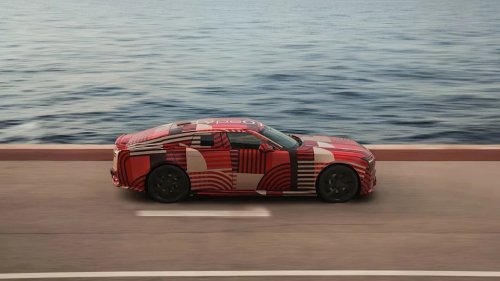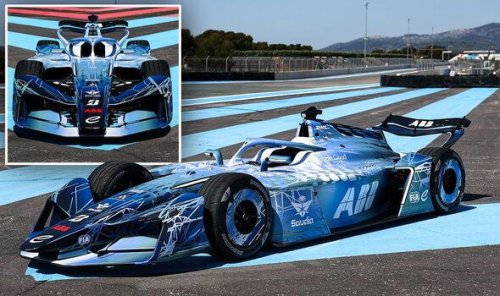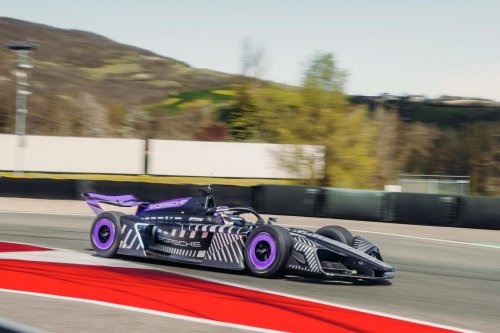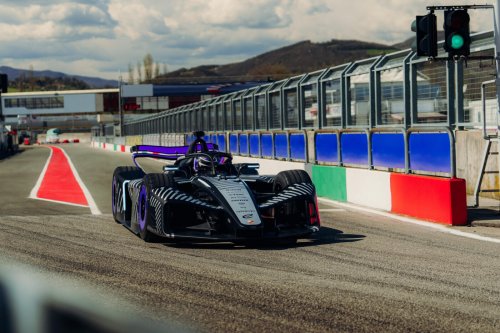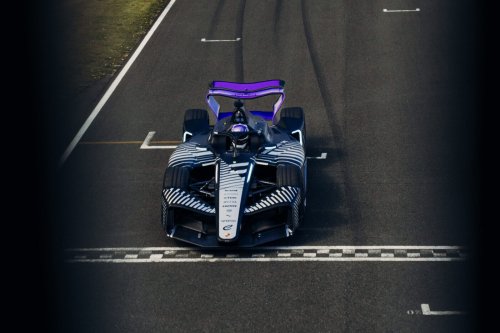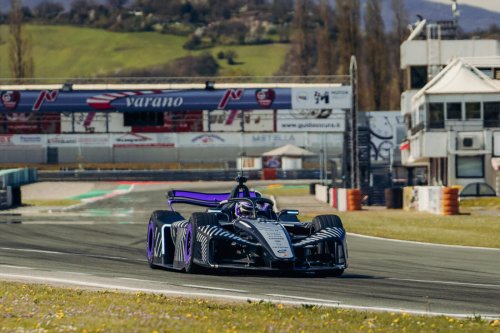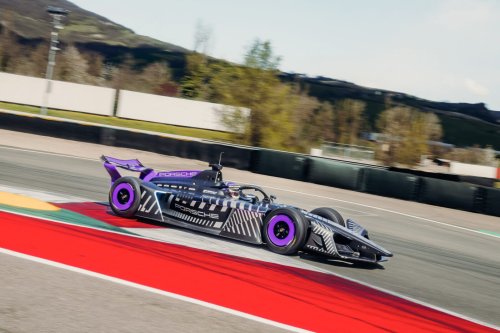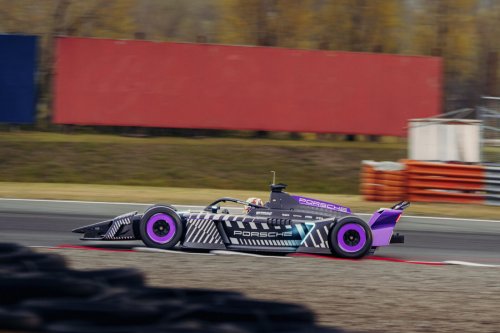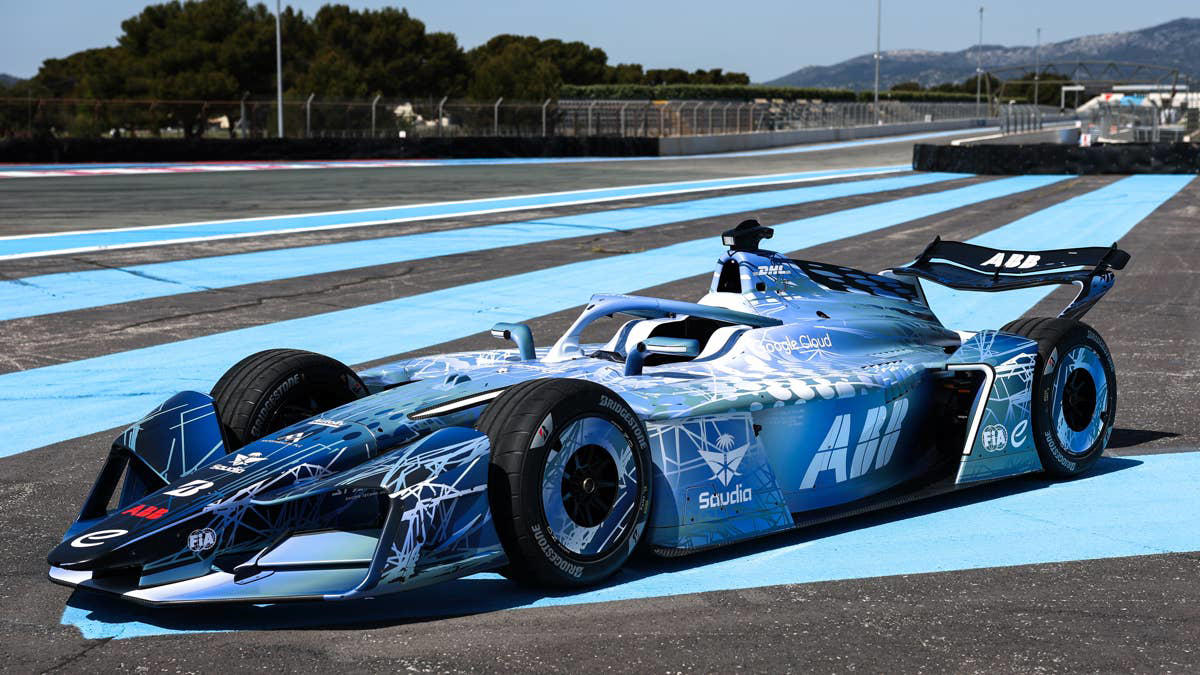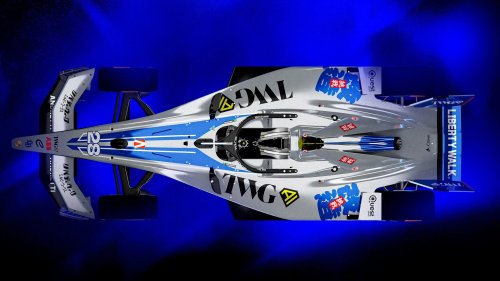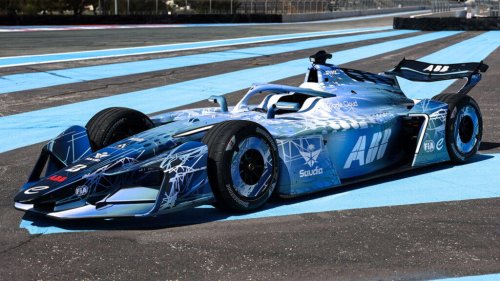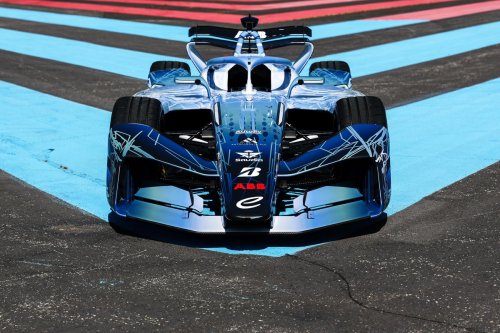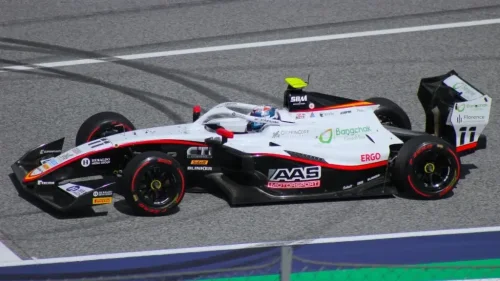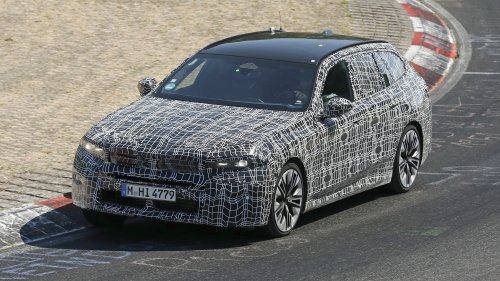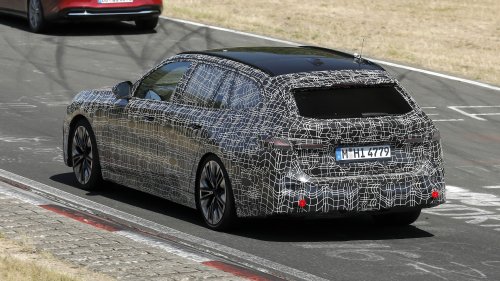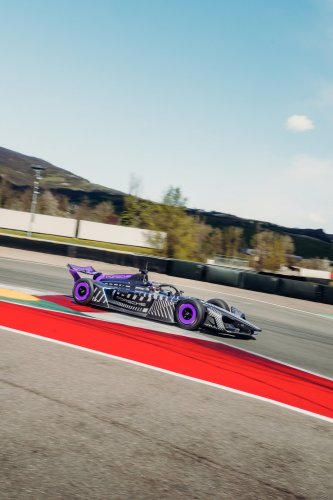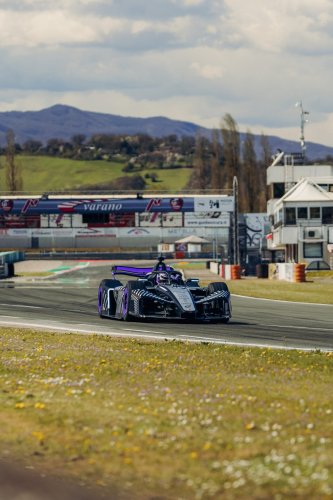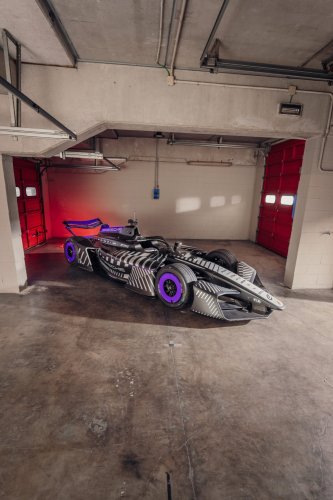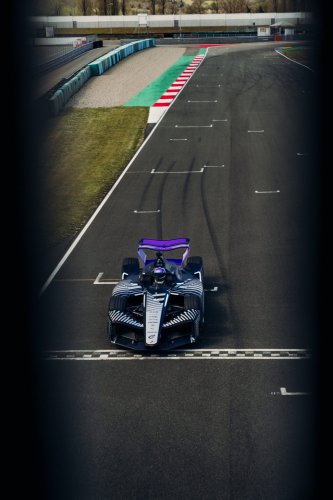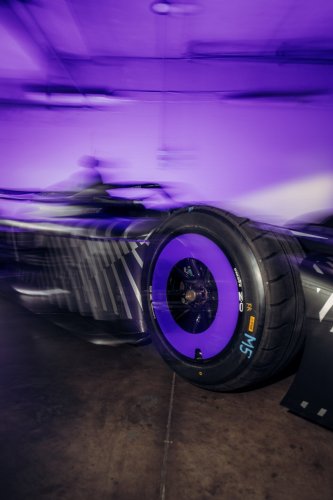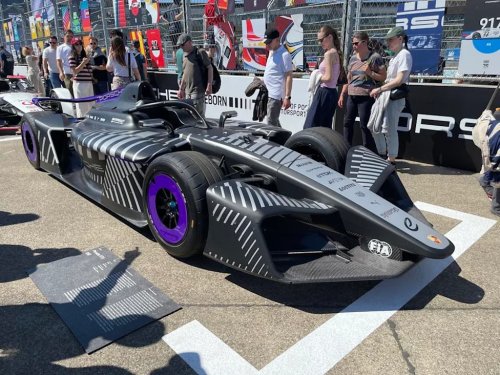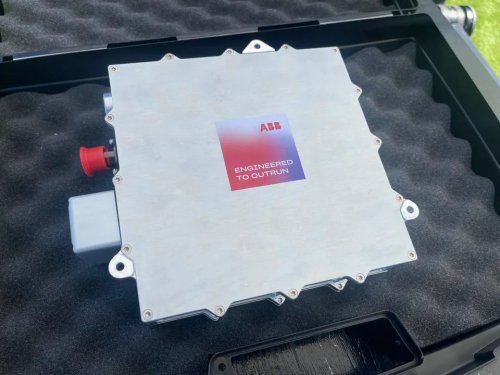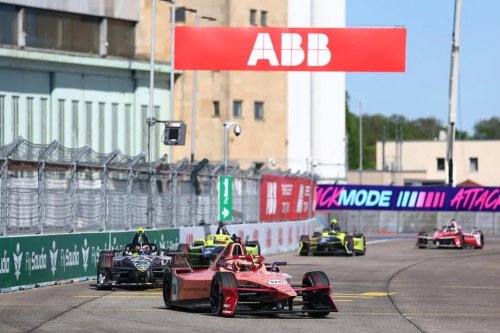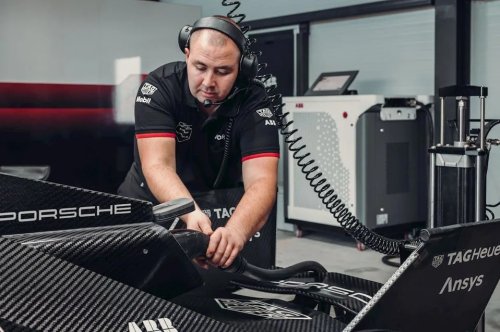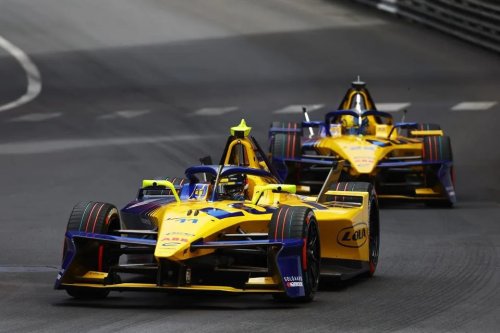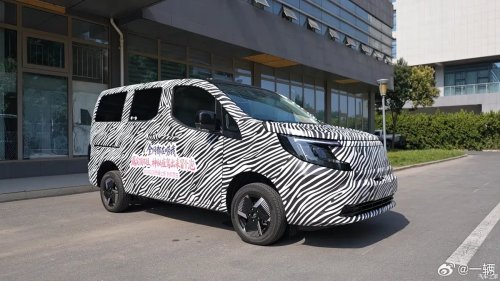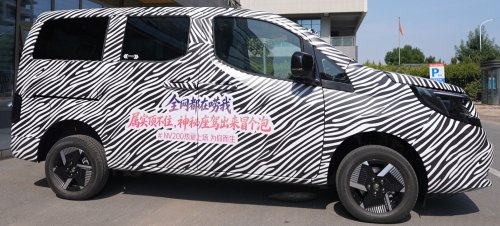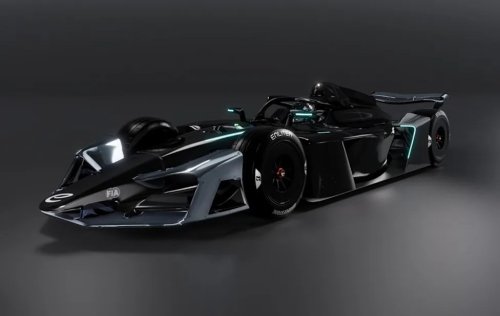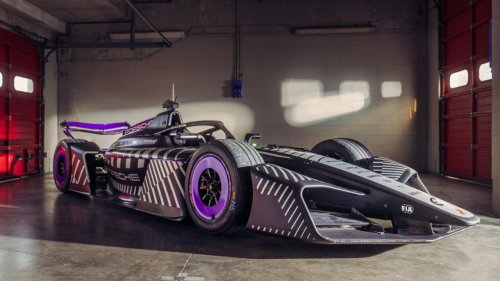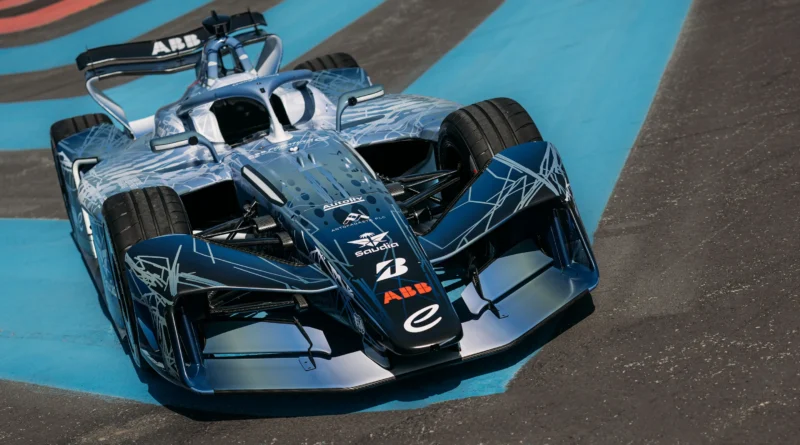


















The most powerful single-seater in Formula E history made its public track debut this week at Circuit Paul Ricard, where the series’ incoming GEN4 machine gave onlookers their first unfiltered look at a car that former champion Jake Dennis has already described as an “absolute beast.” The testing sessions in the south of France marked a watershed moment for the all-electric championship. As the car accelerated down the Mistral Straight, the generational leap over the current GEN3 was difficult to ignore. The GEN4 has been officially timed at 0 to 100 km/h in 1.8 seconds — a figure that puts it ahead of a modern Formula 1 car off the line. What makes that number possible is, in part, a fundamental shift in how the car puts power to the ground. The GEN4 is the first single-seater in FIA history to feature permanent all-wheel drive, a system that allows drivers to deploy up to 600 kW — the equivalent of 816 PS — without the wheelspin that characterized earlier generations of the car. Watching the test cars exit slow corners, the grip advantage over the current machine was visually striking. Despite its aggressive performance profile, the GEN4 carries strong environmental credentials that are central to Formula E’s identity. The car has been designed as what the series calls a “circular” machine: its bodywork incorporates recycled carbon fiber, its battery is free of rare earth minerals, and it is certified as the world’s first 100% recyclable race car. Citroën Racing grabbed headlines away from the raw performance data when it unveiled a bold red-and-black camouflage livery during the test sessions. The design drew an immediate response from fans, many of whom called for the team to carry it into competition. The team, however, clarified that the livery is transitional — a placeholder as they prepare a new identity rooted in French heritage ahead of Season 13. Berlin Looms With the GEN4 tests concluded, the paddock’s attention has snapped firmly to the present. Teams are now preparing for the Berlin E-Prix double-header at the historic Tempelhof Airport on May 2 and 3, 2026, a venue that has developed a fearsome reputation among engineers and drivers alike. Tempelhof was built in the 1920s to accommodate aircraft, not 200 km/h electric racing cars, and its concrete apron surface is one of the most punishing in the calendar. Unlike the smooth asphalt of most circuits, Berlin’s concrete slabs are highly abrasive, generating extreme tire wear and heat that demand careful management throughout a race. Teams including Jaguar TCS Racing and Porsche have been logging significant simulator hours this week, working to decode what engineers have quietly taken to calling “tire whispering” — the precise art of preserving rubber across a surface that degrades it faster than almost anywhere else on the schedule. The championship picture heading into the German capital is tighter than it appears on paper. Pascal Wehrlein arrives as the points leader on 83 points, but he faces pressure from two directions. Edoardo Mortara sits second in the standings with 72 points, while Antonio Felix da Costa enters Berlin as arguably the form driver in the field after a dominant victory in Madrid. Da Costa will be looking to leverage Jaguar’s well-documented efficiency advantage to climb the standings across the two races. Energy management will be as decisive as outright pace. Tempelhof is notorious for its long, flat sections that invite slipstreaming battles deep into races, and the strategic cost of leading early is well understood in the paddock. Drivers who build a gap in the opening laps frequently find themselves short of energy when it matters most, turning the final lap into a calculation as much as a contest. With the GEN4 having confirmed its promise on French asphalt, the series now turns to the gray concrete of Berlin, where the 2026 title fight looks set to take its most dramatic turn yet.