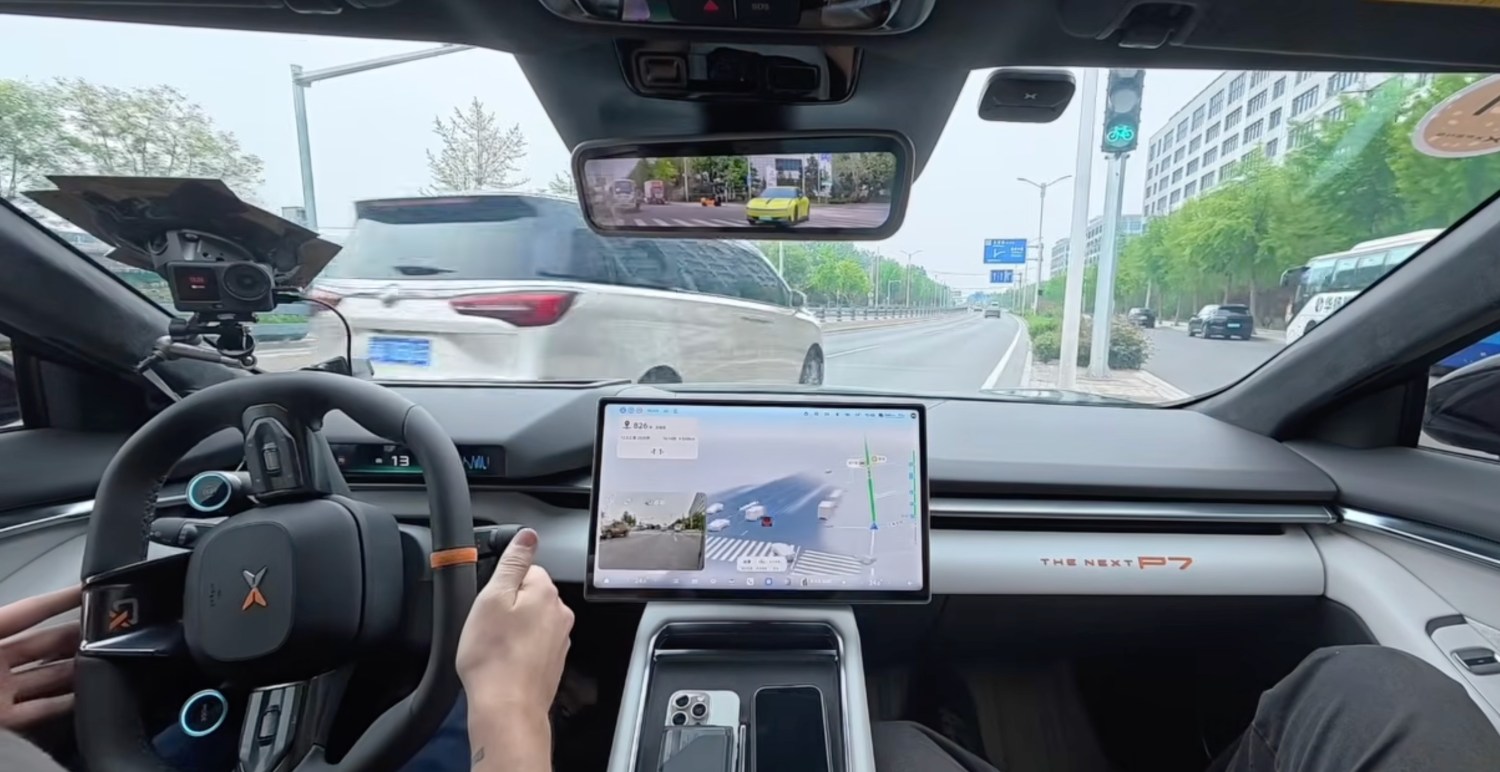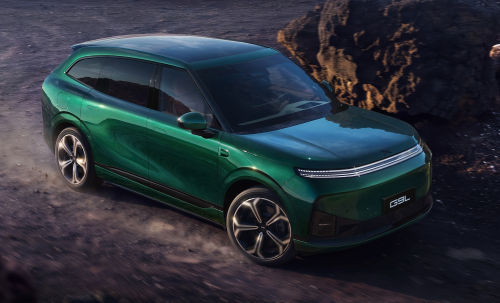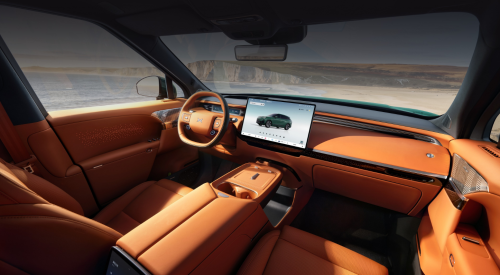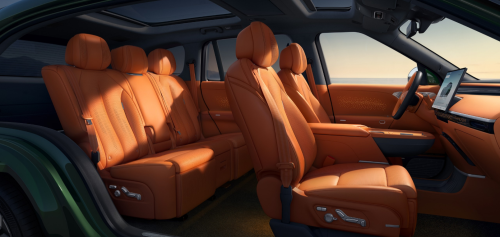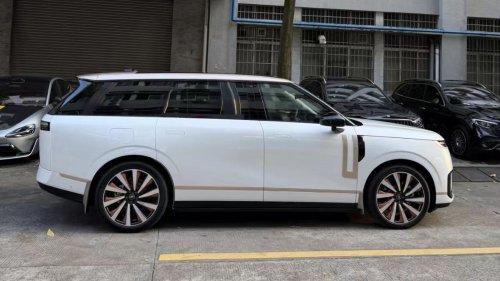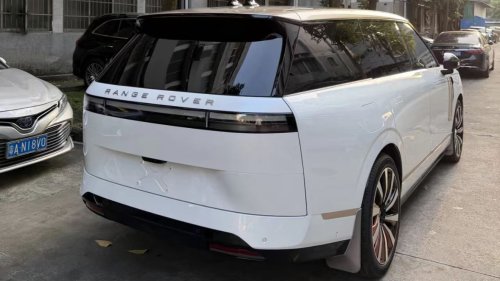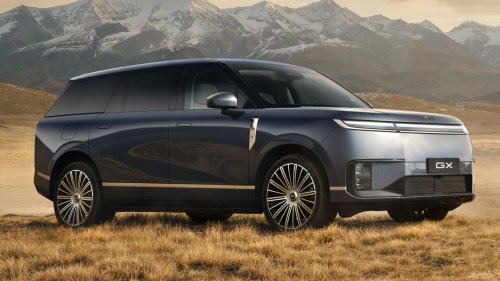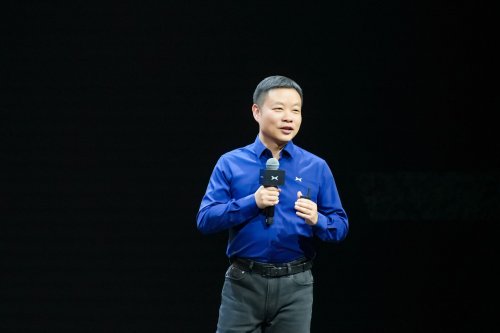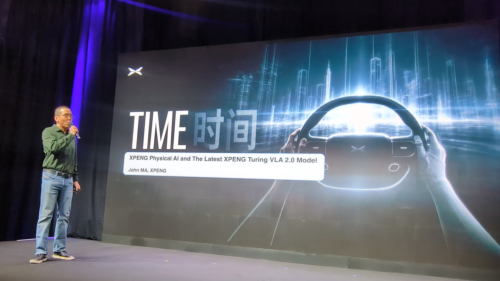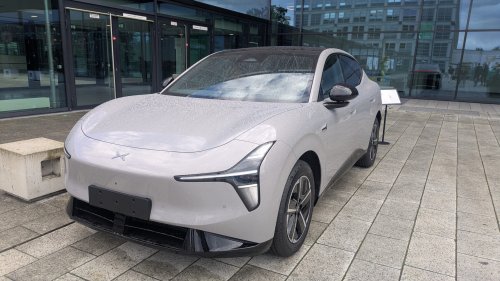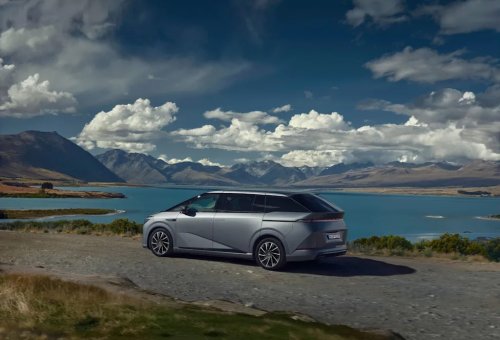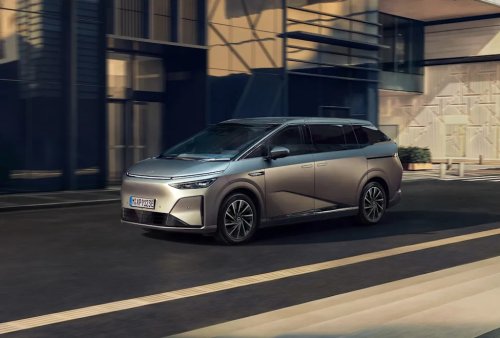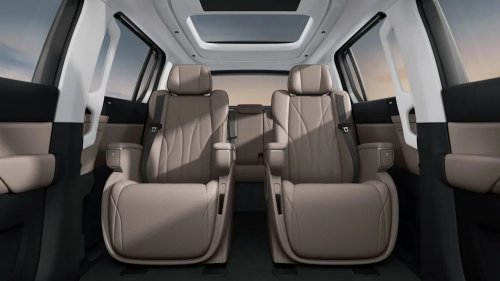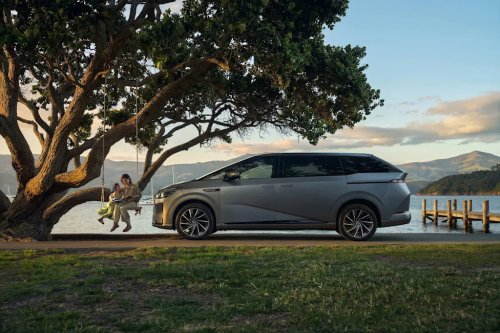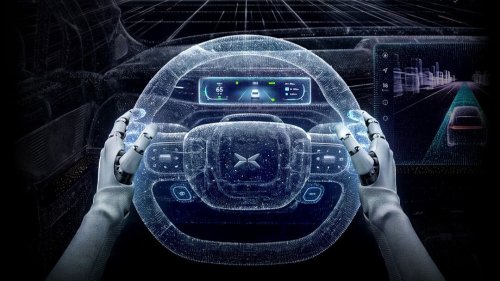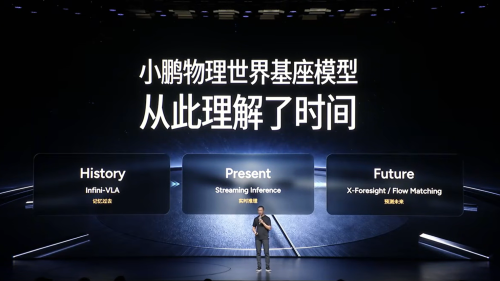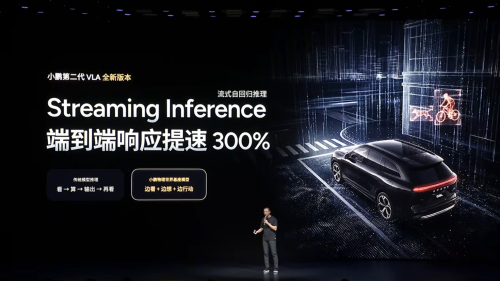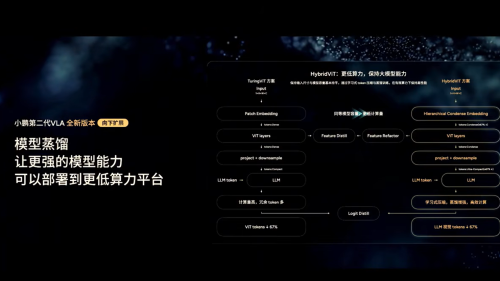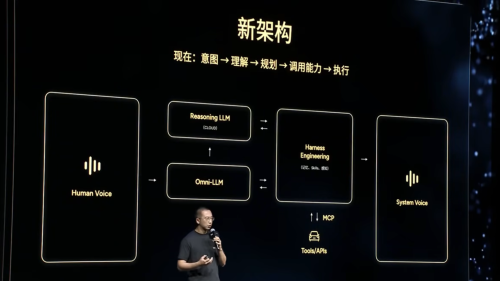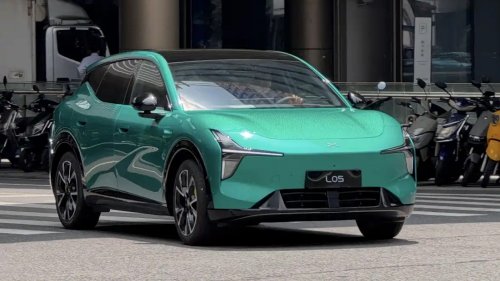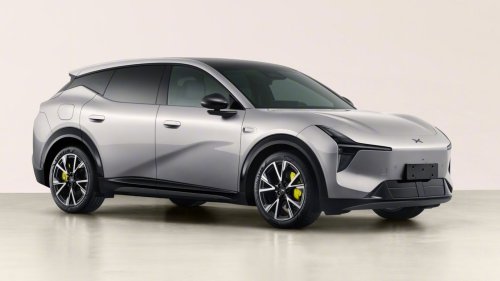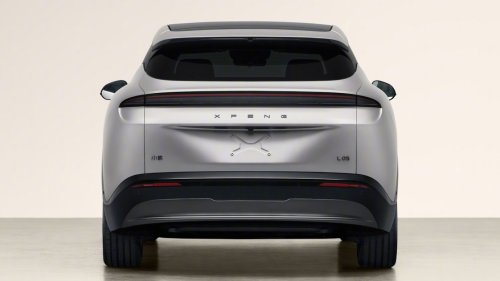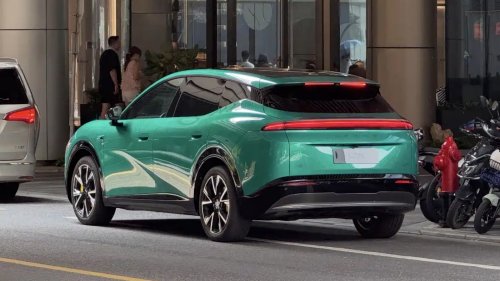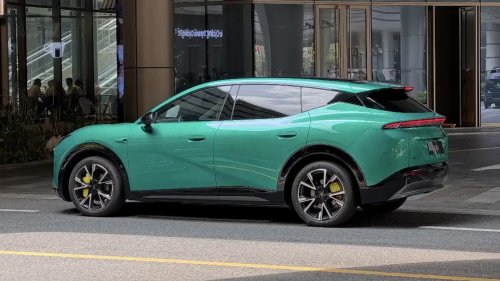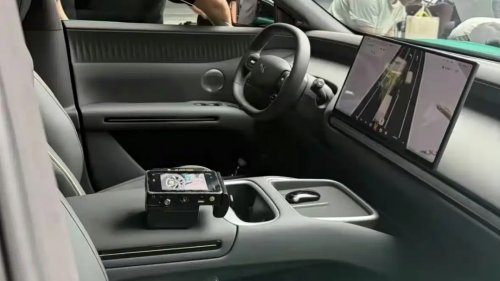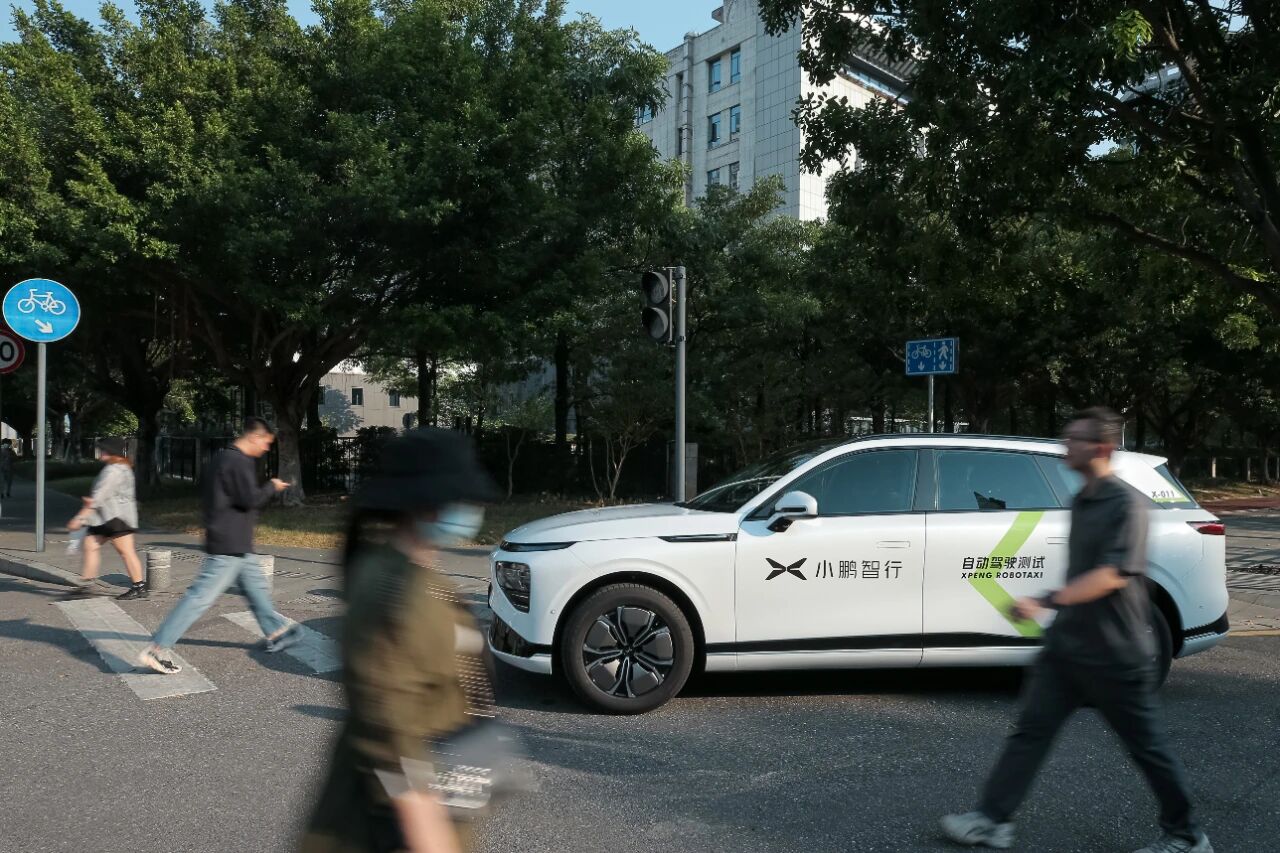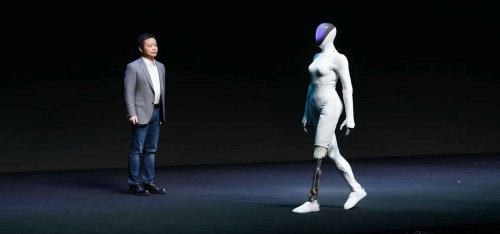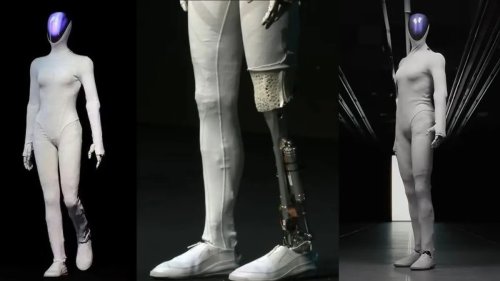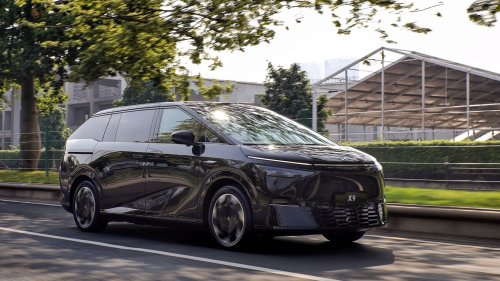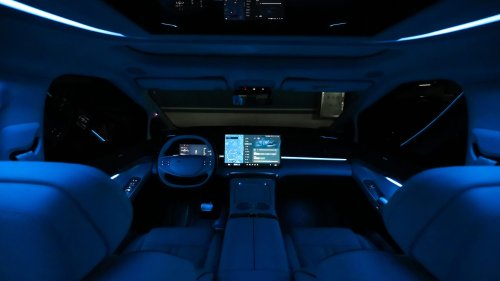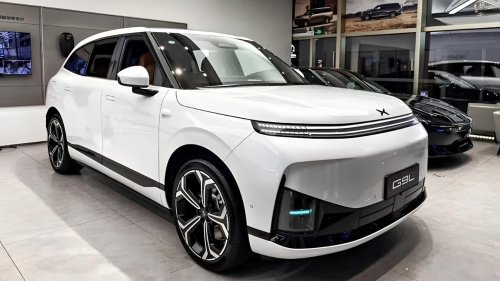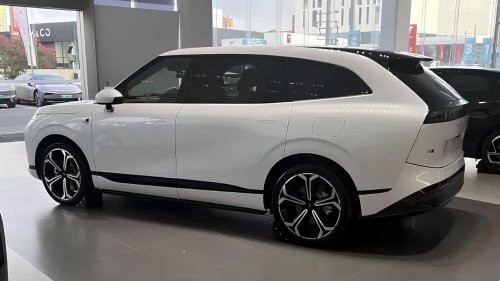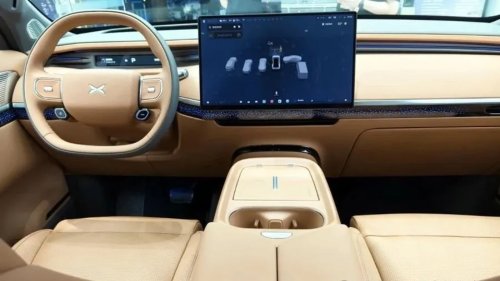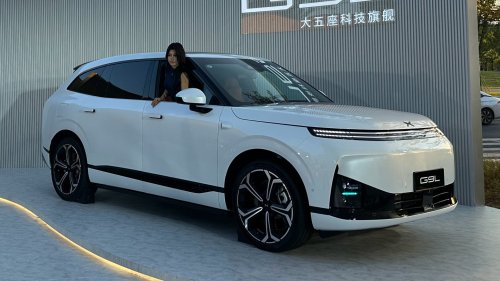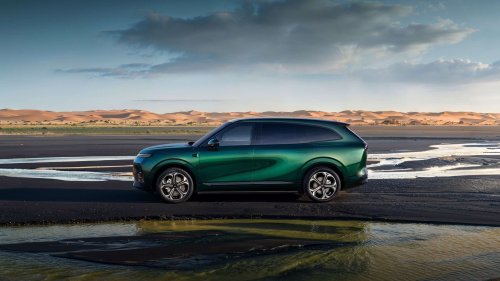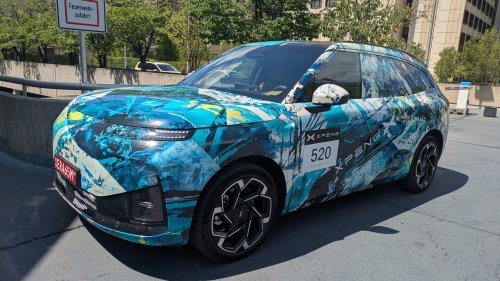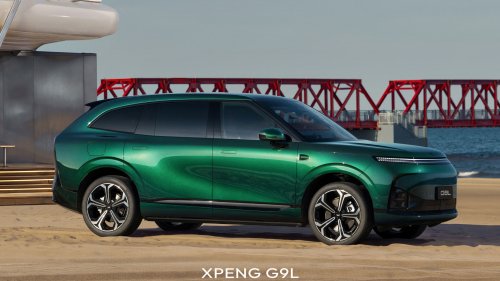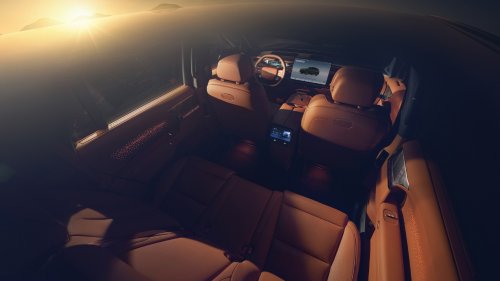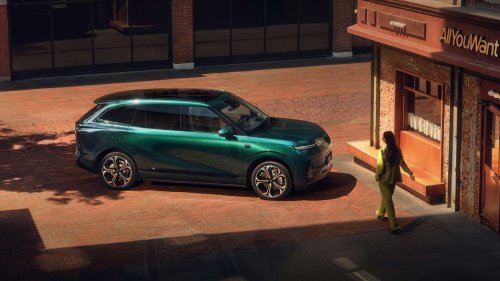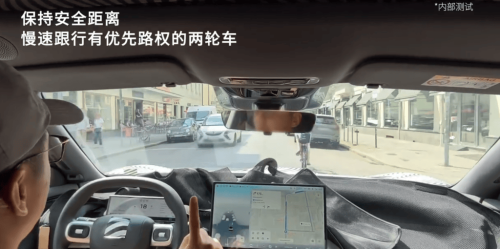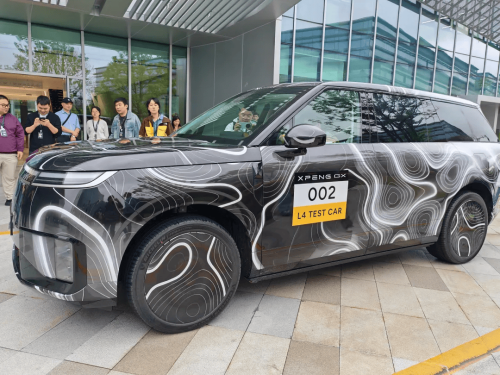
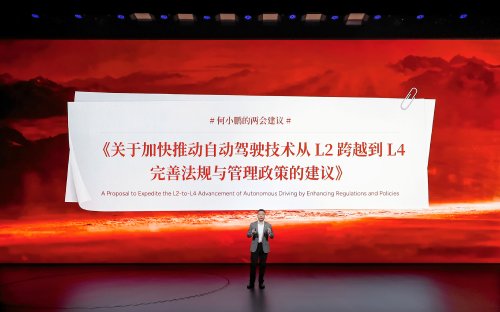
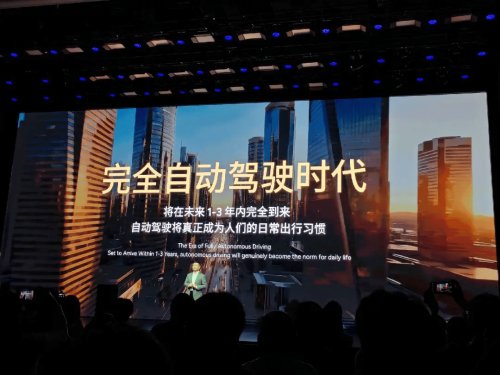
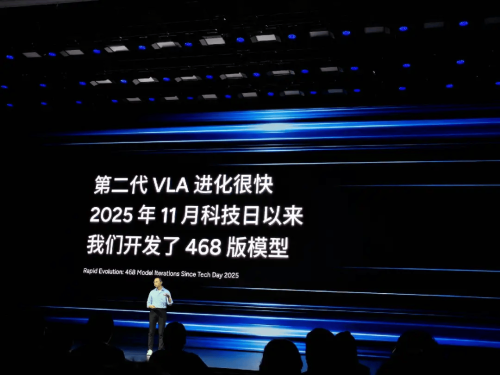
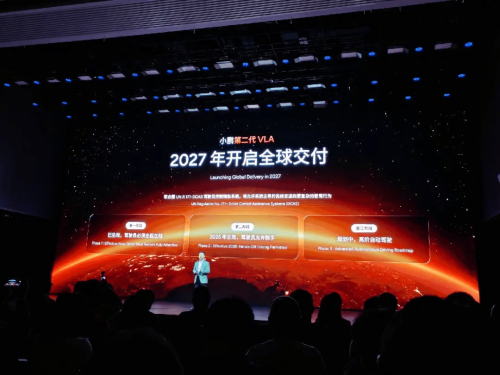
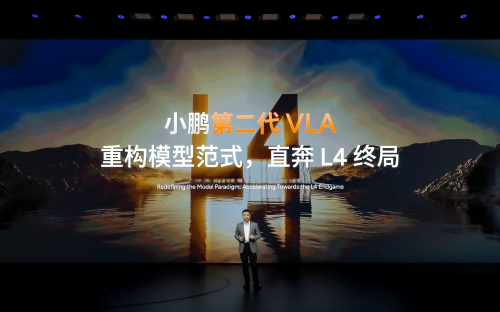




















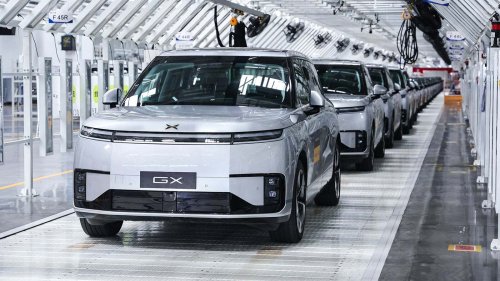
Xpeng unveiled its second-generation VLA, aiming to skip L3 and advance to L4 autonomous driving capabilities. ChinaEV Home was invited to attend Xpeng’s media event for the launch of its second-generation VLA at its headquarters yesterday, witnessing a lightly camouflaged Xpeng GX at the entrance. On the body of the more-than-5.2-meter-long six-seat SUV was an English label reading “Xpeng GX L4 Test Vehicle 002,” revealing another identity of the model. Xpeng GX for L4 test Earlier, Xpeng had unveiled its second-generation VLA driver assistance system, described by the company as “the first version delivered for the era of L4 fully autonomous driving.” For Xpeng, the second-generation VLA is not only a key capability to gain greater initiative in advanced driver assistance, but also a strategic asset for expansion into overseas markets, humanoid robots, Robotaxi services and flying vehicles. From the perspective of driver assistance alone, Xpeng Chairman and CEO He Xiaopeng offered an unusually strong endorsement: “Based on our internal comparative testing, I believe it is nearly five times ahead of the industry’s top-tier players.” What underpins that confidence, and what changes could the second-generation VLA bring to Xpeng? Jumping From L2 Directly to L4? The first question in the group interview cut to the core: Why recommend at China’s annual legislative meetings that the industry skip L3 and move directly to L4? Is this confidence in technological leadership, or a different calculation? He’s response was concise: “I believe L3 is close to L2 in capability, because responsibility still lies with the driver. From L4 onward, there is a new primary responsible entity. Given today’s global technological development, the next step after L2 should be L4. Inserting L3 in between poses challenges for hardware, software and regulation. So I suggest China should have L2 and L4, and skip L3.” Xpeng CEO He Xiaopeng presents the advice for L2-to-L4 shift Liability allocation in accidents under assisted driving has long been a point of tension between automakers and users, and is widely seen as a key constraint delaying L3 regulatory rollout. Xpeng’s push to bypass L3 and accelerate toward L4 is grounded, in its words, in a “paradigm revolution” brought by second-generation VLA. Traditional L2 systems rely heavily on engineers writing extensive rule sets to handle myriad scenarios. Yet real-world long-tail problems can never be exhaustively covered by rules. A simple example is overseas expansion. To deploy Xpeng’s assistance system abroad requires not only regulatory approval and understanding of local traffic laws, but also adaptation to driving habits. More critically, changes in roads or regulations impose substantial costs—particularly overseas. Rules can never fully capture the long tail of real-world complexity. He described the rule-based approach as “carving details inside a tiny shell,” underscoring its difficulty and expense. Against that backdrop, Xpeng says its second-generation VLA abandons rule-driven logic entirely in favor of a model-driven approach, using a native multimodal foundation model that takes sensor data as direct input and outputs driving decisions. Xpeng CEO He Xiaopeng speaks at the media event Liu Xianming, head of Xpeng’s General AI Center, said the company is building AI rather than a narrowly defined autonomous driving system. “We build it the way AI models are built, adding as little extra as possible,” he said, laying the groundwork for L4-level full-scenario capability. In official communications, the system’s capabilities have been framed ambitiously. At the launch event, He cited an example: a veteran driver with decades of experience and deep familiarity with Guangzhou roads said after testing the system that its understanding of the city was no less than his own. In demonstrations widely circulated online, the system autonomously yielded to ambulances with full self-start and stop, and identified and avoided deep potholes on rural roads at night—without demanding excessive takeovers or unnecessary deceleration for the sake of safety metrics, reflecting more reliable, efficient and comprehensive performance. Xpeng CEO He Xiaopeng speaks at the media event Iteration efficiency and scaling efficiency are also key measures of an assistance system’s strength. Although not yet fully at L4 level, since Technology Day on Nov. 9, 2025—120 days ago—the second-generation VLA has undergone 468 iterations. Liu added that even without any overseas data training, the system “already possesses strong capabilities.” Charging Model to Change? If the second-generation VLA performs as impressively as claimed, its significance for Xpeng extends beyond strengthening its voice in China’s driver assistance narrative. It could also open two new revenue channels. These are overseas expansion and technology monetization. Beyond logistics costs, infrastructure investment, potential trade barriers and local driving habits, intelligent capability localization has been a persistent obstacle for Chinese NEVs going global. Xpeng CEO He Xiaopeng speaks at the media event Previously, because overseas markets lacked scale and localization costs for intelligent features were high, Chinese NEVs abroad often delivered limited smart functions. Viral social media clips showed Chinese tourists activating Chinese-language voice assistants overseas to the surprise of drivers, while foreign ADAS enthusiasts complained about unavailable features. With its end-to-end architecture, the second-generation VLA holds greater promise of adapting to overseas road environments and enabling Xpeng to offer its products’ full functionality abroad, enhancing competitiveness. Technology monetization is another avenue. Xpeng has repeatedly noted that Volkswagen is the first customer for the second-generation VLA. At yesterday’s launch, He said several other companies are in talks to adopt the system, potentially creating another revenue stream. Against this backdrop, He said that in overseas markets, once assisted driving upgrades to L4 or higher, it is “highly likely” that payment models will shift from one-time fees to monthly subscriptions. “Not everyone, not 100% of people, needs automated assisted driving,” he said, describing it as an important trend. Xpeng CEO He Xiaopeng speaks at the media event Even in China, such a shift could eventually occur. While domestic users may continue to receive free OTA updates in the short term, the arrival of L4-level autonomy could naturally usher in software subscription models over the longer term. For now, however, in China’s intensely competitive market, the likelihood of near-term changes to pricing models appears limited. Whether this leap will succeed will soon be tested by the market. After all, the GX bearing the “L4 Test Car” label is already undergoing road trials.