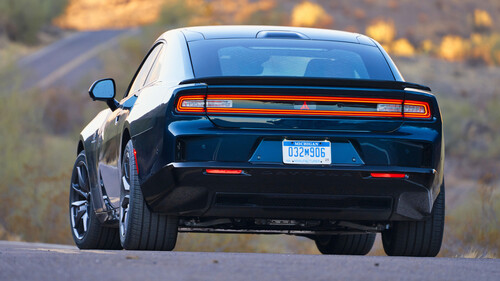
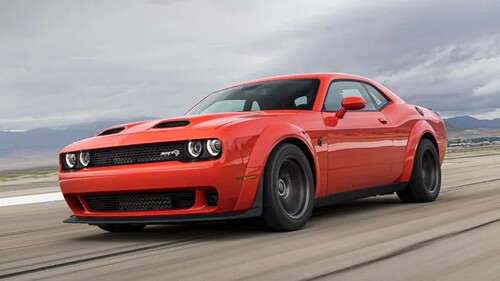
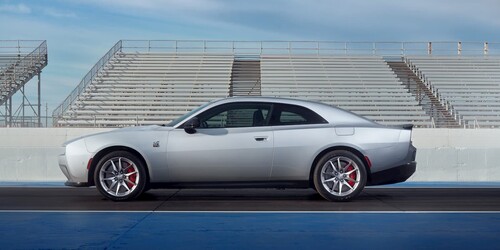
Dodge is weighing a return to truly affordable performance, with new chief executive officer Matt McAlear publicly entertaining the idea of a sports car that would start below 30,000 dollars. Such a model would give the brand a fresh entry point beneath the Charger and Challenger while keeping real horsepower within reach of younger buyers. If it moves from sketchpad to showroom, the car could redefine how Stellantis thinks about American muscle in the electric and hybrid era. McAlear has not confirmed a program or shown a concept, but his comments signal that Dodge is at least exploring a compact, relatively simple performance model priced closer to a Honda Civic Si than a high-spec Charger. For a company that has spent the past decade trading on supercharged V8 bravado, even floating that possibility hints at a strategic shift. What happened In recent remarks described by enthusiasts who follow Dodge product planning, Matt McAlear raised the prospect of a new entry-level performance car that would sit below the current Charger in size and price. Reporting on his comments framed the idea as a lightweight sports model with a starting sticker under 30,000 dollars, aimed squarely at drivers who want a fun car but cannot stretch to the brand’s big rear-drive sedans. Coverage of the remarks noted that McAlear is still early in his tenure and has been sounding out what a modern affordable Dodge could look like, with one account summarizing his thinking as a desire for a “sub-30K” performance option for the showroom. One detailed rundown of McAlear’s comments explained that the executive connected this potential car to Dodge’s historic identity, describing a desire to preserve accessible performance as the company pivots toward electric and hybrid powertrains. According to that report, he spoke about the gap that opened when compact and mid-size performance models disappeared from Dodge’s lineup, and he floated the idea of filling it with a smaller sports car rather than another large sedan or SUV. The same coverage noted that McAlear did not commit to a specific platform or powertrain, but he acknowledged that price discipline would be central to the project, since the car would need to stay below the 30,000 dollar line while still delivering credible performance. Industry analysis of those remarks has already sketched out what such a car might be. Commentators have speculated that Dodge could use a front-drive or all-wheel-drive architecture from elsewhere in the Stellantis portfolio to keep costs down, paired with a turbocharged four-cylinder engine or a lower-output hybrid setup. One breakdown of the potential strategy suggested that Dodge might chase the formula that once made cars like the Dodge Neon SRT-4 and the original Plymouth Duster popular, with a relatively simple chassis, a strong engine, and a price that undercuts more polished imports. Another analysis, looking at Stellantis product cycles, argued that a compact performance car could share underpinnings with other global models to spread development costs. Coverage from enthusiast outlets has taken McAlear’s remarks as a sign that Dodge is seriously evaluating such a project, even if it remains at the feasibility and business-case stage. One report, focused specifically on the potential for an affordable Dodge sports car, framed the CEO’s comments as an early signal that the company wants a halo of performance that does not require a 60,000 dollar budget, and it laid out how a sub-30,000 dollar model might coexist with the more expensive Charger and Challenger variants in showrooms. That report on a possible affordable sports car also stressed that the idea aligns with Dodge’s public messaging about staying true to enthusiasts during the transition to electrification. Why it matters McAlear’s openness to a low-cost performance model matters because it cuts against the pricing direction of many performance cars. Over the past several years, the average transaction price for new vehicles in the United States has climbed well above 40,000 dollars, and performance trims often land far higher. Dodge’s own Charger and Challenger have followed that trend, with high-horsepower versions reaching into territory that would once have been reserved for European luxury brands. The result is that younger enthusiasts, including many first-time buyers, have found themselves priced out of the very cars that built Dodge’s image. An entry-level performance car priced under 30,000 dollars would speak directly to that group. It would also reconnect Dodge with a long tradition of attainable muscle and sport compacts, from the Dodge Dart Swinger of the late 1960s to the Neon SRT-4 of the early 2000s. Those cars were rarely perfect, but they delivered strong acceleration and a distinct personality at a price that a working buyer could realistically afford. Analysts who have examined McAlear’s comments argue that a new small performance model could play a similar role, giving the brand an accessible hero car that draws shoppers into dealerships even if they ultimately buy something else. The potential car also sits at the intersection of several big shifts in the industry. Stellantis has committed to a large-scale move into electrified vehicles, and Dodge has already shown battery-electric versions of its larger performance cars. At the same time, there is an ongoing debate about how to keep performance cars exciting in an era of stricter emissions rules and heavier EV platforms. A lighter, cheaper sports car would offer one answer to that question, especially if it used a smaller engine with hybrid assistance or an efficient turbocharged setup. Commentators who have weighed in on the idea point out that a sub-30,000 dollar performance car could serve as a test bed for balancing fun, efficiency, and cost in a way that big, heavy EVs struggle to match. There is also a competitive angle. The affordable performance space has thinned out as models like the Chevrolet Camaro and Ford Fiesta ST have disappeared from the market. Remaining options include cars such as the Toyota GR86, the Subaru BRZ, the Honda Civic Si, and the Volkswagen Golf GTI. Most of those sit near or slightly above the 30,000 dollar threshold once destination charges and options are added. If Dodge can deliver a car that undercuts them on price while offering comparable speed and character, it could carve out a distinct niche. Analysts note that this would give Stellantis a way to capture buyers who might otherwise drift to Japanese or European brands when they want an engaging but affordable car. Enthusiast commentary has already started to frame the stakes. One opinion piece argued that a sub-30,000 dollar Dodge performance car could be a “lifeline” for budget-minded gearheads who feel abandoned by an industry obsessed with crossovers and luxury trims. That piece on a potential sub-30K performance car also warned that the opportunity will not last forever, since rising safety and emissions requirements tend to add cost and weight over time. The writer suggested that if Dodge wants to build a modern equivalent of the classic budget muscle car, it needs to act while the regulatory window is still open enough to allow a relatively simple, light package. From a brand perspective, the decision will shape how Dodge is perceived as it moves deeper into electrification. In recent years, the company has leaned heavily on limited-run, high-horsepower models that generate headlines and social media buzz. Those cars have helped cement Dodge’s identity as a purveyor of outrageous performance but have also created a perception that the brand is mainly for buyers with substantial budgets. A smaller, cheaper sports car would send a different message. It would suggest that Dodge wants to keep a connection with everyday enthusiasts, not just collectors and high-income buyers chasing the latest special edition. There are risks. Building a genuinely affordable performance car requires ruthless cost control. If the car shares too many components with mainstream compact models, it could feel generic and dilute Dodge’s image. Yet if the company spends heavily on unique hardware to keep the car special, the price could creep above the 30,000 dollar mark and defeat the purpose. Analysts point to the history of cars like the Ford Focus RS and the Mitsubishi Lancer Evolution, which started as relatively affordable but grew more complex and expensive over time until they no longer fit their original mission. Dodge will have to avoid that trap if McAlear’s idea becomes a real product. The powertrain choice will also carry symbolic weight. A pure internal combustion engine would appeal to traditionalists and keep costs down, but it might look out of step with Stellantis’s broader electrification goals. A hybrid or plug-in hybrid could offer strong performance and better efficiency, yet it would add complexity and cost. A full battery-electric sports car would align with future plans but would struggle to hit the sub-30,000 dollar target given current battery prices. Observers who have parsed McAlear’s comments note that he has not committed to any one path, which suggests that Dodge is still running the numbers on how to balance performance, price, and regulatory compliance. What to watch next The next concrete sign of movement will likely come from concept cars and product roadmaps. If Dodge brings a small performance concept to a major auto show or features a compact sports model in its future product presentations, that would indicate that McAlear’s musings have evolved into a formal program. Industry watchers will be looking for hints about platform sharing within Stellantis, such as whether the car might be related to existing compact models sold in Europe or other markets, which would help keep development costs in check. Another key indicator will be how Dodge positions its current performance lineup over the next product cycle. Should the brand start to leave more price space beneath the Charger and any successor to the Challenger, that would create room for a cheaper entry model. Changes to option structures, such as offering stripped-down performance trims with fewer luxury features, could also signal a renewed focus on affordability as a selling point. Conversely, if Dodge continues to push its main performance cars further upmarket with more technology and higher base prices, the business case for a separate low-cost sports car could become even more pressing. Regulatory developments will play a role as well. Stricter emissions and safety standards can add cost to every new vehicle, which makes hitting a 30,000 dollar price point more challenging. Observers will be watching how Stellantis responds to upcoming rules in its major markets, and whether the company invests in lighter, more efficient platforms that could support an affordable performance model. If Stellantis rolls out new compact architectures with an emphasis on weight reduction and modular powertrains, those could serve as the foundation for the kind of car McAlear has described. More from Fast Lane Only Unboxing the WWII Jeep in a Crate 15 rare Chevys collectors are quietly buying 10 underrated V8s still worth hunting down Police notice this before you even roll window down