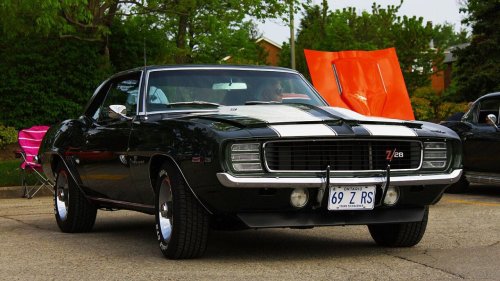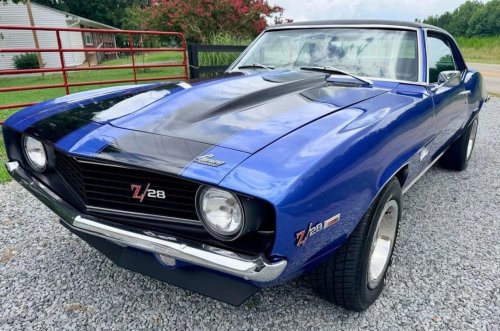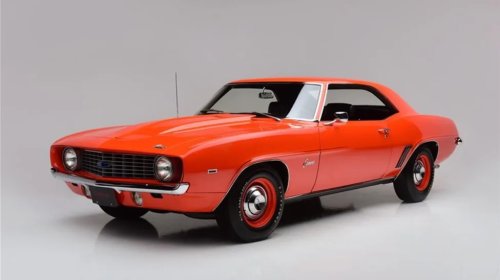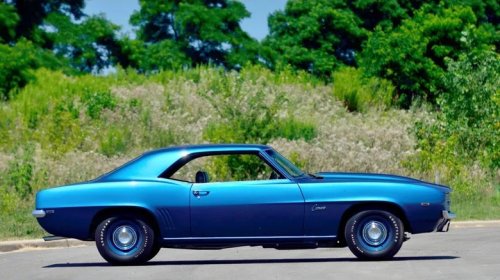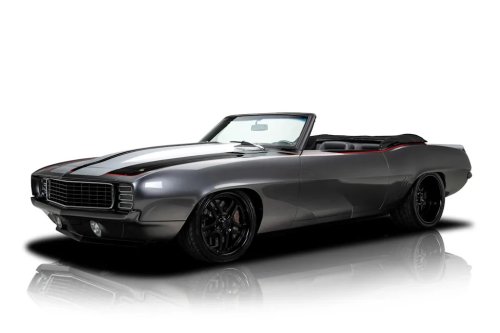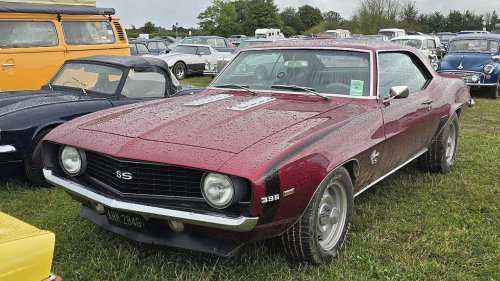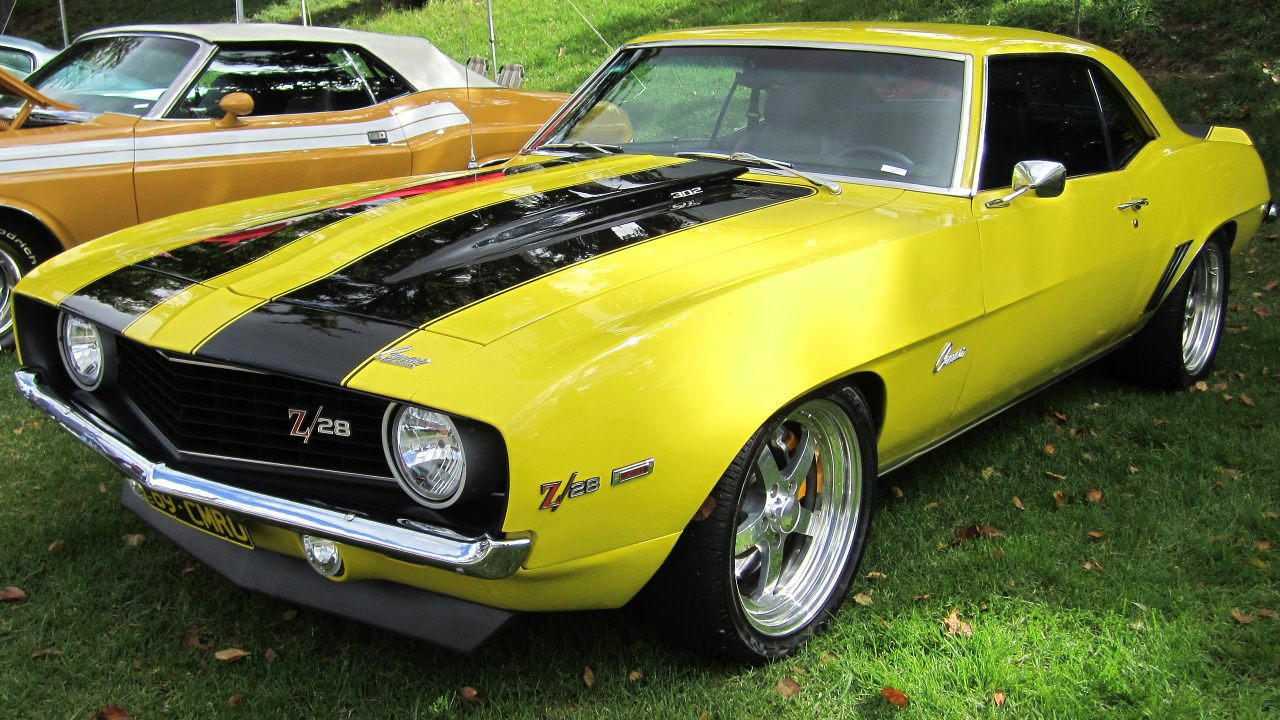



















He bought a 1969 Camaro as a weekend car and it turned into an obsessionHe thought he was buying a toy for the weekends, a way to hear a carbureted V8 clear its throat on quiet Sunday mornings. Instead, the 1969 Camaro in his driveway would rearrange his calendar, his bank account, and eventually his identity. What began as a casual purchase became a full immersion in one of the most mythologized shapes in American car culture. That is how a single Chevrolet Camaro, built in the final year of the first generation, can turn from a used car into an obsession. The story is personal, but it also traces the enduring pull of the 1969 model and the way a project car can slowly take over a life. The first sight of a legend For many buyers, the hook comes before the engine ever starts. The 1969 Camaro has a reputation as the high point of the nameplate’s early years, a car that sharpened the original pony-car formula into something more aggressive and muscular. Period descriptions highlight how the 1969 Camaro shared the same F-body platform as earlier versions, yet adopted a more pronounced and performance oriented appearance that made it stand out from its 1967 and 1968 siblings, a change detailed in analysis of the first generation Camaro. The car in this story was not a museum piece. It was a driver, a slightly tired 1969 Chevrolet Camaro that still wore most of its original lines and attitude. Listings for similar cars describe the year as the ultimate Camaro, with a long hood, short deck, and a profile that looks even more sinister when finished in black, as seen in detailed writeups of a black 1969 Camaro SS tribute. That combination of stance and sheet metal is often what persuades a buyer that one more project will be manageable. He told himself the same thing. The plan was simple: tidy up the paint, refresh a few worn parts, and enjoy the car on weekends. The budget was modest, the timeline optimistic. Then the disassembly began. From weekend project to frame-off reality Anyone who has pulled apart an old car knows the moment when a hobby crosses into something more serious. Rust bubbles that looked small from the outside turn into holes. Old repairs reveal themselves as patches and filler. The owner of a 55 undergoing a frame off restoration described reaching the final stages and realizing that not everything was going to work out like he had hoped, a sobering lesson captured in a video about that 55 project. The Camaro owner found himself in a similar place. What started as a plan to leave the body on the chassis became a full teardown. The phrase “frame off restoration” carries a certain romance online, but in practice it means every component is removed, cataloged, and either restored or replaced. Once the Camaro’s body was lifted, the true state of the subframe, floor pans, and suspension mounts came into view. The car had survived decades of use, and the scars showed. At that point, walking away would have meant admitting defeat and writing off the money already spent. Instead, he leaned in. The weekend car became a long term commitment, with the garage turning into a workshop filled with labeled bags of hardware, shelves of new bushings and brake lines, and a bare shell perched on stands. Why 1969 keeps pulling people in Obsession needs an object that feels worthy of the effort. The 1969 Chevrolet Camaro provides that in abundance. It was the final model year of the first generation, and it became the best selling of the three model years, a status documented in market coverage of the 1969 Chevrolet Camaro. That popularity at the time laid the groundwork for its current status as a blue chip muscle car. Styling plays a central role. The exterior of the 1969 Camaro is often described by enthusiasts as defined by its distinctive front end, with a wide grille and recessed headlights, and a body that gives the Chevrolet Camaro a powerful and athletic appearance. That visual punch is captured in modern sales listings that invite buyers to own a piece of 60s American muscle through a 1969 Chevrolet Camaro on Exotic Car Trader, a car presented as raw, vintage, and full of character with 90,000 miles on the clock, as detailed in a social media post promoting that Chevrolet Camaro listing. For the owner in this story, that front end and those haunches became justification for each new purchase. A correct grille here, a set of reproduction trim pieces there, and then the bigger decisions: whether to keep the car close to stock or build a more modern interpretation with updated brakes and suspension. Every choice added hours to the project and deepened the attachment. The slippery slope of “while you’re in there” Once a car is apart, the temptation to improve everything grows. A weekend job to replace front shocks becomes a full suspension rebuild. A minor engine reseal becomes a complete teardown and performance upgrade. Restorers talk about the “while you are in there” effect, where access to one component makes it feel wasteful not to refresh the surrounding parts. On the Camaro, that meant the original small block came out for inspection and quickly ended up on an engine stand. Machine work followed. New internals promised more power, and a modern intake and ignition system offered better drivability. The transmission, which had been “fine,” suddenly looked like a weak link. Out it came for a rebuild. Underneath, the subframe was stripped and refinished. Bushings were upgraded, steering components replaced, and the braking system modernized. Each step made the car safer and sharper, but it also pushed the project further from the original, casual plan. The owner’s weekends disappeared into grinding, painting, and careful reassembly. Money, time, and the psychology of sunk costs Obsession is not just about passion. It is also about the way sunk costs shape decisions. Once thousands of dollars have gone into bodywork and mechanical parts, the idea of cutting corners on paint or interior trim feels unacceptable. The owner who once shrugged at small imperfections now scrutinizes panel gaps and stitching. Market data on 1969 Camaro values feeds this mindset. Listings of driver quality cars with 90,000 miles and honest patina show one price bracket, while fully restored examples sit far higher. The gap between a serviceable weekend car and a show ready build can justify, in an owner’s mind, the long nights and drained savings. After all, the reasoning goes, the 1969 Camaro is not just a toy. It is a piece of American automotive history that deserves to be done right. That logic can be sound, but it also blurs the line between a sustainable hobby and an all consuming project. Friends notice that social plans are repeatedly skipped in favor of “getting the car back on its wheels.” Family members learn the vocabulary of primer types and wiring harnesses. The Camaro stops being just a car and becomes a central character in the household. Learning the craft along the way One reason these projects can take over is that they require a crash course in multiple trades. A frame off or near frame off effort pushes an owner into welding, paint preparation, mechanical assembly, and electrical troubleshooting. Tutorials and build videos, including those that document the challenges of a 55 frame off restoration, give both guidance and a sense of community for people who discover that not everything is going to work out like they had hoped on the first try. The Camaro owner in this narrative did not start as a professional mechanic. Over time, he learned how to align body panels, how to set valve lash, and how to route brake lines cleanly along a subframe. Mistakes were common. Panels had to be reworked, wiring redone. Yet each solved problem deepened his attachment to the car. The Camaro was no longer just a classic shape; it was a machine he understood intimately because he had rebuilt it piece by piece. Community, comparison, and the online garage Obsession rarely develops in isolation. Forums, social media groups, and classified listings create a constant stream of comparison points. Owners scroll through photos of other 1969 Camaros with flawless paint and perfectly detailed engine bays, often hosted on high resolution galleries such as those used to showcase a restored 1969 Chevrolet Camaro SS tribute in dealer photography, where images of the Chevrolet Camaro highlight every reflection. Those images set a bar. The owner who once aimed for “nice driver” quality now thinks about matching the depth of shine and panel straightness seen in professional shoots. Advice threads debate the merits of different paint systems, the correct finish for underhood components, and the most accurate reproduction seat covers. The Camaro project becomes part of a broader conversation, and the owner’s identity shifts from casual enthusiast to dedicated restorer. Online marketplaces also feed the obsession. Browsing listings for other Chevrolet Camaro builds, including those promoted through platforms that direct potential buyers from social media to detailed car buying pages, shows what similar cars are worth and how small details can influence price. That knowledge reinforces the idea that one more upgrade or correction is not indulgent but strategic. Balancing originality and modernization Every long term Camaro build eventually runs into a philosophical question: how far should modernization go. The 1969 Chevrolet Camaro left the factory with technology that reflects its era, from drum brakes on many trims to carbureted fueling and relatively simple suspensions. Modern components can improve safety and performance, but they also move the car away from period correctness. For this owner, the answer landed somewhere in the middle. The car retained its classic silhouette and much of its original interior layout, but it gained upgraded brakes, improved suspension geometry, and a more reliable ignition system. That blend mirrors a broader trend among first generation Camaro enthusiasts who want to keep the character of the 1960s while making the car more usable in modern traffic. Photo galleries of restomodded 1969 Camaros often show subtle cues of this approach. A stock appearing body might hide larger wheels and tires, while the stance hints at revised suspension. Under the hood, a period correct looking small block can conceal modern internals. The result tries to honor the original intent of the Camaro while recognizing that expectations for performance and safety have changed. When the car finally returns to the road After years of work, the moment of truth arrives when the car rolls out of the garage under its own power. For the Camaro owner, that first drive was not a cinematic blast down a coastal highway. It was a cautious loop around the neighborhood, listening for rattles, checking gauges, and feeling out the brakes. More from Fast Lane Only Unboxing the WWII Jeep in a Crate 15 rare Chevys collectors are quietly buying 10 underrated V8s still worth hunting down Police notice this before you even roll window down The post He bought a 1969 Camaro as a weekend car and it turned into an obsession appeared first on FAST LANE ONLY.