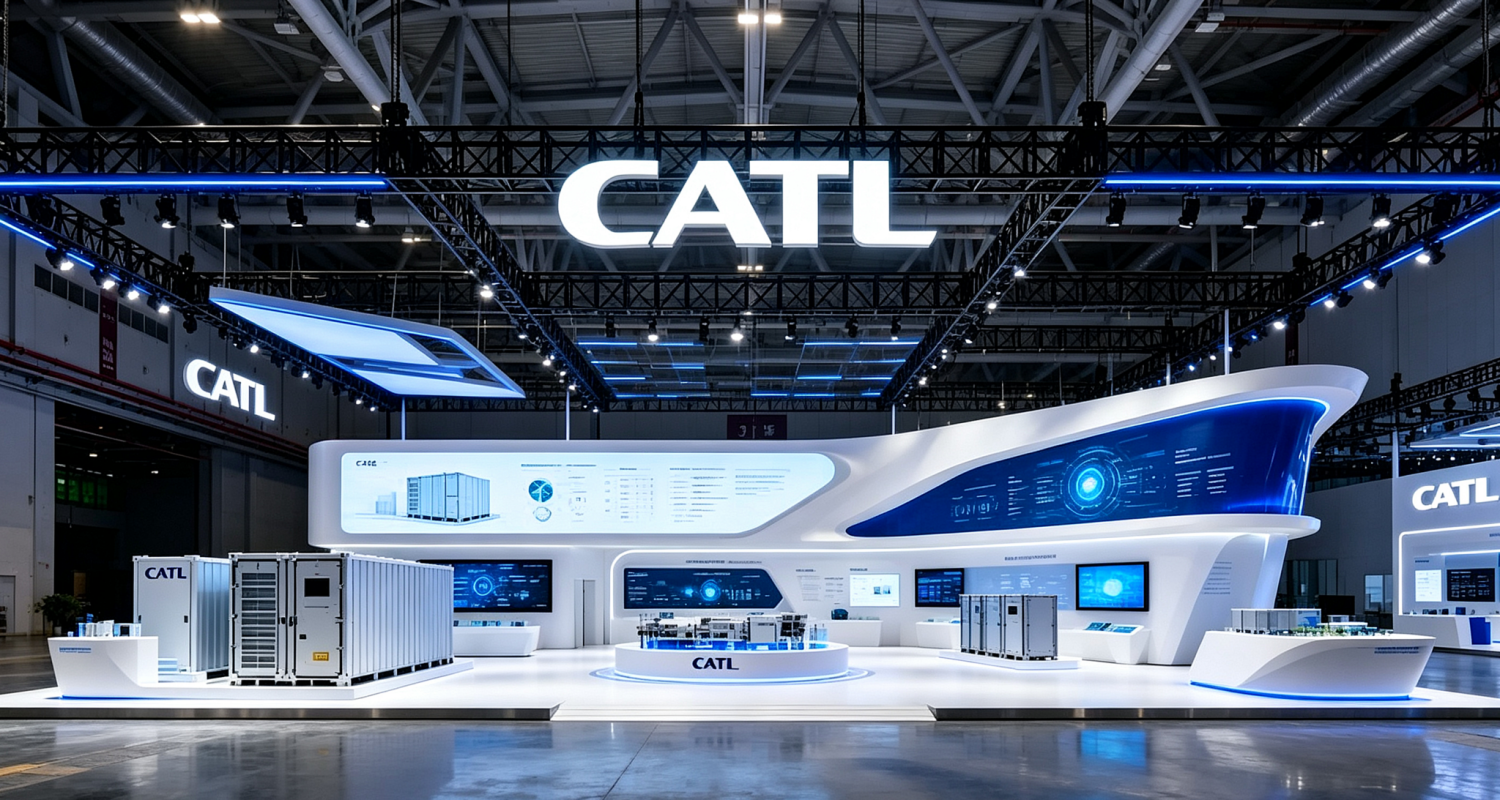
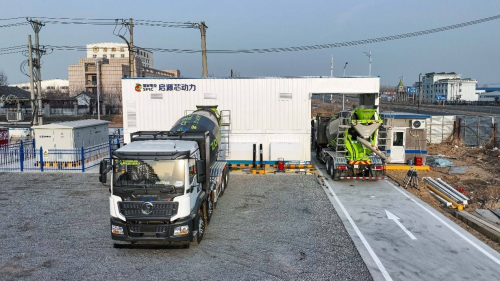
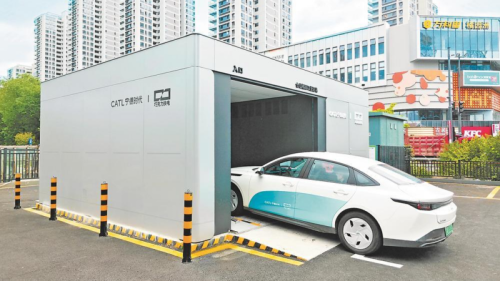
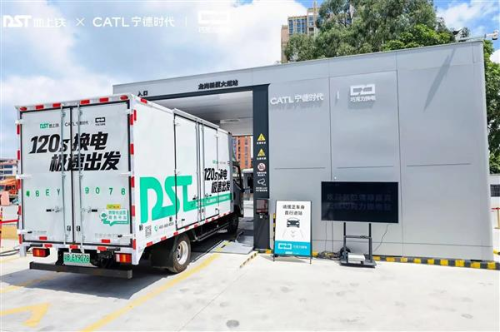
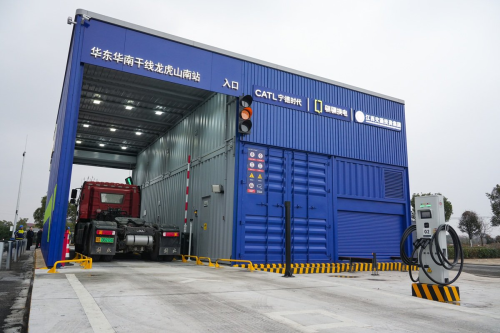
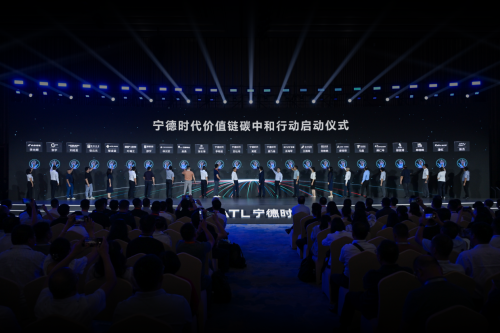
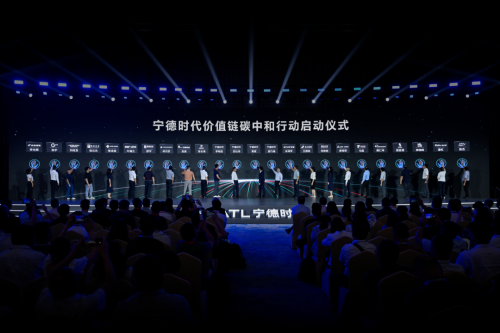
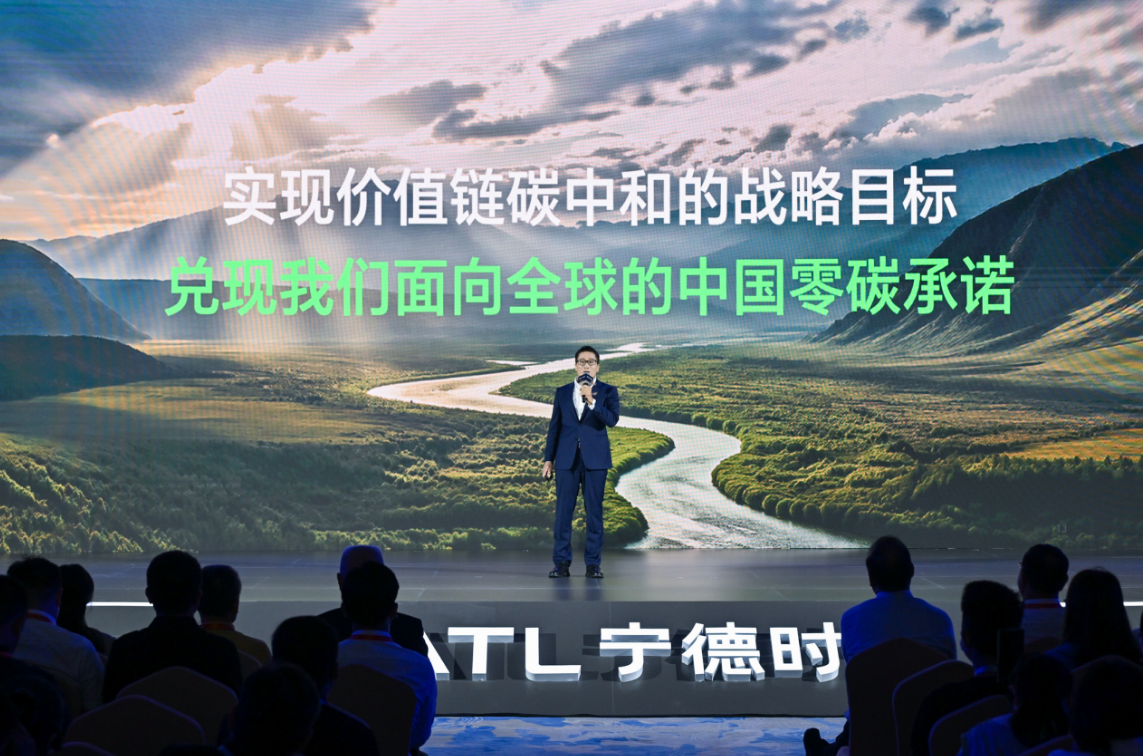
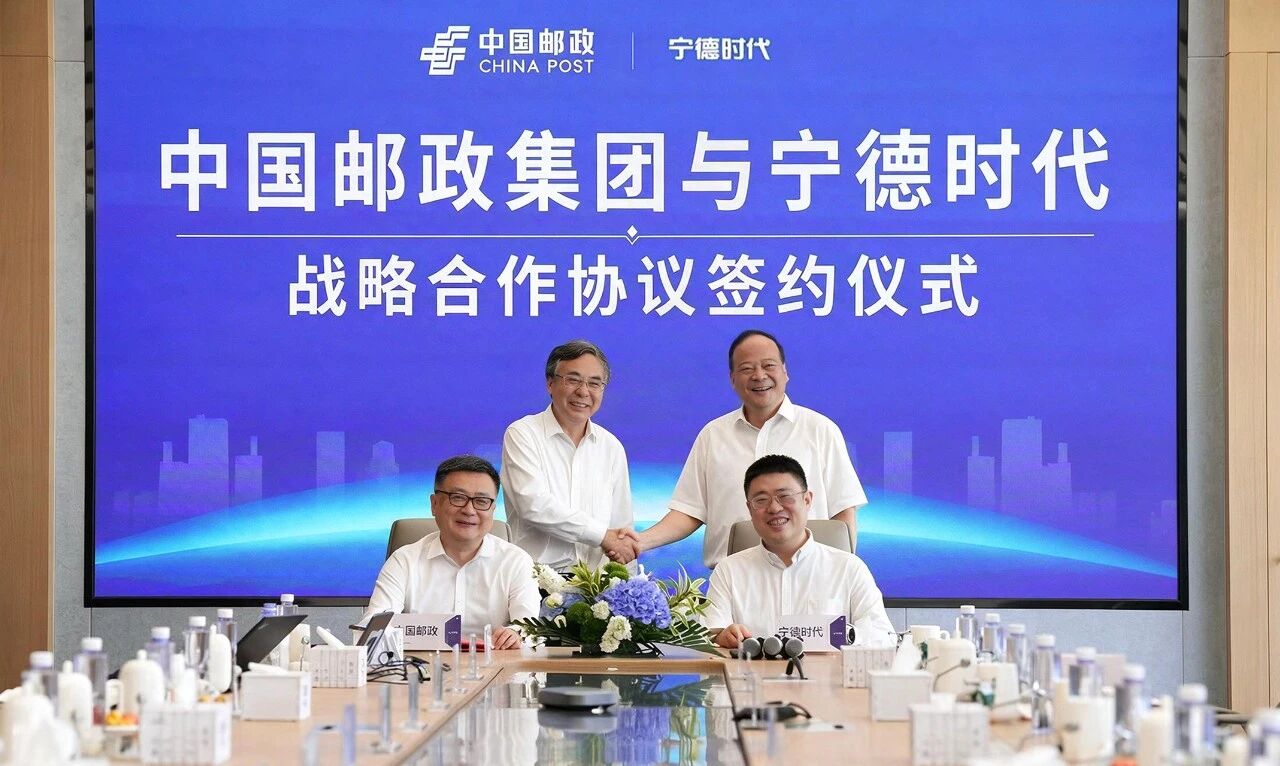
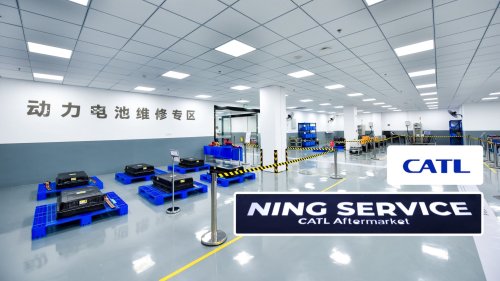
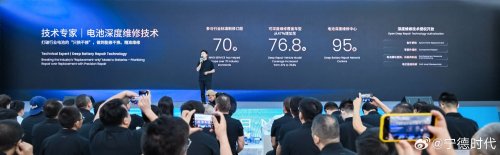
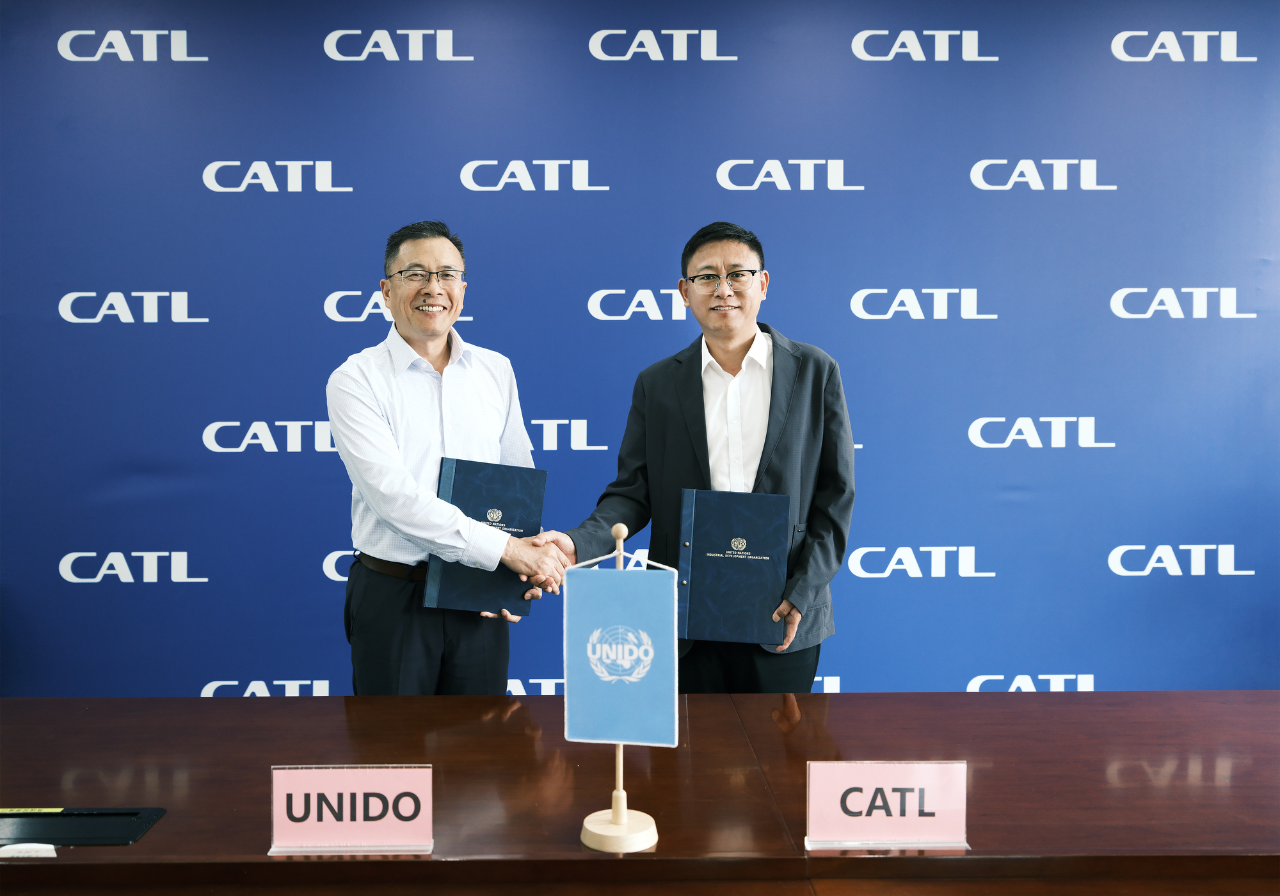
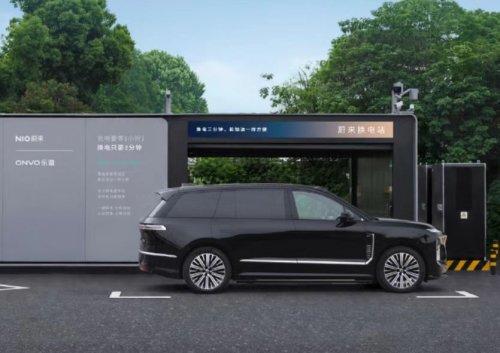
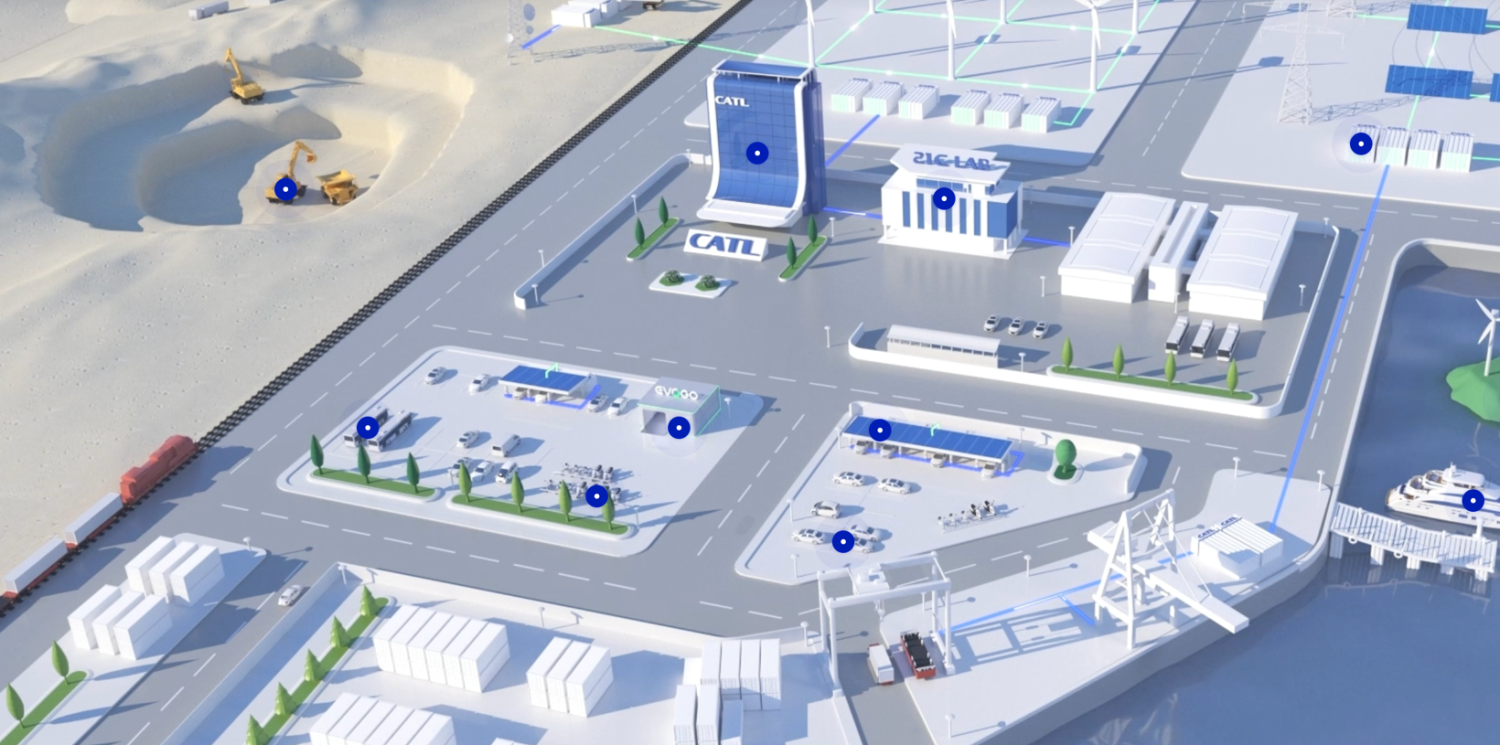
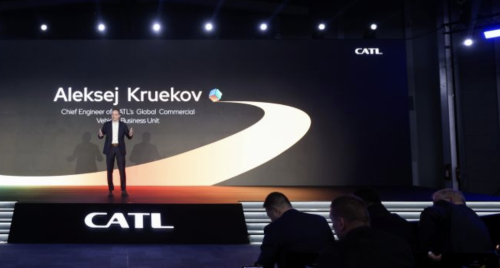
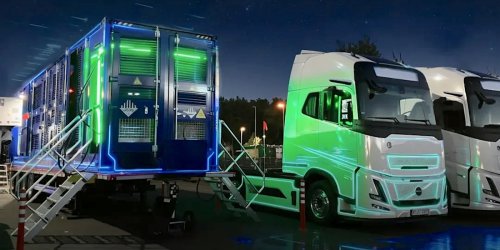
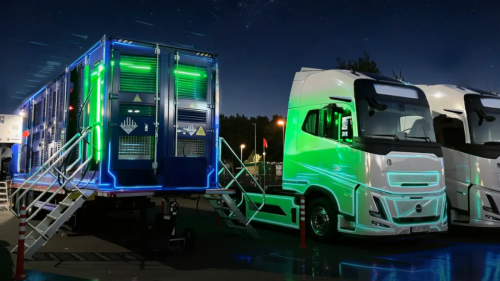
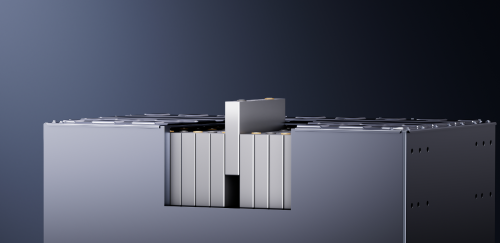
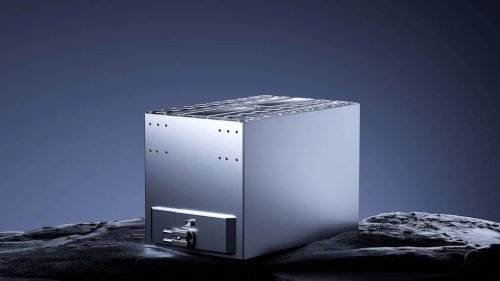
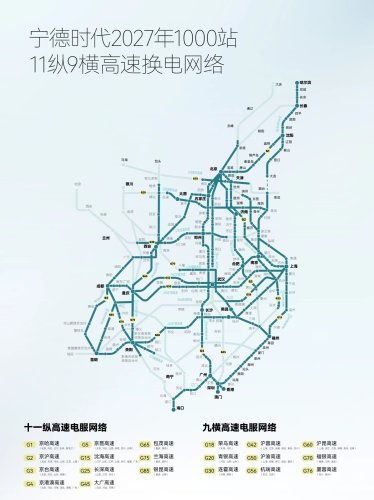
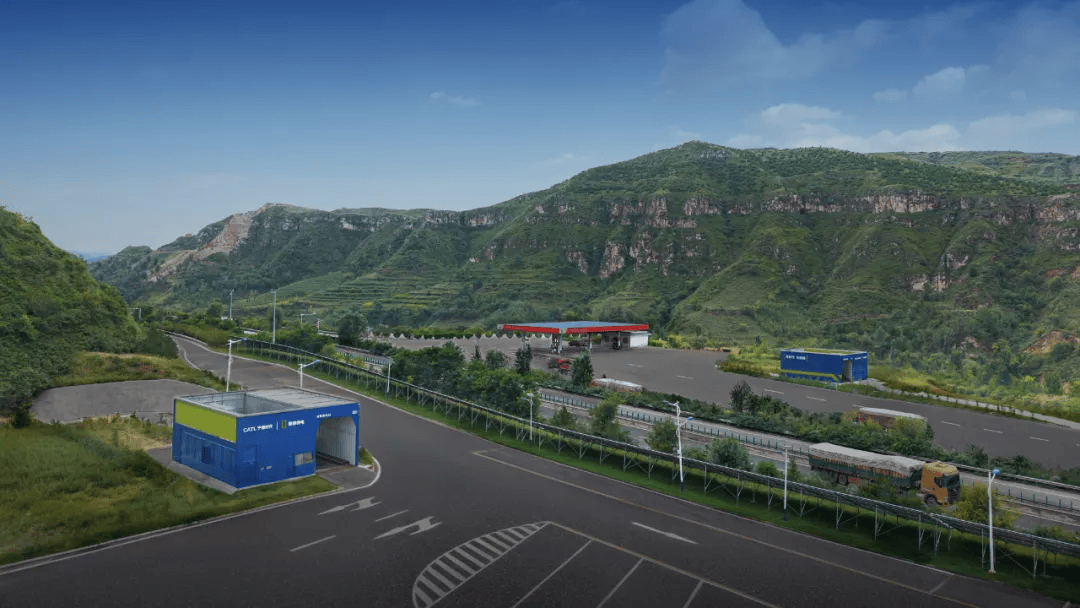
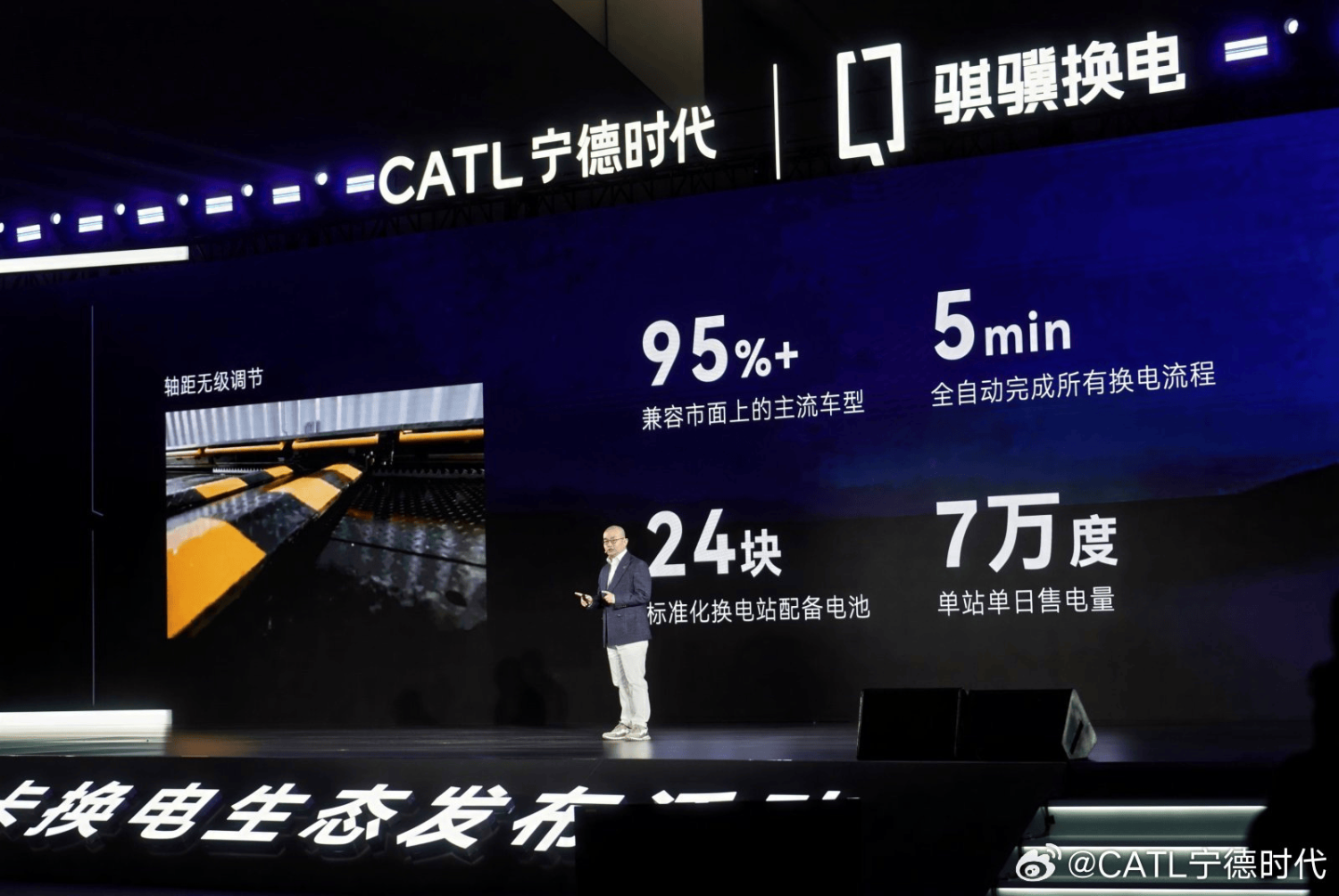
Recently, STO Express and CATL officially signed a strategic cooperation agreement at CATL’s headquarters in Ningde, Fujian Province. The two parties will collaborate in areas such as green logistics, vehicle electrification, joint construction of charging facilities, and battery lifecycle management. This cooperation also marks the first time that a top-tier Chinese logistics company and a new energy battery giant have jointly explored the field of express trunk line transportation. STO Express and CATL launch cooperation. The focus of this strategic cooperation is to address the long-standing pain points faced by electric heavy-duty trucks in trunk line transportation, such as low refueling efficiency, insufficient infrastructure coverage, and high refueling costs. The core of this strategic cooperation lies in the dual-drive approach of “precision scenario customization” and “refueling network coordination”. At present, fuel costs remain one of the biggest pain points in express trunk line transportation. To address this, CATL, together with vehicle manufacturers, has conducted in-depth research into STO Express’s actual transportation scenarios, and has customized solutions in terms of battery capacity, layout, vehicle curb weight, and other dimensions. Taking the 400-kilometer route from Shanghai to Ningbo as an example, compared with traditional fuel vehicles at standard load, an energy efficiency benefit of RMB 0.8 per kilometer has been achieved. In terms of total lifecycle cost after accounting for fuel vehicle depreciation, a cost reduction of RMB 0.3–0.5 per kilometer can be realized. CATL expressway battery swap station. In terms of constructing battery charging and swapping stations, CATL plans to build more than 900 heavy-duty truck battery swap stations nationwide by 2026. Currently, CATL has deployed over 300 Qiji battery swap stations. The layout of these stations highly overlaps with the three major economic hubs — the Beijing-Tianjin-Hebei region, the Yangtze River Delta, and the Pearl River Delta — where STO Express operates its new energy heavy-duty trucks, thus enabling full-range energy support for STO’s trunk line transportation. CATL heavy-duty truck battery swap ecosystem launch event. At present, China’s battery-swapping heavy-duty truck market is experiencing explosive growth. According to data provided by research institution EVTank, the total sales of heavy-duty trucks in China reached 233,200 units in 2025, with the electrification rate of the entire heavy-duty truck industry rising to 20.5%. Among these, sales of battery-swapping heavy-duty trucks amounted to 67,801 units, accounting for 29%. From an application scenario perspective, battery-swapping heavy-duty trucks are mainly used in the following scenarios: closed or semi-closed scenarios such as coal mines and mining sites; industrial and trade scenarios such as ports and steel mills; and expressway trunk line logistics scenarios, serving cross-regional general freight transportation. In these scenarios where routes are relatively fixed and operating hours are concentrated, the battery-swapping model provides higher refueling efficiency. According to the next-generation heavy-duty truck battery swap ecosystem released by CATL in May 2025, the company announced that by 2030 it will build a national green battery swap network featuring “eight horizontal and ten vertical” corridors, forming 16 major city cluster swap networks, covering a total of 150,000 kilometers of expressways and national/provincial highways, and serving 80% of trunk line freight capacity.




















 +78 others