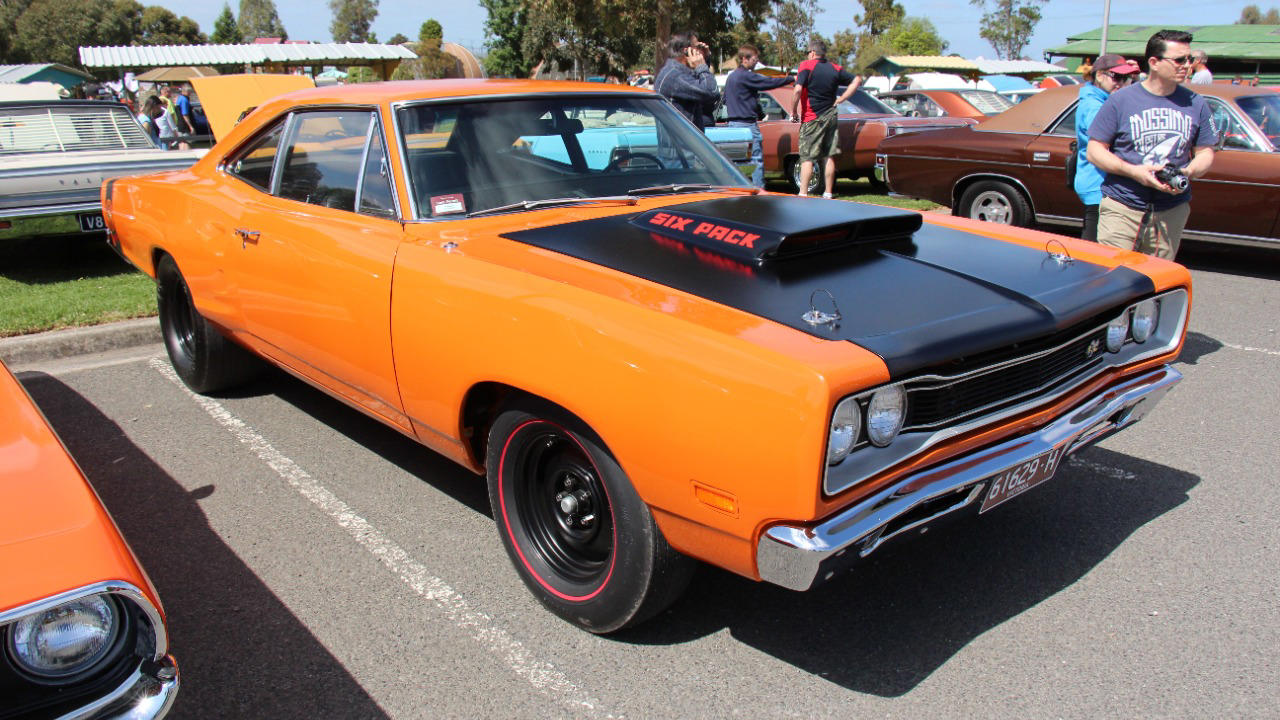
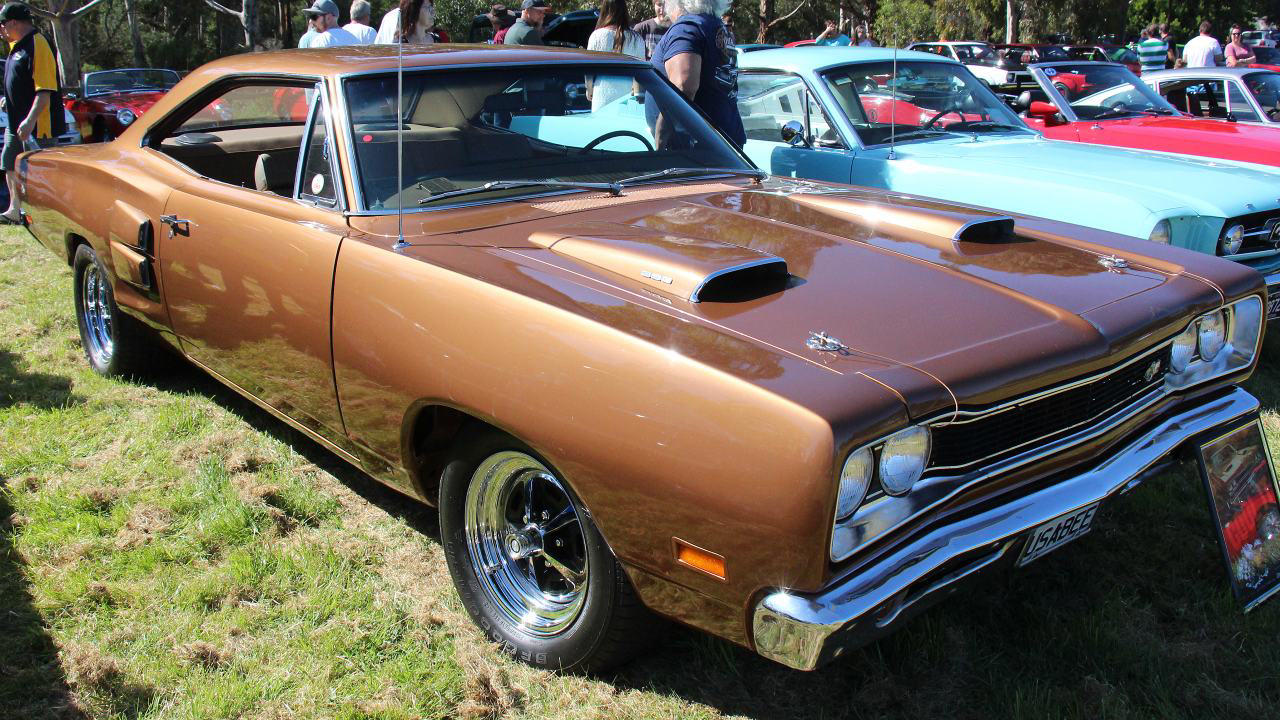
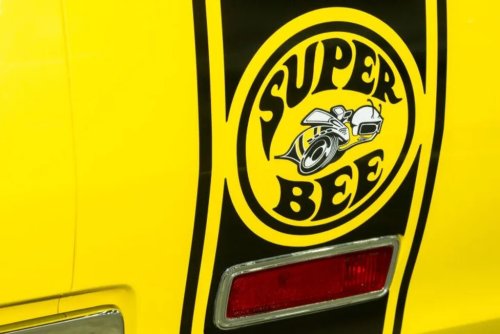
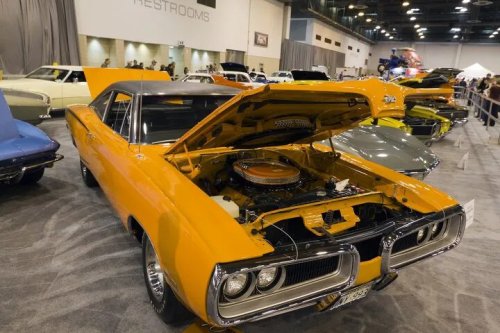
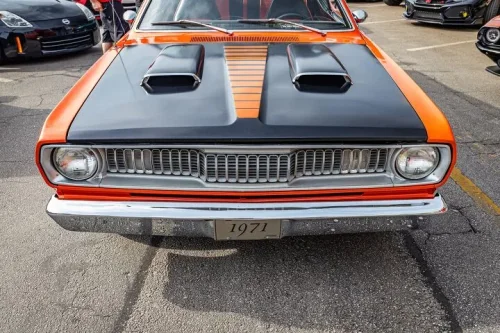
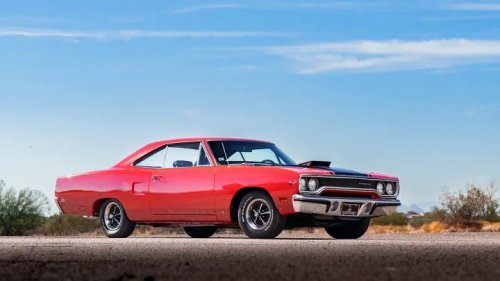
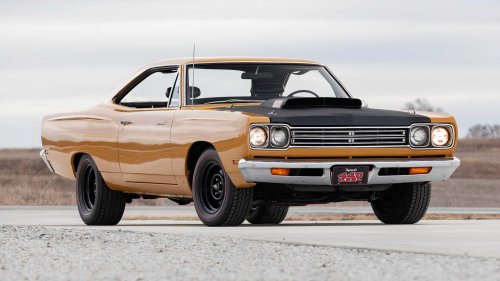
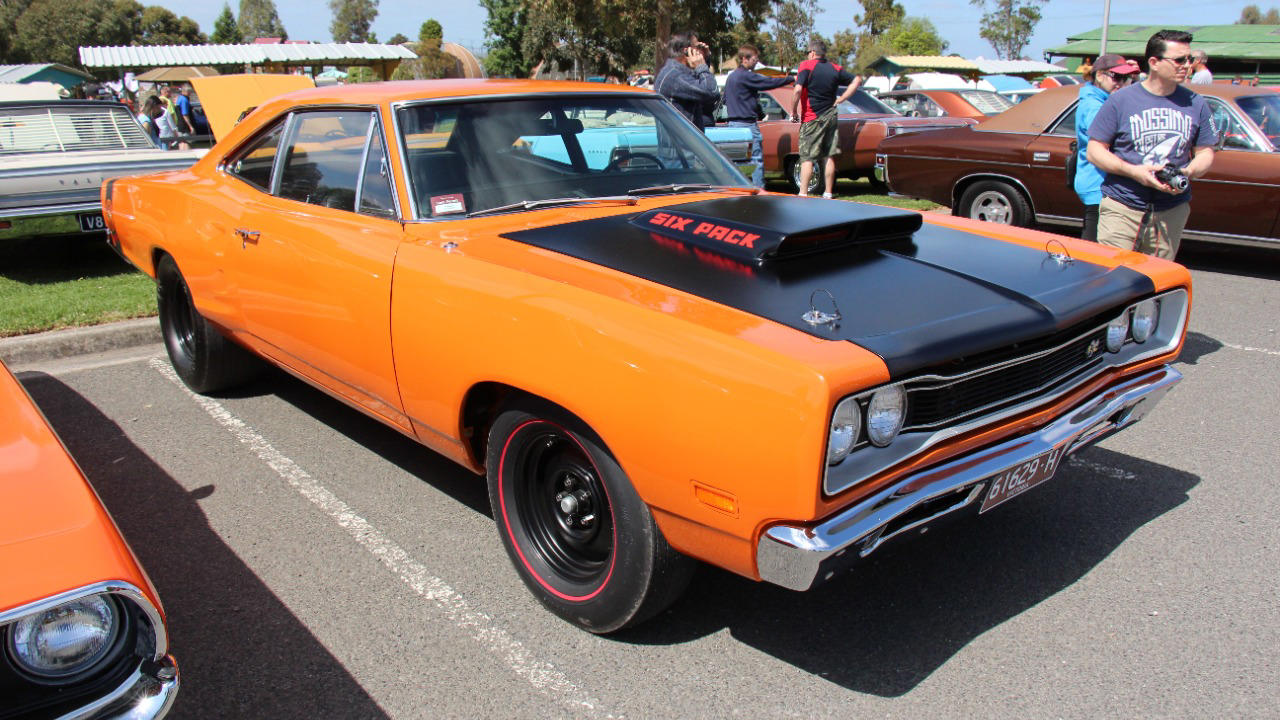
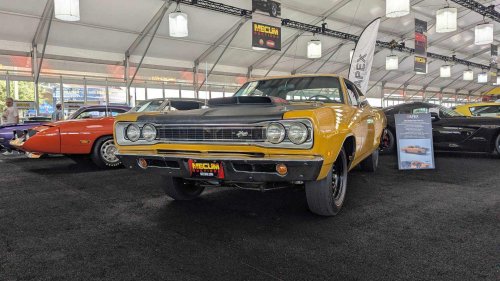
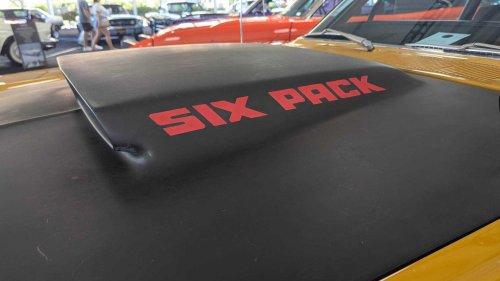
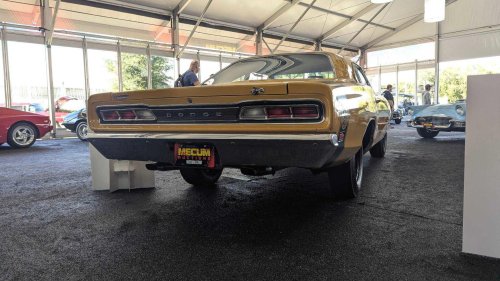
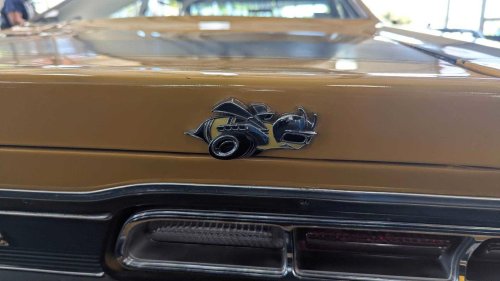
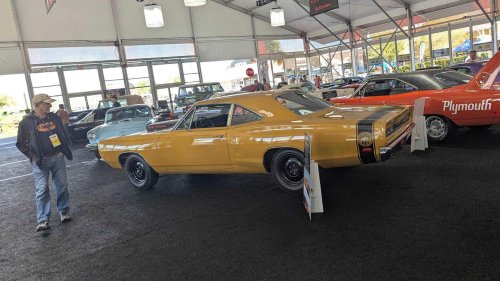
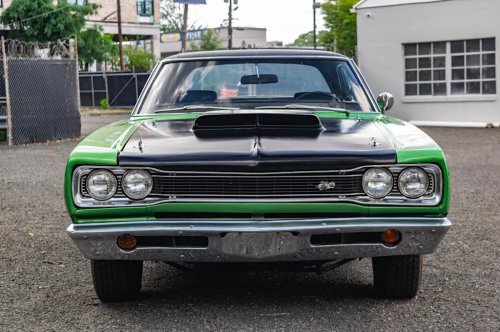
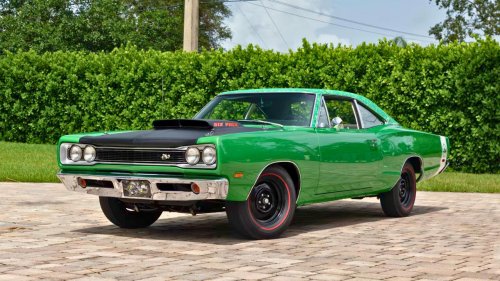
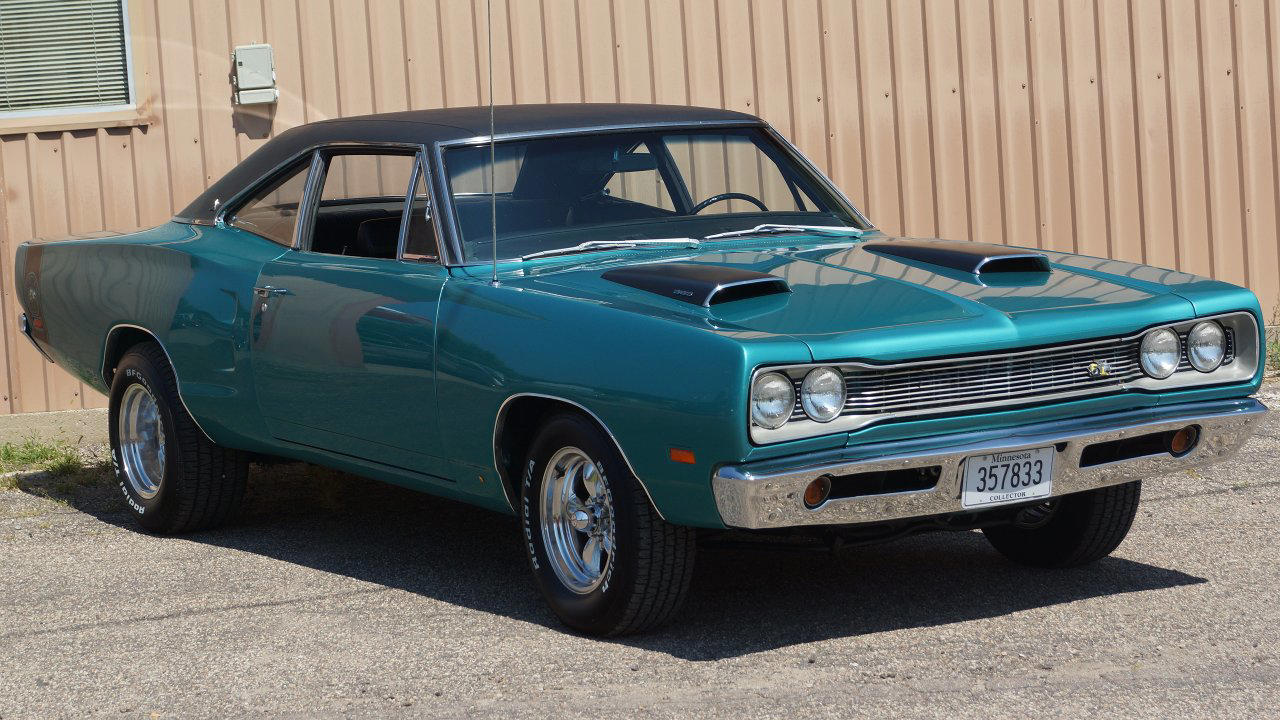
A 1969 Super Bee doesn’t blend in anywhere it goesThe 1969 Dodge Super Bee was never designed to be subtle. It arrived in the thick of the muscle car wars as a loud, budget bruiser that shouted its intentions with graphics, scoops, and big cubic inches. More than half a century later, a 1969 Super Bee still stands out in any parking lot, its working class swagger and raw Detroit power impossible to ignore. What keeps this car from blending into the background is not just its bright paint or cartoon bee badges. It is the way the specification sheet, the hardware under the skin, and the culture that formed around it all point in the same direction: affordable speed with almost zero pretense. The working man’s muscle car From the start, the Dodge Super Bee was pitched as a stripped back performance model for buyers who wanted big power without luxury trimmings. One account describes how it was Built as a for muscle car enthusiasts, based on the Dodge Charger R/T and powered by a 383 V8 engine. Another source calls the 1969 Dodge Super Bee “pure raw Detroit muscle” that prioritized speed and sound over luxury and unnecessary features, emphasizing that this Dodge Super Bee represented the essence of Detroit performance culture rather than a status symbol. That positioning as a working man’s muscle car was not marketing fluff. The interior was simple and functional, focused on driving rather than comfort. Enthusiast descriptions of the 1969 Dodge Coronet Super Bee highlight a basic cabin that put the driver close to the mechanical experience, while still offering enough practicality for daily use. According to one community write up, the 1969 Dodge Coronet Super Bee is remembered as a legendary muscle car because of its performance and bold styling, not for plush trim or gadgets, and that same source notes the car was offered with either a 4 speed manual or 3 speed automatic transmission, with the post dated in Dec. Styling that refuses to disappear Visually, the 1969 Super Bee could not have been more direct. It was based on the Dodge Coronet two door body, but the graphics and details turned a mid size sedan into something far more aggressive. Owners and historians point to cars like the Dodge Coronet Superbee finished in gloss black with a red interior, bench seats, a Ramcharger hood, black steelies, dog dish hubcaps, redline tires, and a bold red Bee stripe. That particular Dodge Coronet Superbee, celebrated as a highly original survivor, shows how the factory look combined basic steel wheels with loud stripes and cartoon bee emblems to create a unique personality. The Super Bee identity relied heavily on those graphics. Reports on that same 1969 Dodge Coronet Superbee note that the car was often adorned with iconic graphics and badging that identified it as a Superbee, and that its performance minded upgrades included heavy duty suspension, larger brakes, and a limited slip differential. Even in subdued colors, the combination of dual hood scoops, the Ramcharger setup, and the wraparound tail stripe made sure no one mistook it for a family Coronet. Modern tributes lean into that visual drama. A 1969 Dodge Super Bee A12 Tribute described as Finished in iconic High Impact Rally Green shows how contemporary builders still choose searing paint and original style stripes to capture the period look. That car, finished in High Impact Rally Green, underlines how the Super Bee’s proportions and graphics invite bright colors rather than understated tones. Under the hood: 383, 440 and Hemi firepower The hardware that backed up the attitude is what truly keeps the 1969 Super Bee from fading into the background. In period, the base engine was the 383 cu in (6.3 L) Magnum V8, producing 335 hp. Enthusiast summaries of 1969 highlights explain that this Magnum 383 gave the car a strong foundation, while an available performance package was rated at 390 hp and 490 lb ft of torque. Those figures, cited in a Mar post aimed at muscle car fans, show how even the “entry” Super Bee delivered serious speed. Above the 383 sat the 440 and 426 engine options that turned the car into a genuine drag strip threat. A special mid year model, the 1969 ½ Dodge Super Bee A12, featured a potent 440 cubic inch (7.2 L) V8 engine with three two barrel Holley carburetors, known as the Six Pack. That configuration was rated at 390 horsepower and 490 lb ft of torque, and only 1,907 A12 M code Super Bees were produced, a figure that helps explain why these cars are now rare and highly sought after. The same A12 overview notes that the 440 Six Pack V8 was a true muscle car powerhouse, and that a 426 Hemi V8 sat at the top of the range, with the Hemi engine generating an astonishing level of power for the time. Earlier coverage of the Coronet R/T and Super Bee platform points out that the 425-bhp Hemi engine and four speed gearbox were available, and that special handling suspension was standard on both the R/T and Super Bee models. That 425-bhp Hemi specification, linked to the same chassis, shows how deeply the Super Bee was tied to Mopar’s most serious performance hardware. Six Pack, Torqueflite and Hurst hardware The drivetrain choices reflected the same no nonsense focus. The original Dodge Super Bee was offered with either a 4 speed manual or 3 speed Torqueflite automatic transmission, and the A12 package also equipped the cars with a Dana heavy duty automatic transmission according to historical summaries. The mention of Torqueflite and Dana in those records underlines how Chrysler leveraged its toughest components for this mid size bruiser. Manual transmission cars were not an afterthought. Documentation on the Super Bee explains that the 4 speed manual transmission cars received a Hurst Competition Plus shifter with Hurst linkage, and that an optional Mopar A833 4 speed was part of the performance conversation. That combination of Hurst Competition Plus hardware and the Mopar gearbox gave drivers a direct, mechanical connection that still appeals to collectors. On the most aggressive 1969 Dodge Super Bee Six Pack models, the intake setup itself became a visual signature. One period description of the Super Bee Six Pack notes that its scoop lacked a filter or valve to keep out foreign elements, a message reinforced by standard steel wheels and a purposeful stance. The lack of filtration on that scoop was not ideal for daily use, but it fit the car’s drag strip oriented image. The A12 ½ year legend The A12 package has taken on a life of its own within Super Bee lore. A detailed breakdown of the 1969 ½ Dodge Super Bee A12 explains that the mid year offering centered on the 440 cubic inch (7.2 L) Six Pack engine, rated at 390 horsepower and 490 lb ft of torque, backed by heavy duty driveline parts and specific exterior cues. The same summary emphasizes that only 1,907 A12 M code Super Bees were produced, which has helped turn them into blue chip collectibles. Those A12 cars were more than just optioned up Coronets. They typically wore flat black fiberglass hoods with large scoops, black steel wheels, and minimal chrome, all of which broadcasted their purpose. The combination of the 440 Six Pack, heavy duty suspension, and drag oriented gearing made the A12 Super Bee a formidable drag strip contender, as one enthusiast source puts it. Period quarter mile claims for the 1969 Dodge Super Bee suggest that even non Hemi cars could achieve a quarter mile time of under 14 seconds, which placed them firmly in the upper tier of factory muscle. The legacy section of that same A12 overview states that the 1969 Dodge Super Bee remains a highly sought after classic muscle car, and that its combination of aggressive styling, powerful engines, and limited production variants has solidified its place in automotive history. That assessment aligns with the sustained interest in A12 tributes and die cast replicas aimed at collectors. From Detroit streets to die cast shelves The Super Bee story did not end when the original production run stopped. One example of its enduring pull comes from the story of Dennis Herdsman, who acquired a 1969 Dodge Coronet Super Bee in 1996 and later displayed it at the MCACN car show, where it earned the Brad Van Hemert Memorial Award. That gloss black car, with red interior, Ramcharger hood, bench seats, black steelies, dog dish hubcaps, redline tires, and a red Bee stripe, has been celebrated as a testament to originality, with a complete numbers matching drivetrain and as many original parts as possible. A model maker has even turned that Super Bee into a 1:18 die cast replica, allowing fans to experience a small scale version of the same joy. Other enthusiasts keep the legend alive through video and social media. One short film fronted by Lou on the series My Car Story features a Yellow Bee with a 426 Hemi, capturing the sound of the engine going through the gears and the reactions of onlookers. Another widely shared clip describes how the 1969 Dodge Super Bee represents pure raw Detroit muscle, and stresses that the Dodge Super Bee prioritized speed and sound over luxury, summing up the experience of watching, and hearing, one of these cars in motion. Community groups focused on classic Mopar models often highlight the 1969 Dodge Coronet Super Bee as a legendary muscle car, praising its performance and bold styling in posts that circulate among owners and fans. One such group post, dated in Dec, reiterates that the car was offered with a 4 speed manual or 3 speed automatic, and frames the Super Bee as a standout example of late 1960s American performance. Why the 1969 Super Bee still stands out Several factors explain why a 1969 Super Bee still commands attention in a way that many other period cars do not. The first is rarity combined with recognizability. While Dodge built significant numbers of base Coronets, the Super Bee variants, and particularly the 1969 ½ A12 cars, were produced in far smaller quantities. The figure of 1,907 A12 M code Super Bees is often cited to show just how scarce the most potent versions are, and that scarcity amplifies their presence at shows and auctions. The second factor is mechanical character. The mix of engines, from the 383 Magnum with 335 hp to the 440 Six Pack with 390 hp and 490 lb ft, and the 425-bhp Hemi option, gave buyers a spectrum of serious performance. Combined with hardware like the Hurst Competition Plus shifter, the Mopar A833 gearbox, the Torqueflite automatic, and Dana heavy duty rear ends, these cars feel purpose built in a way that modern, more refined performance cars often do not. More from Fast Lane Only Unboxing the WWII Jeep in a Crate 15 rare Chevys collectors are quietly buying 10 underrated V8s still worth hunting down Police notice this before you even roll window down



















 +41 others