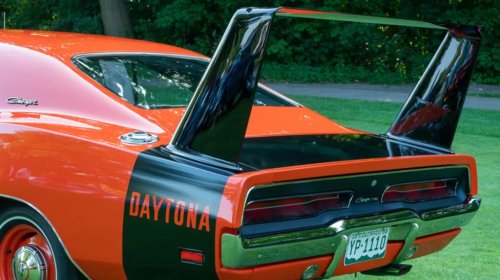
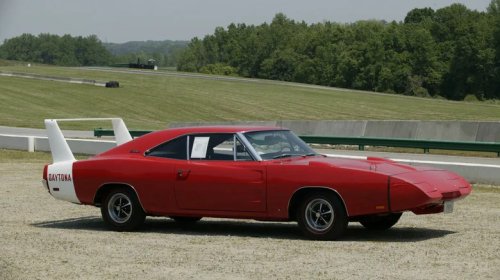
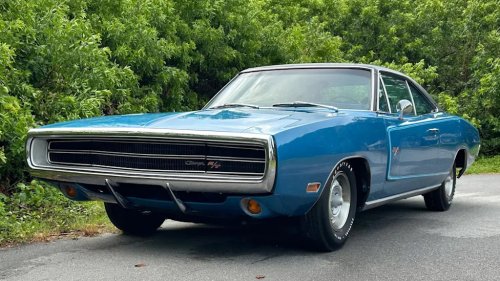
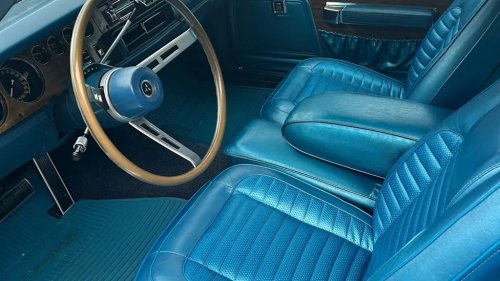
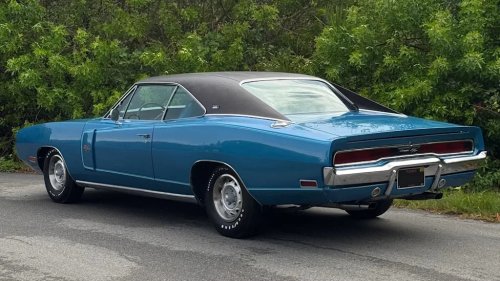
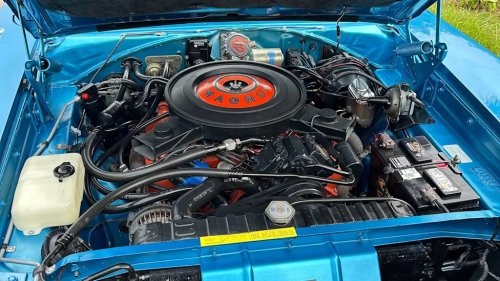
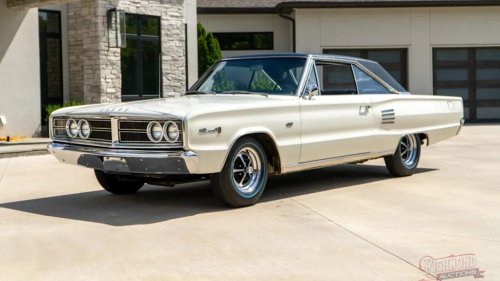
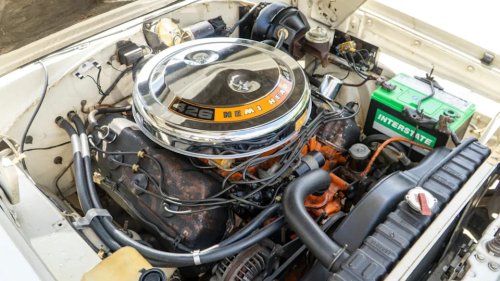
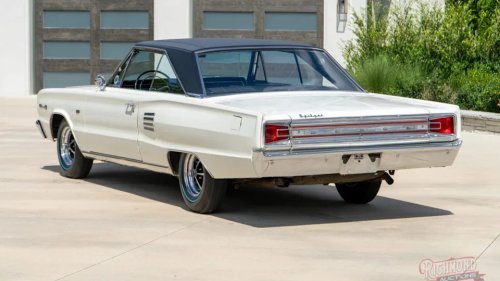
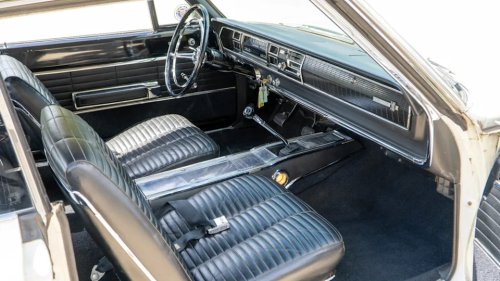
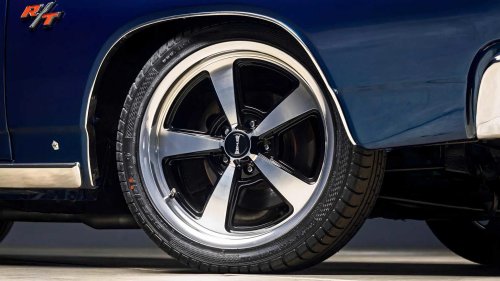
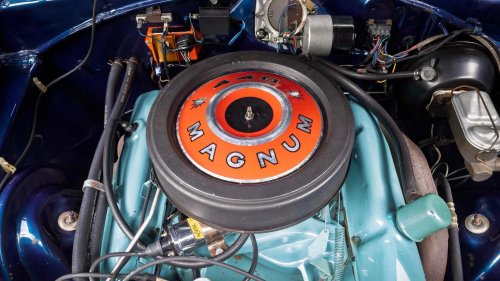
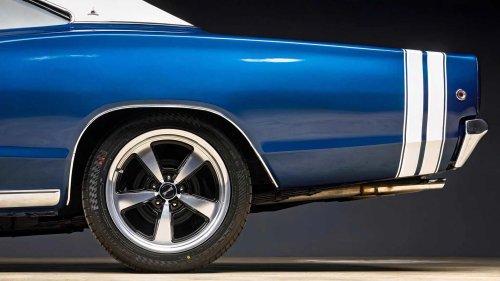
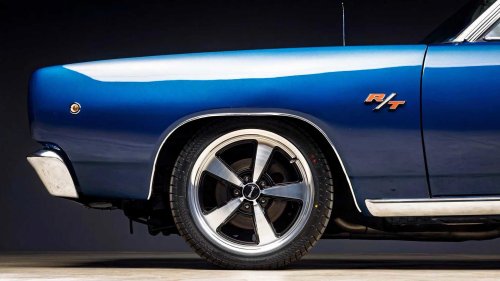
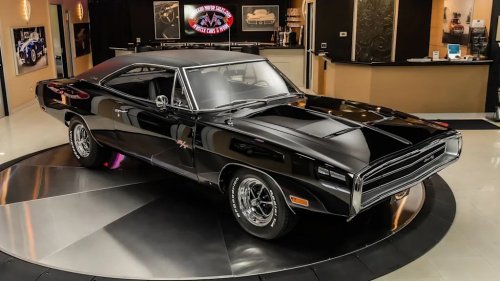
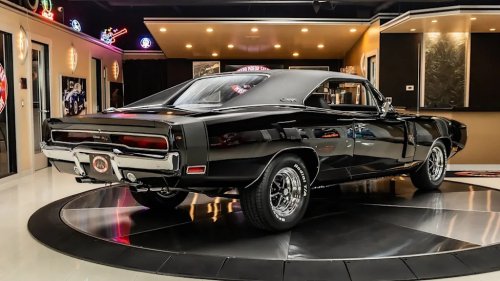
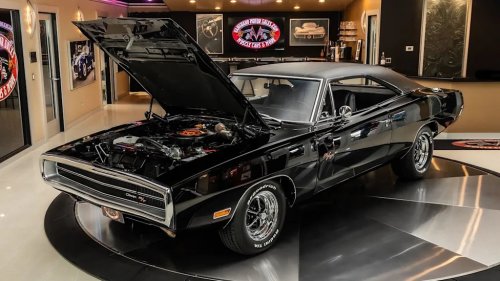
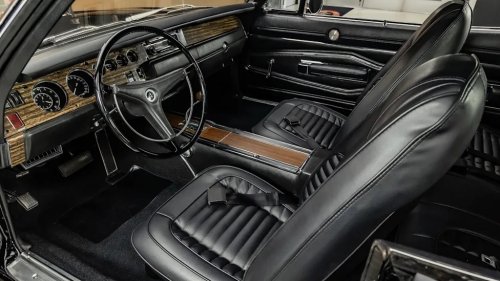
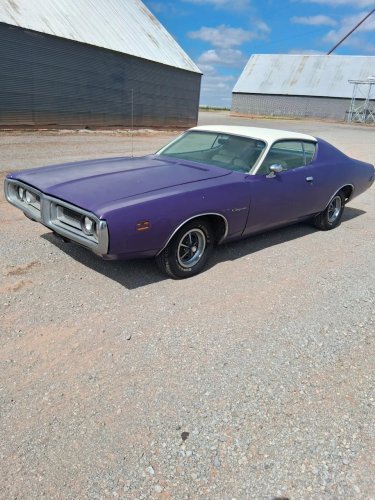
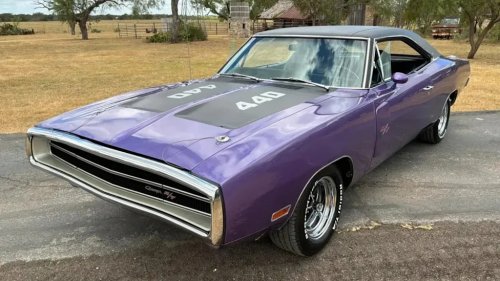
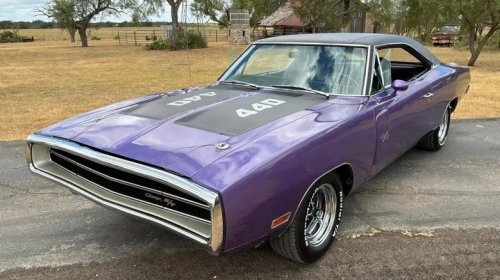
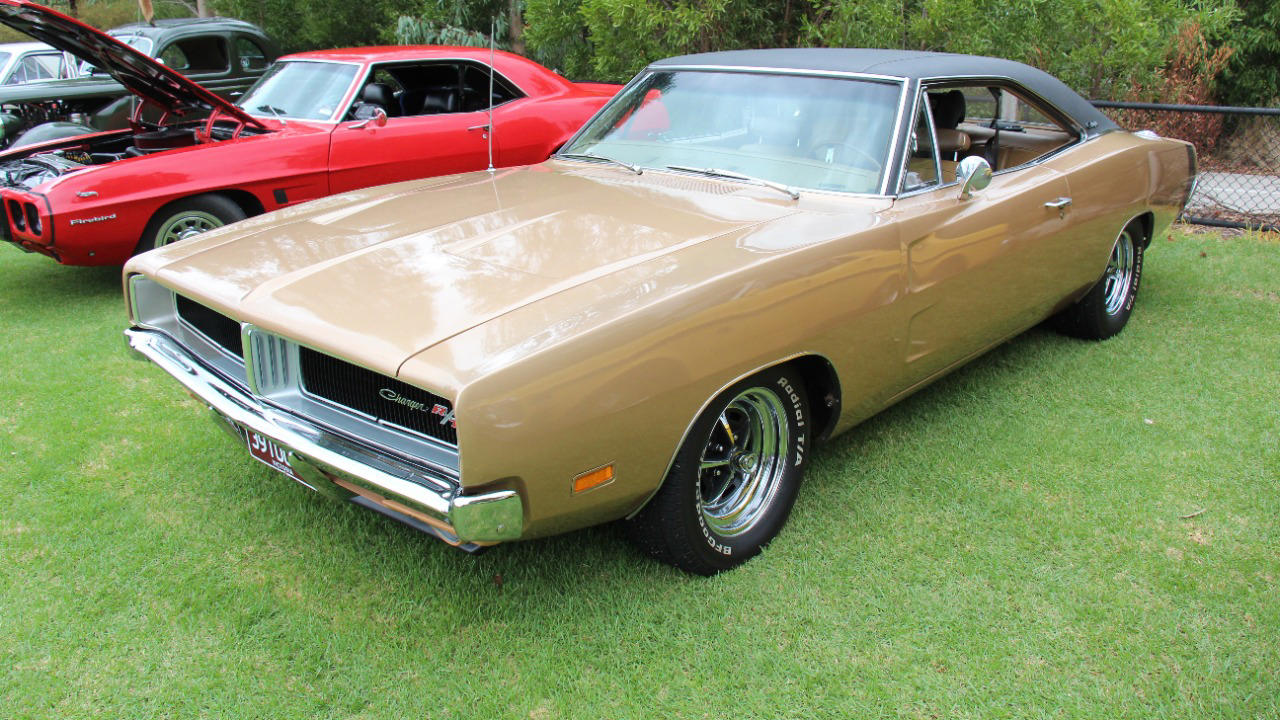
A 1969 Dodge Charger parked in a garage for 40 years still turns headsA 1969 Dodge Charger that has not seen daylight for four decades does more than gather dust. It becomes a time capsule, a rolling snapshot of the moment when American muscle was loud, unapologetic, and built with sheet metal that could survive a lifetime of abuse. When a survivor like that finally rolls back into the light, even on flat tires and with faded paint, it still stops people in their tracks. Across garages, barns, and storage units, stories of long-sleeping Chargers keep surfacing, each one feeding a market that now treats these cars as blue-chip artifacts rather than tired old coupes. The fascination is not only about nostalgia but also about rarity, originality, and the sense that every untouched Charger is a tangible link to a fast-disappearing era of American performance. The shape that still turns heads The appeal of a 1969 Dodge Charger begins with its silhouette. The long hood, recessed grille, flying buttress roofline, and full-width taillights give the car a presence that modern designs rarely match. Even stripped of shine, the proportions remain dramatic. Enthusiasts who open an old garage door and find that familiar fastback profile under a layer of dust are seeing the same lines that once defined the golden age of American muscle. That shape also carries real financial weight. Collector insurance and valuation guides treat the 1969 Dodge Charger as a benchmark car, with detailed breakouts for base models, R/T versions, and rarer trims. The broader Charger family, including special variants like the Charger 500 and Dodge Daytona, has become a reference point for rising muscle car values, and modern pricing data for the 1969 Dodge Charger reflects how strongly the market responds to originality and condition. One valuation snapshot lists recent sales of a 1969 Dodge Charger 500 through Motorious at figures of $159,500 and $150,000, a reminder that even before restoration, the right car can command six-figure attention. Those numbers help explain why enthusiasts obsess over long-stored examples that retain their original paint, trim, and drivetrains. From forgotten project to garage legend Not every Charger that resurfaces has been preserved as a pampered collectible. Many were parked as unfinished projects, victims of blown engines, changing family priorities, or simple neglect. A video walkaround of a 1969 Dodge Charger barnfind type project for sale captures that reality. In the clip, the seller, identified as Aug, talks viewers through a tired but complete car and jokes about how often people ask, “do you got any Chargers for sale,” before bluntly answering that he does not sell too many Chargers and that no, potential buyers cannot have the one they really want. The Chargers for sale in that context are less pristine artifact and more raw material for someone else’s dream. Scenes like that are common in the Mopar world. Chargers that once changed hands as cheap used cars now sit in garages with half-finished bodywork, mismatched wheels, and interiors stripped for reupholstery that never happened. Yet even in that state, the basic structure of a 1969 Charger still has gravity. The market for project cars has grown alongside the values of finished examples, and buyers increasingly chase “garage find” stories as fiercely as they chase concours restorations. Resurrecting a 41 year sleeper The mechanical side of reviving a long-sleeping Charger is often brutal, and that reality is on full display in a video that documents resurrecting a 41 year sleeping beast, a 1969 Charger that had sat unmoved for decades. In the footage, the narrator explains that he has pulled the motor mount bolts and is trying to jack the engine up and push it over just enough to get it out because it is almost locked in place. The struggle to free the drivetrain, captured at the moment he says he will jack this thing up, highlights what four decades of inactivity do to a car that was built to be driven hard. Engines that have not turned in years often seize. Fuel systems varnish. Brake lines rust from the inside. For many owners, though, the challenge is part of the appeal. Bringing a Charger back from a 40 year slumber is not just a mechanical exercise. It is a way to reconnect with the car’s original purpose, to hear a big block or small block V8 fire again after a silence that lasted longer than the car’s first life on the road. First wash in decades Before any serious mechanical work begins, many owners start with a simple but emotional step: the first wash. One widely shared video follows a 1969 Charger R/T garage find as it receives its first wash in 30 years. The host arrives at the owner’s shop and explains that they are about to wash the Charger, pausing to reference the old Chicago Glam car culture that once surrounded machines like this. The clip, which shows the car’s transformation as decades of grime rinse away, is anchored around that moment at the owner’s shop where the Chicago Glam era feels suddenly close again. Washing a car that has slept for decades is more than cosmetic. It reveals the truth about the bodywork. Rust bubbles that were hidden under dust become visible. Old collisions, amateur repairs, and mismatched panels come into focus. For a 1969 Charger, the first wash can confirm whether the car is a rare survivor with original sheet metal or a patchwork of replacement panels that will require extensive work. The lure of untouched dust and rust Some enthusiasts chase exactly that untouched look. A barn find story about a 1969 Dodge Charger with perfect original dust and rust shows how even a car with an engine-shaped hole under the hood can captivate. The Charger fastback model was first celebrated for its sleek lines and performance image. In this case, the car is definitely lighter because the drivetrain is gone, yet the appeal lies in the authenticity of every ding, scratch, and surface rust patch that formed while it sat. Descriptions of that car emphasize that the dust itself has become part of the story. The patina signals that no one has tried to dress the car up for sale. For preservation-minded collectors, an untouched Charger can be more desirable than a shiny restoration, because it offers a clearer window into how the car left the factory. Market proof: Chargers as investments The financial side of this fascination is not theoretical. A short clip titled “This 1969 Charger sat for 30 years” follows a 69 Dodge Charger RT four-speed car as it leaves its long-term home. The owner explains that he bought the car for the purpose of an investment and that it was missing original parts, yet the value was still compelling. The number 69, repeated as he describes the Dodge Charger RT, has become shorthand among enthusiasts for a model year that consistently commands strong prices. The Dodge Charger RT in that video is a reminder that even incomplete cars can function as rolling savings accounts. Valuation tools back up that instinct. Guides tracking the 1969 Dodge Charger show a steady climb for solid driver-quality cars and a sharper rise for rare configurations. The same datasets that list Charger 500 sales at $159,500 and $150,000 also show strong demand for well documented survivors with minimal modifications. For many owners, parking a Charger in a garage for decades has turned out to be an accidental investment strategy. Garage finds with serious hardware Some of the most compelling long-stored Chargers combine desirable options with nearly forgotten histories. A clip that introduces a garage-find 1969 Dodge Charger R/T 440 Magnum with an automatic transmission captures one such car. The host walks around the car and asks viewers what they think and whether it is worth restoring, emphasizing that it is a Charger RT with a 440 M engine and the automatic. That reference to the Magnum and the drivetrain underlines how much weight a specific engine code can carry in the market. Elsewhere, a heritage feature on a forgotten treasure 1969 Dodge Charger R/T describes a barn find with a rare Hemi engine setup. The story opens with the line that Sometimes automotive legends are not found on the showroom floor but buried in the forgotten corners of history. Such a car, once discovered, does not simply get stored again. Such a find gets resurrected, because a Hemi R/T represents the top of the Charger hierarchy and commands intense attention from collectors. From tow yards to Facebook rescues Not every long-sleeping Charger spends its exile in a private garage. Some end up in tow yards, impound lots, or outdoor storage, their fates uncertain until an enthusiast steps in. A social media post about a 1969 Dodge Charger 500 rescue describes a Dodge Charger Project For starters, with the author thanking the seller for being honest about the car’s history. The post refers to the 1969 Dodge Charge 500 as a project that still wears its original paint, even if that paint might be covering up surprises. That kind of transparency has become essential in a market where hidden rust and missing parts can turn an optimistic purchase into a financial sinkhole. Buyers who chase long-stored Chargers now rely on detailed photo sets, videos, and community feedback to judge whether a car is a viable restoration candidate or a parts donor. Daytona cousins and six figure barn finds The Charger story also includes its high-wing cousin, the Dodge Daytona. A barn-find 1969 Dodge Daytona that sold for $90,000 in as-found condition shows how far the appetite for untouched aero cars has grown. Another report on a 1969 Dodge Charger Daytona found in an Alabama barn describes a car that was selling for more than 150k, finished in red with a white wing. A separate valuation from Kendall Dodge Chrysler Jeep Ram highlights a Vintage Dodge Charger Daytona Found In Barn Valued At $180,000, reinforcing how preservation-grade aero Chargers sit at the top of the market. These Daytona stories matter because they help set expectations for the broader Charger family. If a rough but complete Daytona can bring six figures as a barn find, then a well optioned 1969 Charger R/T or 500 that has been parked indoors for 40 years starts to look like a serious asset. The halo effect lifts values across the range, from base models to top-spec cars. Time capsule survivors For some owners, the dream is not to transform a Charger into a flawless show car but to preserve it as a time capsule. A video titled a rare survivor/time capsule 1969 Dodge Charger…stored 30 years captures that mindset. The host describes finding his dream Mopar muscle car, a Dodge Charger that had been stored for three decades. The emphasis falls on originality, from factory paint to interior trim, with the term Mopar used as a badge of identity for the broader Chrysler performance community. The Dodge Charger in that clip is less a blank canvas and more a museum piece that happens to be road legal.Secrets and stories under the dust More from Fast Lane Only Unboxing the WWII Jeep in a Crate 15 rare Chevys collectors are quietly buying 10 underrated V8s still worth hunting down Police notice this before you even roll window down



















 +5 others