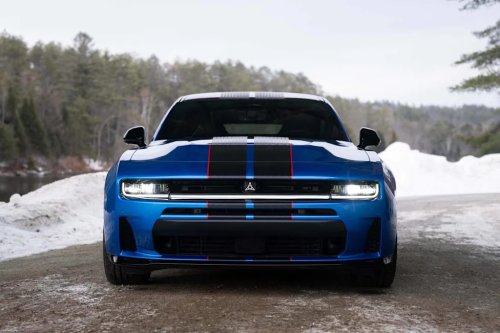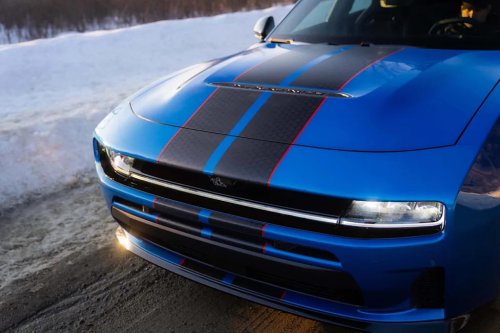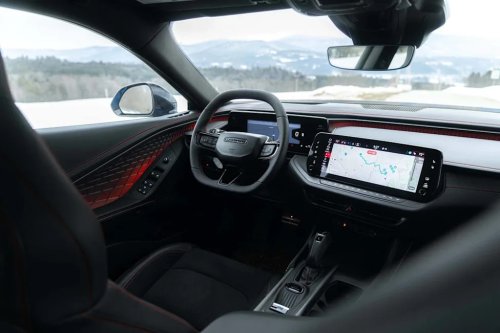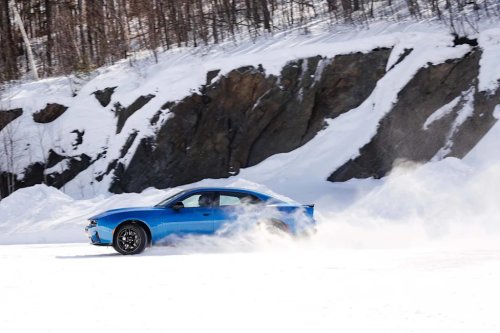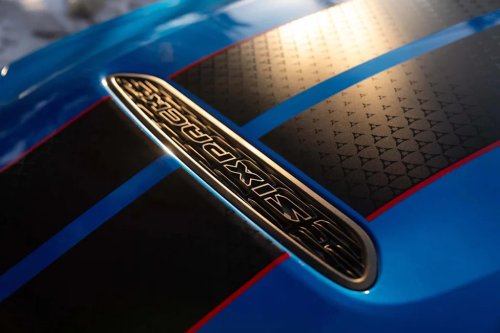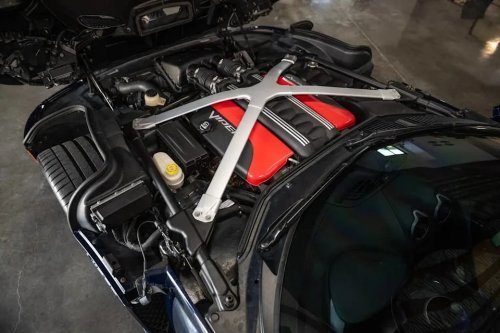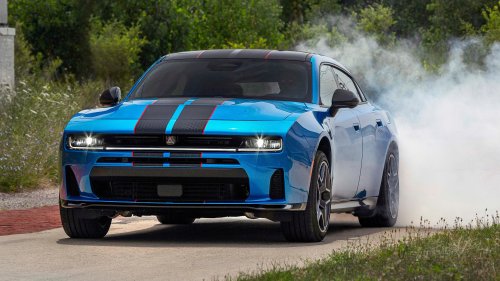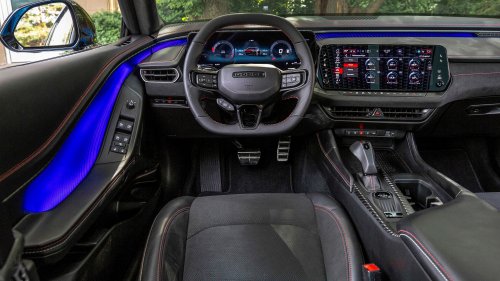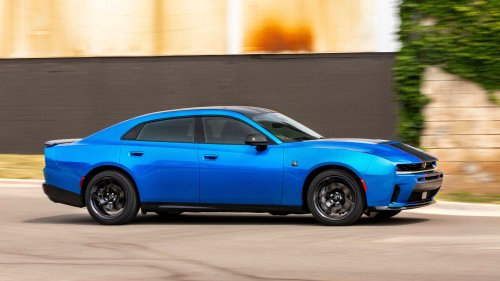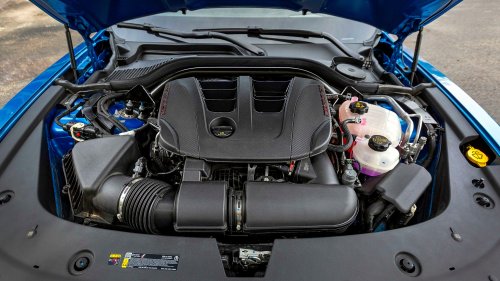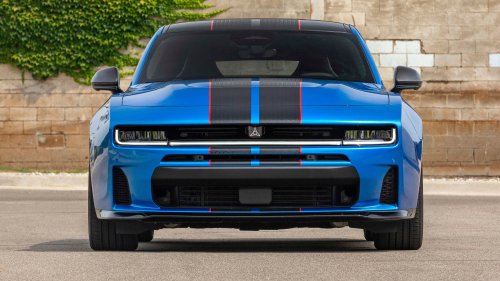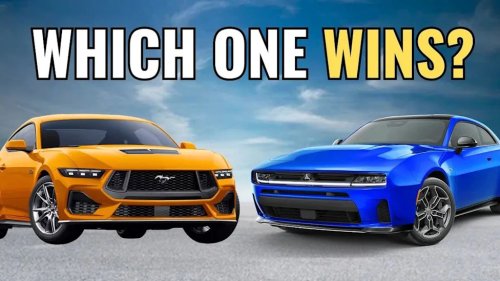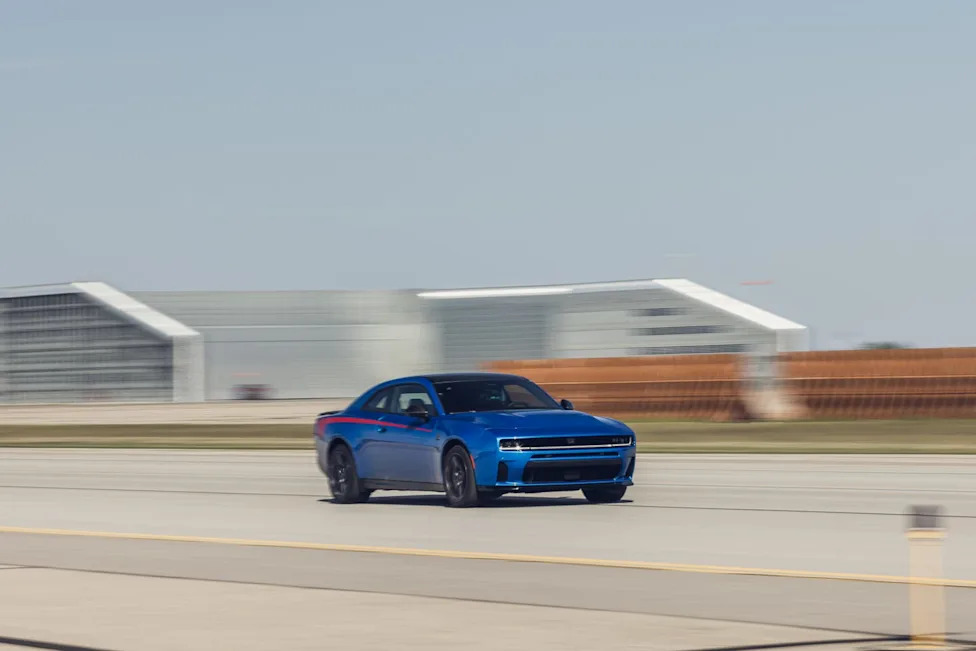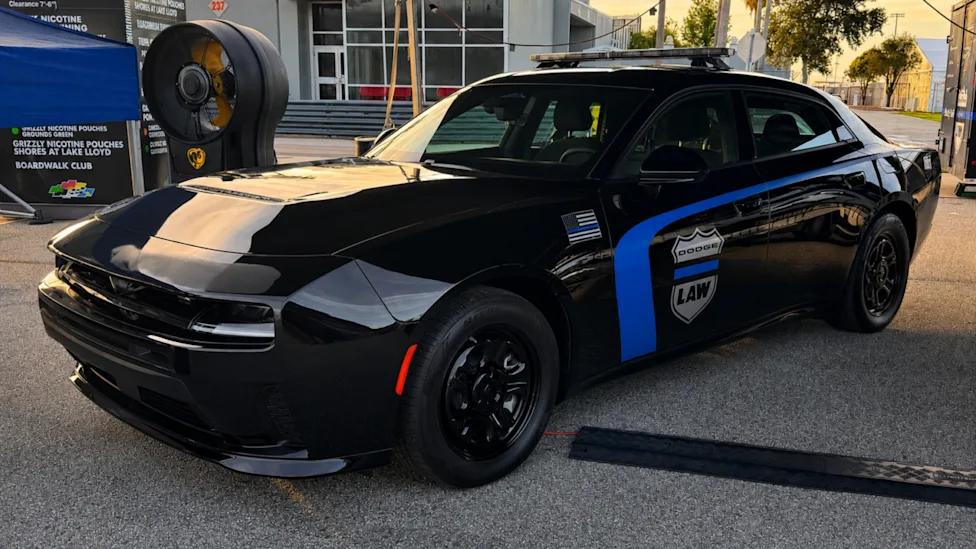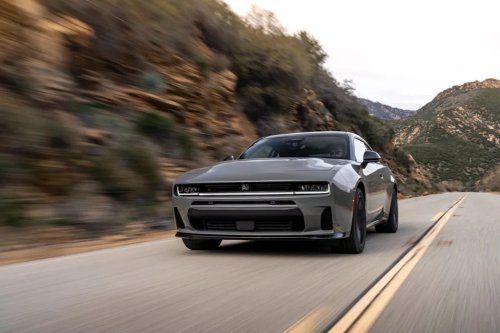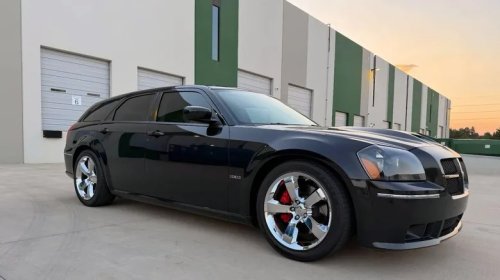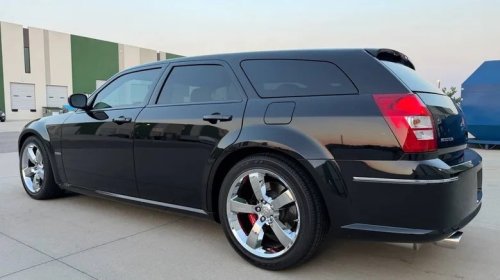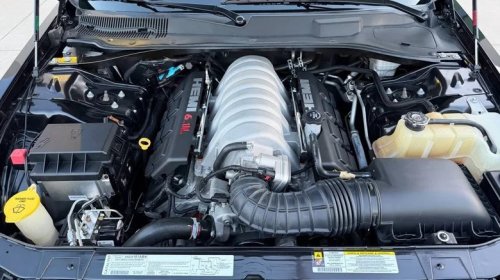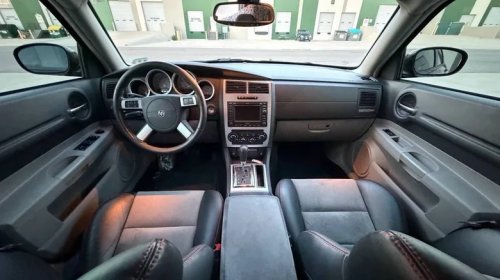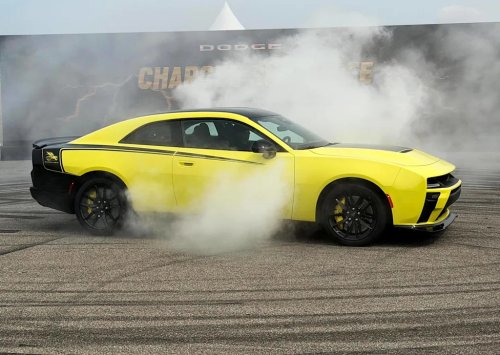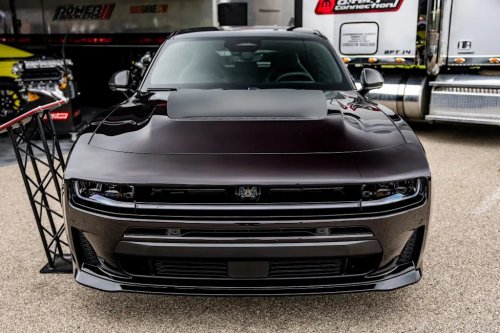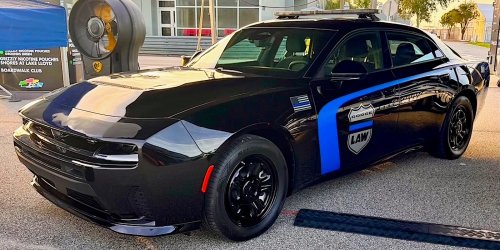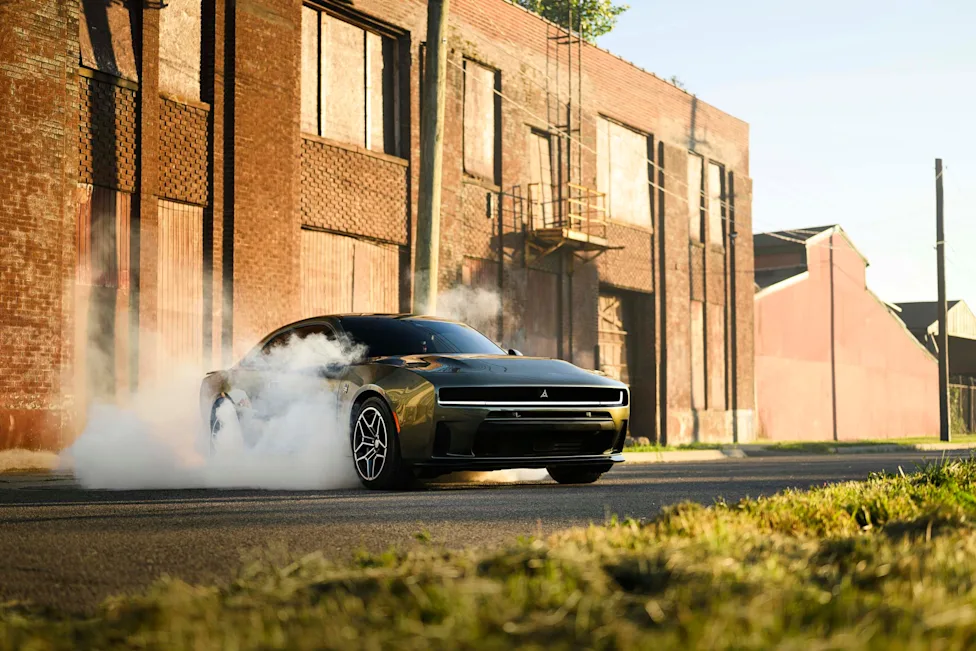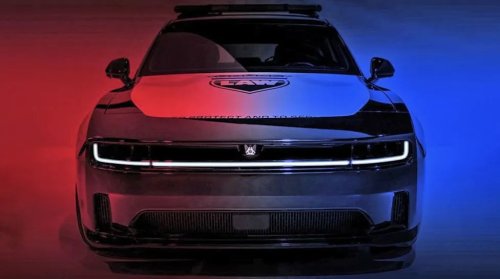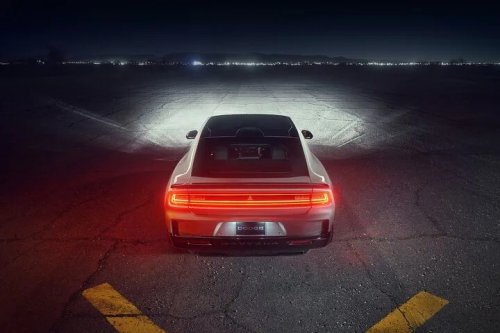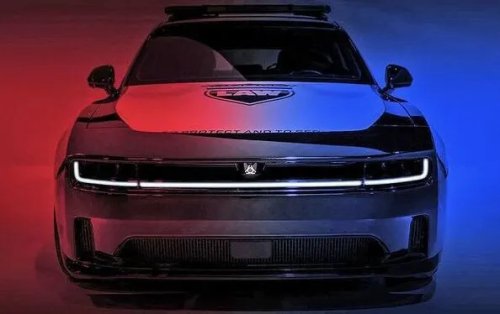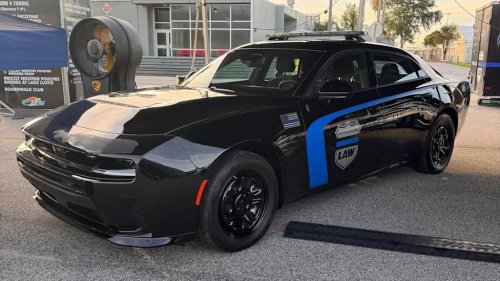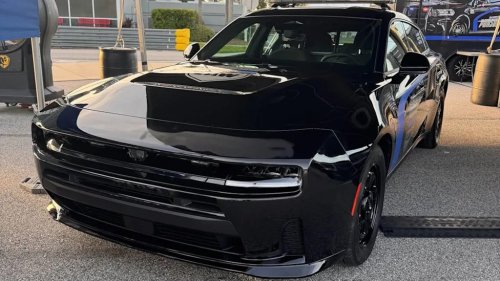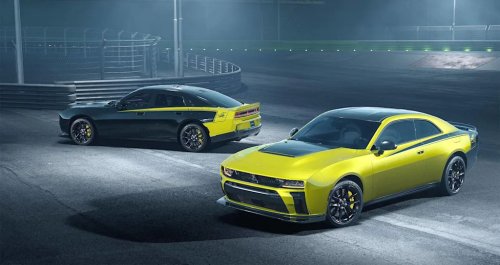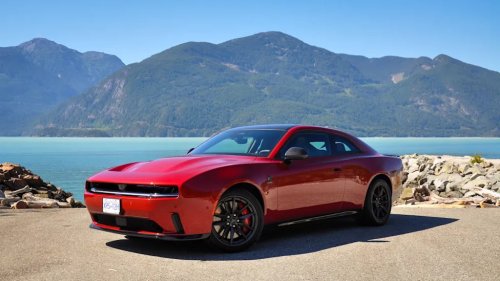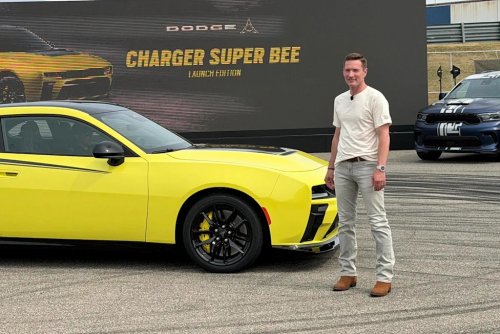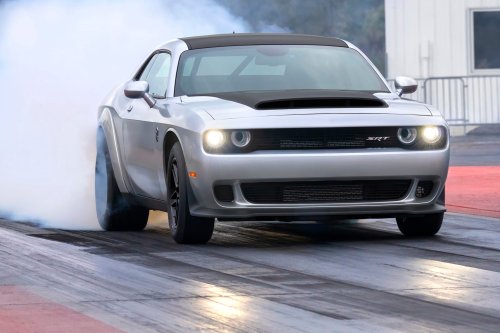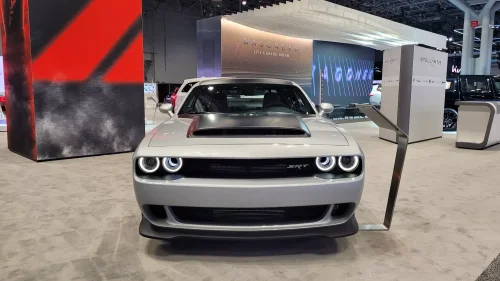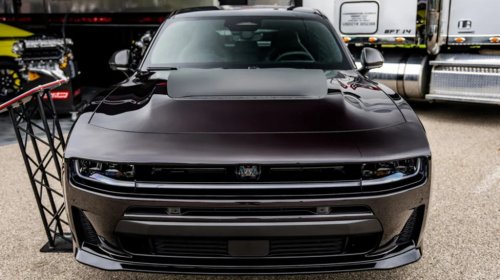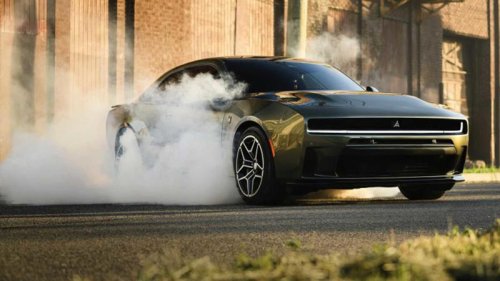
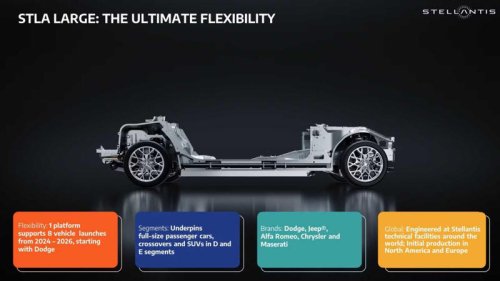
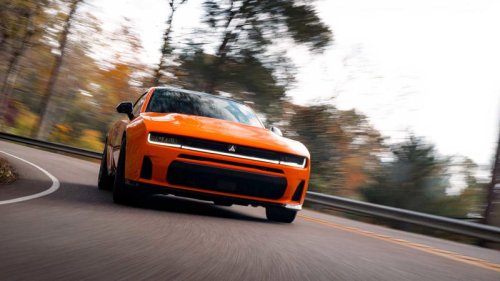
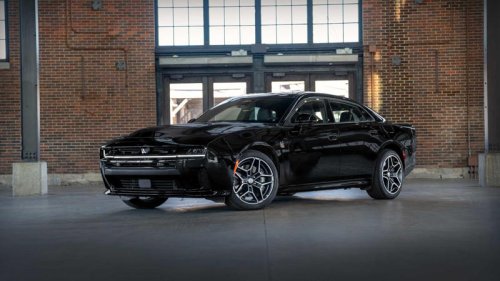






















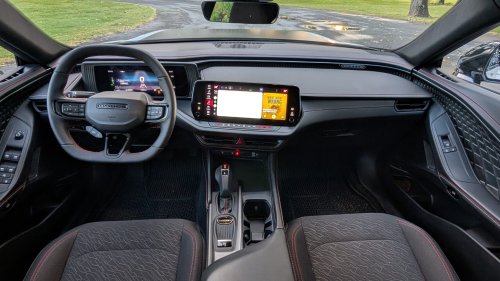


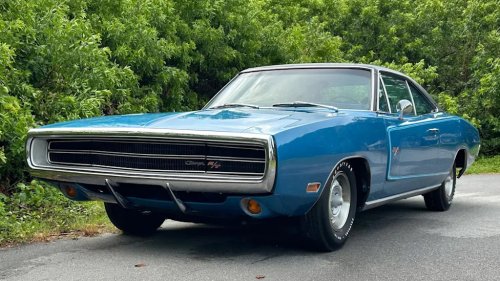
In 2023, Stellantis discontinued the Hemi V8 used in the Charger Hellcat and replaced it with an all-electric model in 2024, the Daytona Package, which produced incredible power even in the base model. The electric Scat Pack had marginally less power, but its instant torque, as is expected with electric vehicles, gave it comparable performance to the outgoing Hellcat.Stellantis later brought a gas-powered engine back to the Charger in 2025 with a less-powerful SIXPACK engine than it used in its earlier Hellcat and Scat Pack vehicles. However, rumors have been circling from high-ranking management that the Hellcat Hemi V8 could make a splashing return in 2027 Dodge Charger vehicles, returning the legendary Hellcat nameplate to the model.With the industry’s massive shift to electric vehicles, Stellantis didn’t anticipate that the electric Charger would return sales as low as they have received. Also, with enthusiasts continuing to demand the signature "V8 roar" that the Hellcat was so famous for, Dodge had to return to the drawing board to do what normal business practices demand: “supply the demand.” Engine and Performance Expectations Dodge Stellantis has no intention of replacing the all-electric Charger model with a Hellcat, and the rumored Hellcat model will sit alongside the Daytona trim in the Charger lineup. Because of this, in August 2025, Stellantis’s Dundee Engine Plant in Michigan resumed production of the 6.2-liter supercharged Hemi Hellcat engine. This engine is expected to churn out at least 777 horsepower from its grunty eight cylinders, making it the flagship product of the new generation. A high-performance upgrade path offered through Dodge Direct Connection, termed “the Hellcat Stage 2”, will push the 6.2-liter supercharged V8 well beyond its factory limits.This possible pivot by Stellantis is expected to return a number of the original V8 engines that were earlier discontinued, including the 370-horsepower 5.7-liter Hemi V8 and the 485-horsepower 6.4-liter (392) Hemi V8, which is anticipated to deliver a "purist" Scat Pack variant. In addition, there is a 5.8-liter supercharged Hemi V8, which was revealed in late 2025 specifically for track-only use. It will have a limited run of 50 units.The battle for the flagship will be between the upcoming Hellcat trim and the SRT Banshee trim, which is currently either still in development or a completely canceled project. This trim will utilize an 800-volt architecture and a multi-speed transmission in an electric powertrain to produce between 885 horsepower and 1,320 horsepower. However, both the standard and high-output 3.0-liter SIXPACK engines are expected to remain in the lineup going forward. But now that they have developed an electric platform, does this mean we will see a hybrid hellcat? Platform and Architecture Stellantis The STLA Large platform was designed specifically to house a battery-electric vehicle, but insiders say it is highly flexible and can support a multi-energy unibody architecture. On it, Stellantis desires to produce its next set of high-performance D- and E-segment vehicles. The platform is designed to be a bridge platform that can support different powertrains from pure electric to hybrid, and internal combustion engine (ICE) powertrains simultaneously.This platform is designed with all-wheel drive as its standard drivetrain configuration across all trims. However, it has a unique feature where the front axle can physically disconnect from the rear, changing it to a rear-wheel drive configuration when it needs to improve range and efficiency. It can also allow drivers to perform "smokey burnout", which is a classic muscle car behavior.The STLA Large platform brought a weight issue to the Charger, meaning that regardless of trim or powertrain option, the Charger is heavier than the outgoing models. The Daytona trim is approximately 1,300 pounds heavier than the discontinued 2023 Hellcat trim, while even the SIXPACK inline-six engine still came in over 400 pounds heavier than earlier Scat Pack trims. This weight change came as a result of upgrades made to the steel frame and bracing, so the platform could better handle the demands of electrification’s instant torque, as well as modifications to make all-wheel drive standard across the range. Pricing and Market Positioning Dodge Although price figures aren’t generally available yet, MSRP for the 2027 generation is expected to range from approximately $50,000 for entry-level gasoline models to over $140,000 for high-performance specialty variants. The current gasoline (Hurricane Inline-Six) R/T, which produces 420 horsepower, is expected to start near $49,995, which is consistent with late 2026 pricing. The 550-horsepower Scat Pack version will likely begin around $54,995 to $57,000.The Electric (Daytona) Scat Pack trim, producing 670 horsepower for 2027, could see a significant price jump to $72,495 for the coupe and $72,995 for the sedan. The SRT Banshee is expected to sit at the top of the electric range and could potentially start between $90,000 and $100,000. This price should be similar to the rumored V8, the return of the Hellcat, with the standard 6.2-liter Hellcat estimated to cost between $80,000 and $100,000. In comparison, the previous 2023 Hellcat had a base price of $63,995. The Hellcat Stage 2 will produce as much as 1,207 horsepower: this high-end specialty variant could reach an MSRP of $143,000, replacing the 2023 Dodge Challenger SRT Demon 170 as the most expensive Charger trim. The V8 Scat Pack 5.7-liter and 6.4-liter engines will cost between $53,000 and $60,000.The Ford Mustang Dark Horse, which remains the only V8 rival to the Charger, will cost significantly less than the Hellcat at $63,280. But this 500-horsepower vehicle sits closer to the Scat Pack trims than the Hellcat in performance, making the Charger cheaper in comparison. The same could be said about the BMW M3 / M4, which competes with the SIXPACK Charger with its 503-horsepower engine, but costs $19,000 more. The Cadillac CT5-V Blackwing may be the closest competitor to the Hellcat, although its 600-horsepower engine competes more closely with the Daytona. It costs approximately $23,000 more. The SRT Banshee will compete directly with the Tesla Model S Plaid, costing marginally to significantly more than the Plaid’s $89,990 base price, although cars are rarely bought for the base price. Release Timeline And What Remains Unconfirmed Stellantis/Dodge The anticipated debut of the Hemi V8 variants, including the supercharged 6.2-liter Hellcat, will possibly be between late 2026 and early 2027. Although much of the roadmap has been clarified by official announcements and widespread reports, several key details remain unofficial or subject to change. For instance, the SRT Banshee project was canceled in 2025 due to the decline in demand for EVs compared to before, as well as software concerns and cost, but Stellantis’s new shift, which brought the resurrection of the Hellcat nameplate, could see it make a return.Dodge has not yet released any official performance data, final trim names, or finalized fuel economy ratings, although the return of the Hemi V8 for 2027 is widely reported as "confirmed" by enthusiasts and industry leaks. The exact pricing for the 2027 gasoline V8 models also remains entirely speculative, and all estimates ranging from $50,000 to $100,000+ are subject to change. As of today, what’s confirmed and expected is that the Charger will return in 2027 with the 5.7-liter Hemi 370-horsepower, the 6.4-liter Scat Pack 485-horsepower, and possibly the 6.2-liter Hellcat, along with the standard and high-output SIXPACK engines. The electric powertrain will also return to the trims, which would make hybrid variants like the Hellcat a good possibility.