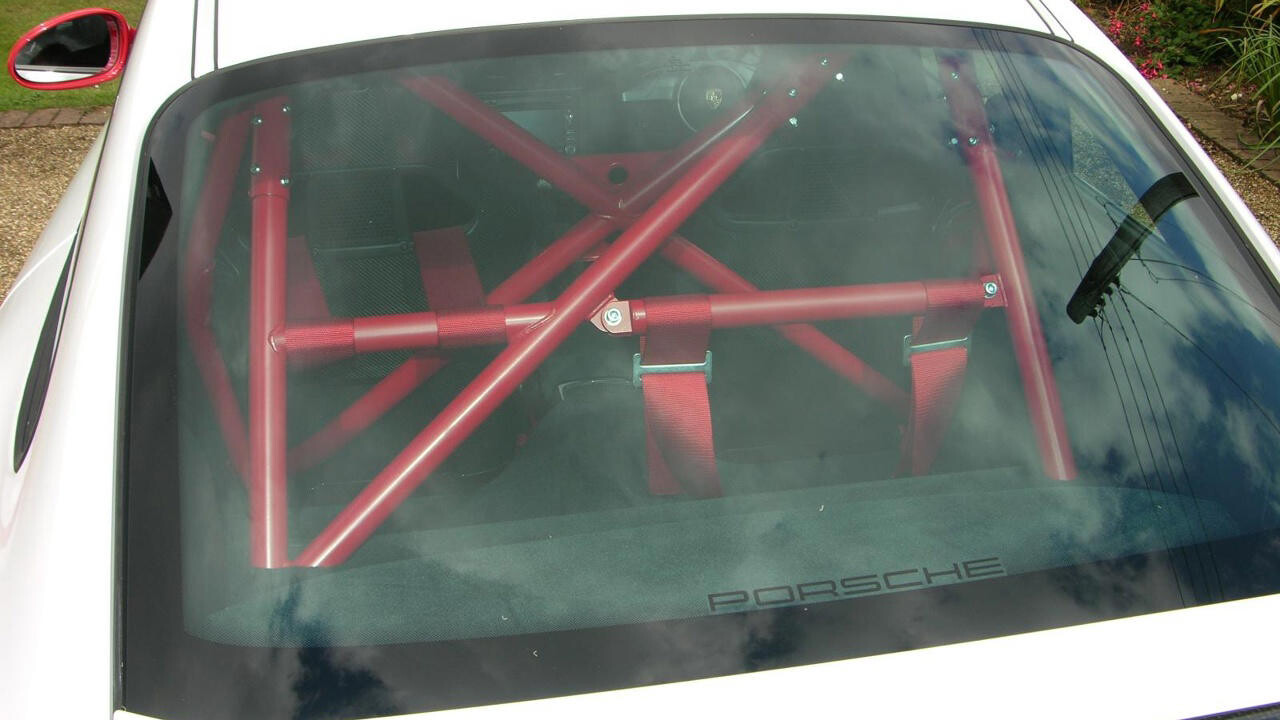
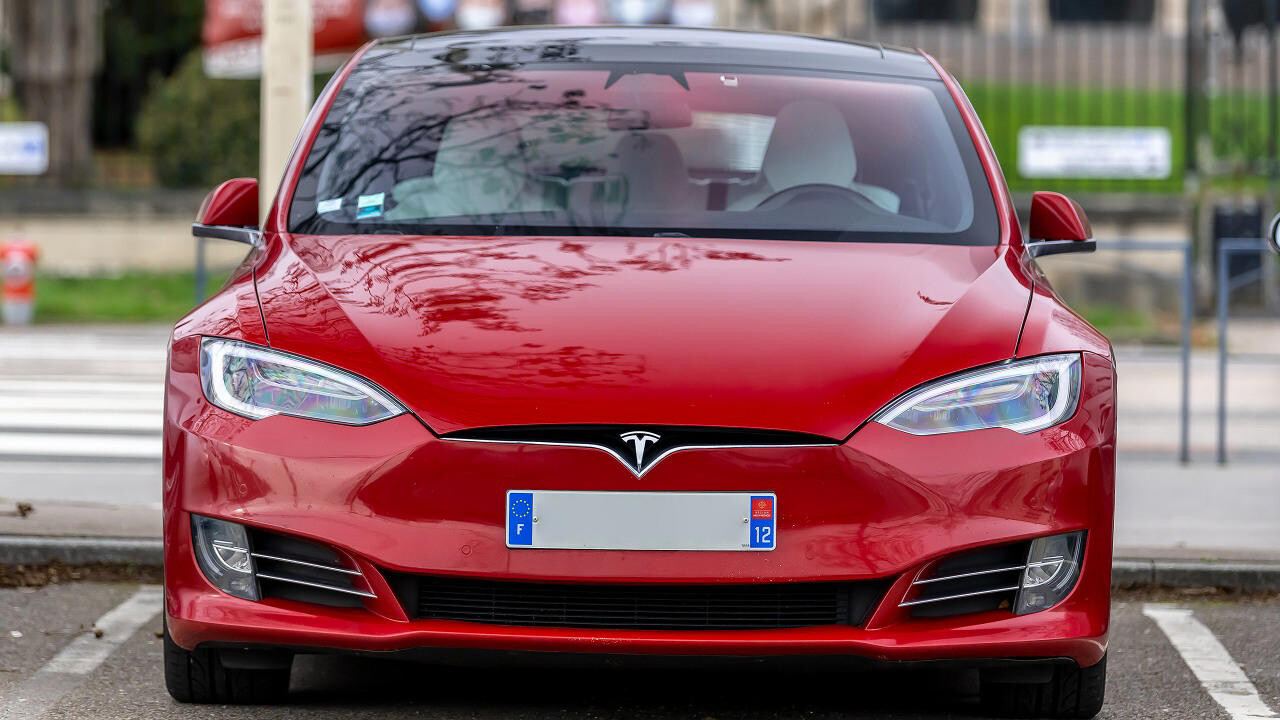
Many modern car features you see today trace their origins back to the high-speed, high-stakes world of racing. Engineers and designers have long tested the limits of automotive technology on race tracks before adapting these innovations for everyday vehicles. From improving safety to enhancing performance, these design cues have been integral in shaping the cars we drive today. Aerodynamic Spoilers Image Credit: Calreyn88, via Wikimedia Commons, CC BY-SA 4.0 Aerodynamic spoilers are more than just flashy additions to a car’s exterior; they were originally engineered to improve a vehicle’s grip on the track. By reducing lift and increasing downforce, spoilers help race cars maintain stability at high speeds. This technology has been translated into consumer vehicles, providing better handling and improved fuel efficiency. For instance, the iconic Porsche 911 has utilized spoilers since the 1970s, refining its design to enhance both performance and aesthetics. In modern vehicles, even subtle lip spoilers are used to manage airflow, illustrating how this racing innovation has become a staple in car design. Brands like Tesla have incorporated aerodynamic design cues to maximize efficiency, demonstrating the lasting impact of racing technology on everyday driving. Lightweight Materials Image Credit: Arnaud 25, via Wikimedia Commons, CC BY-SA 4.0 The use of lightweight materials in car manufacturing was pioneered in the racing world to improve speed and agility. Materials like aluminum and carbon fiber were initially employed to reduce weight without compromising strength. This principle has been adopted by car manufacturers aiming to enhance fuel efficiency and performance in consumer vehicles. The BMW i8 is a prime example, using carbon fiber-reinforced plastic to maintain a lightweight structure. Today, manufacturers continue to explore new materials and composites to further reduce vehicle weight, showing how racing technology has fueled innovation in material science. These advancements not only contribute to better performance but also support environmental goals by improving fuel economy. Low-Profile Tires Image Credit: OWS Photography, via Wikimedia Commons, CC BY 4.0 Low-profile tires, characterized by their shorter sidewalls, offer improved cornering stability and better road feel, essential for race cars navigating tight turns at high speeds. Initially developed for track performance, these tires have made their way into mainstream vehicles, providing drivers with a sportier, more responsive driving experience. High-performance models like the Ford Mustang and Chevrolet Camaro often feature low-profile tires as standard equipment. The transition from racing to consumer vehicles highlights how these tires also contribute to a vehicle’s aesthetic appeal, often enhancing the overall look with larger wheels that fill out wheel arches. This design choice balances performance with style, appealing to a wide range of driving enthusiasts. Bucket Seats Image Credit: OSX, via Wikimedia Commons, Public domain Designed to keep drivers securely in place during high-speed maneuvers, bucket seats originated in racing cars where safety and stability are paramount. These seats provide lateral support, reducing the driver’s movement and enhancing control. Over time, bucket seats have been adapted for consumer cars, particularly in sportier models like the Subaru WRX and Nissan GT-R. Beyond performance, bucket seats have become a statement of style and comfort in many vehicles. With customizable options and premium materials, they offer a tailored fit and a sporty aesthetic, catering to both performance enthusiasts and those seeking a unique interior design. Multi-Function Steering Wheels Image Credit: Lothar Spurzem, via Wikimedia Commons, CC BY-SA 2.0 de Race car drivers need to access various controls without taking their hands off the wheel, leading to the development of multi-function steering wheels. These wheels integrate buttons and switches for vital functions like radio, cruise control, and even gear shifting, allowing drivers to maintain focus on the road. This innovation has seamlessly transitioned to consumer vehicles, enhancing convenience and safety. Modern cars, such as the Audi A4 and Mercedes-Benz C-Class, offer multi-function steering wheels as standard or optional features. This design cue has become essential in providing an intuitive driving experience, demonstrating how racing innovations enhance everyday usability. Roll Cages Image Credit: The Car Spy, via Wikimedia Commons, CC BY 2.0 Safety is paramount in racing, leading to the development of roll cages that protect drivers in the event of a crash. These metal frameworks reinforce the vehicle’s structure, significantly improving safety. Although typically hidden from view, roll cage technology has influenced car manufacturers to prioritize passenger safety through advanced structural designs. While not directly visible in consumer vehicles, the principles behind roll cages have contributed to the development of reinforced frames and crumple zones. These safety features are standard in modern cars, showing how racing innovations have made everyday driving safer for everyone. Carbon Fiber Components Image Credit: Ermell, via Wikimedia Commons, CC BY-SA 4.0 Carbon fiber’s strength-to-weight ratio made it a popular choice in racing, where every gram counts. Initially used for body panels and structural components in race cars, carbon fiber is now a hallmark of high-performance consumer cars. Vehicles like the McLaren 720S and BMW M4 integrate carbon fiber to enhance performance and reduce weight. Beyond performance cars, carbon fiber has found its way into mainstream vehicles, often in the form of trim pieces or optional packages. This material’s versatility and performance benefits continue to influence automotive design, reflecting its racing heritage. High-Performance Brakes Image Credit: Alexander Migl, via Wikimedia Commons, CC BY-SA 4.0 High-performance braking systems, including larger discs and advanced materials, were developed for race cars to ensure quick and effective stopping power. These systems are crucial for maintaining control during high-speed racing. Today, cars like the Porsche 911 and Audi R8 feature advanced braking technologies, offering exceptional stopping power for spirited driving. Such braking systems have become increasingly available in consumer vehicles, enhancing safety and performance. The adoption of technologies like ceramic composite brakes in everyday cars underscores the influence of racing innovations on automotive safety and efficiency. Advanced Suspension Systems Image Credit: Alexandre Prevot, via Wikimedia Commons, CC BY-SA 2.0 Racing demands precision handling, leading to the creation of advanced suspension systems that optimize grip and stability. These systems, including adaptive dampers and adjustable setups, allow for fine-tuning based on track conditions. In consumer vehicles, adaptive suspension systems have become a popular feature, offering a balance between comfort and performance. Cars like the Tesla Model S and BMW 5 Series utilize adaptive suspensions to cater to different driving styles and conditions. This flexibility, rooted in racing technology, enhances the driving experience by offering tailored handling characteristics. Turbocharged Engines Image Credit: Alexander Migl, via Wikimedia Commons, CC BY-SA 4.0 Turbocharging technology was initially embraced in racing to boost engine power without significantly increasing weight. By forcing more air into the combustion chamber, turbocharged engines produce greater power and efficiency. This technology has become widespread in consumer vehicles, valued for its ability to deliver high performance with improved fuel economy. Models like the Volkswagen Golf GTI and Ford EcoBoost series showcase the benefits of turbocharging, offering drivers a dynamic yet efficient driving experience. Turbocharged engines exemplify how racing innovations can lead to more sustainable and enjoyable everyday driving. Like Fast Lane Only’s content? Be sure to follow us. Here’s more from us: Unboxing the WWII Jeep in a Crate The Fastest Farm Truck Ever Built *Created with AI assistance and editor review.