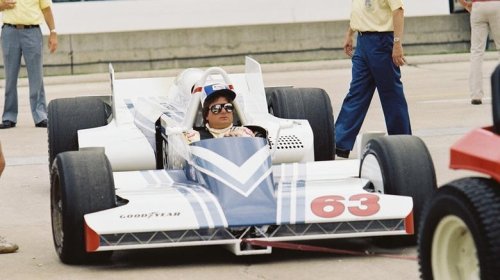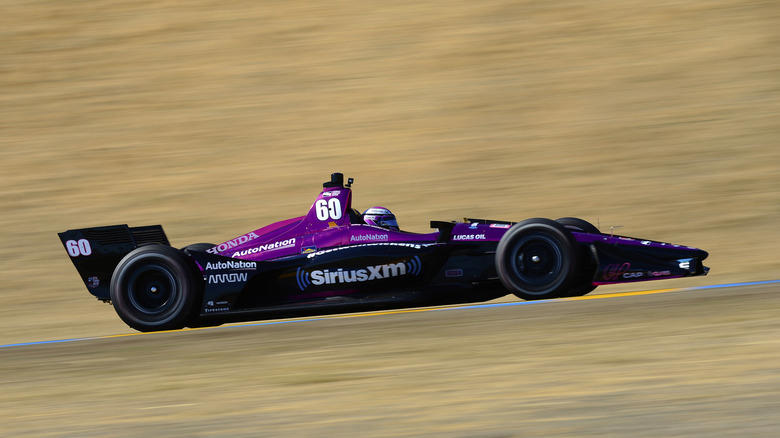
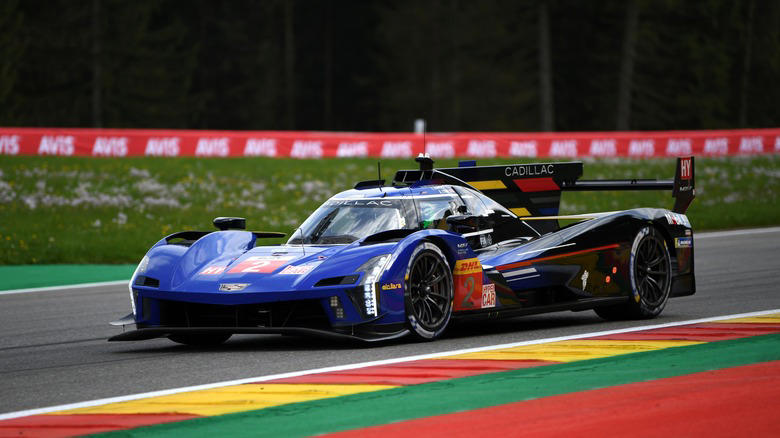
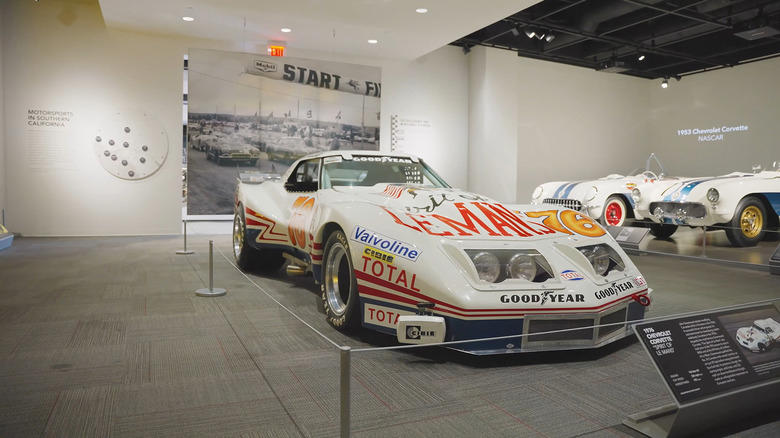

















2018 Schmidt Peterson Motorsports IndyCarFormula One may be the pinnacle of open-wheel motorsport worldwide, but IndyCar has long since been the top category in the U.S. The first IndyCar race was held in Portland, Oregon in 1909, becoming one of the oldest racing series in the world. Ever since, the series has gone through tremendous evolution with countless manufacturers taking part. One of these is Dallara, an Italian company that has produced the chassis for every IndyCar team since 2008. The current generation of IndyCars was introduced in 2012 after Dallara opened its new facility exclusively for IndyCar in Indiana, and the lineup that Schmidt Peterson Motorsports entered for the 2018 season still stands out as one of the best-looking in recent history.The current third generation of cars is already naturally a joy to look at, but the liveries that this Indianapolis-based company put to use seven years ago only enhanced it. While simple, each of the three cars used a primary color on the top half of the cars, with one using gold, another using pink, and the third using red, all in contrast with a black bottom half. The chrome finish of the colors made the Schmidt Motorsports cars so distinct when going wheel-to-wheel with the rest of the field. The gold-colored car won the 2018 Iowa Corn 300 with James Hinchliffe behind the wheel, which would be the team's only victory that year. McLaren acquired Schmidt Peterson Motorsport in 2021.2023 Cadillac V.Series-RMoving to the modern age of American racing, very few manufacturers have as much presence in motorsport as Cadillac. While this is set to expand in 2026 with the Detroit-based brand entering Formula One as the eleventh team on the grid, it has been competing in the highest classes of endurance racing in the WEC and IMSA championships with the formidable V.Series-R. The car replaced the DPi-V.R prototype in 2023 and went on to secure the IMSA SportsCar Championship the same year, but has yet to see victory in WEC.The V.Series-R, like many others in its class, uses a hybrid powertrain, consisting of a 5.5-liter V8 and an electric motor, with its thunderous engine note sounding unlike anything else on either grid it competes on. While the sound stands out as one of the V.Series-R's best features, its design can't be ignored. Manage to carry over the wide, boxy design style seen in countless road-going Cadillac models over the years, the brand manages to honor its legacy without sacrificing performance, with the extreme aerodynamic requirements these cars need to be competitive being well and truly present on Cadillac's latest prototype racecar.1976 Chevrolet Corvette Spirit Of Le MansThe Chevrolet Corvette is no stranger to motor racing, with the American sports car entering competition shortly after it was released to the public in 1953. One of the leading cars for the nation when it came to motorsport, the Corvette still races today in multiple GT categories, whether that's in IMSA or WEC. While a fair few Corvettes from the past stand head and shoulders above when it comes to pure style, one specific car from the late 1970s is particularly memorable. Greenwood Corvettes is renowned for its various editions of the iconic sports car, but the Spirit of Le Mans racer, designed for both the IMSA championship and to compete in the 24 Hours of Le Mans, remains one of the extraordinary Corvettes ever built.Based on the C3 Corvette, which is already a pretty bold car, the Spirit of Le Mans Corvette features a widebody kit that only accentuates the curves of the C3 generation for the car. The new shell was constructed using fiberglass to save as much weight as possible, which was complete with various features to enhance the aerodynamics of the car, including prominent fenders on each side of the widened rear. Under the hood of the Spirit of Le Mans Corvette was a massive 600 cubic-inch V8 producing around 1,000 horsepower, and to top it off, the stars and stripes livery that the car ran makes it one of the most American racecars through and through.