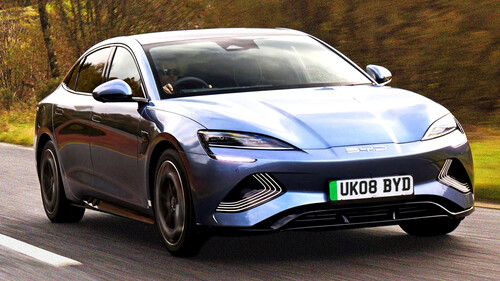
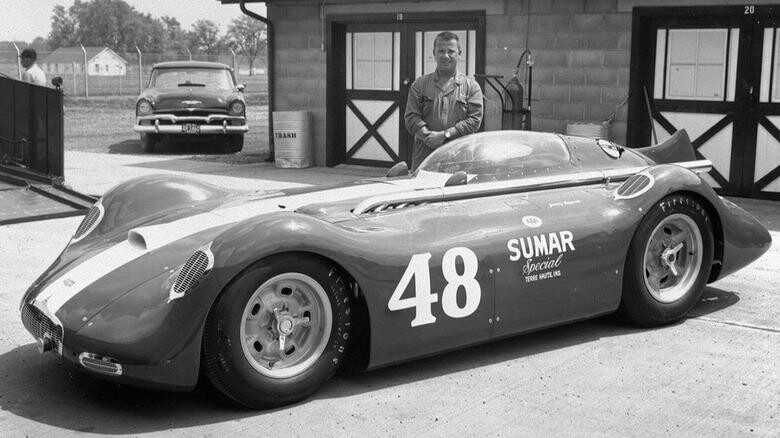
Samuel Turner · 3 months ago@samuelturner2605 of the strangest cars to ever race in the Indy 500 Liked by+44 othersAuto EnthusiastsPost commentRelated Posts5 of the most iconic Pontiac sports cars ever madeJacob Morgan · 1 months agoTakuma Sato on Why Indy Is the Most Special Race, and a Third 500 Win the Only Thing on His Mind 66 · Audrey Nelson · 5 months ago9 of the best engines ever put in a Mopar muscle car 96 · Adam Anderson · 4 months agoKatherine Legge to Attempt 'The Double,' Race Indy 500 and Coca-Cola 600 On the Same Day 32 · Charlotte Wilson · 5 months agoBYD's Brazil plant rolls out 100,000th NEV as workforce tops 5,500 16 · Olivia Girard · 3 months agoThe History Behind One Of The Strangest Cars To Ever Win Le Mans 74 · Ava King · 29 days agoThis year's Indy 500 pace car has nearly double the horsepower of the race cars 27 · Henry Mitchell · 5 months agoHyundai Ioniq 5 N Drops Price By $6300 for 2026, Starts at $61,500 55 · Mia Wilson · 3 months agoVolkswagen Group Prepares for Potential 4 Million-Car Recall — Its Largest Ever Over a Small Bolt 90 · Nicole Brown · 29 days agoRace on the Fiat Factory Roof Test Track in This Charming Indie Game 71 · Lucas Tremblay · 5 months agoDodge Power Dollars Is Back: 2026 Charger Sixpack Is Up to $5,500 Off 41 · Justin Brown · 3 months agoNew Bentley Torcal revealed: brand's first EV is its most powerful car ever 27 · Amélie Johnson · 1 months agoHyundai’s Ioniq 5 Is Selling Better Now Than It Did With The $7,500 EV Credit 32 · Abigail King · 3 months agoMecum Rolls Into Music City: 1,750 Cars and a First-Ever Nashville Auction Start Tomorrow 35 · Emily Labelle · 1 months agoTexas Real Estate Guy Wants to Make a $21,500 Truck. He Got 5,500 Reservations in Six Days 73 · Henry Martin · 4 months agoErlanger Lions' Club First Ever Car Show 85 · Charlotte Wilson · 1 months agoBYD Took 5% Of The UK Market In Three Years, Now It Wants 1,500-kW Charging 35 · Ella Leblanc · 4 months agoBentley To Debut Its Most Powerful Road Car Ever On September 23 33 · Carter Young · 1 months agoAt $5,500, Is This 1993 Jeep Cherokee Rough And Ready To Find A New Home? 93 · Abigail Lavoie · 4 months agoThe Bestselling Vehicle Ever Built With A CVT Isn't A Car 59 · Emma Macdonald · 1 months ago



 +44 others