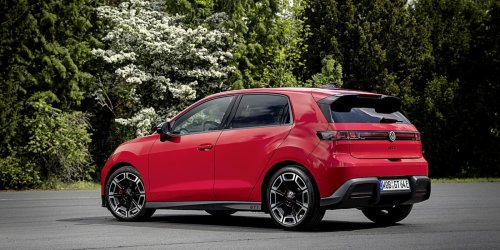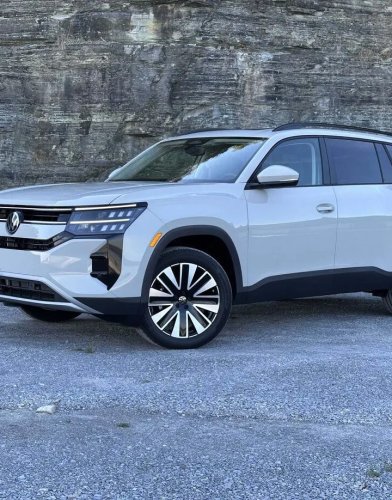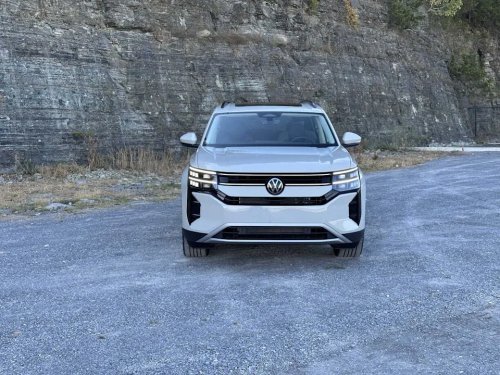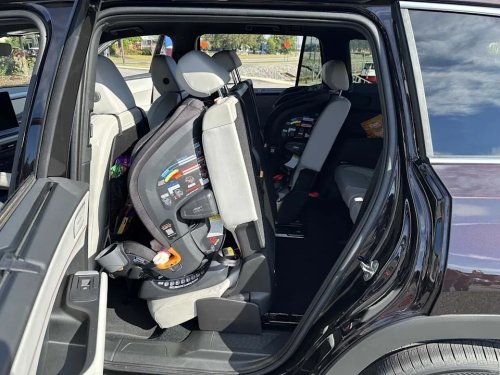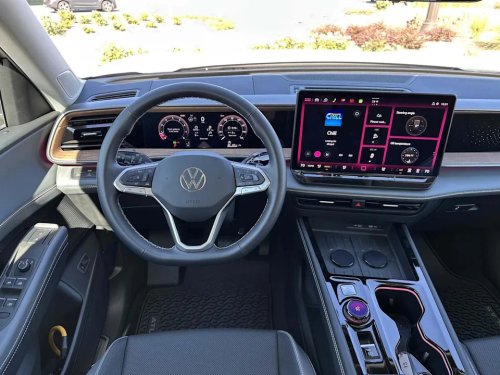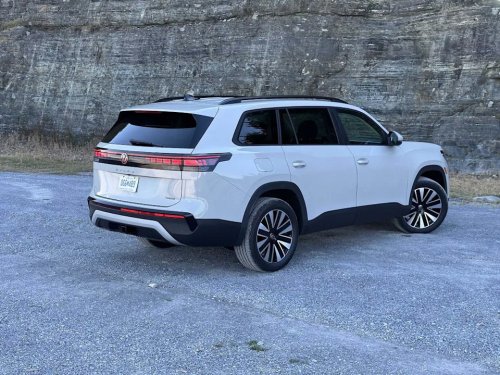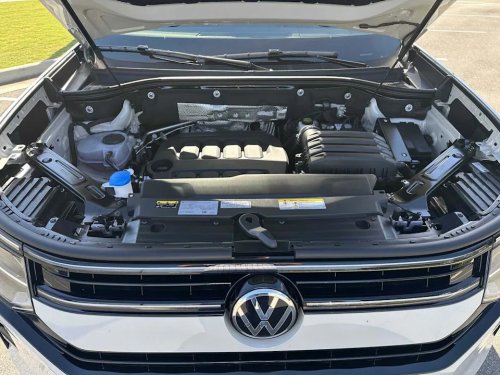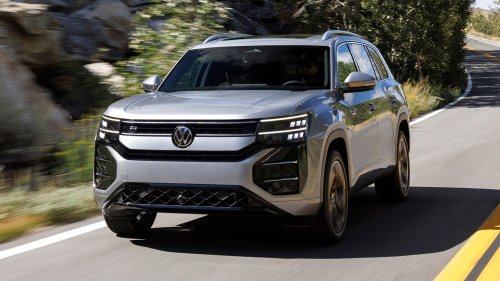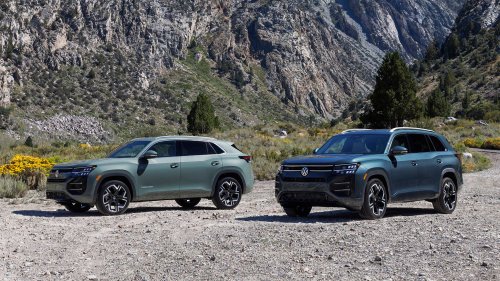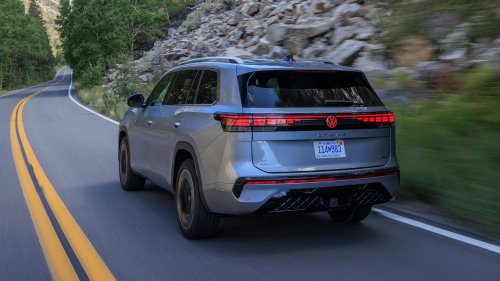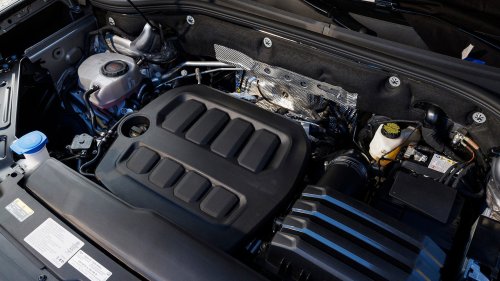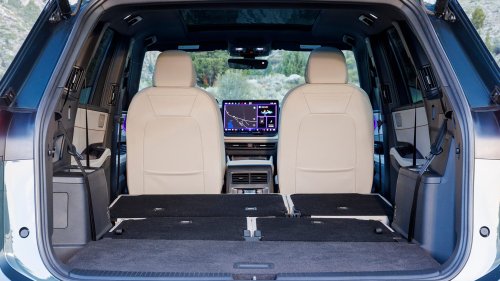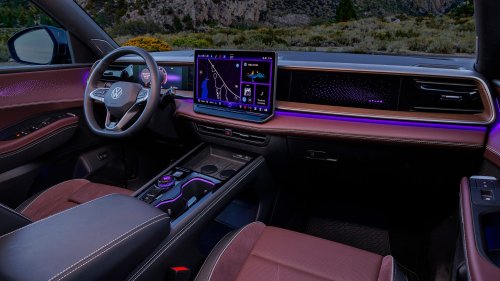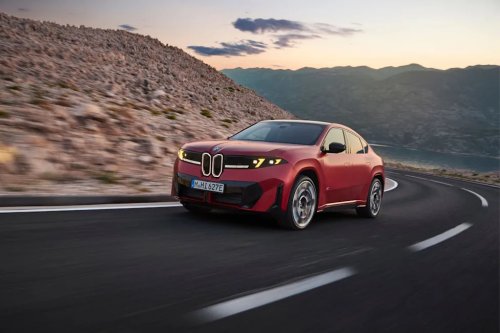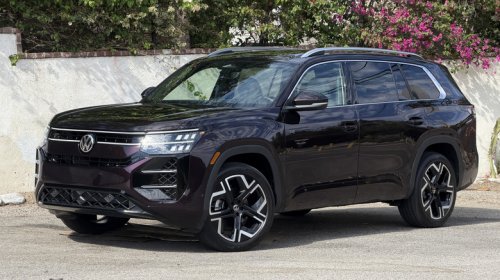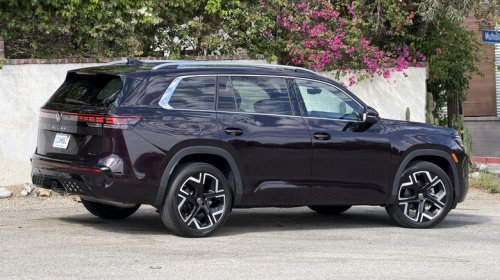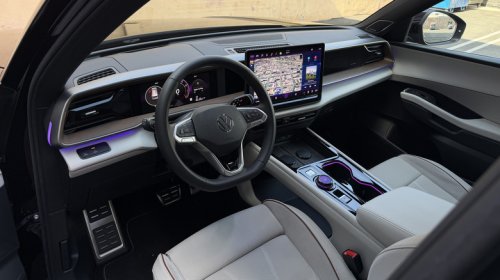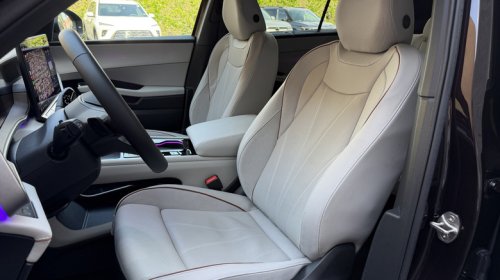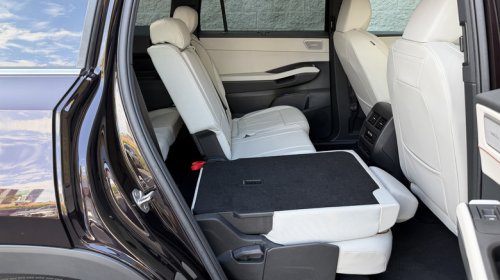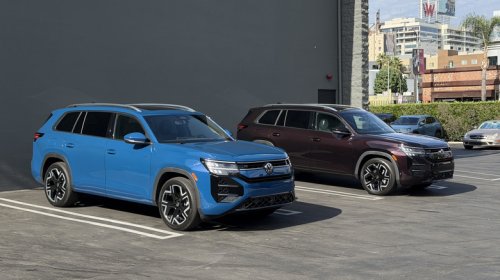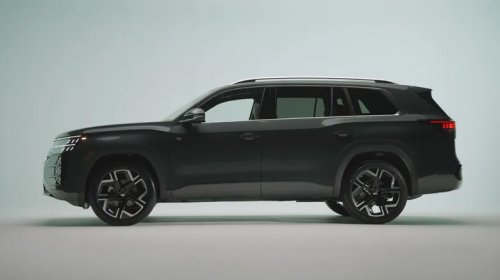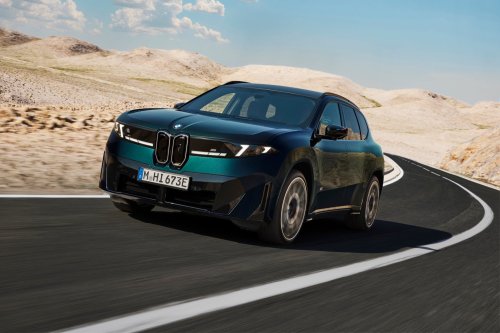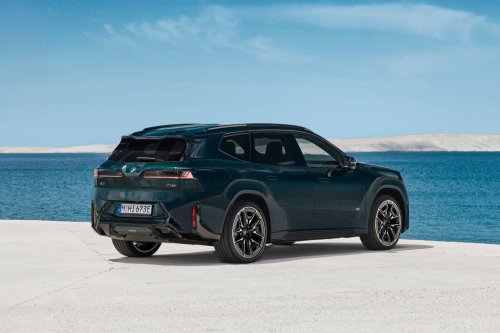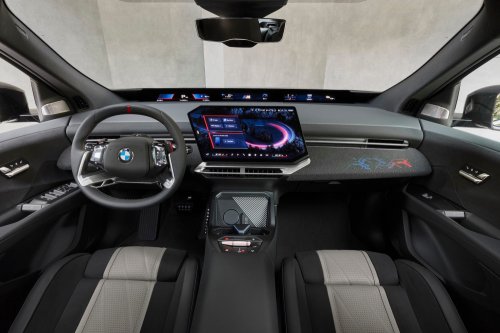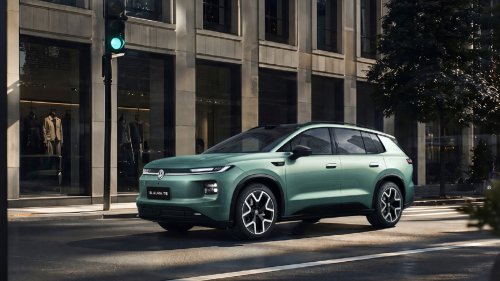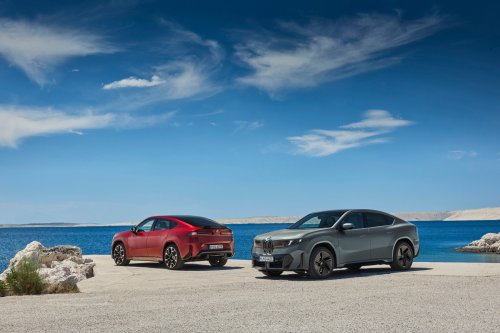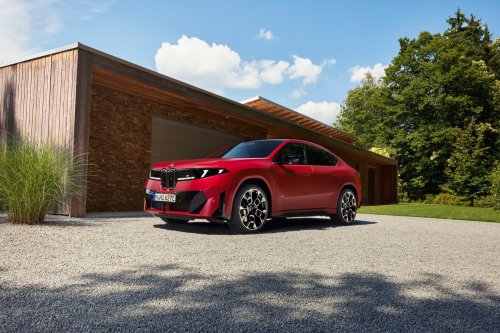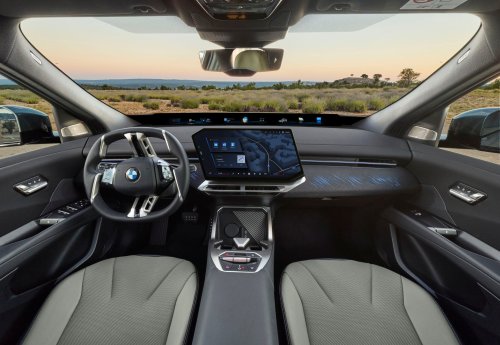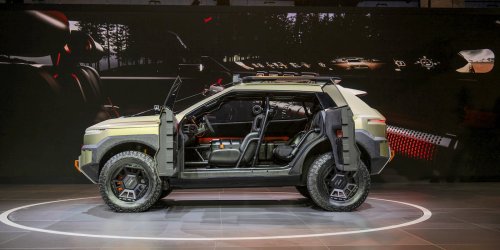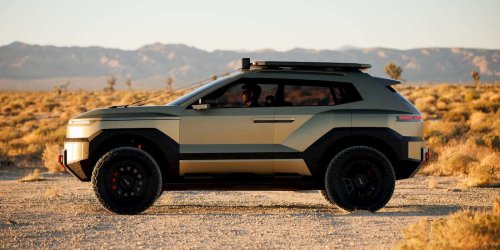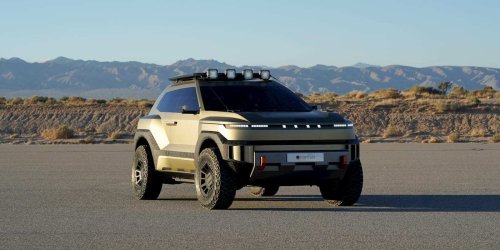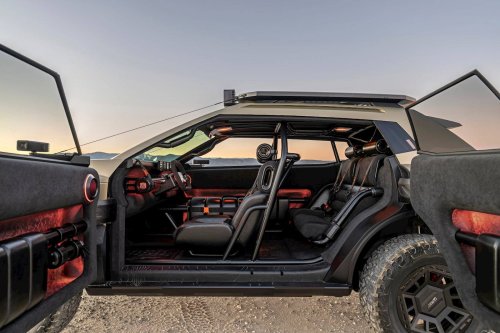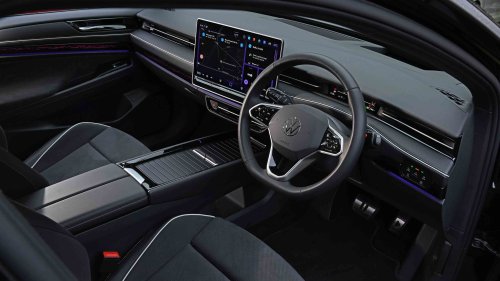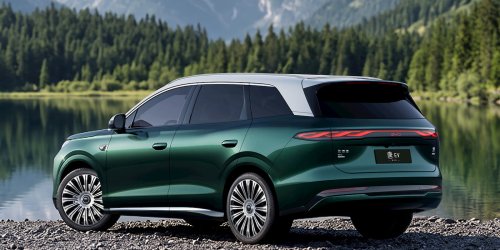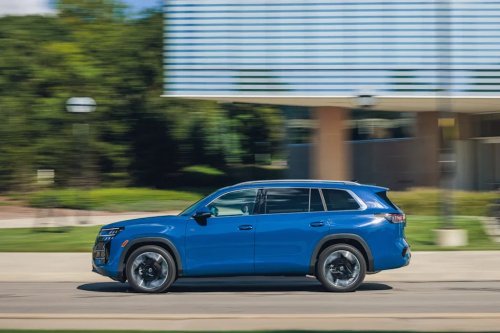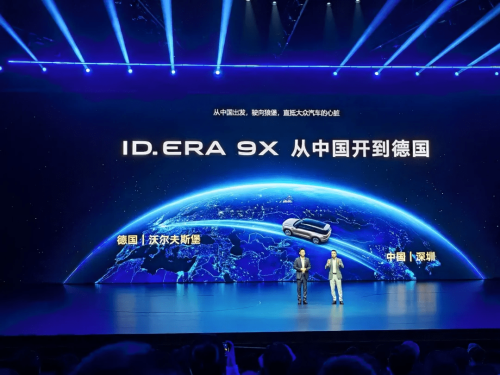
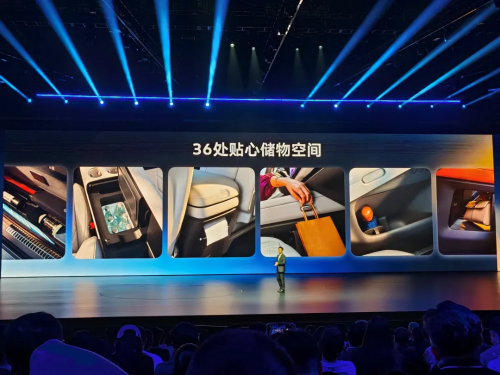
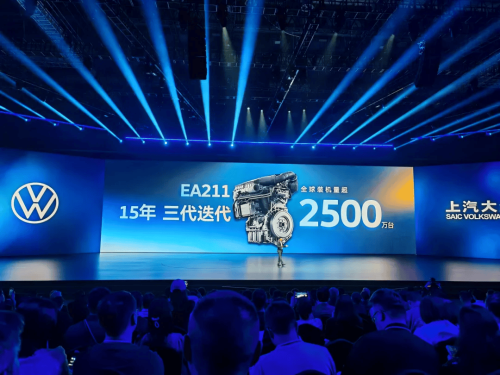
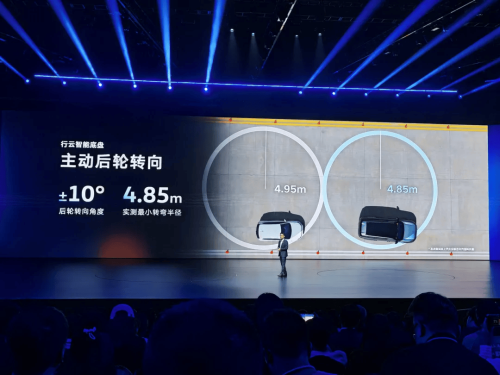
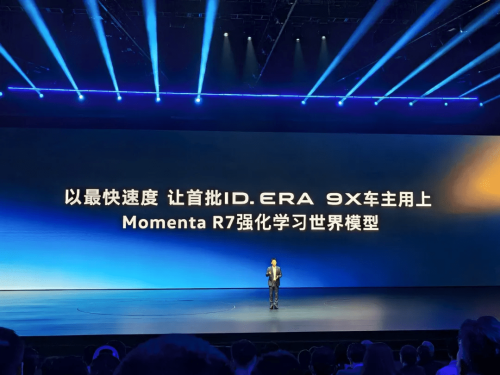
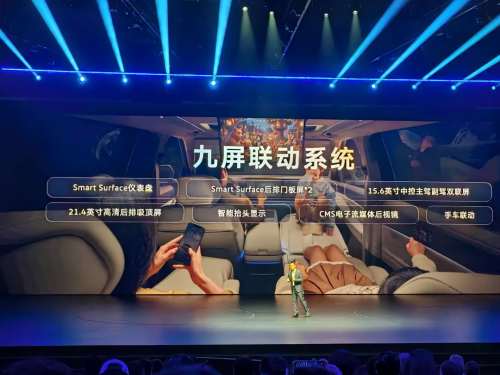
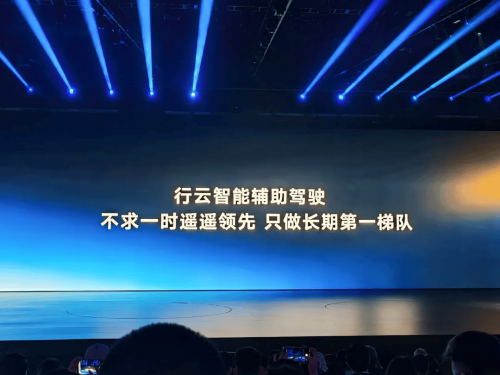
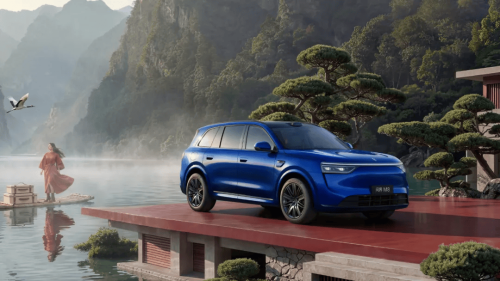
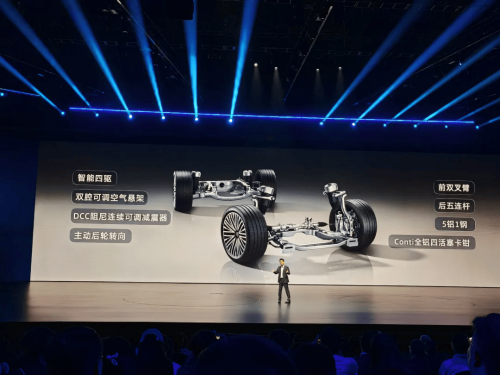
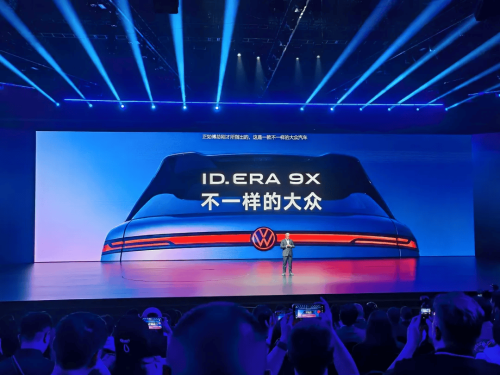
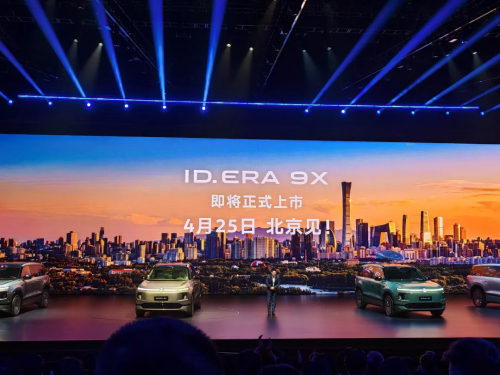



















On March 30, Volkswagen’s first range-extended model, the Volkswagen ID.ERA 9X, opened pre-sales in Shenzhen with a price range of RMB 329,800–379,800 ($47,724–$54,958). As one of Volkswagen China’s first new models for 2026—and its inaugural range-extended vehicle—the ID.ERA 9X has clearly been given strategic priority. The new model not only features chassis tuning by a German engineering team, but also debuts the Momenta R7 world model for assisted driving and comes standard with four major comfort features. It will also be exported globally from China, marking the start of a “JV 2.0” phase in which Chinese-developed technologies are exported worldwide. This represents a new push by joint-venture brands to compete with domestic automakers and emerging EV players in the second phase of the NEV market. Previously, joint-venture NEV models were often criticized for lagging in technology while carrying higher price tags. With the ID.ERA 9X addressing technical shortcomings and raising its performance ceiling, pricing has become a more prominent point of scrutiny. At a starting pre-sale price of RMB 329,800 ($47,724), is it expensive? Volkswagen’s strategic intent The Volkswagen ID.ERA 9X is more than just another China-market model for Volkswagen and SAIC Volkswagen. At the start of the launch event, Volkswagen stated that the ID.ERA 9X would be exported globally from China. Toward the end, it announced a symbolic drive from Shenzhen to Wolfsburg, aiming to “let the world witness China’s intelligent manufacturing.” ID.ERA 9X launch event Before that, however, the ID.ERA 9X must first pass scrutiny from Chinese consumers, who have relatively high acceptance of range-extender technology but are also highly discerning. Before comparing it with competitors, it is worth examining the vehicle itself. This is a standard full-size six-seat SUV. The ID.ERA 9X measures 5207/1997/1810 mm in length, width, and height, with a 3070 mm wheelbase and a 2+2+2 seating layout, delivering notable interior space. It offers 36 storage compartments, over 980 mm of third-row legroom, and zero-gravity seats for both front occupants, emphasizing space and comfort. ID.ERA 9X launch event What differentiates this large SUV from similarly sized models such as Li Auto L9, AITO M9, and Zeekr 9X is its EA211 1.5T EVO II “golden” range extender and chassis setup. Equipped with the EA211 1.5T range extender, the ID.ERA 9X shows only a 0.18-second degradation in 0–100 km/h acceleration under low battery conditions in official testing. Paired with the 65.2 kWh CATL Xiaoyao battery, available from the Max AWD version priced at RMB 359,800 ($52,071), the vehicle delivers a CLTC pure electric range of 406 km and a combined range of 1,651 km, helping alleviate range anxiety. ID.ERA 9X launch event On the chassis side, the vehicle adopts a front double-wishbone and rear five-link all-aluminum suspension, with standard air suspension and active rear-wheel steering. The air suspension provides 150 mm of adjustable travel, while rear-wheel steering enables a minimum turning radius of 4.85 m. ID.ERA 9X launch event Combined with the VMC intelligent motion control system and DCC electronic damping system, the vehicle can perform road preview and adjust suspension settings proactively, even leveling the body on slopes to enhance comfort and safety. For assisted driving, the ID.ERA 9X will debut the Momenta R7 world model. However, when asked whether the system would be available at launch, Volkswagen did not provide a direct answer, stating only that engineers are accelerating integration. It also mentioned the development of the X7 large-model chip to ensure the system reaches first-tier performance. The ID.ERA 9X is expected to offer urban assisted driving, narrow-road assistance, and trajectory-based reversing, with more human-like decision-making—for example, navigating around temporarily stopped trucks unloading bicycles rather than waiting passively. ID.ERA 9X launch event In terms of comfort, the ID.ERA 9X also aims to compete strongly. All variants come standard with a front passenger zero-gravity seat and a dynamic second-row passenger seat. Mid- and high-spec variants add third-row seat heating, intelligent temperature-controlled seats, and second-row headrest speakers to enhance perceived luxury. The cabin features a nine-screen interaction system, including an instrument panel, dual 15.6-inch front displays, a 21.4-inch rear ceiling-mounted screen, dual rear door panel screens, AR-HUD, a streaming rearview mirror, and smartphone integration. ID.ERA 9X launch event It should be noted that the rear ceiling-mounted screen is optional, and details on the rear door panel screens remain unspecified. Overall, aside from the still in-house-developed infotainment system, the ID.ERA 9X addresses Volkswagen’s weaknesses in the EV era while retaining its strengths in driving dynamics. Whether the market accepts it will depend on comparisons with competitors. A new benchmark for range-extended SUVs? At the launch event, Volkswagen referred to the ID.ERA 9X as the “new king” of range-extended vehicles, while making indirect references to competitors’ features such as Li Auto’s “fridge, TV, and sofa” approach and Huawei’s “far-leading” assisted driving. While confidence is typical at launch events, whether this marks the start of a full-scale offensive or becomes a point of future criticism remains to be seen. Competitive benchmarking offers some early insight. ID.ERA 9X launch event In terms of size, the ID.ERA 9X aligns with models such as Li Auto L9, AITO M9, and Zeekr 9X. However, from a pricing perspective, these models—mostly positioned around RMB 400,000 ($57,872)—do not directly overlap with the ID.ERA 9X, which starts at RMB 329,800 ($47,724). Volkswagen appears to be positioning the ID.ERA 9X’s “9-series” size against competitors’ “8-series” models. Compared with Zeekr 8X and Li Auto L8, the ID.ERA 9X is longer by 107 mm and 127 mm, respectively, while AITO M8 also approaches 5.2 meters in length. AITO M8 A key differentiator is that the ID.ERA 9X is inherently a six-seat vehicle, whereas six-seat versions of the Zeekr 8X (RMB 376,800–516,800, $54,538–$74,754) and AITO M8 (RMB 369,800–449,800, $53,509–$65,305) are priced higher than their five-seat counterparts. With larger dimensions at a similar price point, the ID.ERA 9X may offer more spacious third-row seating. In terms of range, the ID.ERA 9X’s 406 km CLTC pure electric range is second only to the Zeekr 8X’s 410 km and significantly higher than the AITO M8’s 310 km. Its combined range of 1,651 km also exceeds competitors, while comparisons with the Li Auto L8 may change after its upcoming facelift. Among these models, the most direct competitors to the ID.ERA 9X are likely the updated Li Auto L8 and AITO M8. In terms of performance and positioning, the Zeekr 8X occupies a somewhat different niche. ID.ERA 9X launch event Beyond size and range, the ID.ERA 9X’s additional advantage lies in its chassis. Although competitors may use similar suspension architectures, the ID.ERA 9X’s combination of dual-chamber air suspension, rear-wheel steering, and German tuning suggests a more refined ride experience for family-oriented use. However, its disadvantages are also clear—intelligence capabilities and brand perception. Over the past two years, Li Auto and AITO have gained both capability and market recognition in assisted driving, as well as positive feedback for their intelligent cockpit systems. By comparison, the ID.ERA 9X’s still-unproven Momenta R7 model and relatively conservative in-cabin intelligence may remain concerns for consumers. At the same time, joint-venture NEVs have developed a less favorable image in recent years. Buyers of such models are often perceived as older or brand-loyal customers, with limited mainstream influence in public discourse. ID.ERA 9X launch event Some market voices even argue that Volkswagen, traditionally positioned as a mass-market brand in the ICE era, should not price vehicles above RMB 300,000 ($43,404). Beyond its larger size, German-engineered chassis, and claimed longer validation cycles, the ID.ERA 9X appears to offer limited differentiation. Compared with similarly priced Li Auto L8 and more clearly positioned AITO M8 and Zeekr 8X, the ID.ERA 9X shows both clear strengths and weaknesses. ID.ERA 9X will launch on April 25 Ultimately, its market performance may hinge on Volkswagen’s final pricing strategy.