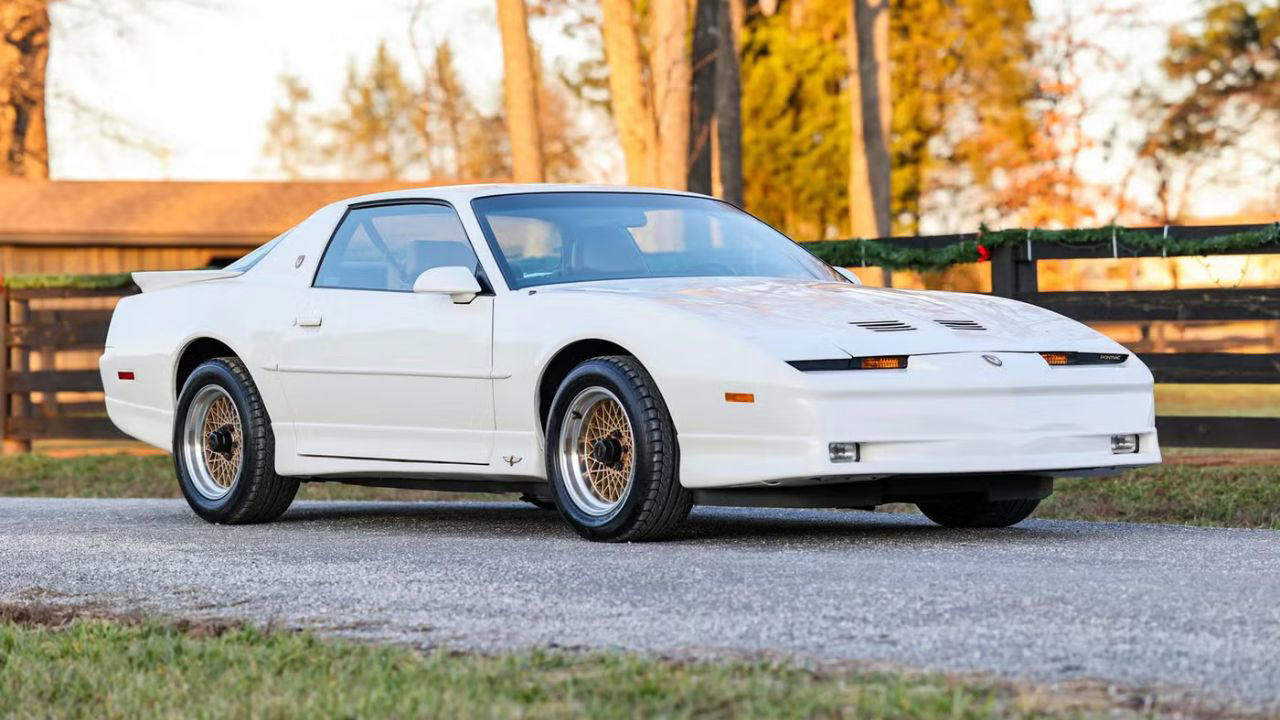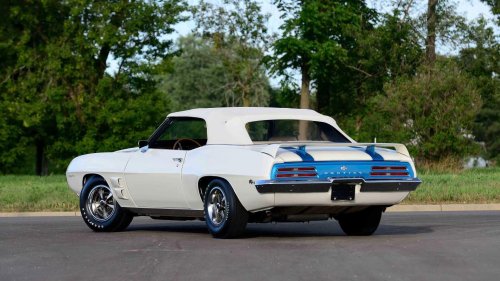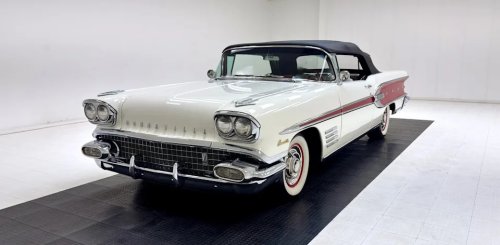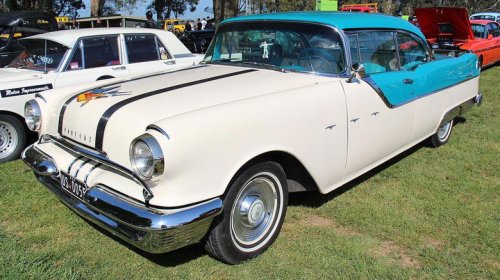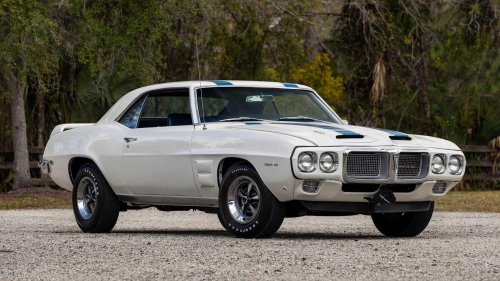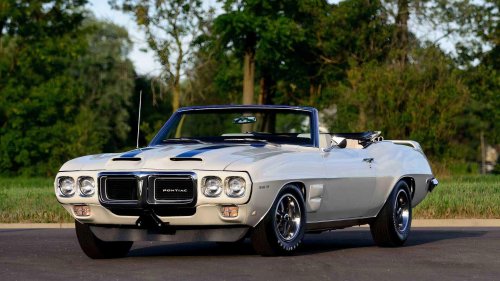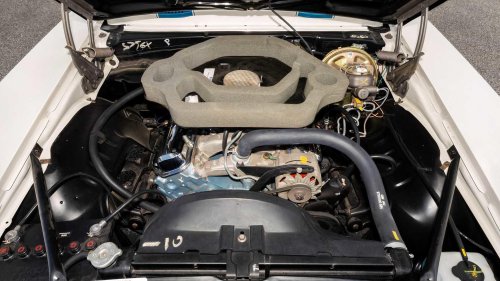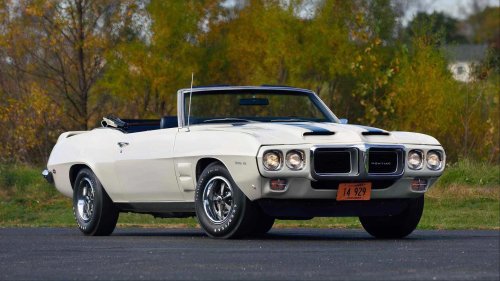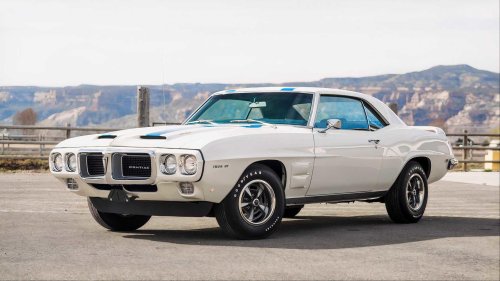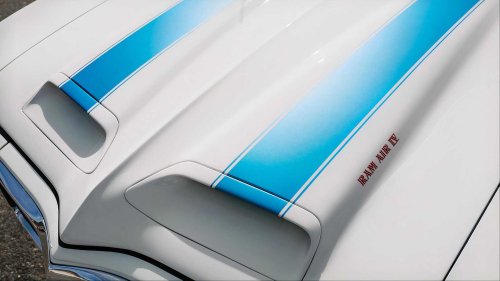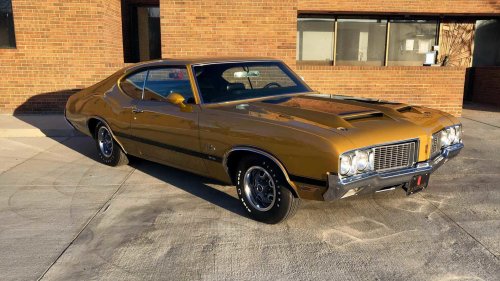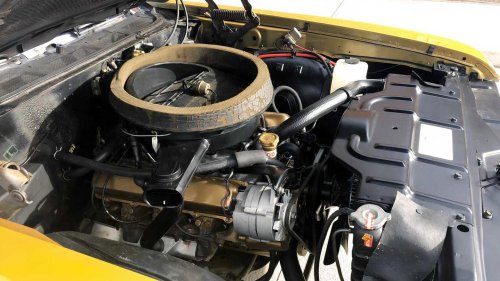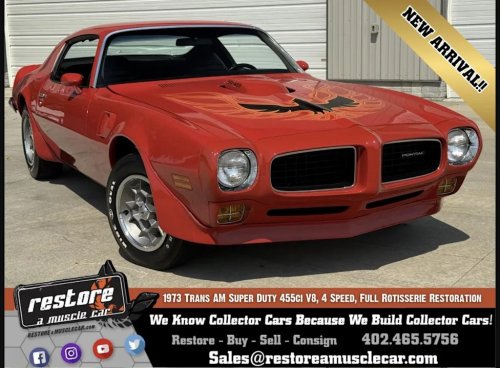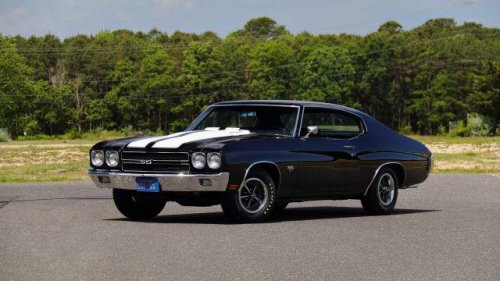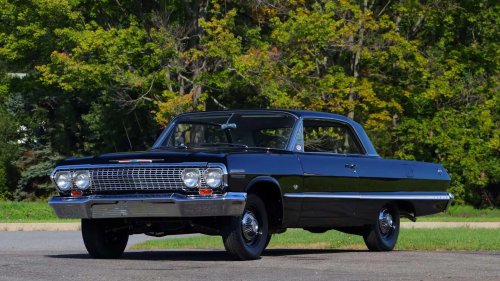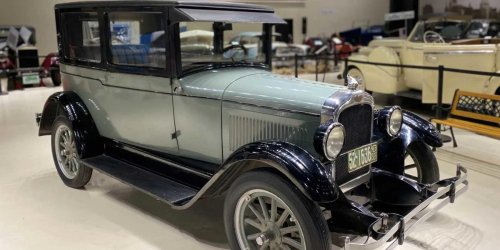
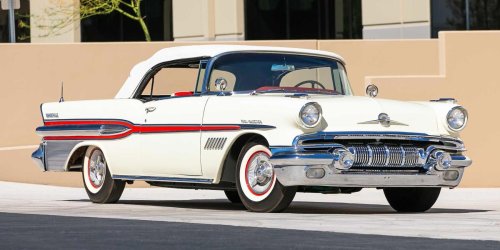
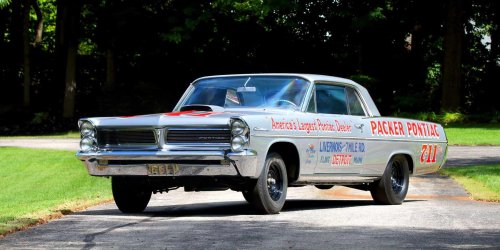
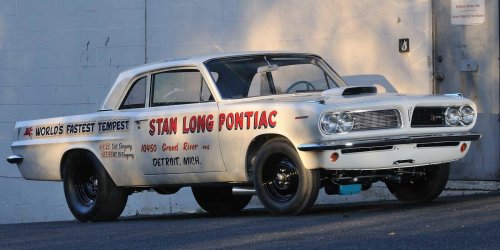
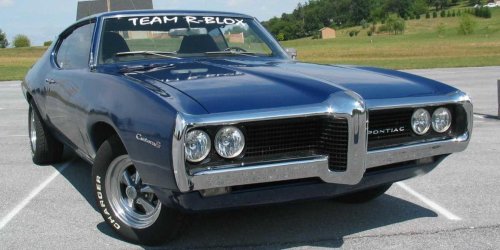
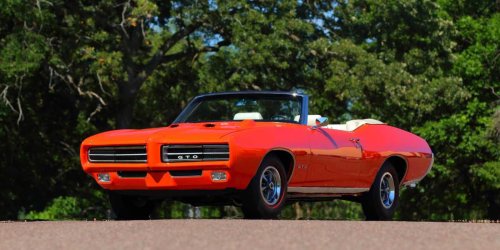
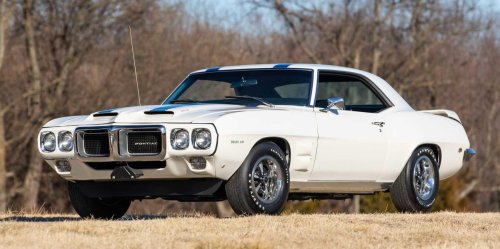
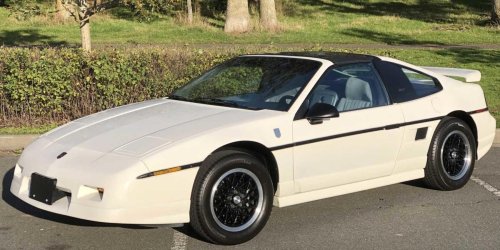
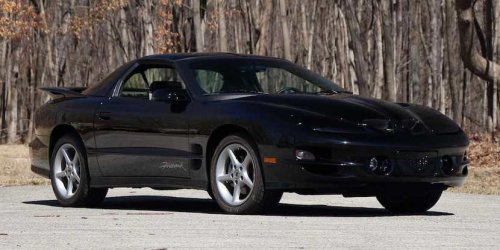




















The American automotive landscape has undergone dramatic transformation since its explosive growth during the early to mid-20th century. Iconic nameplates including Studebaker, Mercury, and Oldsmobile have disappeared entirely, casualties of industry consolidation and market pressures. While some of these manufacturers were absorbed into the Big Three automakers and others simply ceased operations, each contributed significantly to automotive history.Though Pontiac's final chapter was marked by decline, the brand's earlier decades produced genuinely formidable machines. The marque's muscle car offerings from the golden era remain prized possessions among automotive enthusiasts and command strong collector interest. Yet Pontiac's influence extended well beyond the muscle car movement – the company created enduring classics that continue to captivate collectors and represent the pinnacle of automotive desire. 1926 Pontiac Series 6-27 Via bringatrailer.comDuring the 1920s, the American automotive industry remained in its formative years. Numerous manufacturers, Pontiac among them, were just beginning to introduce their inaugural models. While these early vehicles lacked the speed and performance characteristics of later eras, they established the foundation for future automotive excellence.The Series 6-27 stands as one of Pontiac's historic models with significant appreciation potential, provided examples remain in exceptional condition. Though its 186-cubic-inch inline-six engine hardly qualifies as thrilling by modern standards, the 6-27's status as Pontiac's debut vehicle renders its modest output inconsequential. The model's historical importance is reflected in the marketplace – a Series 6-27 commanded $15,750 at a Bring a Trailer auction in 2020. 1957 Pontiac Star Chief Custom Bonneville Via mecum.comThe post-war era saw the appearance of a plethora of fantastic cars. Bodies became much larger than cars released prior to World War 2. On top of being larger, these cars were fitted with some of the most interesting engines of that era.The gorgeous Pontiac Star Chief Bonneville was offered as a more energetic version of the regular Star Chief. The 347 cu in Tri-Power V8 makes a decent 316 hp and 375 lb-ft of torque, which is remarkable for 1957. Being the top-line sporty Pontiac of that year, only 630 Star Chief Custom Bonnevilles rolled off of Pontiac assembly lines. 1963 Pontiac Catalina Swiss Cheese Via mecum.comLike all American automakers of its era, Pontiac understood that success on the racetrack translated directly to showroom success – a principle captured in the iconic phrase "Win on Sunday, Sell on Monday." In 1963, the company leveraged cutting-edge engineering to transform an ordinary production vehicle into a formidable racing machine. Among the forgotten chapters in automotive history is the Pontiac Catalina's evolution into a true performance legend.The car featured a 421 Super Duty V8 engine officially rated at 420 horsepower, though insiders believed it delivered nearly 500 hp. With only 14 of these "Swiss Cheese" models ever produced, and just nine believed to survive today, their rarity is undeniable – evidenced by one example commanding $430,000 at auction in 2017. 1963 Pontiac Tempest LeMans Super Duty Via mecum.comBy the dawn of the 1960s, Pontiac had mastered the craft of building performance-focused automobiles. Determined to compete with offerings from Dodge and Chevrolet, the brand developed its own purpose-built drag strip warrior. Built upon the foundation of the standard Tempest, the LeMans Super Duty emerged as a formidable competitor. The 1963 Tempest LeMans Super Duty stands as an engineering marvel.Designed specifically for NHRA competition, this rare street-legal variant packed a 421-cubic-inch Super Duty engine officially rated at 405 horsepower. Following the pattern of other race-bred Pontiacs from that era, the actual output likely exceeded factory specifications by a significant margin. The model's desirability among collectors is evident – one example sold at auction for an impressive $335,500. 1969 Pontiac Custom S Via Chambeersocom's WikipediaThe year 1969 can be considered one of the best years for American cars. When it comes to brands found under General Motors, beasts such as the Camaro ZL1 or the Oldsmobile 442 are prime examples that the year 1969 was great for the American conglomerate.The 1969 Pontiac Custom S may not be as popular as other GM cars of the same year, but it is nonetheless a great car. Offered only in 1969, the Custom S comes with a variety of configurations. Though all Custom Ss come with a 350 cu in V8, the top-line configuration makes 330 hp and 380 lb-ft of torque. 46,886 Custom Ss rolled off Pontiac's assembly lines. The Custom S may not be as rare as other classic Pontiacs, but it is surely worth looking into before it shoots up in value. 1969 Pontiac GTO The Judge Convertible Via mecum.comThe muscle car era's heyday produced numerous automotive icons. While legendary models like the Shelby GT500 and Pontiac GTO dominated the scene, few achieved the distinctive status of the GTO "The Judge." Pontiac created "The Judge" variant as a strategic move to capture the youth market. Beyond its unmistakable styling, the top-tier configuration featured a 400-cubic-inch Ram Air IV V8 engine delivering 370 horsepower and 445 lb-ft of torque. The model's exclusivity is underscored by production numbers – a mere 108 GTO The Judge convertibles rolled off the assembly line in 1969. 1969 Pontiac Firebird Trans Am Via mecum.comWhen it comes to muscle cars of the late '60s, the meatier Mustangs and Camaros tend to hog the spotlight. While these cars were tremendous, they did not completely overshadow impressive vehicles made by smaller brands. The Pontiac Trans Am is the prime example.The name Trans Am rhymes with speed and pure American muscle. What makes the '69 Trans Am a true collector's gem is not just the fact that only 697 were made, it is also the fact that it comes at best with a potent 400 Ram Air IV V8 that makes 345 hp and 430 lb-ft of torque. 1988 Pontiac Fiero GT Bring a TrailerMost muscle heads will agree on the fact that the '80s witnessed the creation of some of the worst muscle cars ever made. In an effort to counter the success of Japanese cars, domestic carmakers started offering smaller cars that could rival the ones coming out of Japan.The 1988 Pontiac Fiero GT is nothing like the previous sport-oriented Pontiacs. Underneath the hood sits a 2.8-liter V6 that makes 135 hp and 165 lb-ft of torque. The Fiero GT is nothing like older Pontiacs fitted with big-block V8s, but it sure is appreciating in value. A Fiero GT recently sold for a whopping $90,000 on Hagerty. It is important to underline the fact that this particular Fiero GT was essentially new. 2002 Pontiac Trans Am SLP Firehawk Via mecum.comFollowing almost two decades of atrocious muscle cars, Pontiac got its mojo back at the beginning of the early 2000s. Even if the damages made to the company were irreversible, Pontiac did not go out without putting up a fight.One of Pontiac's last great muscle cars is the Trans Am SLP Firehawk. The 5.7-liter LS1 V8 develops 345 hp, which is up there with Cobras and Corvettes of the same era. With fewer than 6,000 SLP Firehawks made between 1991 and 2002, it is fair to assume that their value will increase over time. 2006 Pontiac Grand Prix GXP Via primemotorz.comMuscle sedans are some of the nicest cars out there. Unlike sports sedans coming out of Europe and Japan, American-made muscle sedans successfully combine family-friendliness and a rowdy engine. Pontiac made sure to offer one last surprise before its demise in 2010.There are many things only real gearheads know about the Pontiac Grand Prix, such as the fact that the last generation comes with more Easter eggs than anybody could think of. The first surprise is the 5.3-liter LS4 V8 found under the hood. With a power output of 303 hp and 323 lb-ft of torque, the Grand Prix GXP was a terror back in 2006. Only 6,628 Grand Prix GXPs were made in 2006.