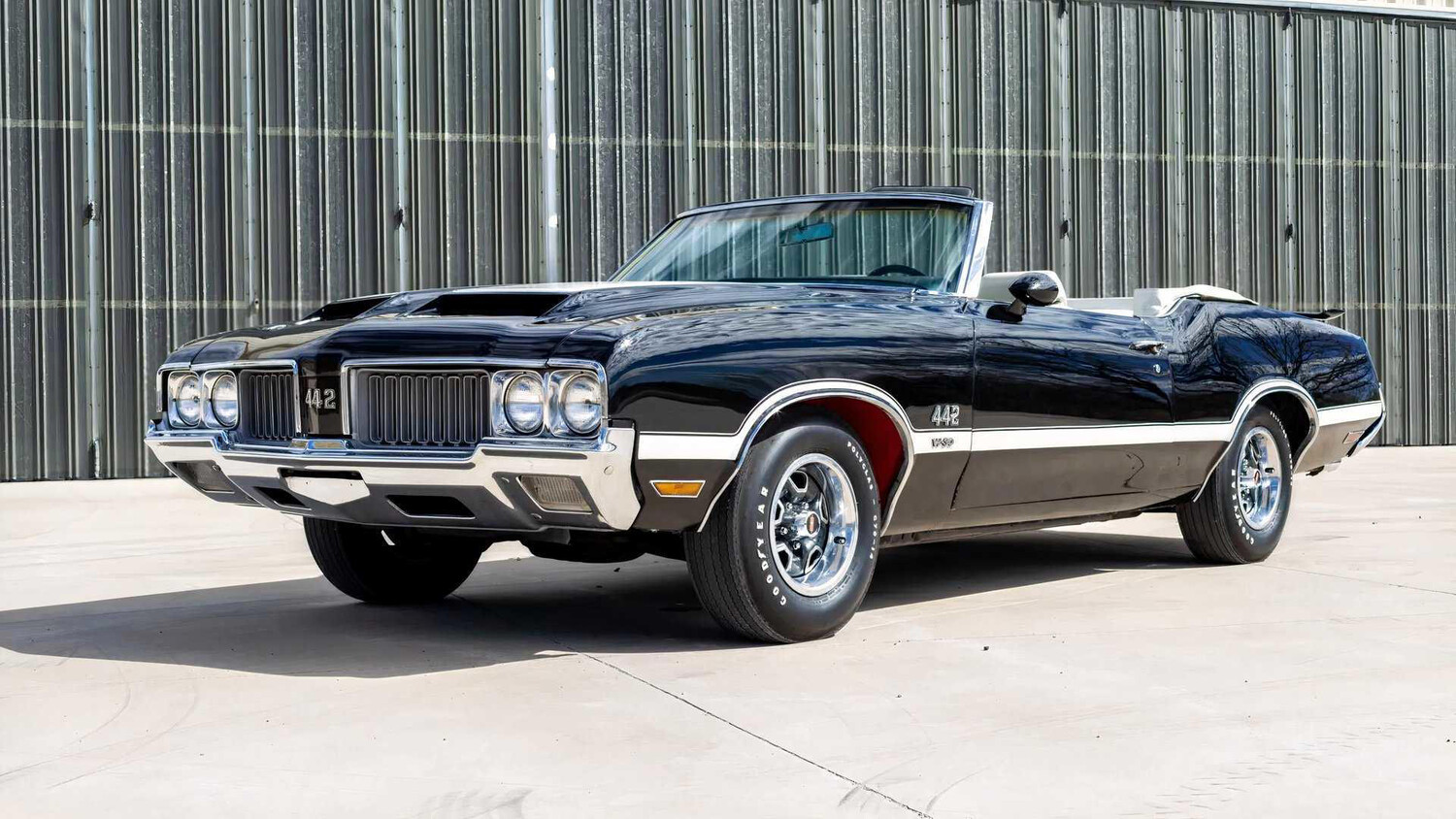
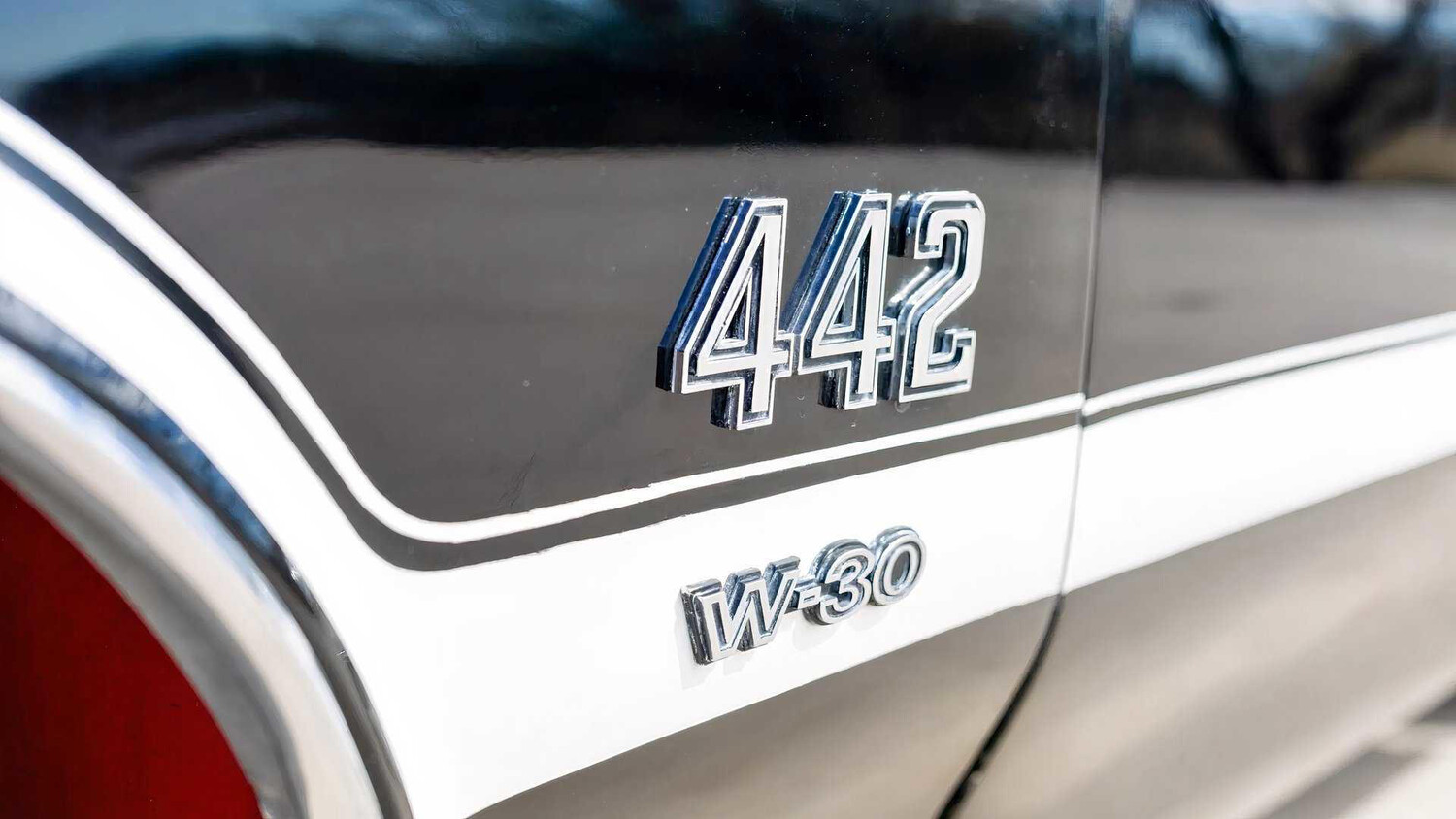
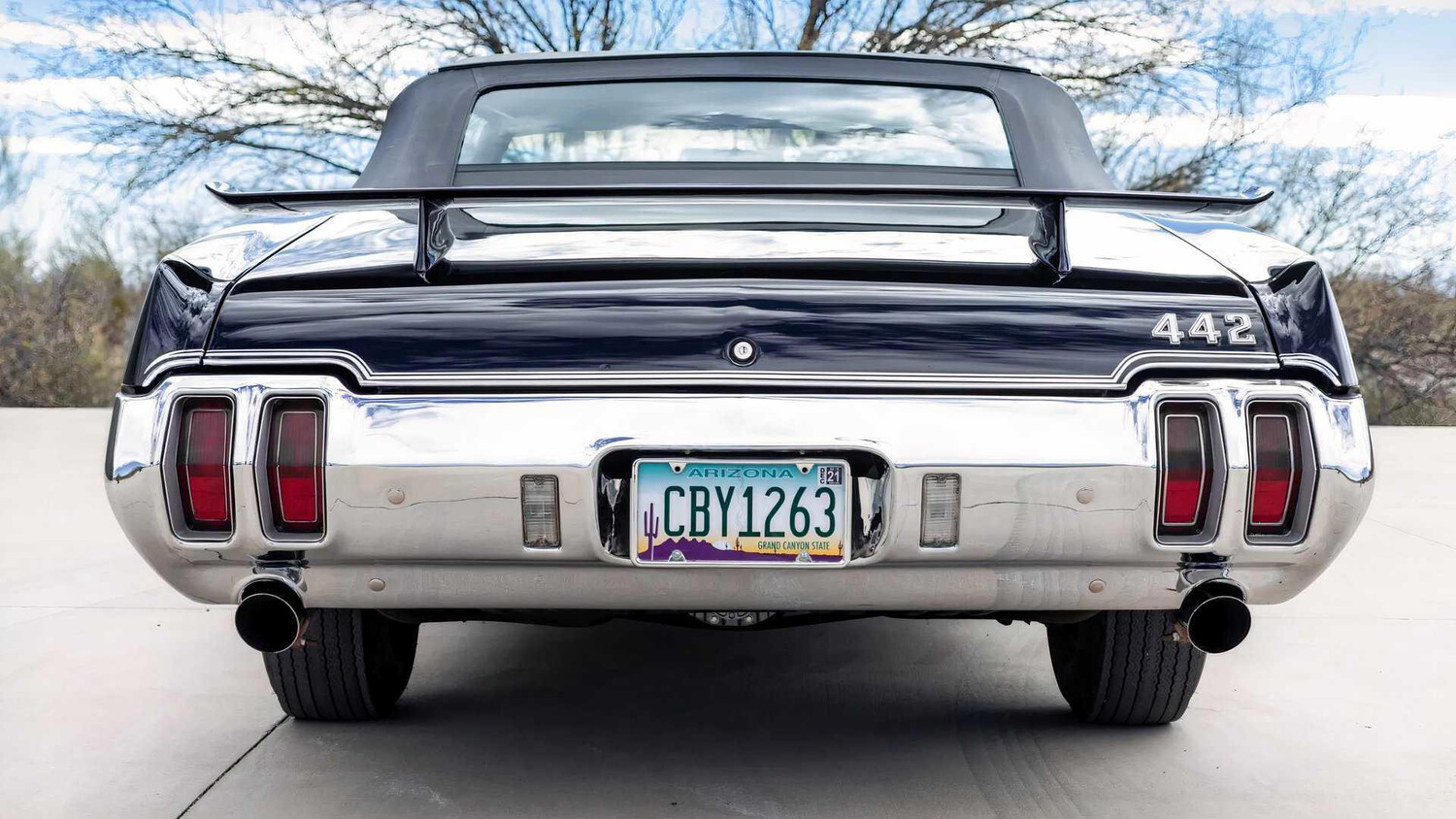
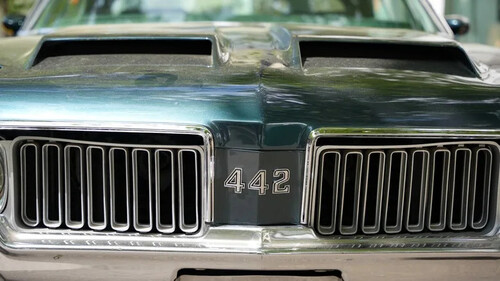
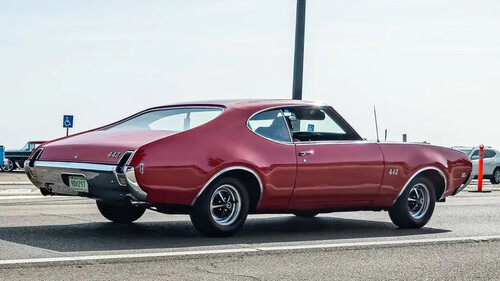
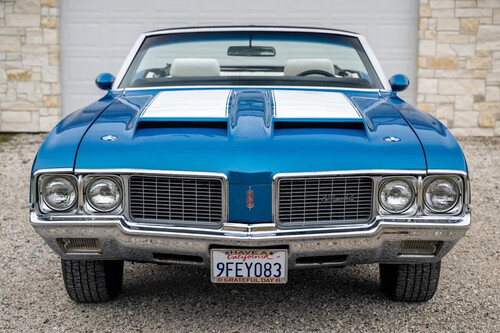
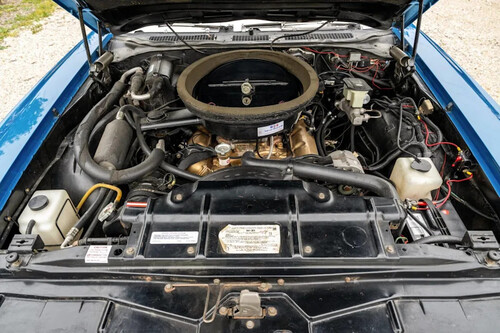
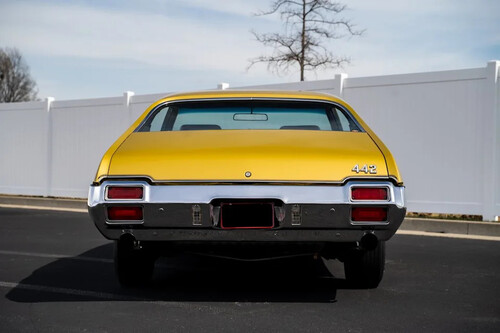
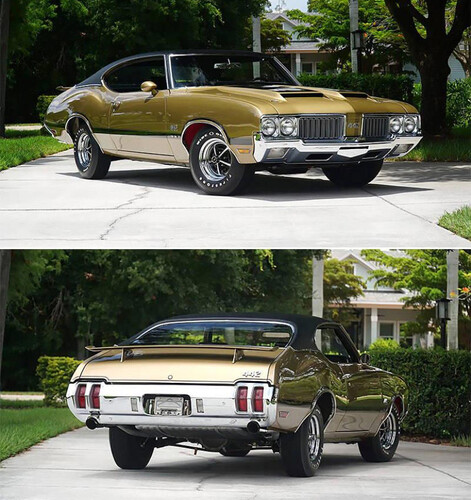
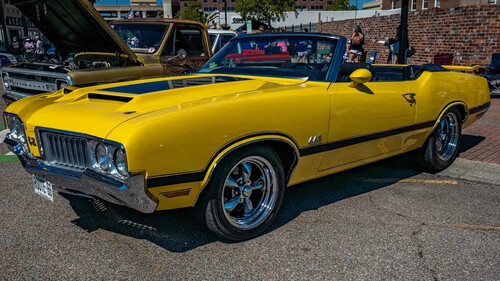
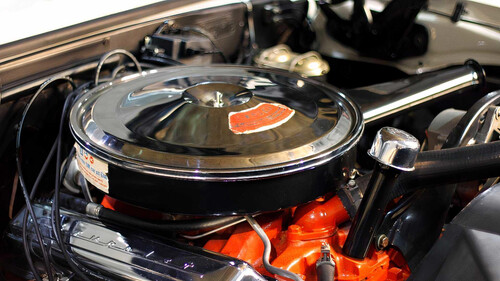
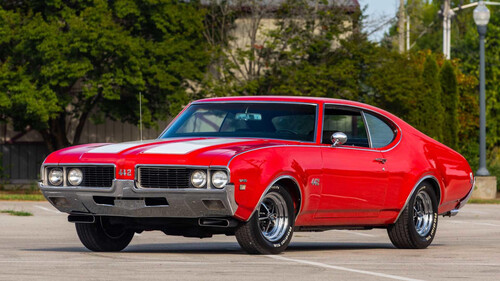
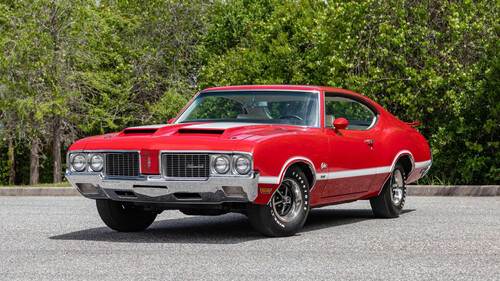
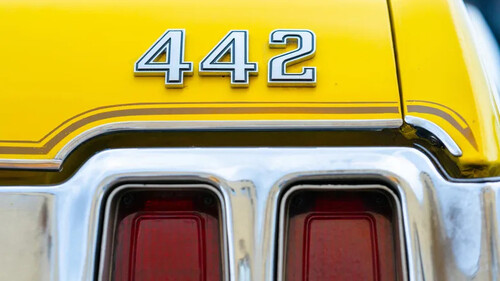
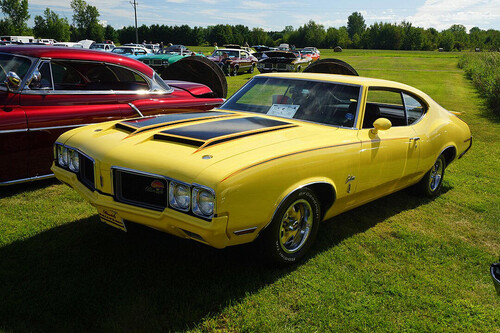
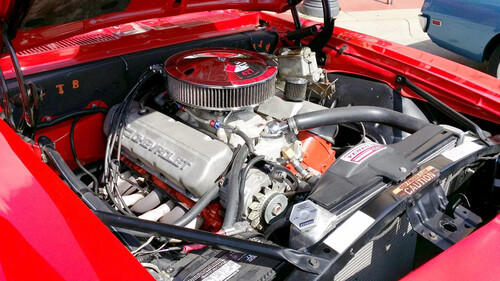
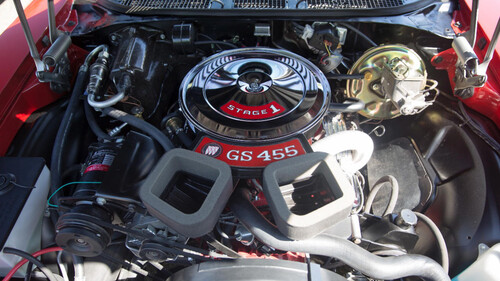
Most collectors think they know where the serious money for Muscle Cars goes. It usually heads straight for the familiar legends, the cars with louder reputations, bigger auction theatrics, and enough magazine covers to wallpaper a garage. Then you open the hood on one convertible and spot red plastic fender wells where stamped steel ought to be, and suddenly the whole story changes.That one detail tells you this thing wasn’t built by people who were casually checking boxes on a sales sheet. Somebody inside this company got deep into the weeds, started counting pounds, and ended up building a convertible muscle car with the sort of engineering focus that usually gets reserved for factory-backed street racers and homologation specials. The weird part is that the market took its sweet time figuring out just how serious this car really was. The Muscle-Car World Forgot A Brand That Never Stopped Engineering Bring a TrailerOldsmobile has always had a branding problem in the muscle-car conversation. Chevrolet tends to get the broad spotlight, Mopar gets the mythology, while Pontiac gets the cool points. Oldsmobile, meanwhile, often gets treated like the division that built handsome, torquey cars for adults who maybe also enjoyed a quiet dinner and a good cardigan. That’s funny until you start looking at what Oldsmobile was actually doing at the peak of the muscle-car era. Then the joke starts turning around on everyone else.Once you peel back the badge, this wasn’t some half-hearted attempt to keep up with the louder kids in the parking lot. The division had already carved out a reputation for chasing performance through clever engineering, and by 1970 Oldsmobile had pushed that thinking into one of its most intense forms. Every version of this particular setup came with a massive 455-cubic-inch V8 as standard equipment, which already put it in serious company before the good stuff even started.That’s what makes this car such an oddity in the collector world. It has the ingredients people claim to love: big-inch torque, real rarity, manual gearbox appeal, and a factory performance package that reads like an engineer got locked in a room with a stopwatch and a parts catalog. Yet it still lives just outside the center of the canon, like the cool band everyone swears they knew before the reunion tour. Oldsmobile’s corporate death didn’t help. When the brand disappeared, part of its muscle-car legacy slipped out of everyday conversation with it. The Weight-Saving Reads Like Race-Car Behavior Bring a TrailerThe best way to understand this car is to stop looking at it like a trim package and start looking at it like a list of small, obsessive decisions. The performance bundle brought a fiberglass hood with dual air intakes, and that hood alone saved 18 pounds over the standard steel piece. Eighteen pounds might not sound like much until you realize how few factory muscle cars of the era were trimming weight that deliberately, especially on a convertible, which already had structural compromises working against it. The Hotter Setup Bring a TrailerThen the deeper cuts show up. Aluminum intake manifold, aluminum differential carrier, aluminum differential cover, plastic inner fender liners, less sound-deadening material. That combination reads like somebody was going after every ounce they could reasonably pull out of the car without making the accountants storm the engineering office. And those red inner fender wells are important because they’re part of the performance identity, tied to the outside-air-induction story that defined the package.The engine side of the equation was just as focused. The standard 455 in 1970 was already rated at 365 horsepower and 500 pound-feet of torque. But the hotter setup turned the wick up with improved air induction, a performance-calibrated four-barrel carburetor, a hotter camshaft, and a freer-flowing exhaust. The result was a sizeable 370-hp rating. The 1970 Oldsmobile 442 W-30 Convertible Was An Enigma Bring a TrailerThe car almost feels too strange to be real. But it was, and in 1970 the Oldsmobile 442 W-30 Convertible became the sharpest expression of the division’s muscle-car thinking. It took the brand’s outside-air-induction performance identity, paired it with the new standard 455-cubic-inch V8, then wrapped the whole thing in a droptop body style that should have made it softer on paper but somehow made it cooler in practice.Its rarity is part of it, but it’s not the whole story. The production figures are already enough to stop people mid-scroll: only 264 W-30 convertibles were built for the 1970 model year, and 96 four-speed manual W-30 convertibles. Those numbers are especially serious when attached to a car that still doesn’t always get mentioned in the same breath as the headline-grabbing Hemi machinery from Chrysler or the most mythologized Chevys.That rarity also helps explain why the car feels slightly ghostly now. You’re talking about a factory-built combination that was rare from day one and remains rare enough that even seasoned enthusiasts can go a while without seeing one in the metal. Add a close-ratio four-speed to the mix, and it gets even more niche, which is another way of saying collectors with good taste and deep pockets tend to notice. Eventually. So Much More Than A Rare Convertible Bring a TrailerWhat makes this car genuinely compelling is how thoroughly the package was engineered beyond the headline numbers. The performance setup was about turning all that torque into something the chassis could actually manage. That’s why it included a close-ratio four-speed manual transmission, a 3.08:1 final drive, an Anti-Spin rear axle, front disc brakes, sway bars front and rear, and proper meaty tires on 14-inch wheels. Somebody wanted this thing to do more than just fry its rear rubber outside the local burger stand, although it could absolutely do that, too. The Big Deal Bring a TrailerPlenty of rare muscle cars are rare because few people ordered them despite how well they worked. In this case, the car shows real engineering intent in every direction you look. The reduced sound insulation alone says plenty. Oldsmobile was willing to give up a little civility in exchange for sharper performance character, which is not exactly the move people expect from a brand often remembered for comfort and middle-management respectability.And then there are those red inner fenders, which deserve their own little standing ovation. They’re functional because they support the outside-air-induction identity of the package, and they’re symbolic because they instantly tell you this Oldsmobile wasn’t playing by Oldsmobile stereotypes. They’re the sort of nerdy, brilliant detail that collectors adore once they know to look for them. They’re also objectively a little hilarious. Imagine explaining to a skeptical bystander that the red plastic bits under the hood are one of the reasons this car is a big deal. Well worth being a fly on the wall for that conversation. The Dead Brand Built A Live Auction Story Bring a TrailerThe market angle is where all of this comes together. One restored 1970 Oldsmobile 442 W-30 Convertible sold for $247,500 at auction in 2022, and that car had reportedly received more than $86,000 in restoration work not long before. Hardly casual numbers for a car from a brand that has been out of the new-car business for years. In Plain Sight Bring a TrailerThe irony is delicious. Oldsmobile's gone, but one of its most focused muscle cars is more alive than ever in the collector conversation. That happens when a car has enough substance to outlast the brand politics, the changing tastes, and the lazy assumptions that kept it in the shadows for too long. The market simply got around to recognizing what was already sitting there in plain sight, painted red underneath the hood and daring somebody to notice.So while everyone else kept chasing the usual posters and auction darlings, this Oldsmobile was waiting with a fiberglass hood, a stack of aluminum pieces, a monster 455, and a build sheet that reads like it came from a factory with a mild caffeine problem. The collector world loves to act surprised when forgotten cars become stars. In this case, though, the surprise was how long it took people to catch up.Sources: RM Sotheby's, Olds Junction, Motorious.