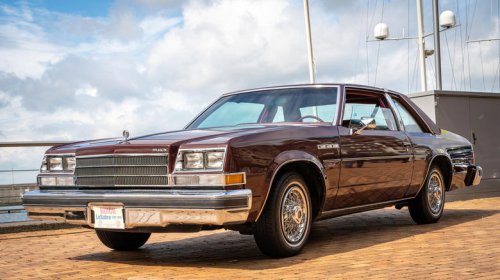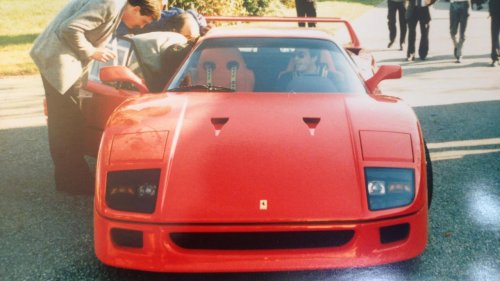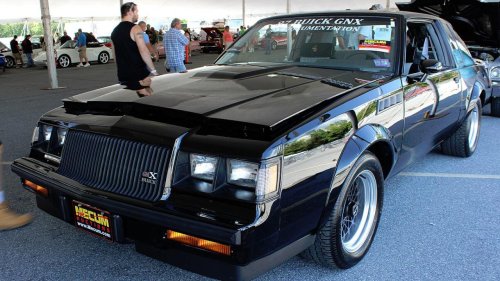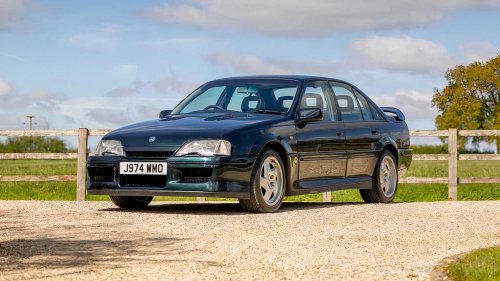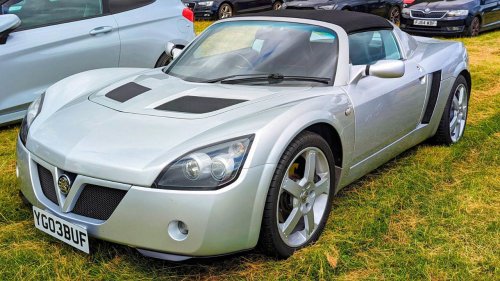
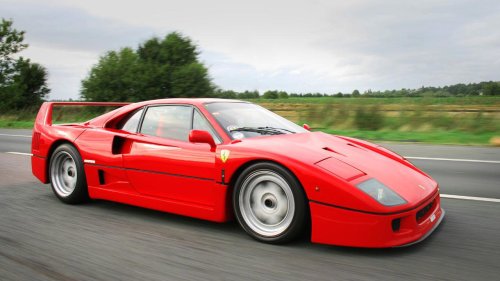
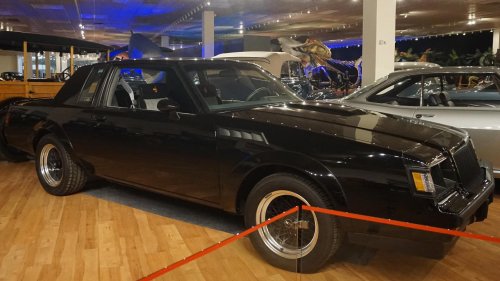
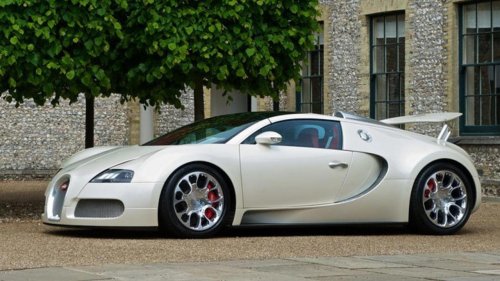
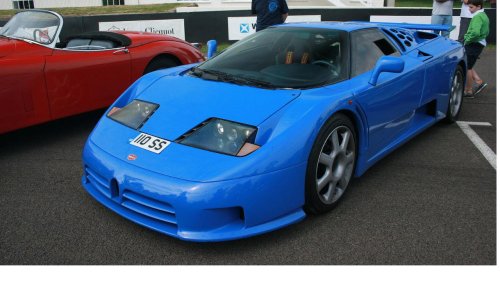
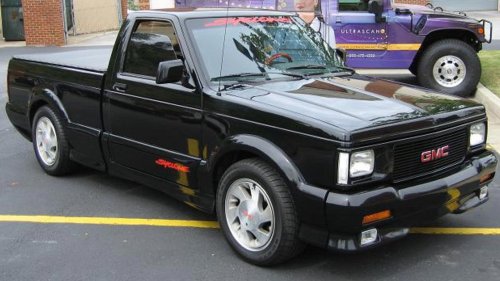
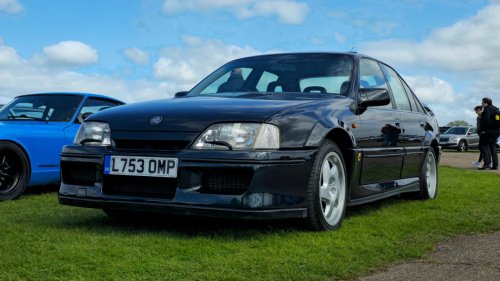
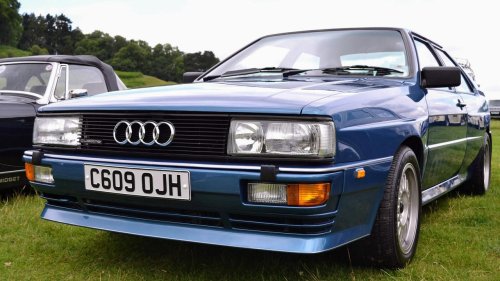
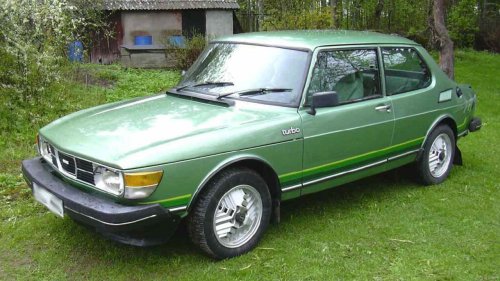
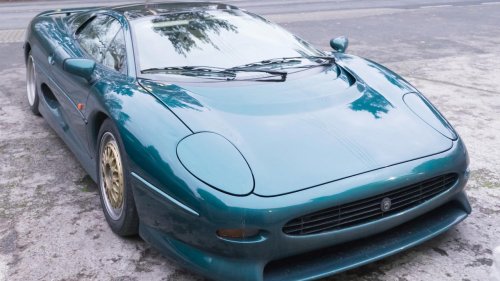



















Not everyone is a fan of turbocharging. Some enthusiasts prefer naturally aspirated power, which is perhaps rawer and “natural.” However, turbocharged cars can provide a lot of thrills, and there is something quite special about the feeling when a turbocharger kicks in. This list contains ten of the very best turbocharged cars ever made. These are some of the most powerful and fastest turbo cars produced. However, we’ve also included a small selection that you can use more practically on a daily basis. Vauxhall VX220 Turbo Image Credit: Calreyn88 – CC BY-SA 4.0/Wikimedia Commons The Vauxhall VX220 Turbo is by far one of the most underrated turbocharged sports cars ever made. Introduced in 2004 as a derivative of the Opel Speedster, it uses a 2.0-liter Astra GSi engine to produce power. That might not sound exciting, but this engine produced 200 horsepower, giving the VX220 a 0-60 mph time of just 4.7 seconds. That was quicker than the Porsche 911 of the time, and thanks to its superb chassis, the VX220 handled just as well as any Lotus ever made. Ferrari F40 Image Credit: Will ainsworth, via Wikimedia Commons, CC BY 3.0 A list of turbocharged powerhouses wouldn’t be complete without the Ferrari F40. Launched in 1987, the F40 has a special place in the hearts of those at Maranello as it was the final car approved by Enzo Ferrari himself before he died in 1988. Ferrari gave the F40 a fire-spitting 2.9-liter twin-turbocharged Tipo V8 engine that produced 477 horsepower in US spec and 471 horsepower worldwide. The F40 made a genuinely glorious sound and provided one of the rawest and most unhinged driving experiences of any turbocharged vehicle. Buick GNX Image Credit: Michael Barera, via Wikimedia Commons, CC BY-SA 4.0 The 1987 Buick GNX was a farewell to the Buick Regal, and Buick wanted to ensure that one of its most recognizable cars went out with a bang. So, the company enlisted the services of McLaren’s American engine division to rework the V6 under the hood to produce even more power. The 3.8-liter turbocharged V6 now officially outputted 276 horsepower and 360 lb-ft of torque. However, this was a conservative estimate, with the power it produced well over 300 horsepower, with up to 400 lb-ft of torque. Bugatti Veyron Image Credit: geishaboy500 is licensed under CC BY 2.0, via Flickr The Bugatti Veyron rewrote the rulebook for performance vehicles. Few cars have had such an impact on the automotive industry, and nearly twenty years after its introduction, the Veyron is still one of the great bastions of speed. Its power comes from an 8.0-liter quad-turbocharged Volkswagen W16 engine, which makes 1,000 horsepower and propels the standard version to a top speed of 253 mph. Even though subsequent versions and successors, such as the Chiron, have beaten those figures, the original Veyron is still incredibly special. Bugatti EB110 Image Credit: Supermac1961 from CHAFFORD HUNDRED CC BY 2.0, /Wikimedia Commons The Bugatti EB110 is the only car produced by the company during its Romano Artioli era. Bugatti developed the EB110 throughout the 1980s, designing it as a rival to the Jaguar XJ220 and Ferrari F40. It entered production in 1991, marking Bugatti’s return to the market after nearly 40 years off the market. Power came from a 3.5-liter quad-turbocharged V12 engine, producing 553 horsepower, rising to 603 horsepower in the Super Sport version. Bugatti produced just 139 examples of the EB110, and the company folded in 1995. It wasn’t until the Veyron of 2005 that we saw another Bugatti again. GMC Syclone Image Credit: Willyson at English Wikipedia, via Wikimedia Commons, Public domain The unhinged GMC Syclone introduced the world to the performance pickup truck. Outwardly, it is pretty stealthy, both in terms of its black paintwork and subtle design. Yet hiding underneath the Syclone was a mighty 4.3-liter LB4 turbocharged V6 engine. That V6 was good for 280 horsepower and 350 lb-ft of torque, putting the Syclone on par with several sports cars of the time. Its performance was just as impressive, with a 0-60 mph time of just 5.3 seconds and a 1/4 mile time of 13.4 seconds. In total, GMC produced just 2,998 Syclones, with 2,995 made in 1991 and a further three in 1992. Lotus Carlton Image Credit: Calreyn88 – CC BY-SA 4.0/Wiki Commons The Lotus Carlton was an upgraded, unhinged version of the Vauxhall Carlton that was so fast that it led to debates in the UK parliament about whether it should be road-legal. That was because the relatively affordable Carlton had an insane 3.6-liter twin-turbocharged Opel inline-six under the hood, producing 377 horsepower for a top speed of 176 mph. The Carlton was and remains one of the fastest sports sedans ever made. One notorious example is 40 RA, which became famous for its ram raids across the UK after it was stolen from its owner. Eventually, 40 RA was scrapped after police found it dumped in a canal. That tale has meant the Carlton itself has become a genuinely legendary turbocharged monster. Audi Quattro Image Credit: Daniel Milner, via Wikimedia Commons, CC BY-SA 4.0 The Audi Quattro changed the face of world rallying forever. Thanks to its then-innovative four-wheel drive system, the Quattro rewrote the rulebook, and since 1983, no two-wheel-drive car has ever won the World Rally Championship. It wasn’t just four-wheel drive that made the Quattro so good, however. The Audi legend also benefited from turbocharged power, with the 2.1-liter five-cylinder it first had making up to 197 horsepower and 210 lb-ft of torque. Power would increase over the years up to 216 horsepower, with turbocharging remaining a core ingredient. Saab 99 Turbo Image Credit: Mr.C, via Wikimedia Commons, CC BY-SA 2.5 While turbocharging was most at home in performance cars, it would soon filter down to more affordable daily drivers as well. One of the first to recieve it was the Saab 99, with the Swedish manufacturer applying a turbo to its 2.0-liter four-cylinder engine. The increased power meant the 99 Turbo produced 145 horsepower, more than enough to grab your attention on any commute to work. But despite the turbo power, the Saab 99 Turbo was still easy to drive, proving that everyday cars could also benefit from this extra performance. Jaguar XJ220 Image Credit: DeFacto, via Wikimedia Commons, CC BY-SA 4.0 When Jaguar unveiled the production version of its XJ220 supercar, some customers were disappointed. Instead of the 500 horsepower 6.2-liter V12 of the concept car, the production model had a 3.5-liter twin-turbocharged Jaguar JRV-6 V6 engine under the hood. However, the twin-turbo V6 produced more grunt with 542 horsepower and 475 lb-ft of torque versus 400 lb-ft in the V12. Thus, the XJ220 could easily top 200 mph, and it was by far and away one of the most beautiful cars to come out of the 1990s. In 2024, with only 282 produced, XJ220s can easily sell for over $5 million. More from Fast Lane Only Unboxing the WWII Jeep in a Crate 15 rare Chevys collectors are quietly buying 10 underrated V8s still worth hunting down Police notice this before you even roll window down